Interior Design Trends 2026: Authenticity, resonance, and resilience.
At a glance
Interior Design Trends 2026: Authenticity, Resonance, and Resilience identifies five hospitality interior design directions for 2026: multisensory design prioritizing acoustics, scent, and lighting over visual spectacle; hyper-localization replacing global generic aesthetics with regional materials and cultural storytelling; holistic wellness integrated into the architectural fabric rather than confined to spa spaces; material honesty focused on patinating finishes such as honed stone, cork, and leather; and the rise of mineral greens and grounding tones as a dominant palette. The piece draws on contributions from nine Wimberly Interiors principals and directors: Margaret McMahon, Hussain Kamal, Deepu Mahboobani, Damien Follone, Liu Haoyang, Kathy Chavez, Erin Nichols-Walker, Liana Hawes Young, and Paolo De Simone.
Key Takeaways: Hospitality Interior Trends 2026
Wimberly Interiors’ hospitality landscape trends 2026 shifts away from visual spectacle toward emotional resonance and resilience. A move toward luxury defined by how a space feels, prioritizing intimacy, sensory details, and a “designing with care” ethos.
Top 5 Trends Driving the Industry:
-
Designing to Feel: A focus on multisensory experiences, acoustics, scent, and lighting, over “Instagrammable” moments.
-
Hyper-Localization: Replacing the “global generic” aesthetic with vernacular architecture, regional materials, and deep cultural storytelling.
-
Holistic Wellness: Integrating biophilia, air quality, and circadian lighting into the architectural fabric rather than isolating them in spas.
-
Material Honesty: A preference for materials that patina and age gracefully, such as honed stone, cork, and leather.
-
The Rise of Green: A shift toward grounding mineral greens, teals, and olive tones as the dominant color palette for calm and connection.
Interior Design Trends 2026
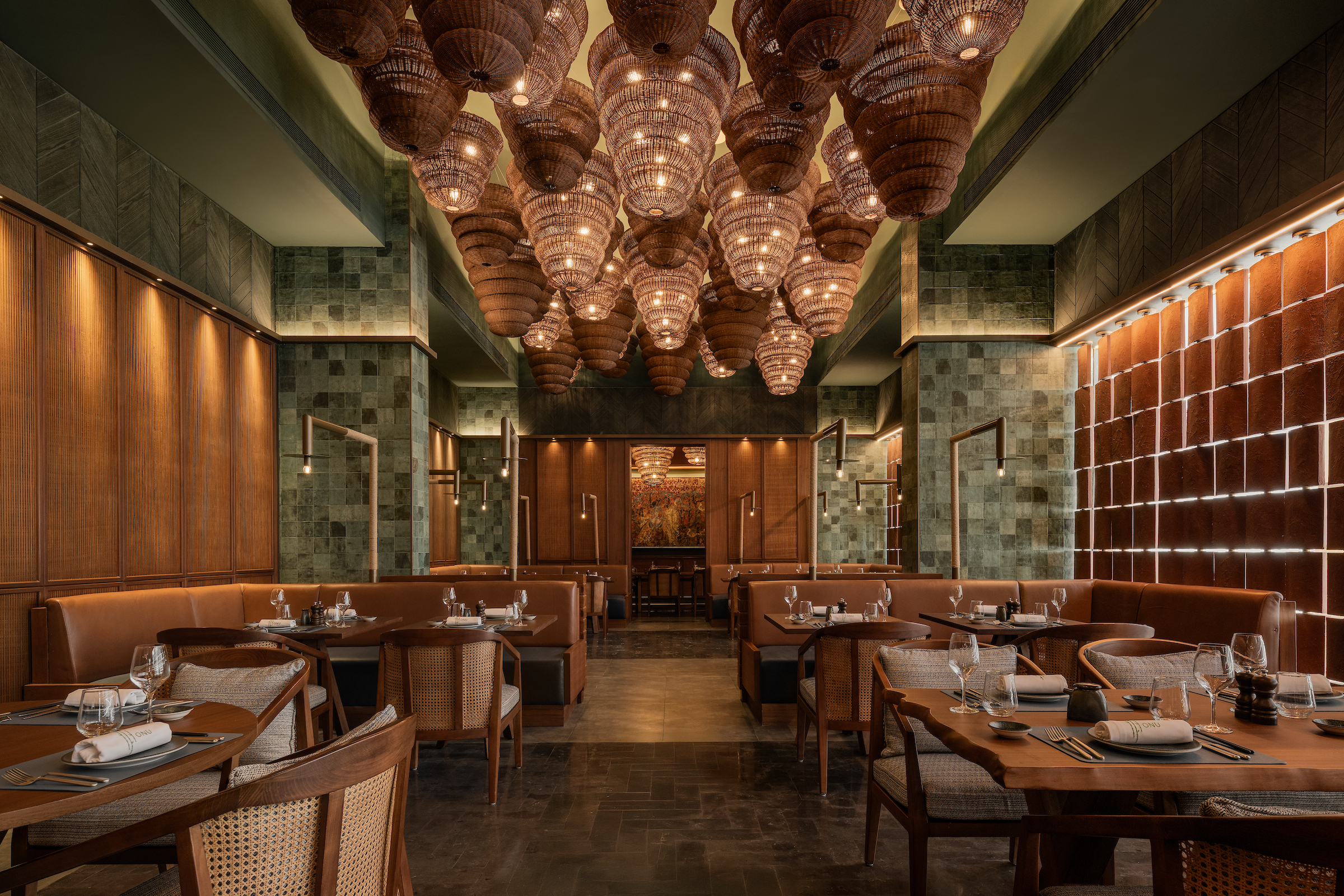
Stepping away from the trend cycle, Wimberly Interiors’ 2026 forecast prioritizes authenticity, warmth, resonance, and resilience. Spaces feel human, tactile, and deeply rooted in place, crafted to reflect how guests truly live, rest, and remember. Design becomes a multisensory experience, shaped by emotional sensitivity and a genuine sense of belonging. The result is a hospitality landscape softer in tone and stronger in meaning.
Hotels are no longer polished backdrops but living environments that hold stories, rituals, and rhythms. This evolution is driven by authenticity. Today’s travelers seek spaces that feel both familiar and experiential – valuing cultural depth, emotional resonance, and atmospheres that restore the mind and body.
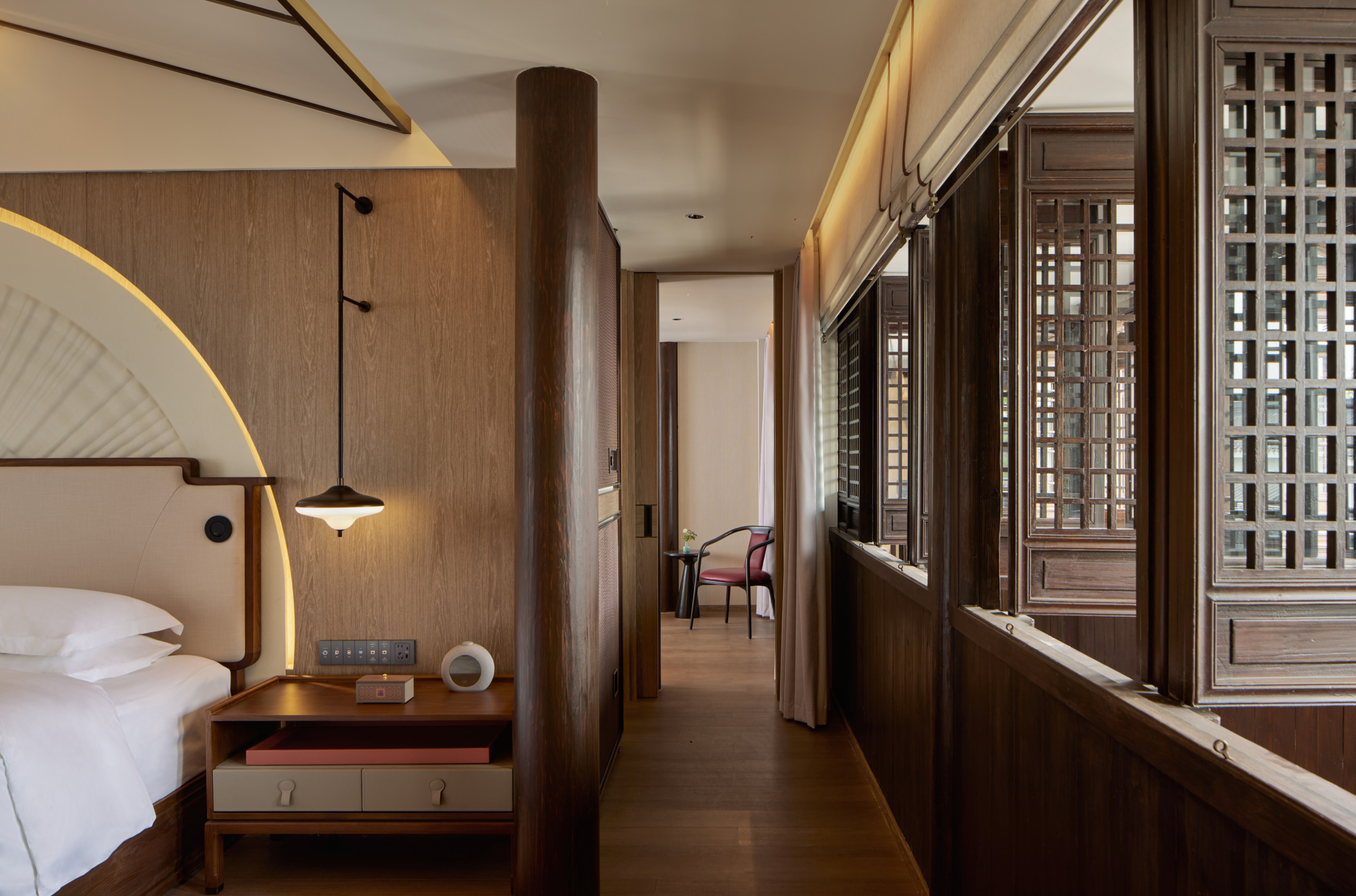
Designing to feel
One of the defining interior design trends 2026 is a renewed focus on how a space feels before how it photographs. Light, scent, acoustics, and touch are treated as core design tools, orchestrated to create calm, atmospheric interiors where the emotional tone is almost tangible. Diffused lighting, layered luminaires, soft surfaces, and thoughtfully muted soundscapes replace harsh glare and echoing volumes, inviting guests into environments that soothe rather than overwhelm.
“Small details, like morning light, handcrafted textures, or soft evening illumination, make each stay a sensory experience while bringing comfort and calm. Design is no longer about spectacle, but about warmth and resonance, bringing comfort to architecture, meaning to travel, and authenticity to living — to settle the body, nourish the mind, and connect with the world.” – Liu Haoyang, Associate Principal, Client Services
“The most compelling kind of luxury is the one that doesn’t need to introduce itself, it simply feels right the moment you arrive. ”
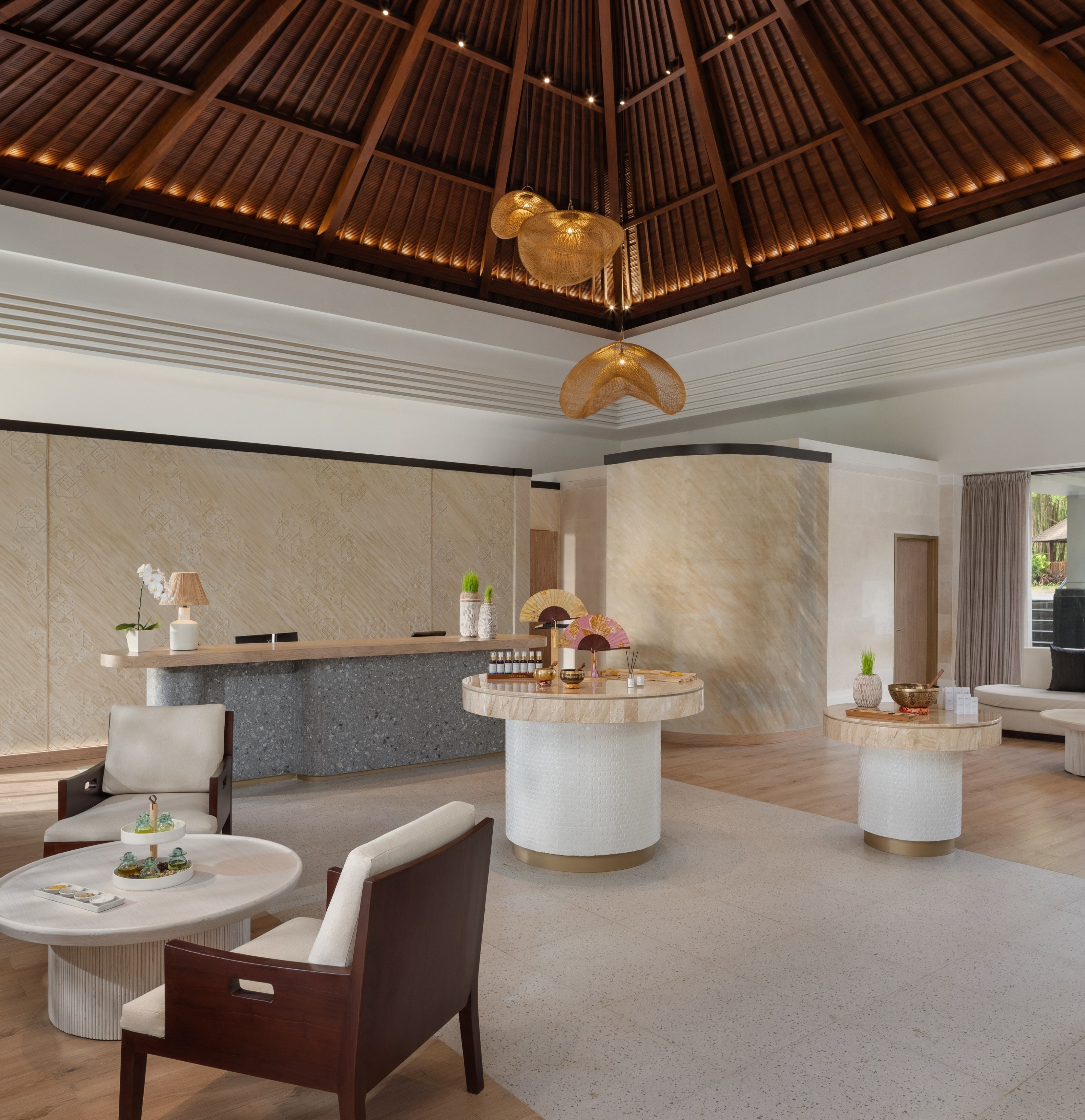
Hyper-local stories
In 2026 hyper-localization forms the spine of hospitality narratives. Regional stone, native woods, locally woven textiles, and artisan-made ceramics deepen the sense of belonging, allowing guests to understand where they are through the very surfaces they touch.
Rather than importing a global aesthetic, designers are reinterpreting vernacular architecture, craft traditions, and cultural cues in contemporary ways. “Authenticity is not a theme; it’s a conversation with the people, the land, and the memory of a place.” – Damien Follone
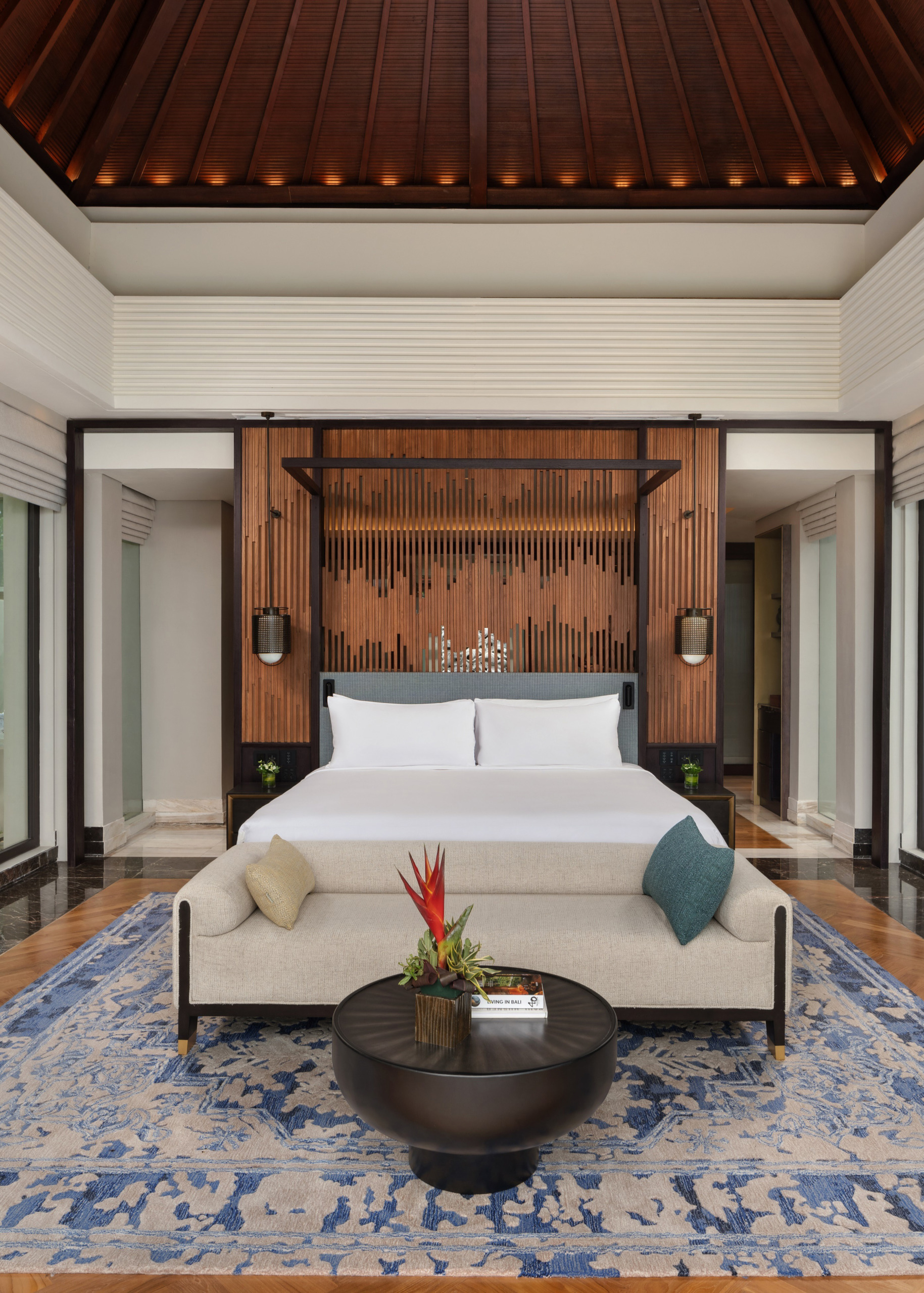
“The ‘global generic’ look is a trend of the past, guests want to experience the essence of a place, and interior design is key in creating such bespoke experiences. We craft narratives, infusing the local culture, craftsmanship, indigenous materials and patterns to echo the identity of a destination. At Umana Bali, we introduced local wood species, Balinese batik or ikat patterns as accents and collaborated with local artists to create an authentic experience rooted in Balinese tradition and culture. Such authentic experiences support local community, reinforces sustainability goals and helps guests build an emotional connection.” – Deepu Mahboobani, Principal.
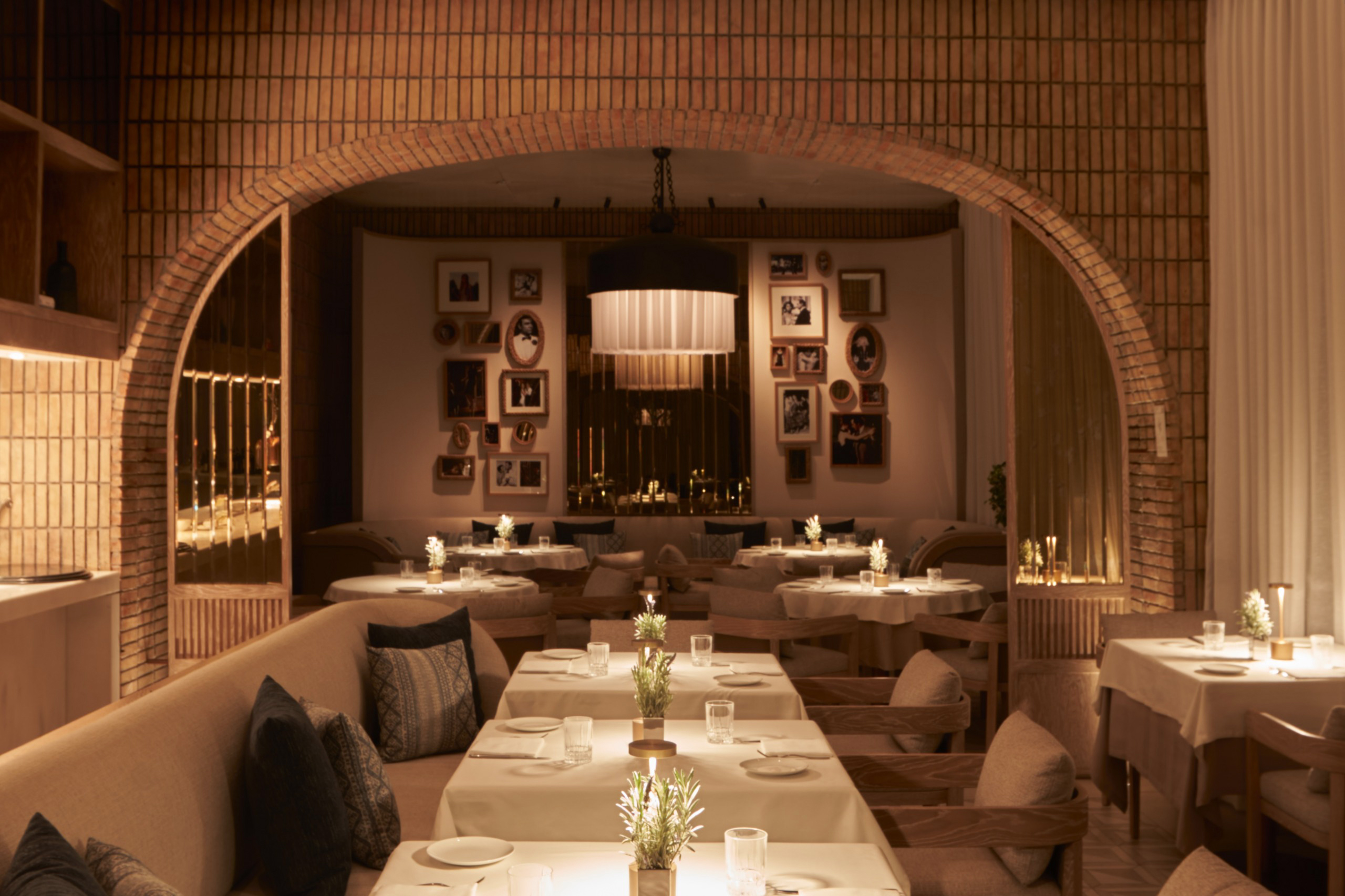
Intimate spaces
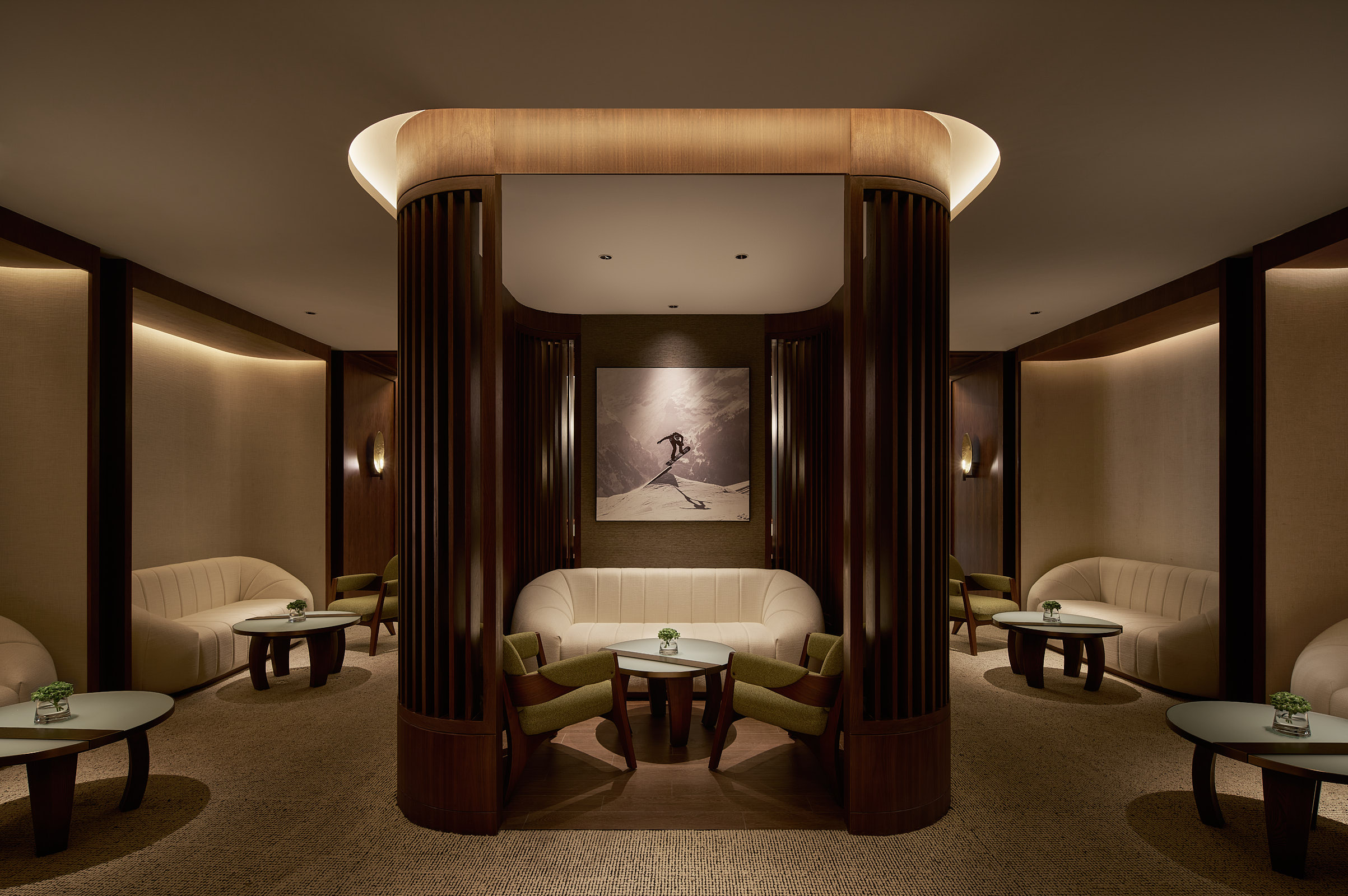
“The mood for 2026 isn’t loud. It’s the quiet after the dinner party, when the last candle still burns, and you realize the best conversations happen after everyone else left. That’s the energy shaping interiors now.” – Paolo De Simone, Creative Director.
We’re craving spaces that don’t just look beautiful but feel personal, rooms that know how to keep a secret. Forget vast, echoing living rooms and perfectly styled shelves that scream “do not touch.” The most compelling spaces this year are smaller in spirit: layered, tactile, and human.
Think of nooks, corners, and cocoon-like seating that make you want to stay put. Sofas with arms that hug back. Lighting that flatters everyone, not just the art on the wall. It’s not about minimalism or maximalism, it’s about the scale of emotion.
Wellness woven into daily life
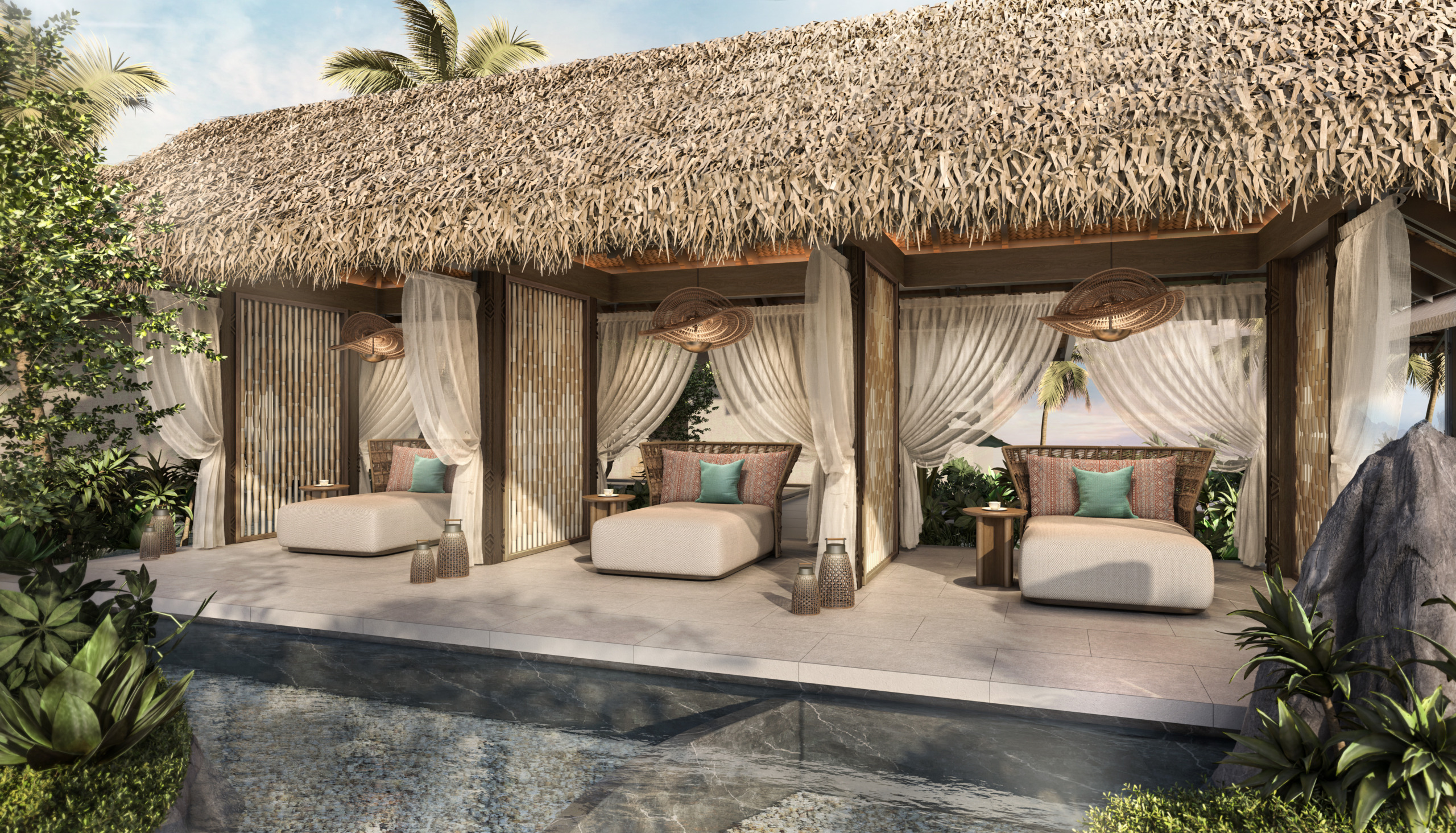
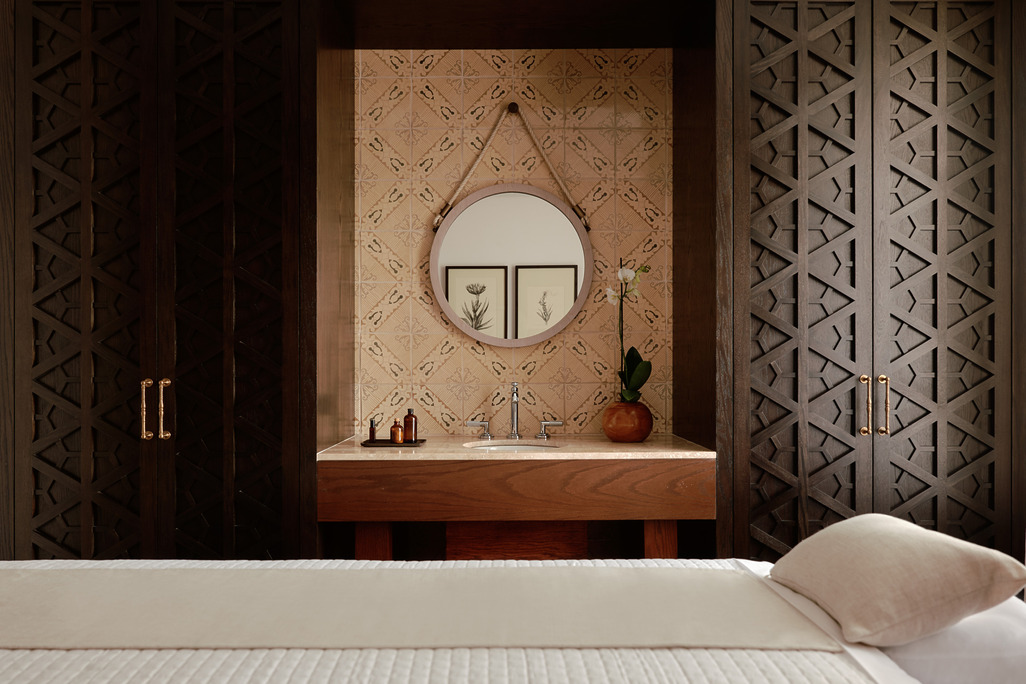
Wellness is evolving beyond spa suites and dedicated gyms into something more holistic. In 2026, biophilic cues, natural materials, breathable finishes, scentscapes and gentle airflow are integrated into the architectural fabric, creating environments that feel restorative without announcing themselves as “wellness zones.”
Temperature shifts, daylight access, greenery, and low-emission materials become gestures of care, enhancing sleep quality, focus, and comfort for guests seeking recalibration. “True wellness in design is when guests feel better without ever needing to name why.” – Liu Haoyang.
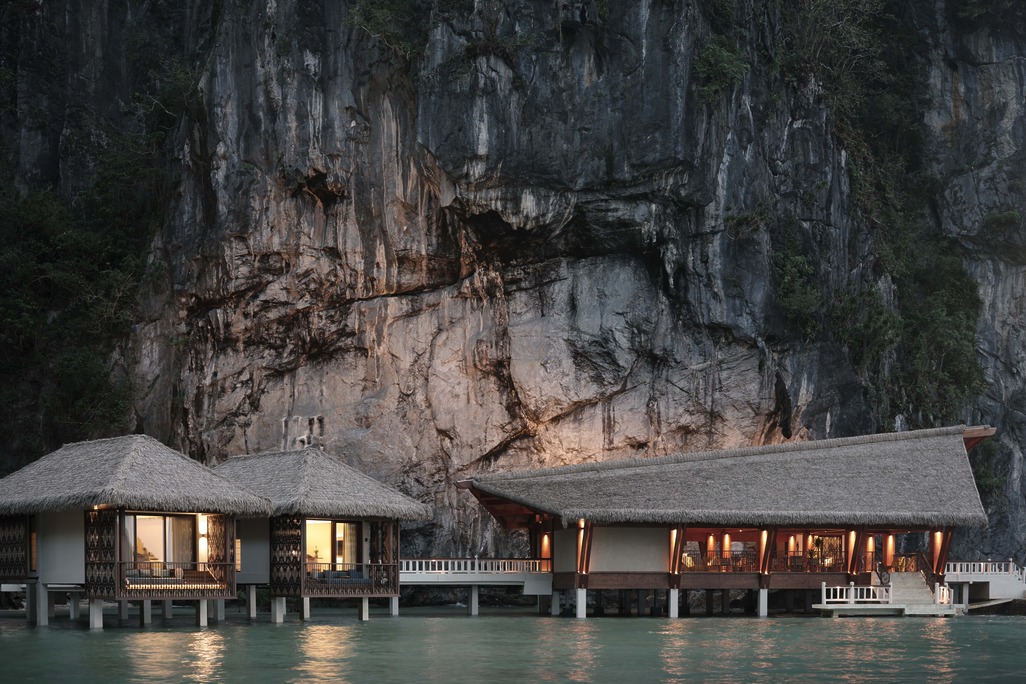
“Our new launch for the El Nido Lagen resort is rooted in cultural artistry, heritage and immersive environment. We delved into the rich history of Palawan and the indigenous tribes that call the island home. Traditional patterns, materials, and craftsmanship are thoughtfully woven into a contemporary design language, creating a meaningful connection and an authentic sense of place. The wellness experience draws inspiration from the dramatic cliffside and surrounding rainforest, offering guests an immersive and deeply rejuvenating experience.” – Deepu Mahboobani
Material honesty and resilience
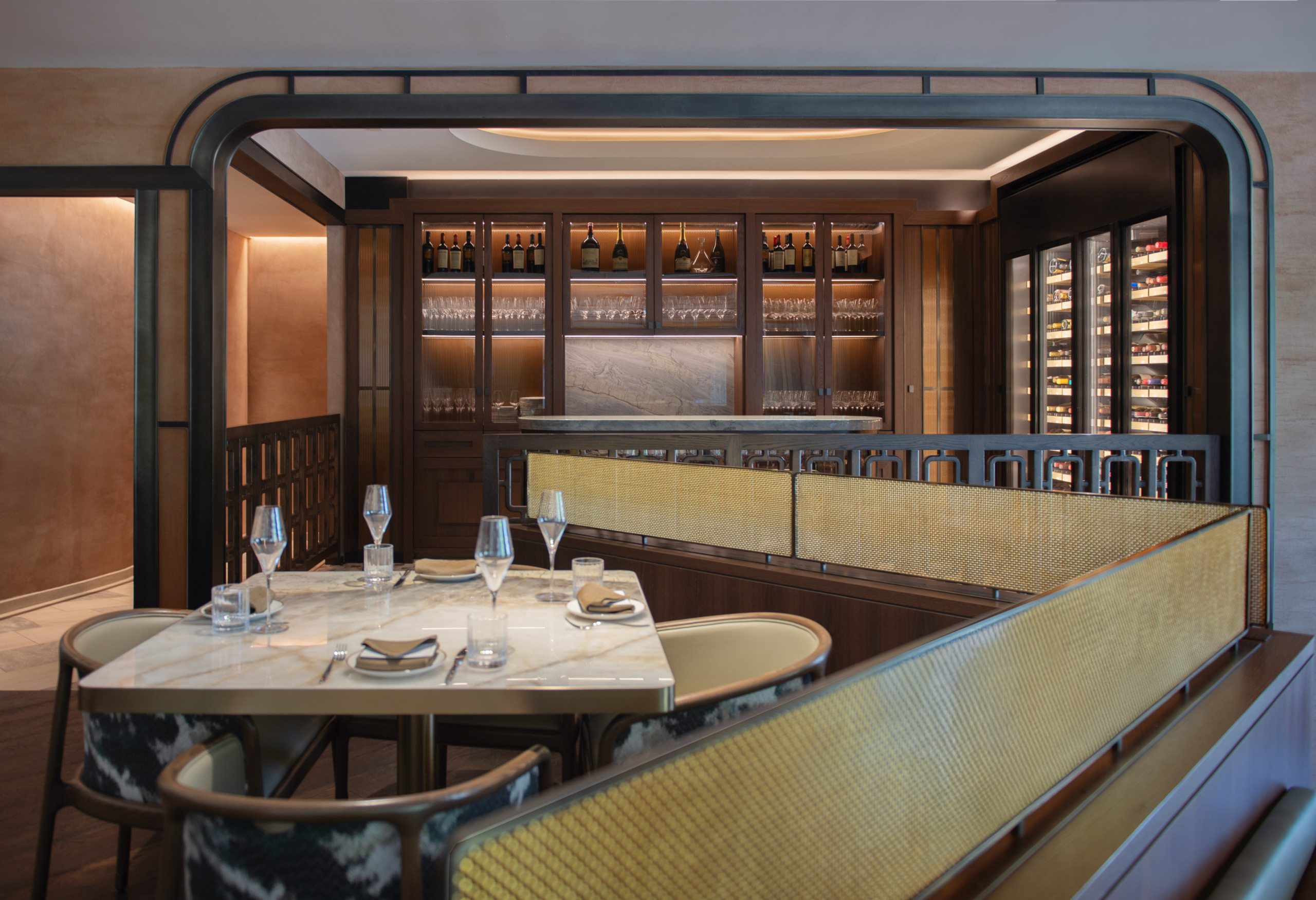
Material integrity is central to hospitality interior trends 2026, with a focus on how interiors age, repair, and patina over time. Designers are embracing honed stone, cork, stitched leather, natural pigments, and terrazzo with local aggregates – materials that become more beautiful as they respond to use and history.
This approach aligns environmental responsibility with a deeper emotional connection; a scuffed leather edge or softened plaster corner becomes a record of human presence rather than a flaw. “A space feels truly luxurious when you can see that it has lived, and yet it still feels cared for.” – Kathy Chavez, Associate Principal and Studio Director.
Craft in a digital age
Technology is sharpening precision, but the human hand remains the soul of Wimberly Interiors’ work. CNC-cut elements, digital modeling, and parametric layouts set the framework, while artisans finish edges, lay tile, and apply specialty finishes, ensuring that surfaces feel alive rather than machined.
This balance of digital efficiency and craft-driven imperfection lends each project a quiet uniqueness, a rhythm of repetition and variation that guests sense intuitively. “What moves me is when a detail is flawless on paper but still carries the warmth of the hand in reality.” – Erin Nichols Walker, Associate Principal.
Technology is sharpening precision, but the human hand remains the soul of Wimberly Interiors’ work.
Embedded Art
Art in hospitality spaces is shifting from something hung to something embedded. In 2026, sculptural walls, three-dimensional applications, and site-specific installations turn corridors, lobbies, and stairwells into narrative passages.
Collaborations with local artists and ateliers give each project a distinct cultural voice, while rotating pieces invite returning guests to rediscover the property with each visit. “Art should not be an afterthought, it should be a line of poetry you walk through to get to your room.” reflects Hussain Kamal, Managing Principal.
Color: the rise of green
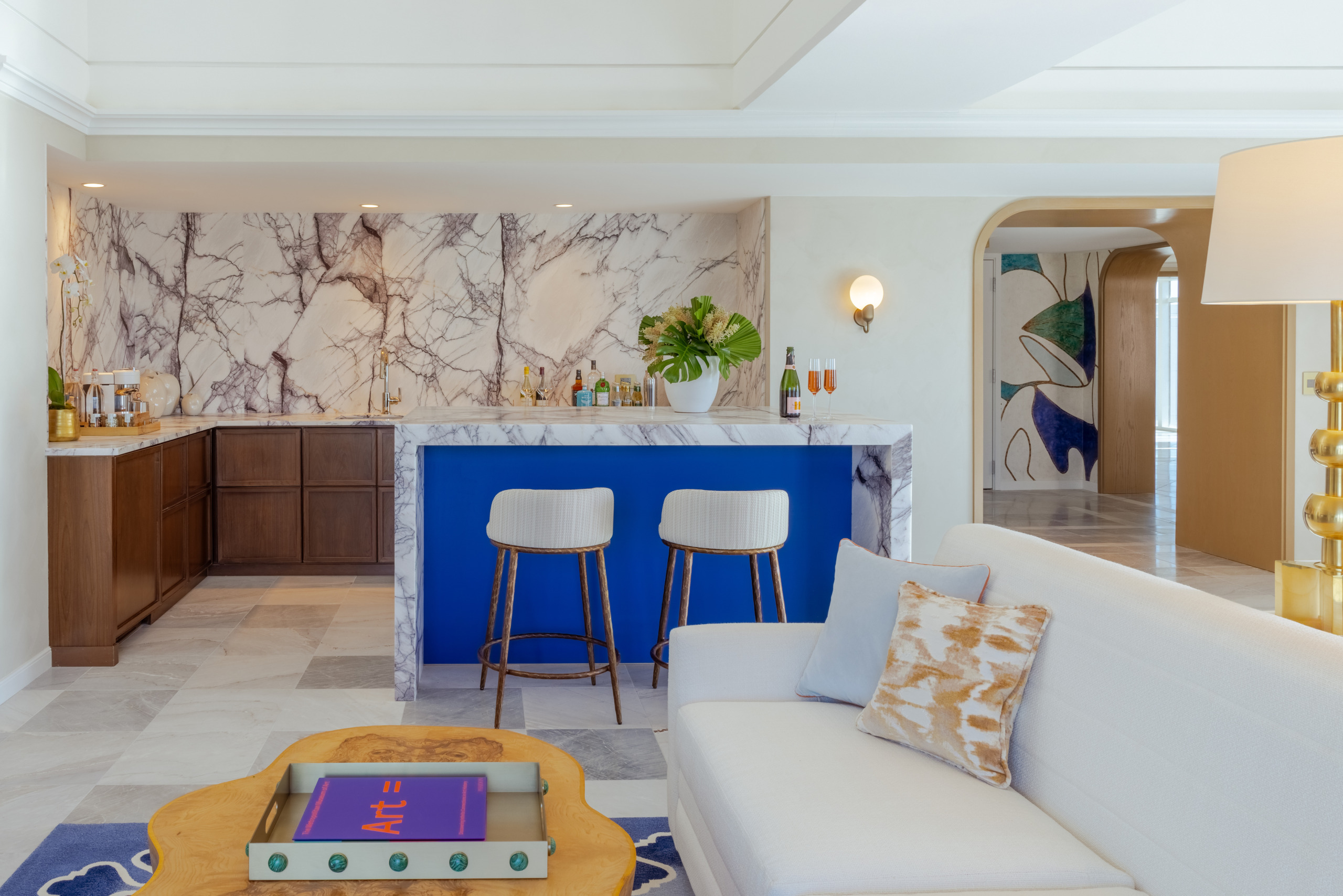
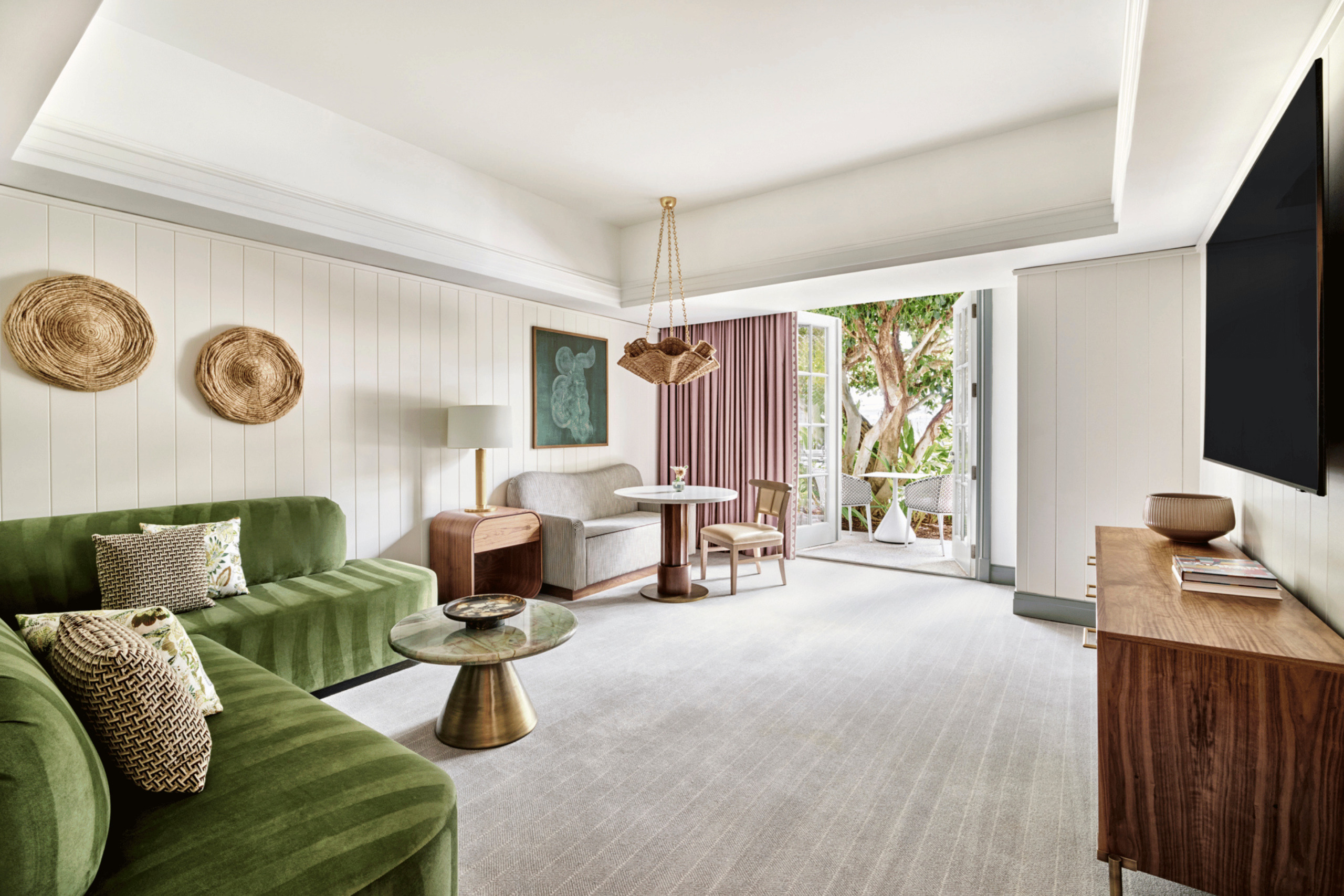
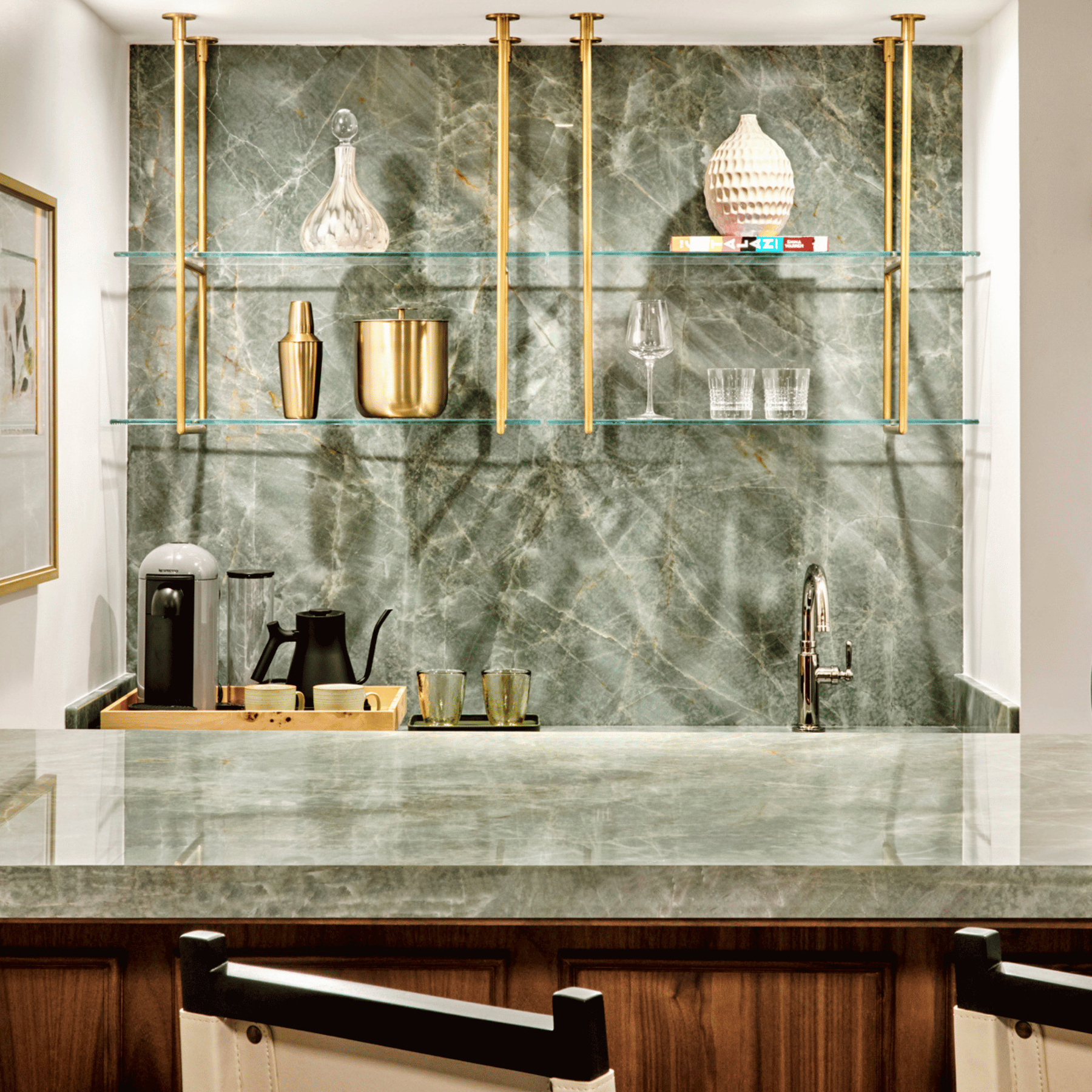
Color in 2026 is both bolder and more emotionally attuned. Teals, mineral greens, lilacs, silvery blues, and aubergine-infused neutrals sit alongside warm earths, herb greens, and clay-soft tones, creating palettes that flatter skin, calm the mind, and read beautifully both in person and on camera.
Green, in particular, is emerging as a defining hue, bridging nature and luxury, especially when paired with burnished metals or rich textiles. “Green is a color that knows how to both hold you and elevate you. Used with intention, it becomes less an accent and more a quiet anchor.” – Hussain Kamal.
“I love green most when it appears in gradients on textiles, tilework, or artwork, like a landscape unfolding across the room.” – Erin Nichols Walker.
Teals, mineral greens, lilacs, silvery blues, and aubergine-infused neutrals sit alongside warm earths, herb greens, and clay-soft tones.
Adaptive, multifunctional spaces
Adaptability remains a powerful current in hospitality design, particularly in public areas and F&B environments. Lobbies now function as co-working lounges by day and social living rooms by night, with modular seating, zoned rugs, and dynamic lighting enabling seamless transitions.
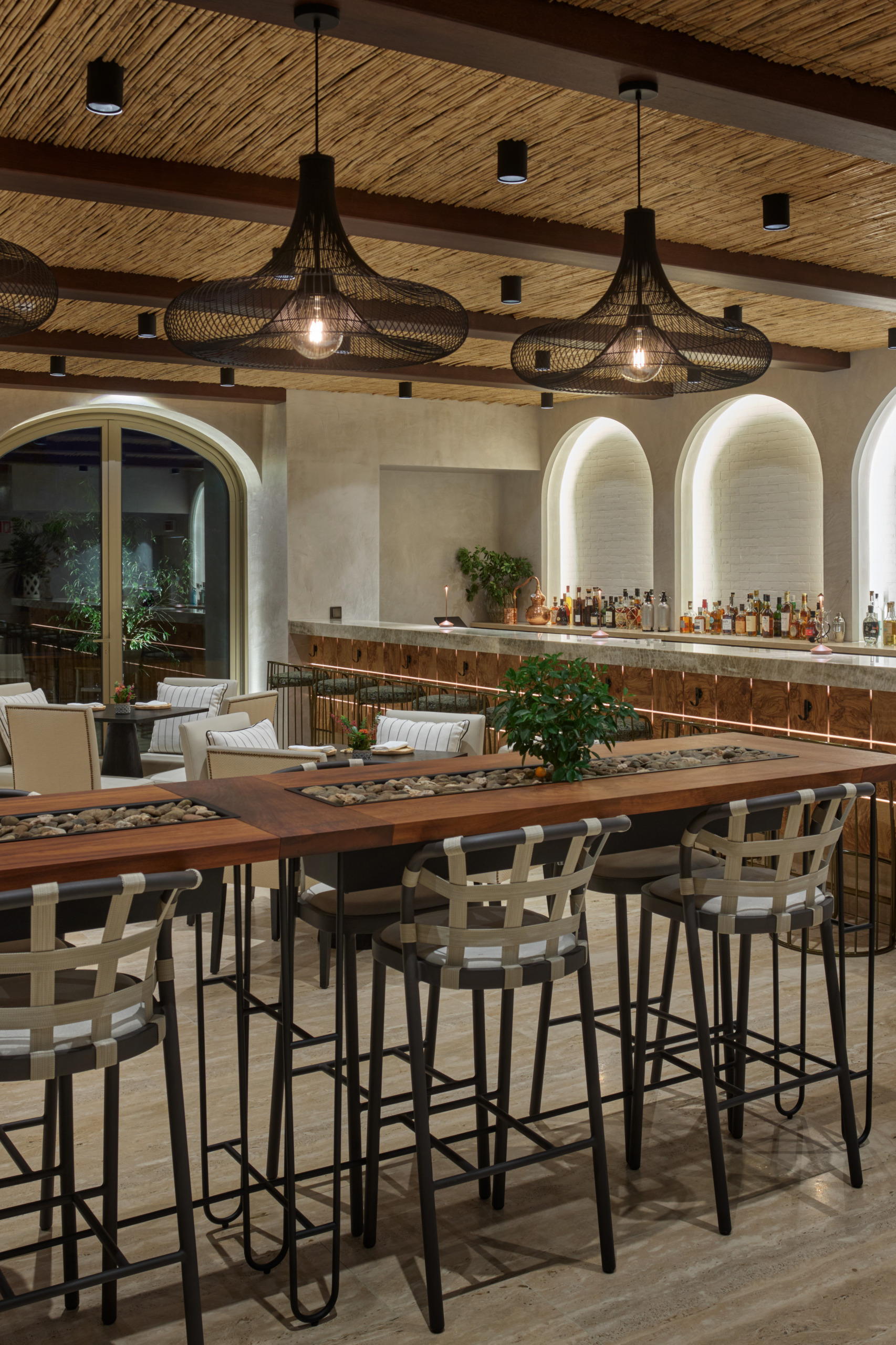
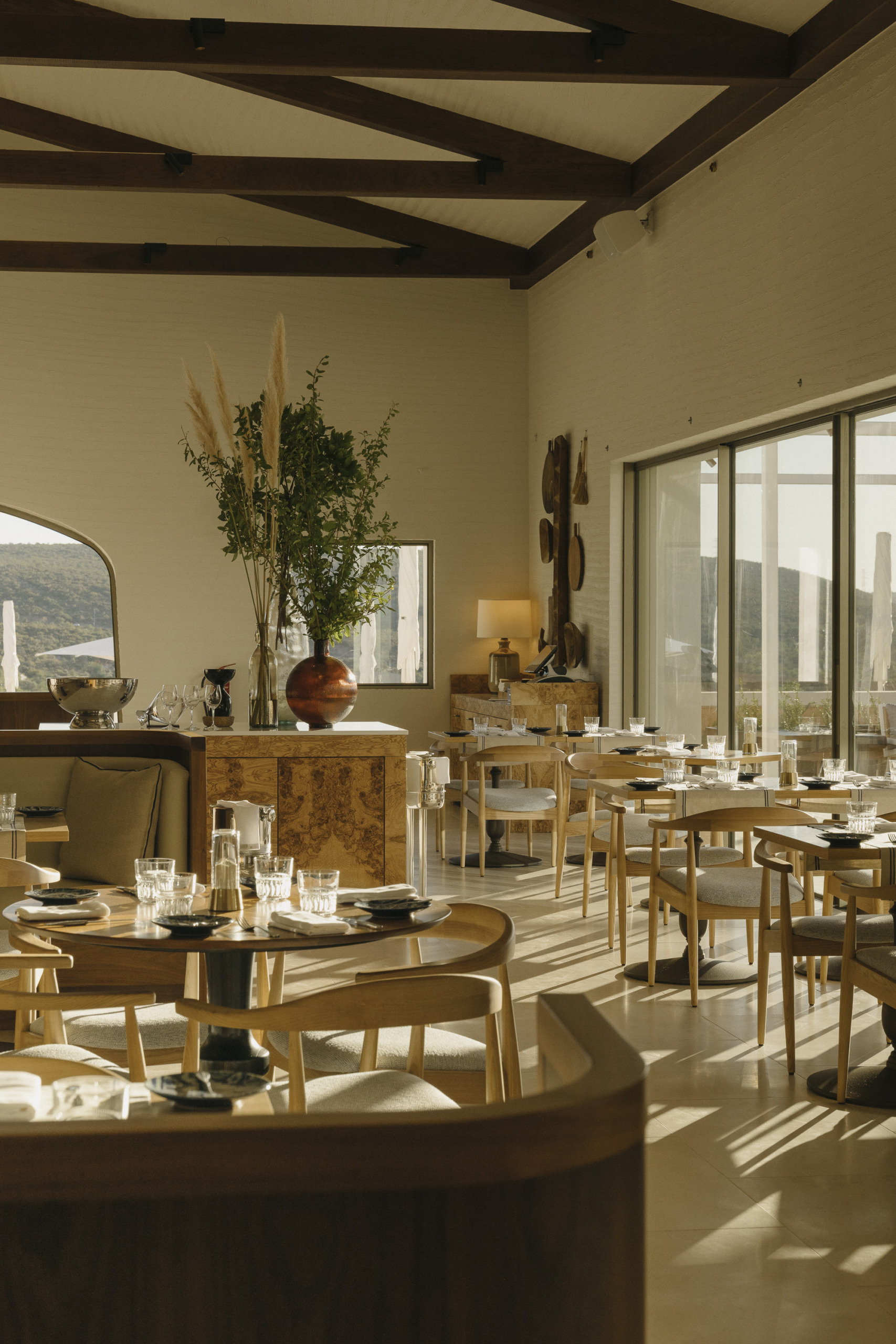
Restaurants and bars are conceived as multi-episode venues: morning workspace, afternoon workshop, evening performance, and late-night bar, all supported by lighting, acoustics, and furniture that flex without losing intimacy. “Every square foot is a promise. If a space no longer serves the guest, it’s an invitation to rewrite its story.” – Kathy Chavez.
Elevated food and beverage worlds
Food and beverage spaces are conceived as destinations, not just amenities. High-design food halls with tightly curated micro-venues and layered branding are emerging in entertainment-led markets, where guests move through a series of distinct yet connected culinary worlds.
Partnerships with celebrated chefs and concept-driven bars keep guests on property, while open kitchens and theater-like layouts draw diners into the choreography of preparation and service. “The way a guest approaches a table, hears the kitchen, and sees the ingredients is as much part of the design as the chair they sit in.” – Damien Follone.
Boutique mindset, global reach
Hotel brands are leaning into a boutique mindset, using design to deliver individualized experiences. Authenticity of place and brand narrative is expressed through locally made art, nuanced palettes, and richly layered textures that distinguish each property within a portfolio.
This approach plays to Wimberly Interiors’ core strengths as emotive storytellers and hospitality specialists, crafting one-of-a-kind environments that reflect both the destination and the client’s identity. “Design that merges a brand’s modern aesthetics and elevated comforts with the defining characteristics and history of a place results in an authentic and experiential expression.” – Liana Hawes Young, Associate Principal.
Vintage, reuse, and character
Reframing cost, sustainability, and storytelling, 2026 sees a renewed embrace of vintage and reimagined pieces within luxury settings. Designers are weaving antiques, reupholstered furniture, and found objects into contemporary frameworks to create layered interiors that feel collected rather than installed.
These gestures bring instant depth and reduce waste while allowing each room to carry small, almost secret histories. “Some of the most powerful design moves are the gentle ones, giving a beautiful object a second life and letting it shift the entire mood of a space.” – Liana Hawes Young.
Interior Design Trends 2026
Running through the interior design trends 2026 is Wimberly Interiors’ defining ethos: designing With Care. This means caring for the guest through sensory-rich comfort and intuitive functionality, for the client through thoughtful stewardship and operational precision, and for place through cultural authenticity and material integrity.
The studio’s global hospitality expertise and emotive storytelling ensure that each project is both commercially astute and deeply human, harmonizing aesthetics, operations, and narrative in a way that feels effortless to the guest, even when it is anything but. “When design is done With Care, you sense it in the stillness between moments, in the way a space holds you, even after you’ve left.” – Margaret McMahon, Global Practice Principal, Wimberly Interiors
With Care
Crafting elegant, immersive environments where storytelling meets operational excellence. Through thoughtful listening, bold curiosity, and creative versatility, we bring visions to life with artistry, precision and care.
Latest Insights
Perspectives, trends, news.
- Project Stories
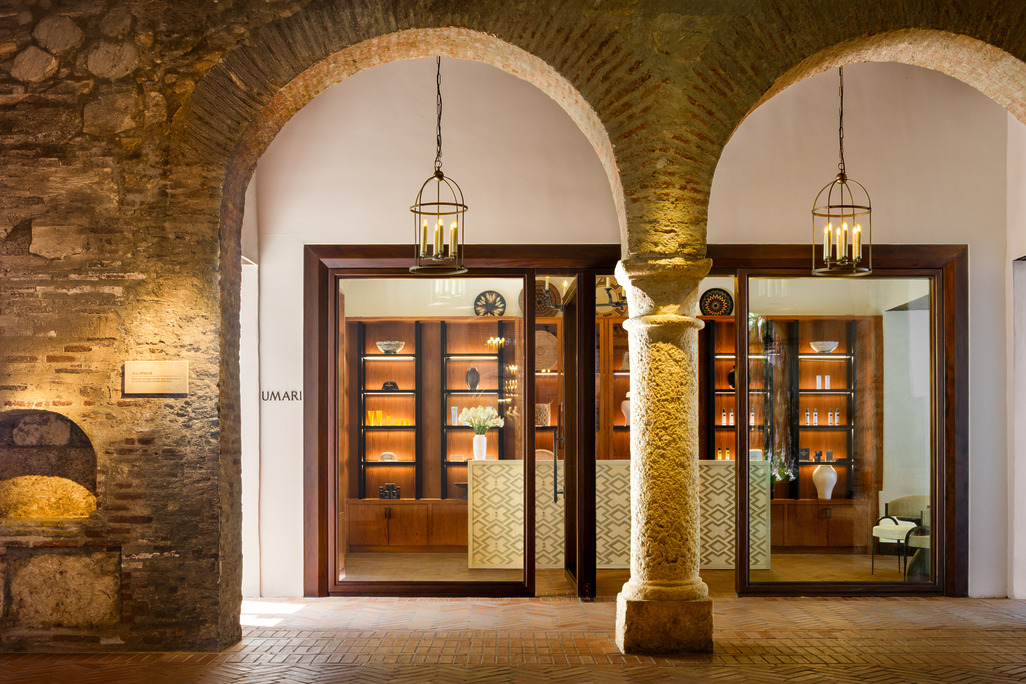
Connecting Historic Preservation and Wellness Design
- Strategy + Research
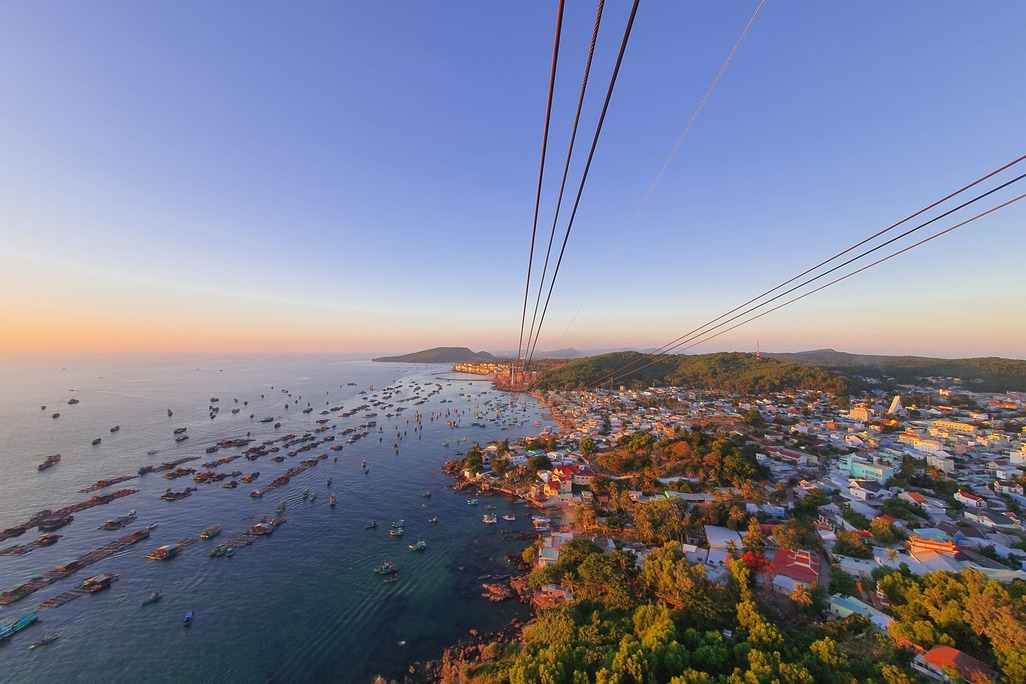
Phu Quoc at a Turning Point: Lessons for Long-Term Island Planning
- Design + Innovation
Lagen Island Resort, El Nido: A Shared Legacy of Responsible Luxury
- News