Why Biodiversity is Now a Core Design Metric in Luxury Hospitality
At a glance
Why Biodiversity is Now a Core Design Metric in Luxury Hospitality argues that ecological richness is both a measurable guest experience driver and a long-term asset value strategy. The article sets out WATG’s three-stage Biodiversity Net Gain methodology covering baseline assessment, design integration, and long-term monitoring, and illustrates it through Hann Lux Lifestyle Resort in the Philippines, Singita Sasakwa Lodge in Tanzania, and Lagen Island Resort El Nido in Palawan. Ashley Scott, Global Practice Principal, and Lance Walker, Principal, lead the design perspective throughout.
The Science Behind the Experience
In hospitality design, biodiversity is non-negotiable. The ethical reasons are obvious, and the design reason is that nothing in a destination reads as alive if the ecology underneath it isn’t.
Research published in the Journal of Global Health found that 98% of studies on nature exposure reported improvements across mental health outcomes. A separate study from King’s College London identified that roughly 25% of those wellbeing gains were specifically explained by biodiversity, the presence of multiple natural features, including trees, birds, plants, and water, rather than greenery alone. The implication for developers and operators is direct: a richer, more ecologically complex landscape produces measurably better guest outcomes than a manicured one.
At WATG, that science shapes how we work from the earliest stages of a project.
“Biodiversity isn’t a metric we track after the design is done, it’s one of the first things we read on a site. The ecological inventory tells us where the real value is, and that becomes the armature everything else is organized around.” – Ashley Scott, Global Practice Principal, Landscape Architecture
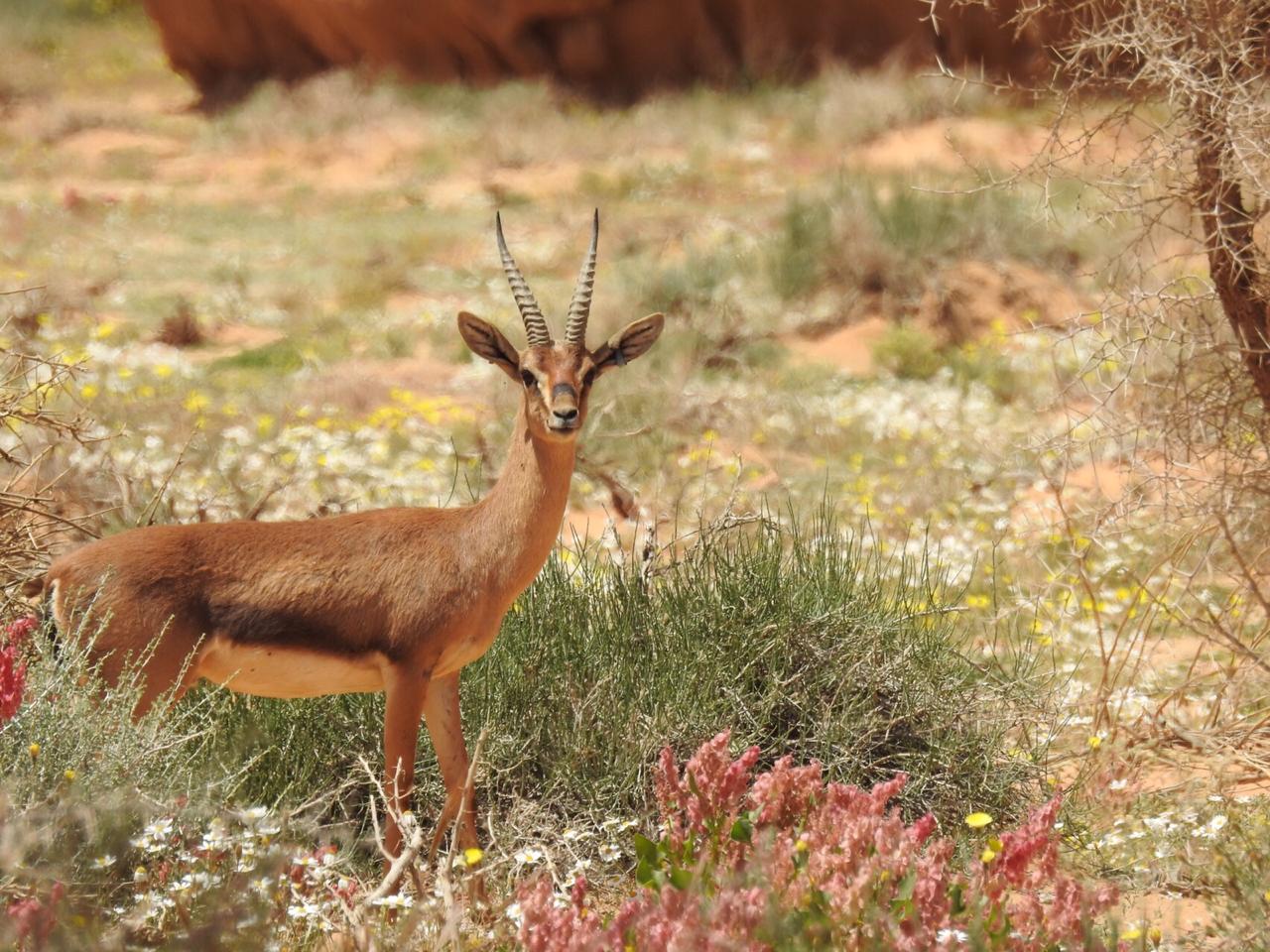
Sharaan National Park – restoring the natural landscape of a fragile ecosystem and re-establish the rich diversity of plant and animal life.
Landscape as Infrastructure, Not Ornament
The shift in how hospitality developers approach landscape architecture over the past decade has been significant. Planting palettes and pool surrounds were once largely aesthetic decisions, made late in the design process. Today, the landscape is understood as operational infrastructure — something that manages water, regulates microclimate, supports biodiversity corridors, and directly influences how long guests stay and how often they return.
This repositioning has made habitat mapping and biodiversity assessment standard practice at the site feasibility stage for WATG projects. Before spatial planning begins, the team evaluates existing ecological value: which habitats are present, how connected they are, and where meaningful opportunities exist to enhance them. The analysis feeds directly into site organization and guest experience programming — not as a sustainability overlay applied after the design is set, but as a generative input.
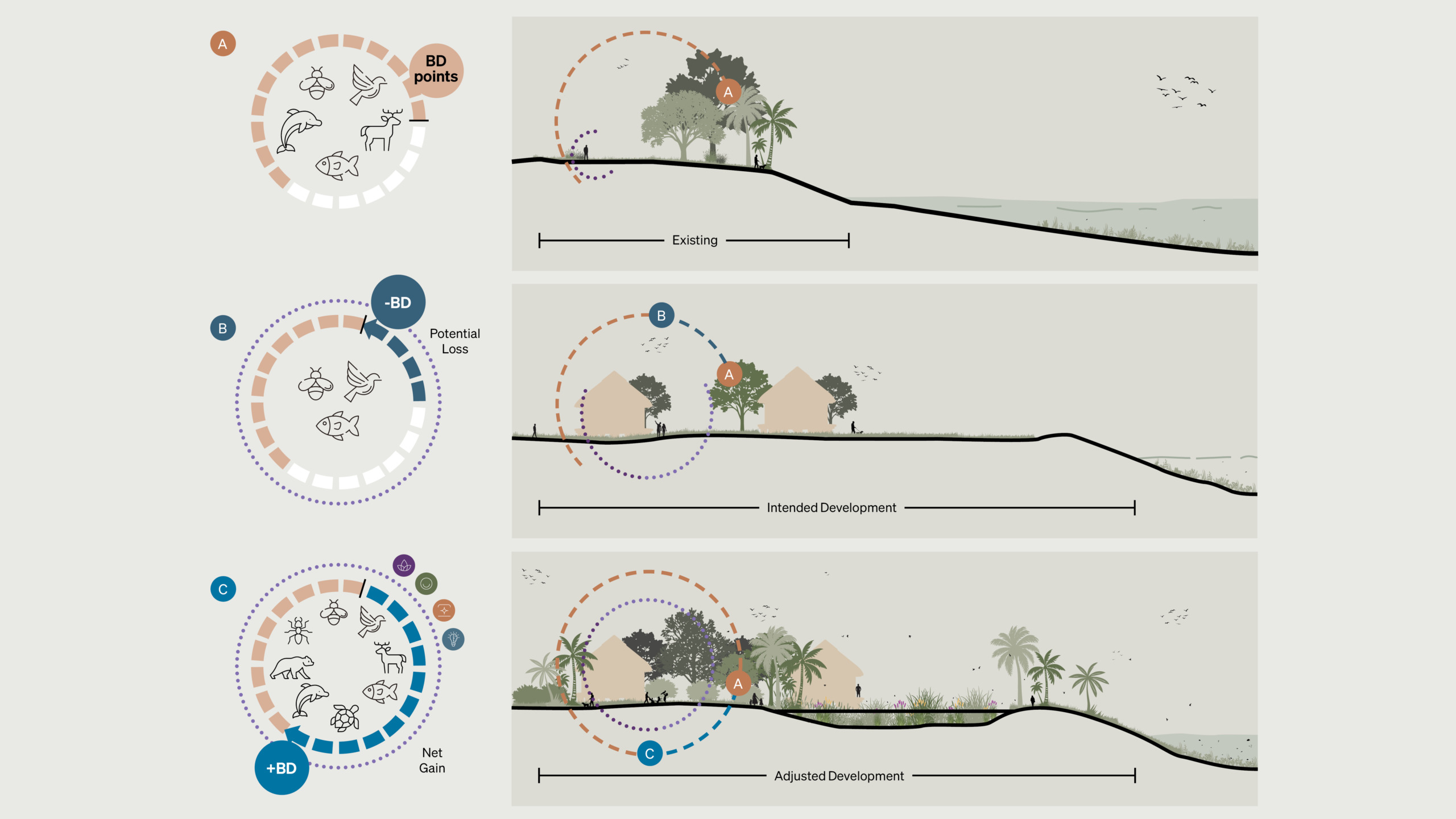
Biodiversity Net Gain in three stages: establish the ecological baseline (A), mitigate potential biodiversity loss in the development design (B), and deliver restoration that leaves habitats healthier and more connected than they were at the outset (C).
Designing for Biodiversity Net Gain
Biodiversity Net Gain (BNG) is a planning and design approach that requires a development to leave biodiversity in a measurably better state than it found it. WATG’s approach to BNG operates across three stages.
The first is research and baseline, understanding what ecological value exists on the site, calculating existing biodiversity units, and identifying habitat connectivity. The second is design integration, defining opportunities to enhance or extend habitats within the project, predicting the future biodiversity value of the development, and building those elements into the guest experience rather than treating them as back-of-site infrastructure. The third is construction strategy and long-term monitoring: a commitment to conserving and rejuvenating existing habitats during build and tracking biodiversity gains through occupancy to verify, and continue improving, the outcome.
“We are using AI tools to provide deeper environmental intelligence. Our data informed approach enables us to evaluate valuable natural habitats at an early site planning stage, helping to inform spatial planning and inspire meaningful and biodiverse experiential opportunities.” – Toby Kyle, Associate Principal, Landscape Architecture
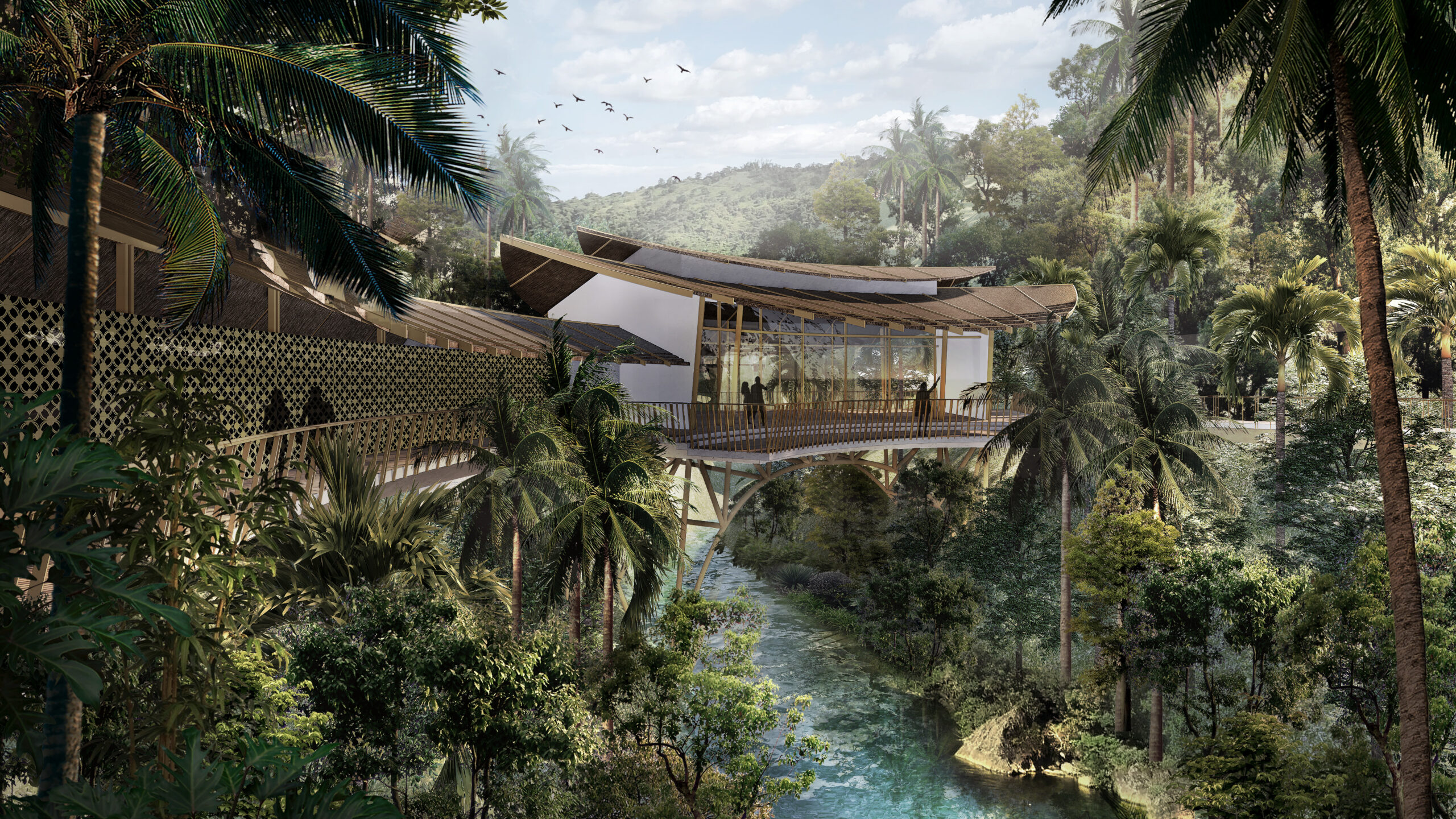
Hann Lux Lifestyle Resort, Banyan Tree and Angsana – A regenerative approach has been deployed, with existing vegetation and plant stock used throughout to reduce impact and preserve the landscape, enhancing the site’s biodiversity and migratory bird habitats.
From Volcanic Crater to Migratory Bird Corridor: Banyan Tree at Hann Lux
The site at New Clark City sits on land shaped by a historic volcanic eruption, a landscape of steep ridges, craters, natural dams, and forest dominated by pioneering post-eruption species, with smaller fruit orchards scattered across the lower slopes. The ecological character of the site was unusual and fragile, and the design team treated it as an asset rather than a constraint.
A regenerative approach directed the landscape strategy: existing vegetation and plant stock were retained and redistributed throughout the project wherever possible, minimizing the introduction of non-native material and reducing the disruption to existing soil ecology. The design also identified and protected key migratory bird habitats within the site boundary, integrating them into the circulation network so guests move through, rather than past, the most ecologically active zones.
The walkway structure itself responds to the topography rather than cutting across it, threading between ridges and through the forest canopy in a way that keeps the ground plane largely intact.
“The post-eruption landscape already had its own logic… our job was to read that succession carefully and design with it, not over it… giving the place a sense of maturity you can’t fast-track. ”
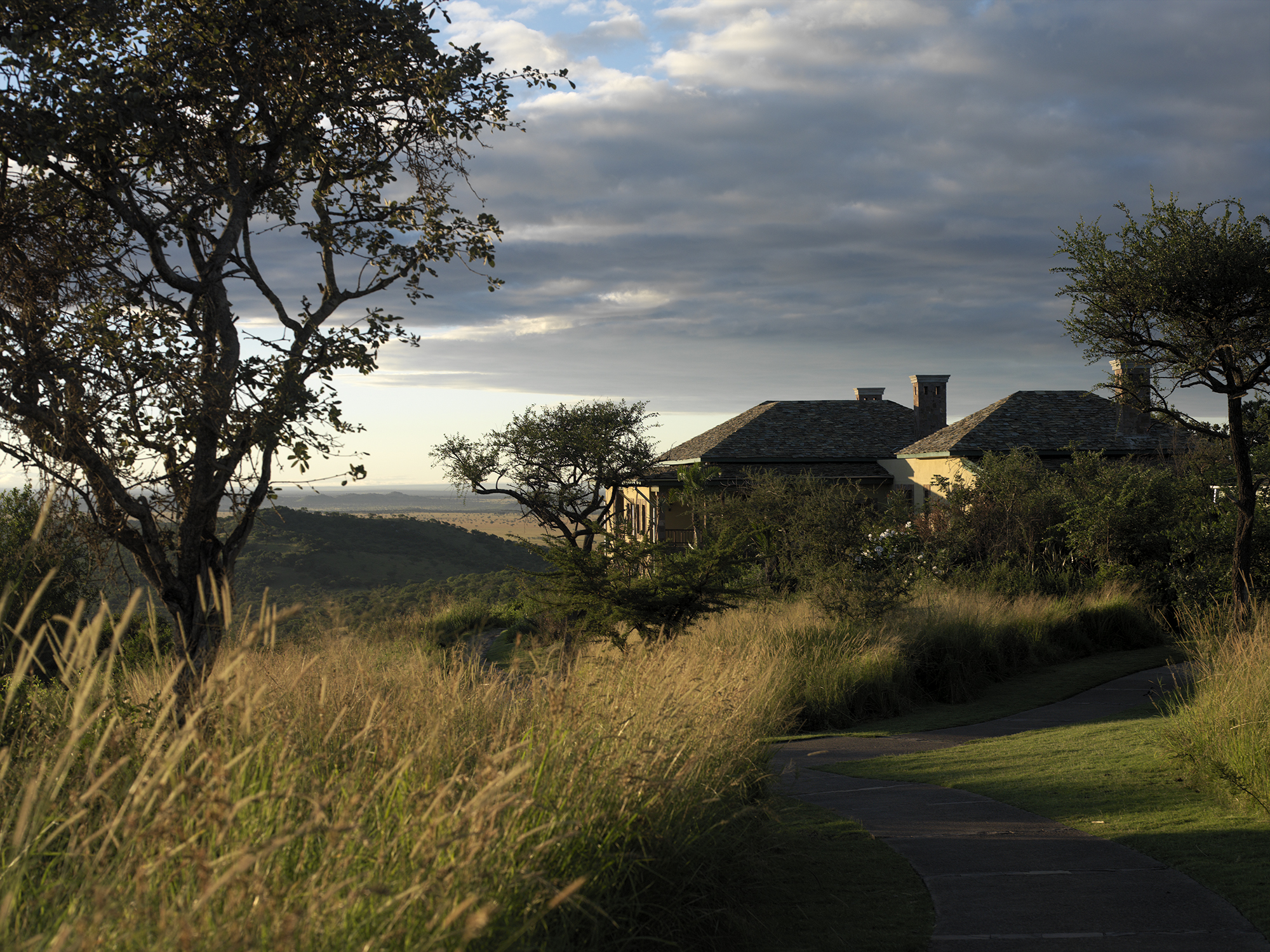
Ecological Restoration as the Foundation of Guest Experience: Singita Sasakwa Lodge
At Singita Sasakwa Lodge in Tanzania, biodiversity recovery was the entire premise. The land adjacent to Serengeti National Park had been significantly degraded by hunting activity. Without ecological restoration, there would have been no viable basis for a lodge: no wildlife, no landscape character, no experiential draw.
The design process began with habitat restoration, reintroducing native grass species to the plains surrounding the lodge, managing water sources to support wildlife movement, and creating conditions for the return of the animal populations that define the Serengeti’s identity. The architecture and landscape were then organized to work with those movement patterns, positioning guest spaces to maximize sightlines across active wildlife corridors.
Without healthy ecosystems, there would be no wildlife, no sense of place, and no reason for guests to be there.
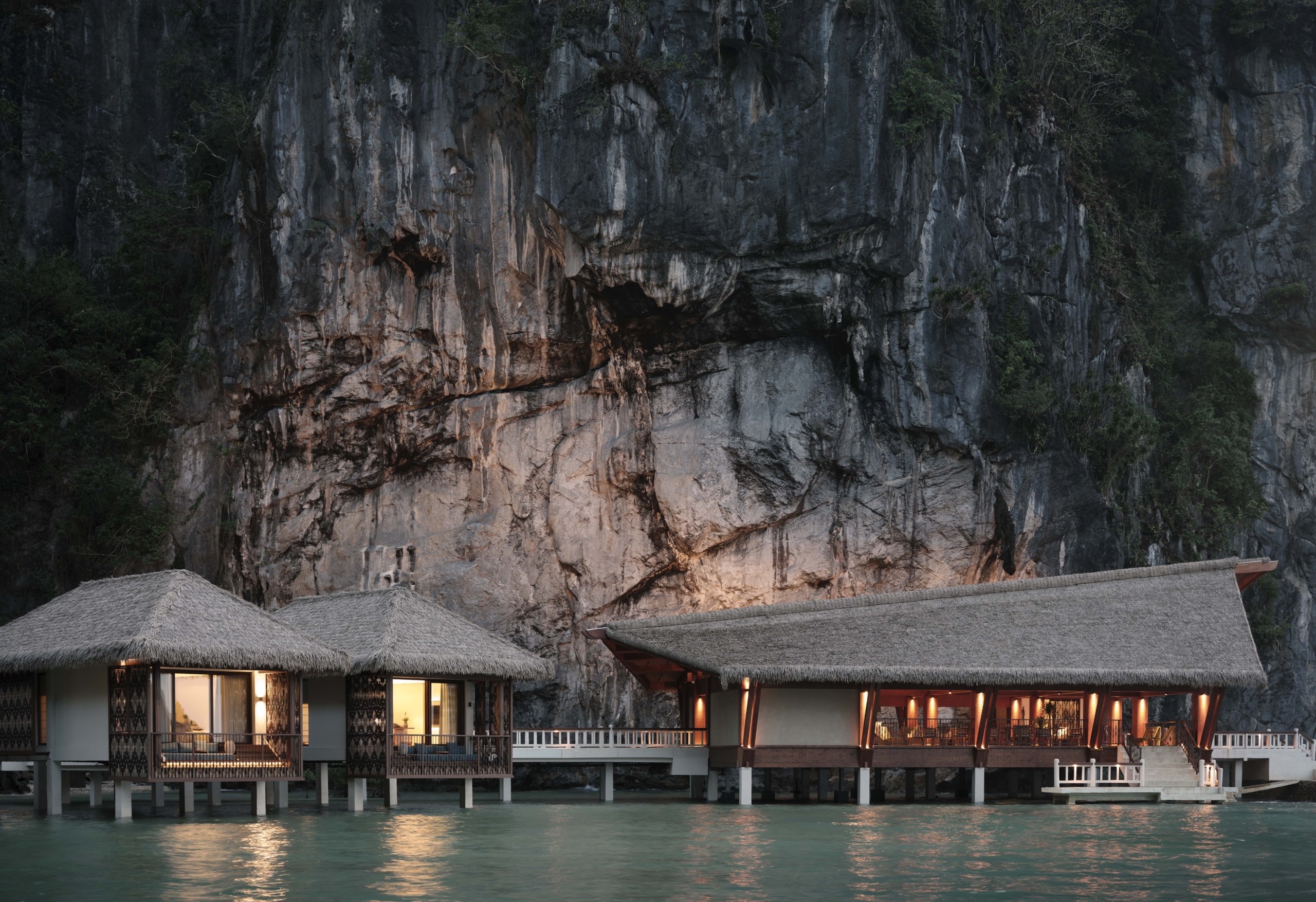
Measuring Success Through the Ecosystem Itself: Lagen El Nido
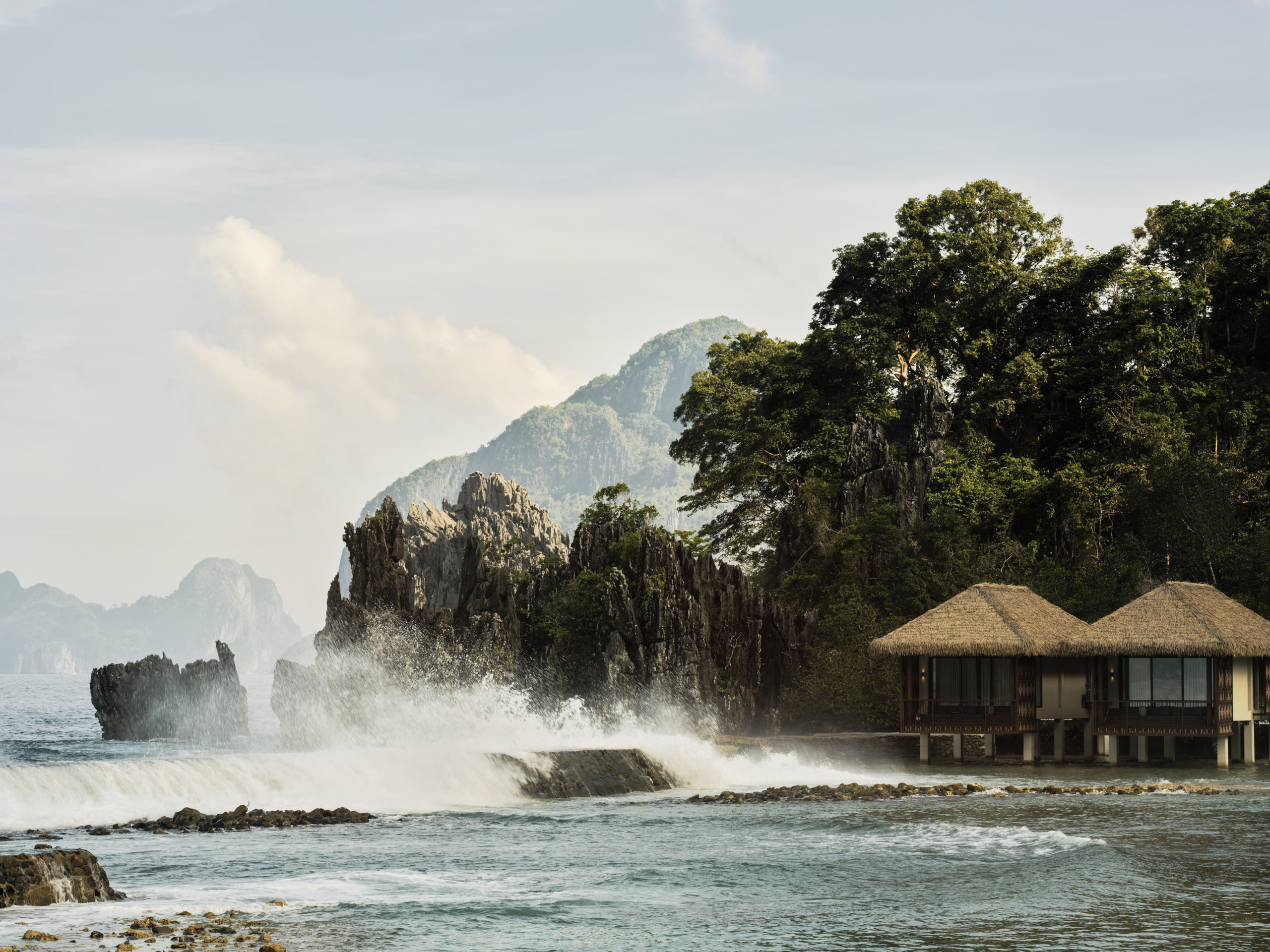
Lagen El Nido in Palawan holds a position unique in the region: a resort set within an active eco sanctuary, surrounded by majestic limestone cliffs, turquoise waters, and one of Southeast Asia’s most biodiverse tropical rainforests. The renovation brief was to reaffirm that identity, to ensure that the changes strengthened rather than diluted what made the place exceptional.
WATG Advisory’s landscape strategy centered on bringing rehabilitated greenery closer to the forest suites, extending the ecological canopy into the guest experience rather than containing it at the site perimeter. Forested zones were treated as primary program elements, with circulation and gathering spaces designed to activate them rather than pass by.
The clearest measure of whether the approach worked came from the client: “We’re now reporting more sightings than ever. And for us, that is one of the clearest indicators that we’re doing something right.” – Paloma Urquijo Zobel de Ayala, Creative Director, Ayala Land Hospitality discusses increased sightings of the Palawan hornbills.
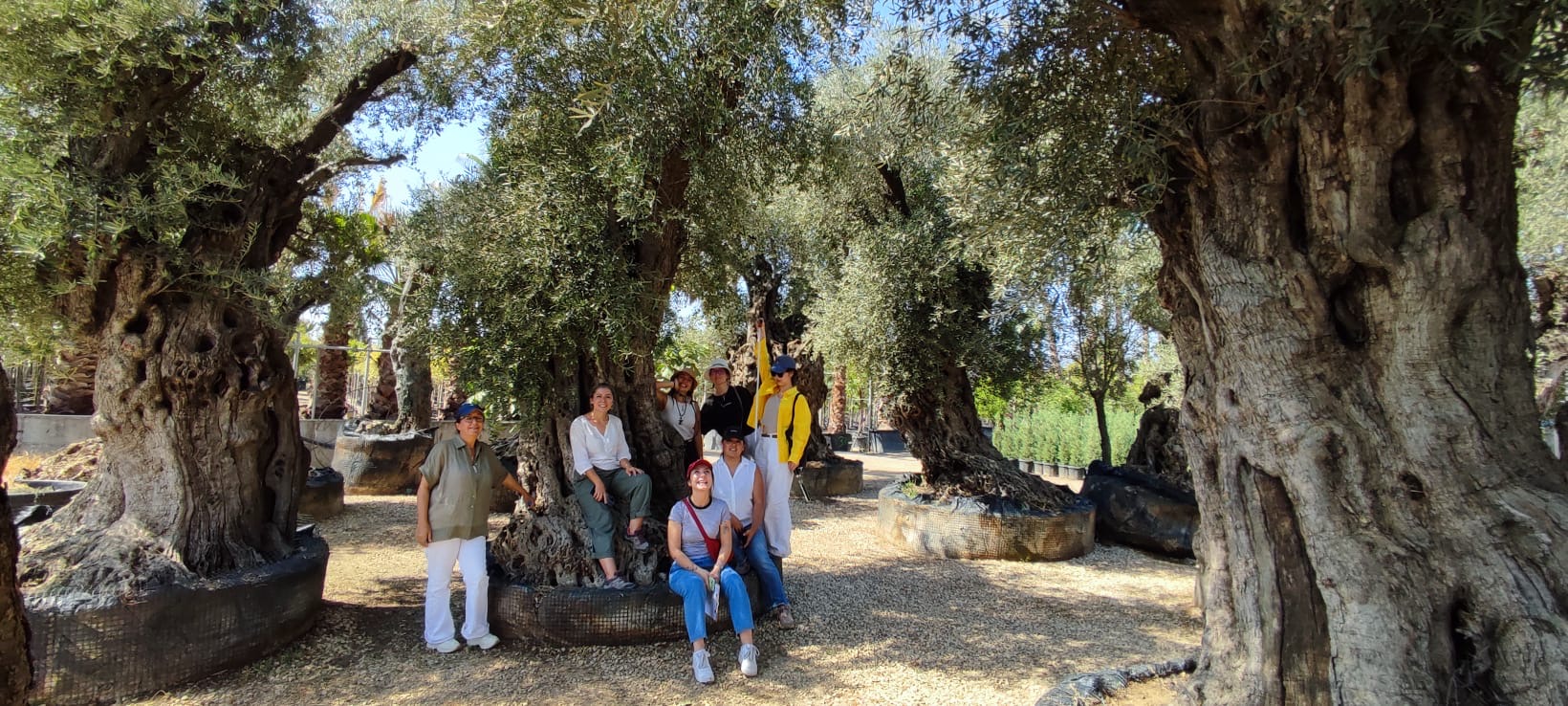
Designing with Nature – Studying the region’s unique flora, and gaining first-hand insight into the character and resilience of the native landscape.
The Business Case for Biological Richness
A resort that depletes the ecological character of its site loses the very thing that differentiated it. Conversely, a destination that actively increases biodiversity, through habitat mapping, regenerative planting, and long-term monitoring, builds an asset that compounds in value over time. The Palawan hornbill returning in greater numbers is evidence that the landscape is working, and that guests will keep coming back to witness it.
Richer natural environments produce better physiological and psychological outcomes for the people in them. The design challenge is to understand what ecological richness means on each specific site, and to make it legible, accessible, and genuinely part of the guest experience from the moment they arrive.
“The question we ask on every project is: what does this landscape do for the person standing in it? Not just visually — physiologically, emotionally. When you start designing from that position, biodiversity stops being a constraint and becomes one of the most powerful tools you have.” – Lance Walker, Principal, Landscape Architecture
Explore WATG's Landscape Architecture service to see these approaches in practice
Latest Insights
Perspectives, trends, news.
- Strategy + Research
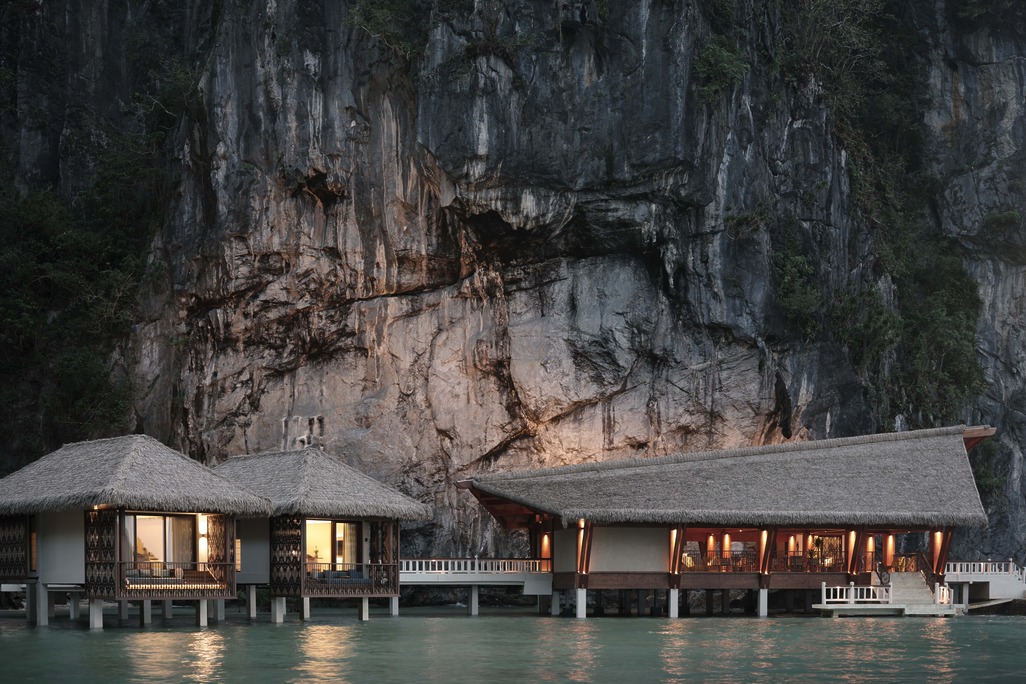
Phu Quoc at a Turning Point: Lessons for Long-Term Island Planning
- Design + Innovation
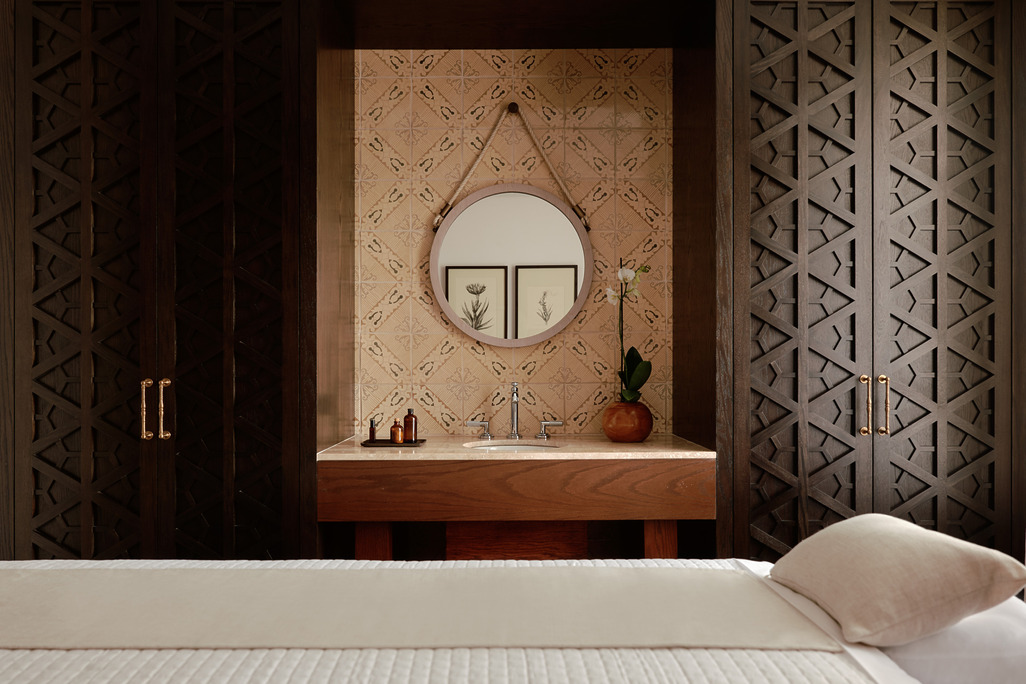
Lagen Island Resort, El Nido: A Shared Legacy of Responsible Luxury
- News
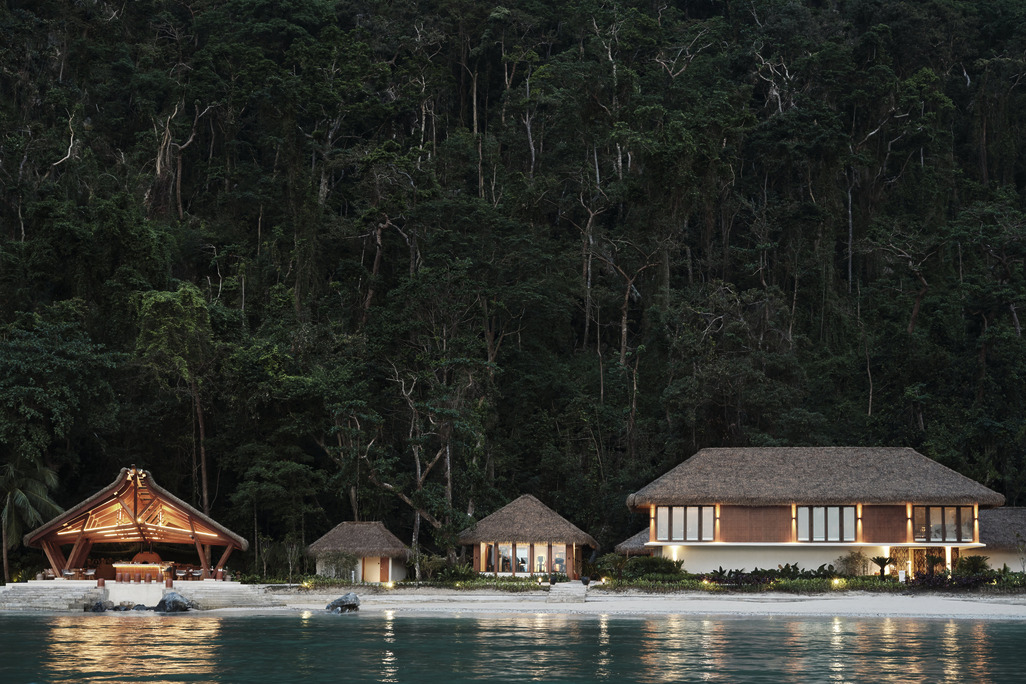
WATG and Wimberly Interiors in the Global Press: August 2026
- Design + Innovation