In Conversation: Sean Harry & Dan Hinch: The Intersection of Digital Practice & Landscape Architecture.
With contributions by:
-
Sean Harry /
Chief Technology & Innovation Officer -
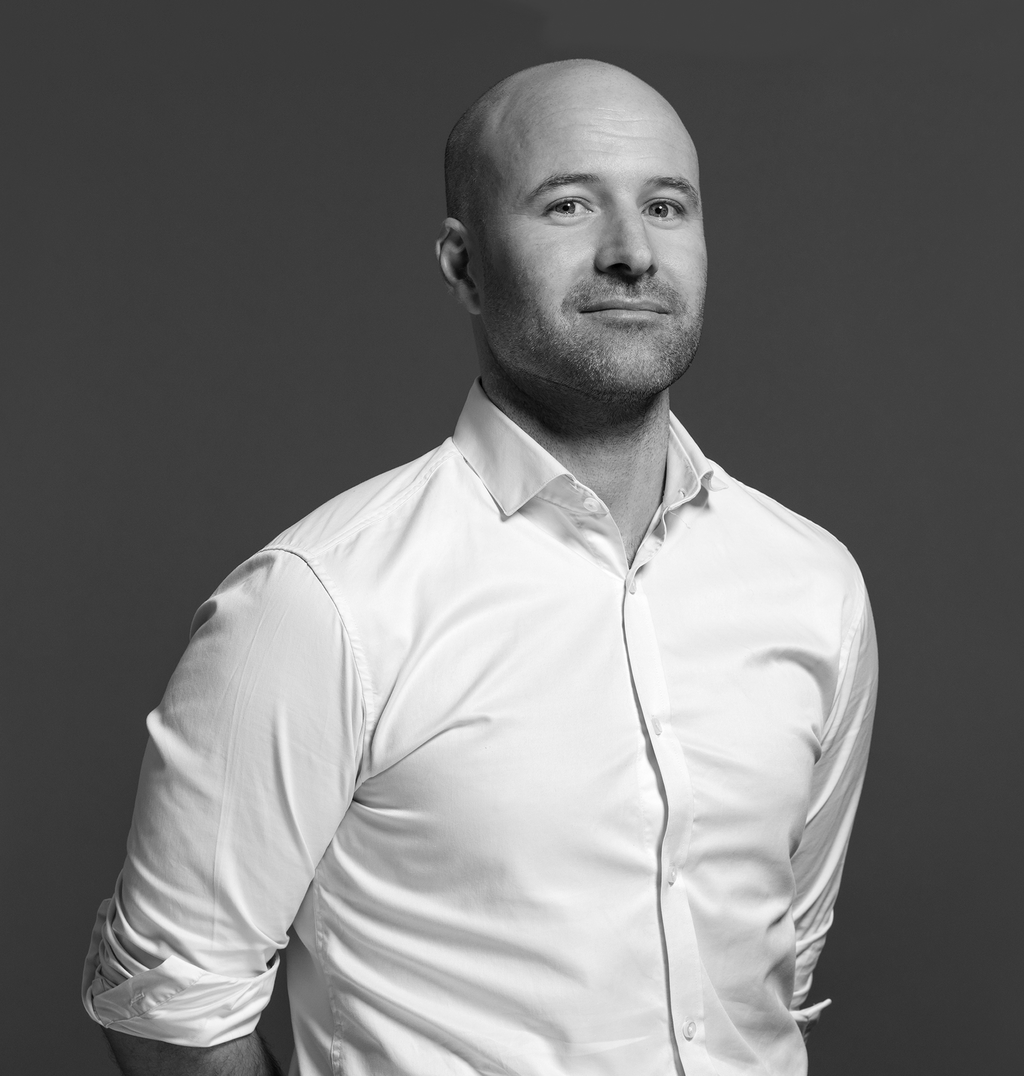
Dan Hinch /
Managing Principal, Planning + Landscape
[0:27]
Sean Harry, Managing Principal, Digital Design — WATG
For me, I started here in 2006. Young designer, very, uh, excited about hospitality and hotels and, and that’s really what brought me to the company. Yeah. Uh, and I’ve been here sort of ever since. And now moving into the technology realm, was always interested in using the most advanced technology on projects and now overseeing firm-wide technology, uh, looking to see how we can embrace this in all of our disciplines.
[0:54]
Dan Hinch, Managing Principal, Planning + Landscape — WATG
So, I joined the firm 10 years ago. This is my 10th anniversary. Uh, and rose up through the ranks. I just love design in general, uh, planning and landscape, which is, you know, two hats you’ve gotta take one off and one on. It’s been a journey from coming in as an associate and then rising up to now a very senior position. So, managing director of a planning and landscape team. A lot of responsibility, not only for the team itself, but for the projects that we’re doing.
[1:23]
Sean Harry, Managing Principal, Digital Design — WATG
The advent of artificial intelligence, um, is such a hot topic right now. It’s everywhere. Right. And accelerating, you know, coming into our workplace even faster than we could have. We could imagine. Do you find that your team is ready to embrace various layers of artificial intelligence in their workflows, in their technology? Some feel, I think tentative and, you know, yeah. Apprehensive about it, but some are ready to adopt immediately.
[1:51]
Dan Hinch, Managing Principal, Planning + Landscape — WATG
And I think as a purest landscape architect, you know, there’s still something to be said about the site and everything else, but, you know, our, our clients are sending us RFPs now with AI generated images, and they’re saying, what about this? Yeah. And that’s never happened before. Never have we had such steering towards a concept. Um, and I think it’s easier almost for them to focus in on the architecture and forget about the landscape and the planning and things. But we will see that change over time as they become more savvy with these tools.
Um, the, the team, especially the sort of, I’m not gonna say younger generation, because it doesn’t actually matter your age, it’s your enthusiasm for it. Um, they, they love it. They love the fact that rather than relying on a Google search engine to find an image or a present image that doesn’t exist, they can come up with the, the vision in their mind and create the image that supports that. Yeah. That, that is the time saved. Just in that little piece of work is phenomenal.
[2:54]
Sean Harry, Managing Principal, Digital Design — WATG
And it frees up the designer to be able to look at another component of the design that we normally wouldn’t have had the opportunity to study. Yeah. Uh, in an exhaustive, you know, sort of way. I’m curious to know some of the things that, and I don’t know if your team has looked at discussing these yet, or if it’s happening at the water cooler, but some of those new opportunities that you could see opening up in the future of design, saying that, you know, the future is now sort of thing. We want to be able to harness the intelligence of our data and use artificial intelligence to mine that and categorize that, uh, to be able to produce these results and outcomes. What do you see potentially as becoming a new area of, uh, design that we may not be doing today in, in planning and landscape? Another, a new focus, you know, coming from our clients, coming from the environment.
[3:46]
Dan Hinch, Managing Principal, Planning + Landscape — WATG
And I think coming from the guests that stay in our projects, the, the sort of demand that suddenly these resorts have green credentials, it’s a real thing. They’re now using booking.com or Expedia to search not only the cheapest rates, but what are the green credentials behind this hotel? What are they doing to make a difference, either locally for the community or what have they done in terms of sustainability and their, like built practice and things like that.
We, we can no longer sort of fall on the 78 years of history and just keep designing what we’ve always designed because the, the sort of the guest of today is so much more savvy and aware, we are finding more and more that not only is it just planning or resort planning, it’s uh, conservation planning. What are we doing to the land to enhance it for either the biodiversity that’s there, the flora and fauna, or what’s the impact, you know, we are going in and changing that landscape, so how do we leave it better? And we have to take sort of the information from the projects to really understand that.
[4:54]
Sean Harry, Managing Principal, Digital Design — WATG
Yeah. It’s interesting because I’ve heard a lot of our colleagues in planning and landscape talk about rewilding certain areas and, and making areas better, like you say, even blighted areas, pieces of land to regenerate ecosystems in certain areas. And I wonder if the data that we can start to gather from our projects in these different regions around the world, we’ll be able to utilize, maybe artificial intelligence will be able to help us understand through predictive analytics. You know, in ways that if we do this to this piece of land, it could regenerate within the next 50 years or even a hundred years. Uh, and provide new opportunity for these ecosystems.
I was recently watching a, a documentary, I love watching documentaries. Um, and I was recently watching one, it’s about all these scientists, um, back in the, in the 20th century who were going through and they were removing, uh, pieces or specific species from populations to understand what they would do specifically, like a starfish being removed from a tide pool and what that would do to the tide pool. Uh, or removing a sea otter from a kelp forest, you know, in the Alaskan ocean somewhere. It was super, super cool. Right. It’s good, but I love it. And so, you know, some of these things, uh, watching this, it was like if you remove that one species from that environment, it completely wrecks the entire ecosystem. How much of that conversation comes up in, in what you do? Uh, when you’re looking at these different projects where we work, you know, on, on the cutting edge.
[6:29]
Dan Hinch, Managing Principal, Planning + Landscape — WATG
Worked on a project down in Mauritius, and Mauritius is almost completely sugarcane, so monoculture the whole island. I think they need to import 70 something percent of their goods. So to survive, the island is unsustainable as it stands. So, what we were doing with the client was removing the traveler palm, which is, uh, invasive, non-endemic. And essentially it just crowds out everything that is local. And by removing it, you allow everything to return. And so rather than designing, you know, traditional golf courses and things like that, which we used to sort of do, we said, why don’t we just try and bring back that natural habitat, the, the, the habitat that was there, and try and see if we can leverage that to increase the value of residential around this sort of natural parkland. Um, that client has gone on to undersee that project. They’ve got planning permission for it, and they’re now selling residential off that plan.
I think interestingly, when you start pointing out all those different places in the world, our role is changing. We are becoming educators. Rather than just a design. And hold so much information. And they’re coming to us not only for our skillset and architecture landscape and planning, interior design, but also to help really advise where are we seeing best practice? How do we stay ahead? Can we bring technology into this from other parts of the world? I think we’re becoming more relied on to do those things as well. How do we leverage that? Another good question. Maybe we need to enhance and actually on sell. The skillset. It’s, it’s hugely important.
[8:18]
Sean Harry, Managing Principal, Digital Design — WATG
It’s absolutely, one of the things we’ve talked about at, uh, at the board level, at the executive level with all the senior leaders when we, when we join our summits together, is what are the new opportunities out there for us? I mean, selfishly, to create new revenue streams for our organization, of course. When we look at these things, but really it’s more about what can we do for our clients? How can we better their situation? And in turn, as you mentioned previously, how do we better the planet for future generations beyond our lifetimes? That is something that really concerns us when we’re thinking about digital practice and the decisions that we’re making, making to be able to understand that even longer term goal. We’ve got the short-term goals in one year, two year, three years, but really what’s our long-term vision, that we’re working toward? And how does that align to the overall vision and the beliefs, uh, of our organization and how we move forward.
[09:12]
Dan Hinch, Managing Principal, Planning + Landscape — WATG
It will depend on how brave the company wants to be. Do we wanna open up all of our history and sort of give it away, you know. We’ve done this for so long, we are very good at what we do. So, we can improve every other hospitality project out there by releasing that information. And giving, you know…
[9:36]
Sean Harry, Managing Principal, Digital Design — WATG
Open source. You know, that’s a great way of looking at it. There are many conversations that we’ve talked about with the data that we capture on these projects as potentially being able to release it as open source, uh, information, which I love the idea of that because better for us, better for the planet, better for everyone. In those moments and we’ll absolutely be looking for opportunities on the digital practice side for that, and being brave, you know, it, it’s interesting being here for so long and understanding the history of the company 1945 and, the founders, uh, having the opportunity to work alongside a couple of those guys before they passed away, really understanding how far out there they were as pioneers in these areas and sharing experiences and sharing knowledge and information. It is something that I think is passed along. Um, and braveness, I love that because super brave, right? It takes a lot of bravery to be some of the first people out there.
We’ve been speaking with some of our consultants that are here this week with us, uh, Volcker Buscher and Nathan Miller from the Proving Ground. And one of the things that we were discussing with Volcker was that specific bravery, you know, to be able to understand and be on that edge, you know, understand yourself to be on that bleeding edge, but not too far out there. And so for us, which is great, we have a board of directors, a CEO, and an executive committee that are willing to take these additional steps and say, we do need to focus on this. This is something that’s important to our organization. And, um, yeah. I’m interested to see where it goes. It’s gonna take all of us in the organization though, I think, but I love that we also, you know, we’re cognizant of our limits almost. Yeah. And there’s people out there who will help push us.
[11:29]
Dan Hinch, Managing Principal, Planning + Landscape — WATG
And they may be in a different sector or whatever it is, but I think with the maturity that the company has, we’re not afraid to reach out to them as well. Pull in expertise from around the world. To make sure that we are sort of pushing, uh, and improving everything.
[11:45]
Sean Harry, Managing Principal, Digital Design — WATG
Is there anything that you think we could focus on that we might be able to do better at this time that we’re not doing right now? Maybe that we’re not focused on?
[11:55]
Dan Hinch, Managing Principal, Planning + Landscape — WATG
I think the big thing that has enhanced, especially the way that we have been doing work, is this real drive on conservation. We’ve managed to get the IUCN and UNESCO, so we’ve worked alongside them on certain projects and been accredited. So, you know, we’re slowly taking the importance of that to the next level and sort of getting the renowned for these projects, which are not just amazing hospitality projects, but real things that are gonna make a dramatic difference to the world.
[12:37]
Sean Harry, Managing Principal, Digital Design — WATG
Yeah. That’s a good point. It’s something that I think we take seriously on the digital practice side as well, and we’ll be looking forward to those opportunities to be able to see how we can enhance and integrate that, you know, into all areas of practice, I think. Yeah. It’s a great point.
[12:52]
Dan Hinch, Managing Principal, Planning + Landscape — WATG
Sean, maybe I can ask you a question, And just turn this around slightly because you’re new to this role and the seriousness that WATG is taking this role and what you are doing. And you are sort of global outreach in regards to it. What’s sort of inspired you? Who have you seen where’s the passion for this coming from?
[13:11]
Sean Harry, Managing Principal, Digital Design — WATG
Well, that’s a really good question, I mean, so for me personally, fortunately now, I’ve been able to serve on our board of directors. This is my third year in a three-year term. And there were three pillars that, that I ran on in sort of my stump speech that we had. One of those was technology. The other one was business intelligence. The last one was mentorship. And, for me, the reason why I’m moving into this, this role now and why I moved into this role last year really is because of those three items, the first item being technology. I felt like I needed to follow through on what I had promised to people and what I was saying, you know, in the board, uh, sort of shareholders meetings and things like that, bringing up these ideas of technology and business intelligence and mentorship, and the business intelligence component obviously connects really, really well to the technology side. And so it’s something that I was very passionate about. I saw these opportunities for us as an organization on the business operation side, but also the design and delivery side and production.
And it’s really important because, and I think back actually to, to the senior leaders that I worked under here, there’s no way in my career that I would be where I am now, right. Here without great mentors. And Brad McNamee was one of those that I had worked with for many, many years here, a fantastic mentor and really open to new ideas and pushing the envelope and challenging me and teaching me and training me and showing me the world. And so, the mentorship that I’ve received is something now I feel at this stage in my career that I’m ready to give back. I wanna provide those opportunities for people to thrive in their, in their new careers. You know, for the young people that we’re hiring, that are coming into the profession with all these new sort of technologies and so much more than what we had. Well, that, you know, when we were growing up.
[15:20]
Dan Hinch, Managing Principal, Planning + Landscape — WATG
And that’s what I sort of was wondering about, because they are so savvy technology wise, you know, they, they are ahead of the game. And how do we as a firm sort of celebrate that, bring them in and, and grow them?
[15:36]
Sean Harry, Managing Principal, Digital Design — WATG
I think one of the things that, and we’re doing this data initiative is that, we’re not leaving any stone unturned. And, and by the way, I mean that as that we’re bringing in the interns that we have who are still teenagers, some of ’em in university, and we’re bringing them into the conversation. And then we’re bringing our senior principals into the conversation who have been here for, for decades, 30 years, have 30, 40 years of experience in the industry. And I think that openness and that exchange of information and knowledge, that mentorship is super important. And I do recall, that someone had reminded me about this was the notion of not just down mentoring, mentoring younger people, but now for us, there’s a lot of up mentoring. That needs to occur specifically with all these skill sets that are coming in and embracing those skill sets, allowing them the opportunities to flourish in these environments and us learning from them. That’s a huge component now.
[16:38]
Dan Hinch, Managing Principal, Planning + Landscape — WATG
I think one of the things that, you know, will connect all of the dots there is when we go back to clients faster with a better response. ’cause it’s been generated with the team. I can see this cyclical loop of how this is all gonna work, and it’s super exciting.
[16:58]
Sean Harry, Managing Principal, Digital Design — WATG
It’s pretty exciting and interesting to see because with an open mind and an open heart, you know, understanding that I do have a lot of experience and a lot of knowledge, but that knowledge is also, it’s temporary in a way, you know? You gravitate towards different things over time and you receive different knowledge in different ways. And this is just another component of that, with the younger generation coming up. And my hope is that they’re gonna push us even more into the conservation. Efforts into the environmental design and the sustainability and leveraging data and, and technology to be able to do that. Now it’s time to try and give back and motivate and accelerate.
[17:44]
Dan Hinch, Managing Principal, Planning + Landscape — WATG
I feel like never before are we at this sort of turning point, right? It’s super interesting. It’s different. It feels different now. It feels different.
[17:51]
Sean Harry, Managing Principal, Digital Design — WATG
It definitely feels different. I mean, it’s almost like, you know, maybe in the late nineties, early two thousands when we had a pretty big transition, you know, I think you and I are probably around the same age and used to draw everything by hand and ink on Mylar, you know, before we used CAD in those areas. And so that was a pretty big transition in the office. And this feels, you know, even with the advent of building information, modeling, BIM, Revit, those sorts of tools, this with data and artificial intelligence feels very, very different. It feels very much more like a positive disruption. Like we had, you know, looking back on it now, positive disruption from moving from ink on Mylar, you know, into AutoCAD.
We’ve heard a lot this week in some of the things that we’ve been presenting on our, our artificial intelligence platforms, for image creation. And that’s the thing that everyone gets hooked on. Like, come on, image creation. And one of the things that we presented was on stable diffusion, and I love the names of some of these things, right. Stable diffusion being a base algorithm, right. That you can use for image generation and creation. And then you need to bring in a platform called ComfyUI. It’s like comfy. So, we just refer to it as comfy and it’s artificial intelligence. And that actually Max Bolton, here, who’s a computational designer in the London office, showed us how he started using his hand, sketching his digital pen, you know, his using his tablet, to be able to sketch a building design in there, and then showing real time how stable diffusion AI was generating a full composition of a building. And then when he would add another line, you know, another stroke with the pen that, that human touch that he was adding in there, it’s a super interesting interface now than rather just having a computer generated. There’s this interface between the human and the artificial intelligence using the hand to draw and interpreting that.
[19:58]
Dan Hinch, Managing Principal, Planning + Landscape — WATG
Think how quickly he’s getting to a potential answer, and you very quickly know that you can throw that answer out. You can show it to a client, and they can understand it because it’s a real image and they can say, no, that’s the wrong direction, try something else. And you haven’t wasted weeks of design time and effort and president hunting and research. You’ve just explored something through the hand sketch on the Wacom tablet and the image, or the output is there.
[20:29]
Sean Harry, Managing Principal, Digital Design — WATG
And someday we might be able to do that real time in front of the client. It might be one of those things where we go to a design charette or we’re ready to give a presentation, imagine that. And we can sit there and we can sketch and make changes and refinements right in front of the client real time, you know, harnessing the power of that, I think is interesting.
During that same presentation, a couple people from the audience had spoken up and said, you know, it scares me. You know, AI definitely scares me in some ways, you know, is it gonna take our jobs in these areas? For us, from a digital practice standpoint, we’re focused on the positives of this. And for us, we’re saying, you know, it may cut down some time in some areas and may cut out some of the mundane tasks that we do, but we’re gonna be able to add in other components.
[21:21]
Dan Hinch, Managing Principal, Planning + Landscape — WATG
Creating more space and more time only means we’re gonna get a better product out at the end. I think what’s interesting is 10 years ago we didn’t have that space and time. You can see the release of pressure now because of AI.
[21:37]
Sean Harry, Managing Principal, Digital Design — WATG
For me, I started thinking about a lot to us, what does it mean to be human and what we do as designers and the experiences and the places we design. Because so much of what we do is about the human touch and the experience of design. I wonder these overlays of artificial intelligence, we’re talking about wearable technology and AR, VR, mixed reality, those sorts of things with artificial intelligence related to the human touch of things and the way we design. We talked about specifically the design. You can draw it using AI. What about the experience when, when someone’s out on site, do you think that artificial intelligence may be able to enhance experience throughout a guest stay or a guest journey to a destination?
[22:28]
Dan Hinch, Managing Principal, Planning + Landscape — WATG
Two amazing potentials there. I think one is when we first go to site, and you have this sort of virgin landscape. We can show clients the potential of the project without building anything. So, you can start to explore composition, massing and design in real time onsite looking through, an iPad or a similar, I think in terms of a guest when it’s built. Yes, ultimately, yes. Because it’s changing and evolving so quickly, the technology and things, I don’t think there’s any limits to it. I think just in the same way that people are sometimes asking for a digital detox, they will want a full immersion.
[23:17]
Sean Harry, Managing Principal, Digital Design — WATG
I’m a huge science fiction fan. You’re finding out a lot about it. But the notion of these, these hollow decks where you can just walk into a room and fully immerse yourself and like force bathing or something like that. You know, I love the, the idea of artificial intelligence, being able to enhance the, maybe the notion of sight or sounds or smell, you know, when you’re on a site, you’re walking through the landscapes in a resort or something like that, maybe AI can enhance the, the smell of the floral smells or something like that that’s coming outta the landscapes.
[23:56]
Dan Hinch, Managing Principal, Planning + Landscape — WATG
And I think if we can use it in a way that also makes people want to go and explore. Sort of, you know, the pioneering nature of the company to start with, it was all about sort of seeing the world and embracing and being a part of that world. So, if we can keep relating that and making sure that our projects are explored all the better.
[24:20]
Sean Harry, Managing Principal, Digital Design — WATG
I mean, after all, that’s one of the things that humans will forever do. Is want to explore, is want to experience new and different things. At least for me, that’s personally what a lot of my life has been about. And so I think it is for you too. And that’s probably why we’re here at the same company.
Thanks a lot for the conversation. Appreciate it man.
At a glance
In Conversation: Sean Harry and Dan Hinch: The Intersection of Digital Practice and Landscape Architecture is a video interview featuring Sean Harry, Managing Principal of Digital Design, who joined WATG in 2006, and Dan Hinch, Managing Principal of Planning and Landscape at WATG’s London studio. The conversation covers how AI and computational design tools are reshaping landscape architecture and planning workflows, the importance of retaining human expertise alongside automated processes, and how data-driven approaches are being applied to biodiversity preservation and regenerative design in hospitality and master planning projects.
Sean Harry, Managing Principal, Digital Design, and Dan Hinch, Managing Principal, Planning + Landscape, discuss the fascinating intersection of digital practice and landscape architecture, offering insights into how cutting-edge design technologies are reshaping our projects and our company.
Starting his journey at WATG in 2006, Sean entered the realm of hospitality design with fervor and a vision to infuse technology into every facet of the company’s projects. His trajectory from a young designer to overseeing firm-wide technology encapsulates a story of growth, innovation, and a relentless pursuit of excellence.
Dan celebrates a decade with WATG, rising through the ranks to manage the Planning and Landscape team at our London studio. His dual expertise in planning and landscape architecture, combined with a deep love for design, has been instrumental in steering projects towards sustainability and environmental sensitivity.
The conversation pivots around the role of new technologies and artificial intelligence (AI) in design, navigating excitement and uncertainty, the importance of retaining the human touch, and exploring modern technology’s potential to revolutionize workflows, enhance creativity, and streamline project delivery.
Sean and Dan also reflect on responsibility towards the environment, regenerative design, and the future of our planet, highlighting initiatives aimed at preserving biodiversity by utilizing data and technology.
The conversation underscores the importance of embracing change, leveraging technology to enhance the human experience, and ensuring a sustainable legacy for generations to come.
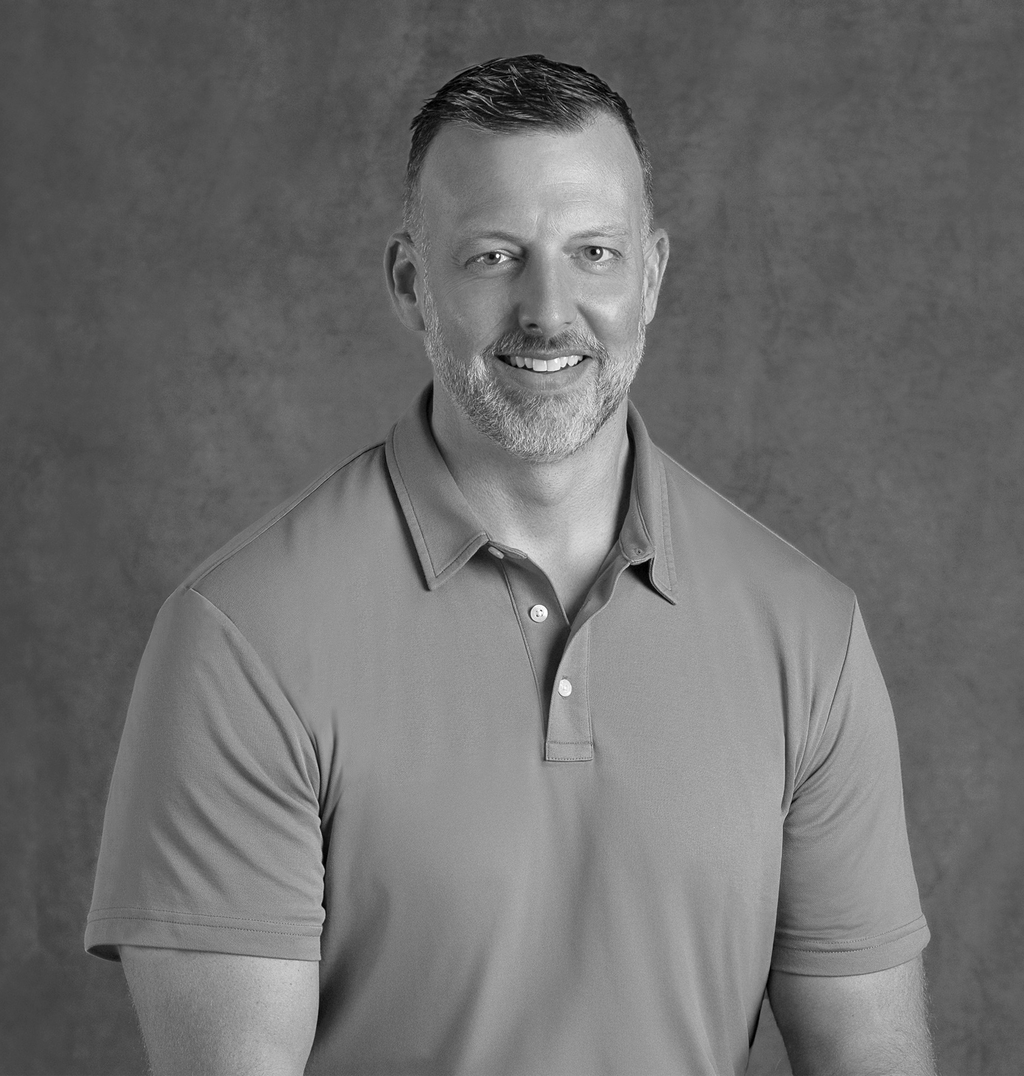
Sean Harry
Chief Technology & Innovation Officer
Latest Insights
Perspectives, trends, news.
- News
Six MICHELIN Keys for Five WATG and Wimberly Interiors Hotels

- Design + Innovation
The Future of Design Education
- Project Stories
Connecting Historic Preservation and Wellness Design
- Strategy + Research