Back-of-House Design: How Architecture Shapes Luxury Service
At a glance
Back-of-House Design: How Architecture Shapes Luxury Service examines how the planning and layout of back-of-house facilities directly influences guest experience, staff wellbeing, and operational efficiency in luxury and ultra-luxury hotels. The article covers adjacency planning, staff retention, engineering coordination, F&B service flow, and the specific challenges of renovation projects. It is authored by Nicole Hammond, Studio Director and Associate Principal at WATG’s London studio, who has specialized in hospitality architecture across the Middle East, Europe, Africa, and India since joining the firm in 1996.
The importance of small details
When it comes to designing back-of-house operations, everything revolves around adjacencies and flow. It is a complex puzzle that requires experience to solve successfully. As designers, we need to understand how hotel staff move through each space, and how operational efficiencies can be achieved.
Architects who aren’t familiar with hotel design might overlook critical details of the back-of-house: storage requirements, staff facilities, clean and dirty routes, and so on. What can seem like small decisions can have a major impact on how smoothly the whole operation runs. Even the total area needed for back-of-house facilities can take designers by surprise at the concept stage. Different brands have different requirements, and the higher the star rating, the more space is required.
As important as sizing is where each of the departments and facilities should be located. While the focus naturally goes to the public areas and guestrooms, it’s just as important to consider how we can optimise spaces behind the scenes to keep the hotel running seamlessly. Adjacencies are everything: Consider HR – this department should ideally be located close to the staff entrance, to accommodate interviews. Otherwise, you will find unfamiliar faces wandering into the heart of the hotel every day.
A complex puzzle that requires experience to solve successfully.
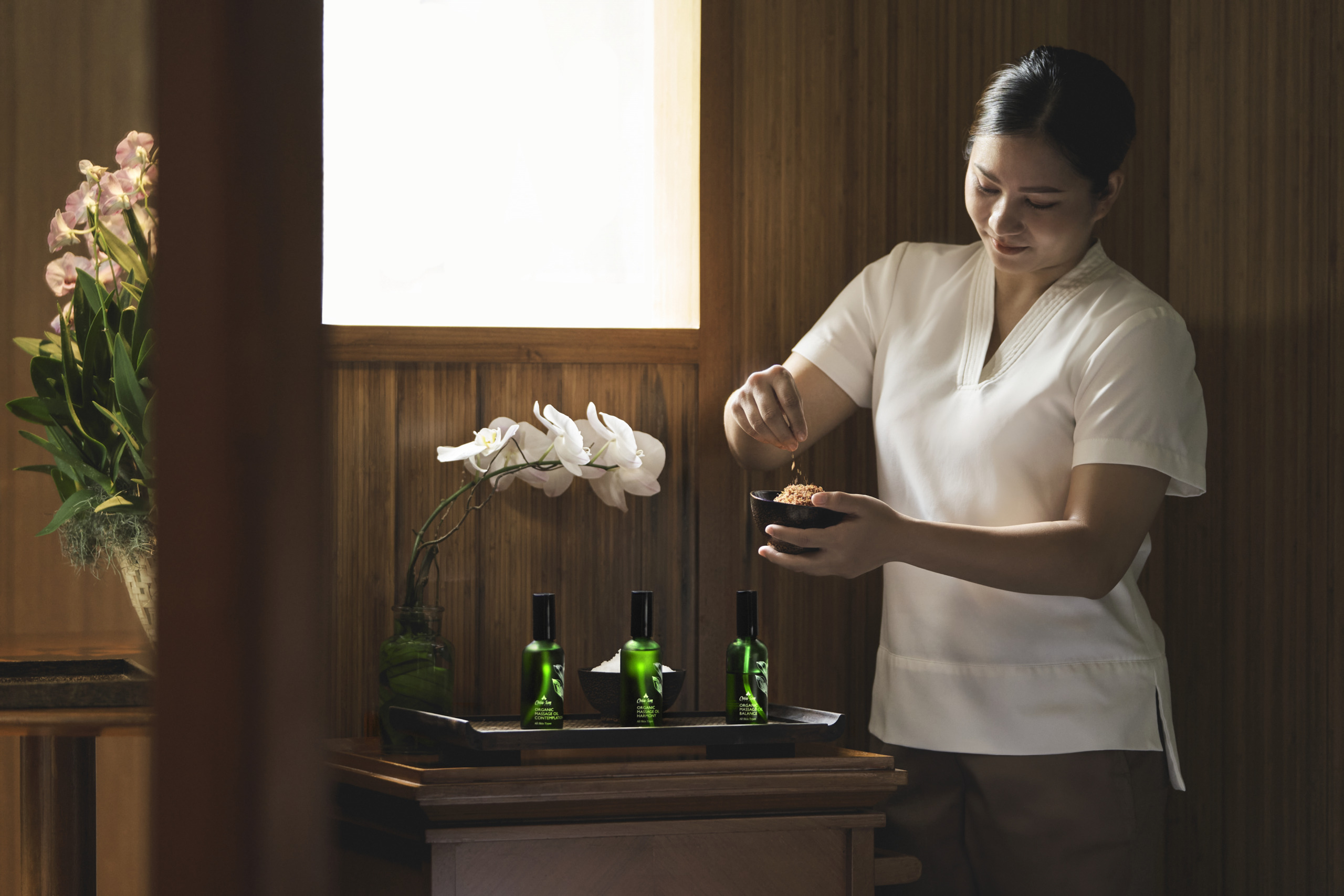
Staff retention
One of the most important reasons to invest in good back-of-house design is its strong connection to happier staff, and in turn, better staff retention. Against a backdrop of predicted shortfalls in the hospitality workforce in the coming years, this is a key priority for every operator. In luxury hotels especially, there are often more staff than guests, and their well-being really matters. A thoughtful back-of-house design creates a sense of dignity and professionalism from the moment they arrive: Provide a dedicated staff entrance with safe and easy access, consider the route they take in terms of security, uniform collection, changing, and picking up a coffee or a meal. Design the space as if you’re walking in their shoes, step-by-step, through their daily routine.
For example, the staff dining area is one of the key spaces in any hotel. Enlightened operators describe it as the most important restaurant in the hotel. And yet I have seen dining tables accommodated in a corridor, deep in a basement and away from natural light. Operators, and by extension clients, are recognising that poorly designed staff areas – or those that were not even designed in the first place – are no longer acceptable. Getting these spaces right is fundamental to a happy and stable workforce.
Good back-of-house design leads to happier staff, and in turn, better staff retention.
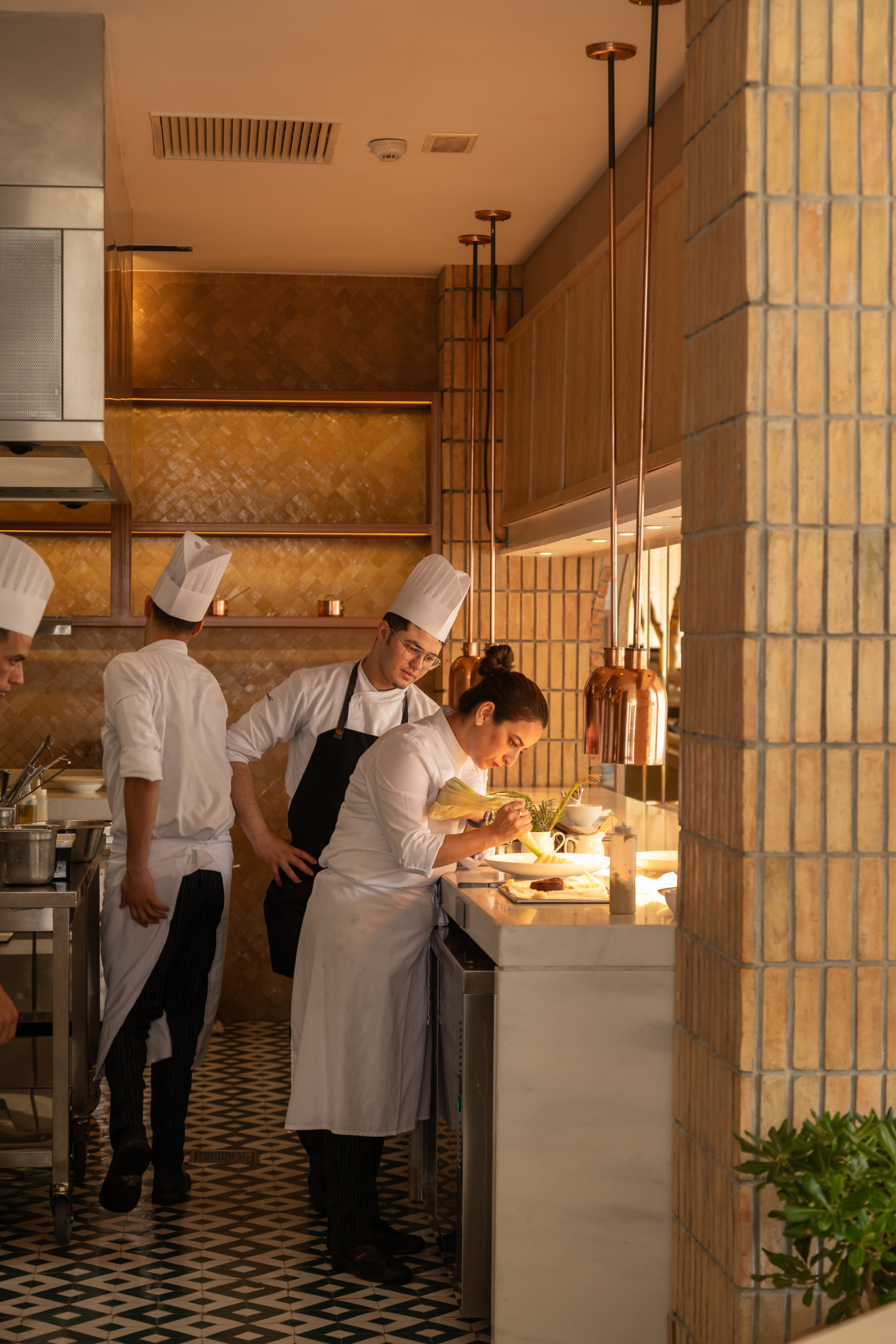
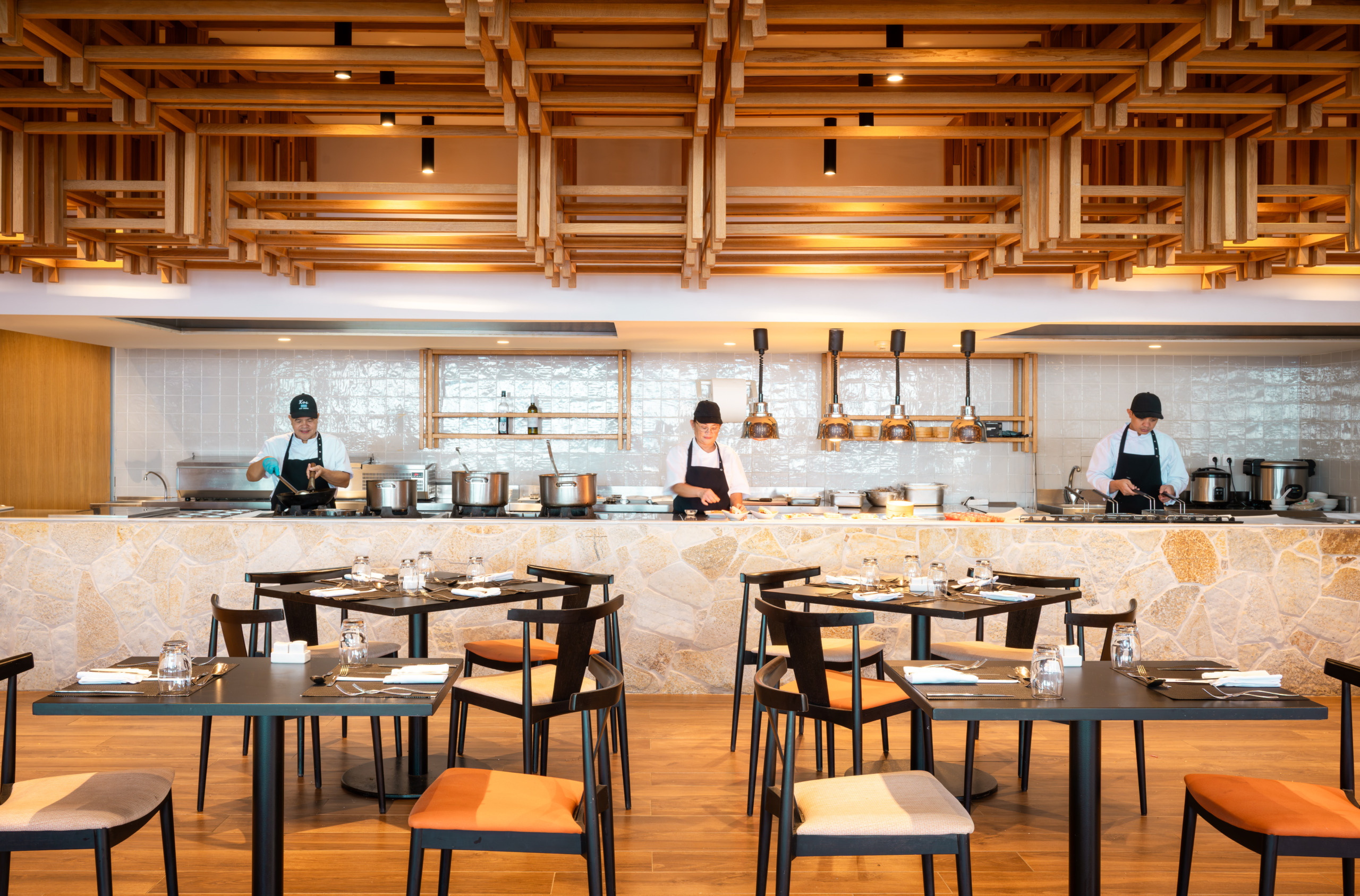
Planning and Engineering
Equally important is the engineering aspect of back-of-house design. It is always best when architects and engineers can collaborate closely to get it right. For instance, decisions about the size and placement of plant rooms are influenced by both practicality and guest experience. These spaces can be noisy or emit undesirable odours yet may need to be located where they have fresh air flow. And with drone footage becoming ubiquitous, even previously unseen rooftops may need to be redesigned or reconsidered as locations for equipment.
In more remote resort locations, logistics play an even greater role. Think about delivery routes and how far drivers may have travelled. Should there be a small rest area so they can take a break without entering the main hotel? What about VIP guests’ personal drivers? Resorts also need larger refuse storage areas, and in hot climates, these should be temperature controlled to reduce odours. By contrast, city hotels benefit from more frequent refuse collection so storage can be smaller – however increasing recycling opportunities will also have an impact on the design of refuse areas.
Something else that always must be considered is whether a site allows for both a guest route and a separate delivery route. Ideally, the two should never overlap. During the orientation and planning stages, some sites naturally lend themselves to a strong back-of-house design, while others require more creative thinking to make it work.
This isn’t solely the responsibility of the architectural and engineering teams either. Master planning and landscape design play a crucial role. Sometimes, it’s as simple as using carefully chosen and positioned planting to screen unsightly views or dampen noise.
Some sites naturally lend themselves to a strong BOH design, while others require more creative thinking.
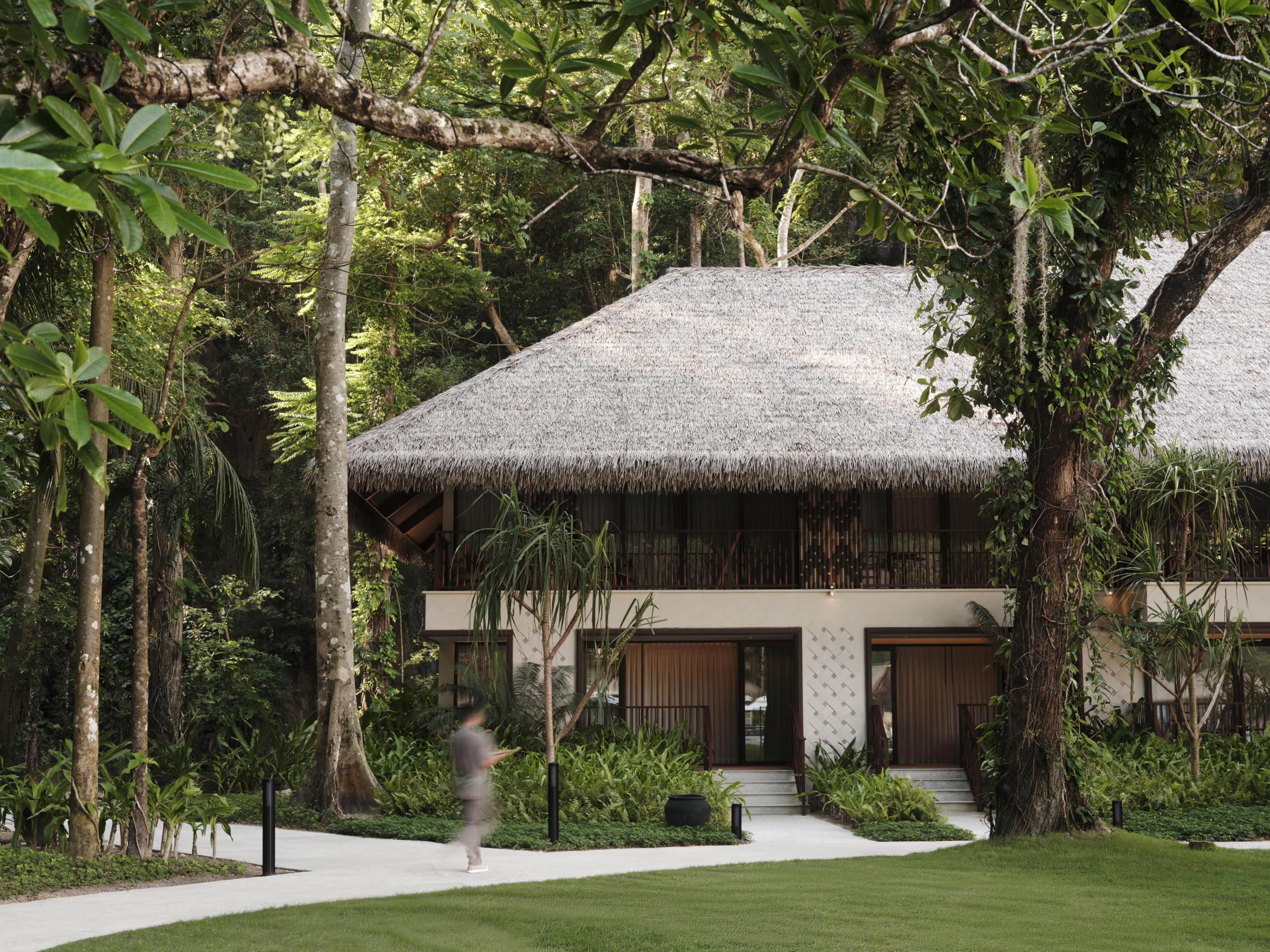
From kitchen to table
One area where good back-of-house design can really impact guest experience is F&B – including room service. Guests in luxury properties expect their meals to arrive promptly and in as good a condition as if they had ordered in a restaurant. To achieve this standard, quick and discreet movement around the property is paramount.
Food preparation efficiency extends beyond the primary kitchens. Having dedicated pantry or staging areas allows chefs to complete final preparations close to where service is delivered, ensuring food quality and presentation. In larger properties or resort settings, strategically placed satellite kitchens and support facilities are essential, as they can further enhance responsiveness and service consistency across a large area.
Even small design interventions, such as minimizing the use of ramps that could cause spills on a trolley, can make a difference. Take the direction of door swings between back-of-house and guest areas: where possible, doors should open into guest-facing spaces. Push plates take a lot of wear and tear, so this approach helps preserve the quality of guest areas and increase time between repairs and renovation.
I have seen firsthand the consequences of poor back-of-house planning, and they’re often most visible in food and beverage operations. In one hotel where I stayed, there was no dedicated staff route between the storage areas and the main restaurant, forcing staff to use a guest corridor. The result was a heavily worn, dirty carpet and a clear sign of operational inefficiency.
Quick and discreet movement around the property is paramount.
Renovation
Not all briefs are easy when it comes to back-of-house influence, and renovation projects can pose a whole unique set of challenges. Success will often depend on the operator’s flexibility and what can realistically be achieved within the constraints of space and budget.
Space requirements have evolved over time as well. Some functions can be relocated off-site, such as laundry, bakery, and reservations. Kitchens are generally smaller now. Previously important spaces like phone rooms, cash rooms, and business centres have become mostly redundant, giving us opportunities to reimagine and repurpose them efficiently.
Renovation projects can pose a whole unique set of challenges… space requirements have evolved over time.
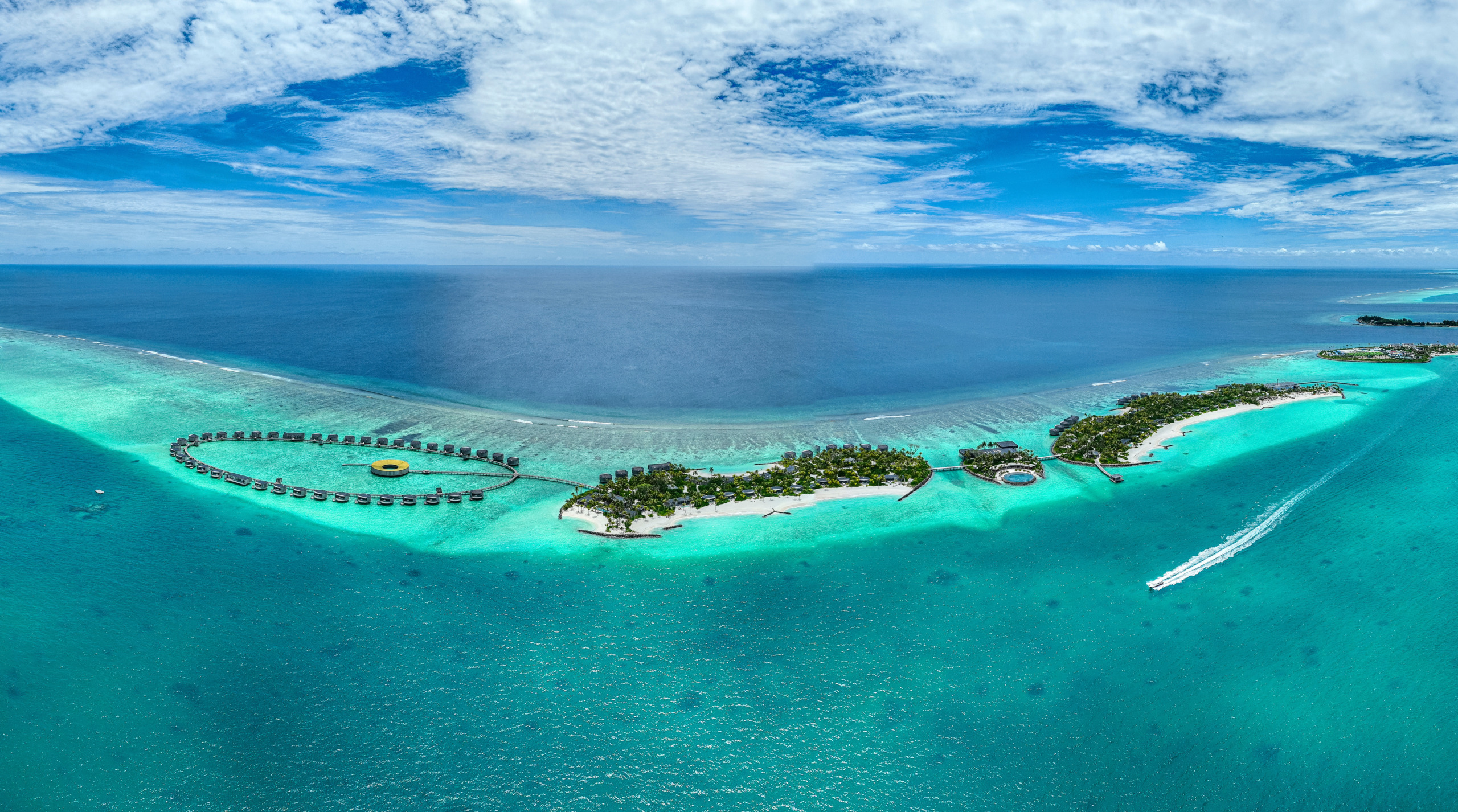
Fari Campus, a dedicated island for staff accommodation with a focus on community, education, and engagement at Fari Islands.
Making the complex feel effortless, ensuring that the magic of hospitality is facilitated flawlessly, just out of sight.
From a commercial perspective, streamlined back-of-house operations don’t just elevate the guest experience, they also improve profitability. A well-designed and efficient layout can reduce the need for excessive staffing and help operators achieve greater productivity without compromising on service quality.
When architects, engineers, and operators collaborate from the early stages of a project, they can craft environments that inspire staff, elevate guest experiences, and preserve that seamless sense of luxury that every brand strives for. The best designs make the complex feel effortless, ensuring that the magic of hospitality is facilitated flawlessly, just out of sight.
Nicole Hammond
Nicole Hammond is an accomplished architect, recognised for her ability to realise projects from the earliest stage of concept design through to completion.
Since joining WATG in 1996, Nicole has worked extensively throughout the Middle East, Europe, Africa and India. Her skills range from sketching concept designs on site, to managing large multi-disciplinary teams at the later stage of project delivery.

About The Author

Nicole Hammond
Nicole Hammond is an accomplished senior architect recognised for her ability to realize projects from the earliest stages of concept design.
Latest Insights
Perspectives, trends, news.

- Design + Innovation
The Future of Design Education
- Project Stories
Connecting Historic Preservation and Wellness Design
- Strategy + Research
Phu Quoc at a Turning Point: Lessons for Long-Term Island Planning
- Design + Innovation