Designing with Curiosity, Clarity, and Care
At a glance
Designing with Curiosity, Clarity, and Care offers a first-person perspective from Ethan Ilktan, an Architectural Designer in WATG’s Los Angeles studio. Working across hospitality and integrated resort projects, Ilktan reflects on how computational design methods, physical model-making, and hand-drawing operate together in practice. The article examines Rhino.Inside.Revit as a workflow connecting early design exploration to BIM documentation, the continued role of hand sketching in digital environments, and how diverse personal influences shape a more contextually attentive design approach. Bryan Algeo, Managing Principal, contributed a supporting perspective on Ilktan’s work.
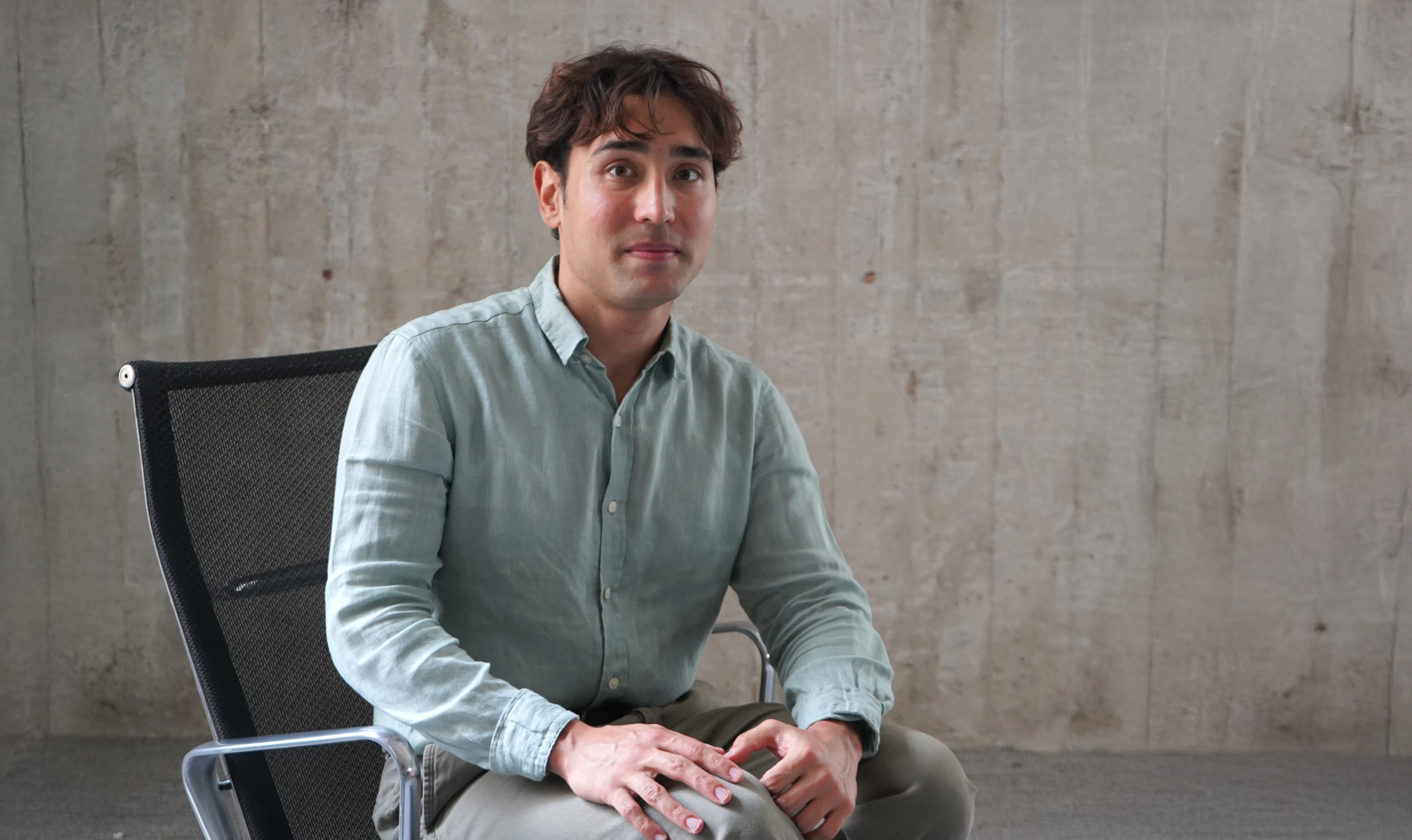
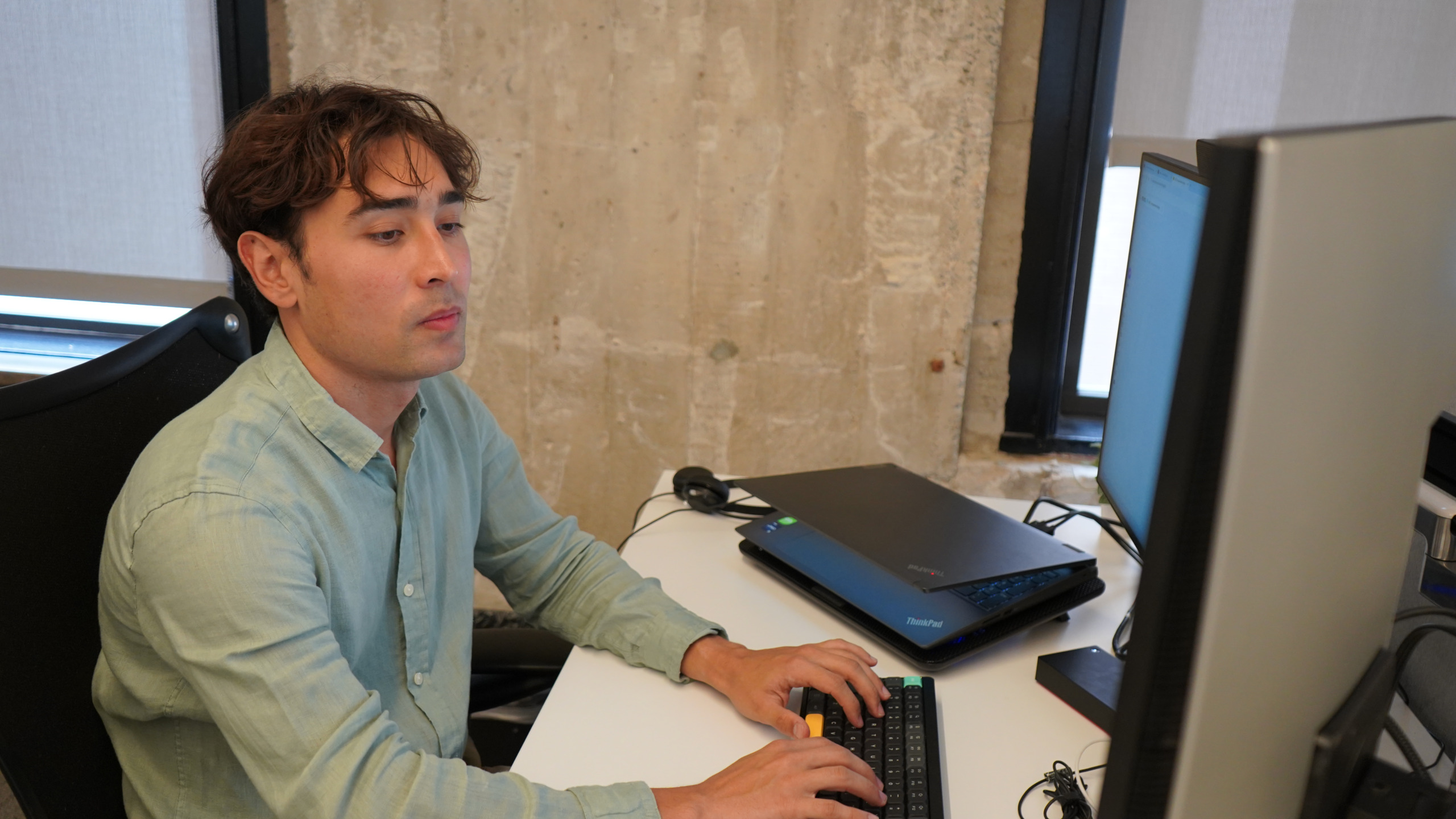
The following is a first-hand perspective from Ethan Ilktan, a Designer in WATG’s Los Angeles architecture studio. Working across hospitality and integrated resort projects, Ethan reflects on how computational design, physical making, and hand-drawn thinking come together in practice.
computational design
When I first became interested in computational design, what drew me in was not the idea of making unusual forms. It was the possibility of thinking more clearly.
I have always been interested in how different parts come together to create something larger. In architecture, that can mean program, circulation, ecology, guest experience, structure, budget, and buildability all shaping one another at the same time. That is especially true in hospitality and integrated resort design, where a project has to do many things at once while still feeling effortless to the people experiencing it.
That way of thinking has stayed with me from school into practice. What has changed is the level of responsibility. In practice, ideas do not exist on their own. They have to work for clients, for teams, for budgets, and for the realities of construction. For me, that is where computational design becomes most valuable, not as a style, but as a method for bringing more clarity and efficiency to the design process.
Used well, it helps remove friction. It can reduce repetitive tasks, make it easier to test options, and create a stronger link between early design exploration and technical documentation. That matters because every hour saved on reworking geometry or rebuilding information is time that can go back into the design itself.
In practice, ideas do not exist on their own. They have to work for clients, for teams, for budgets, and for the realities of construction.
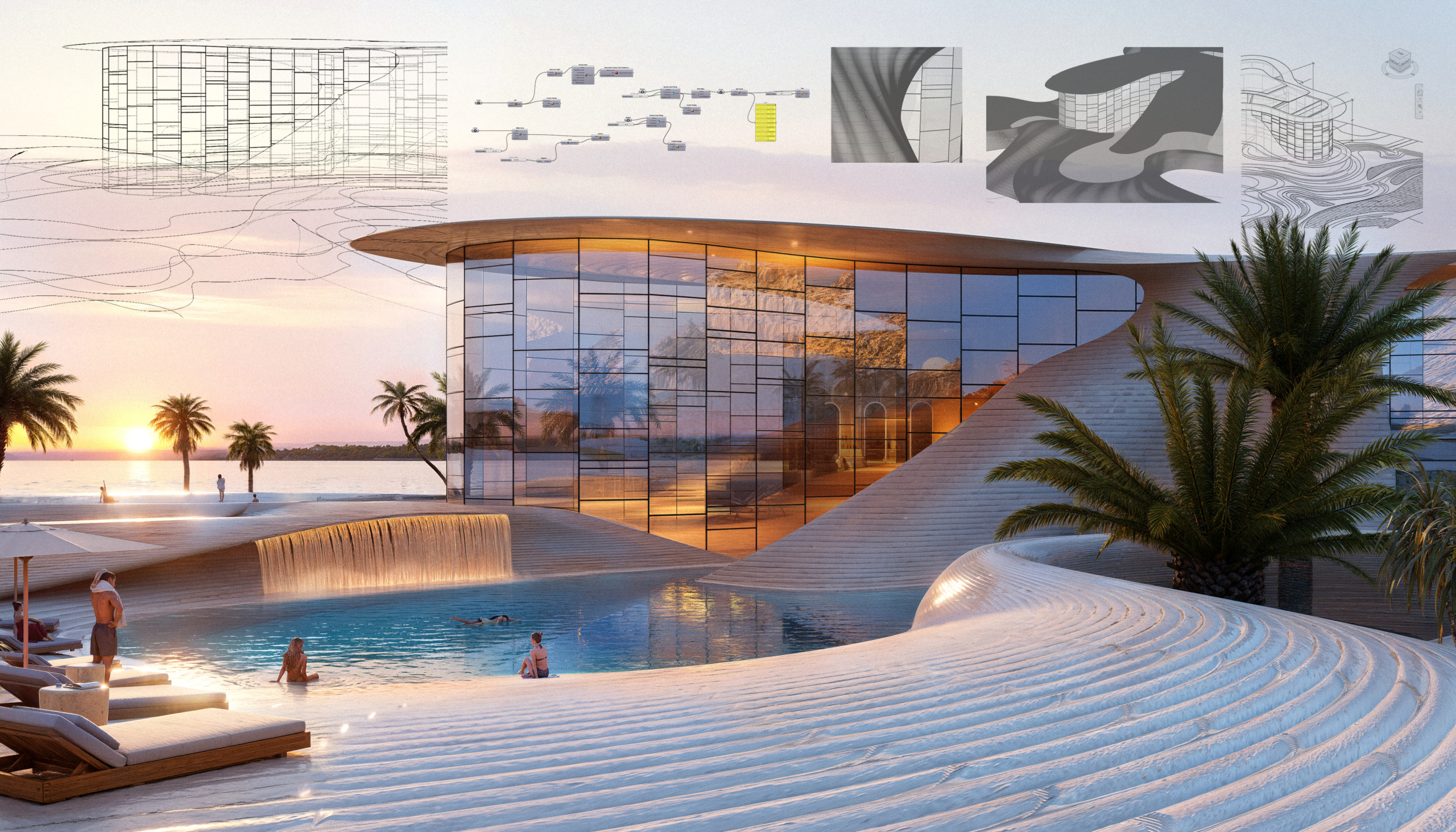
CGI rendering of a test resort showcasing a workflow of modelling in rhino, visualization in D5, enhancing with AI , and documenting in Revit using “Rhino Inside Revit” script.
One workflow I have found especially valuable is Rhino.Inside.Revit, which helps connect the freedom of early design thinking with the structure of BIM documentation. It allows us to carry ideas forward with more continuity and less repetition. For me, the benefit is simple: better coordination, more efficient workflows, and more time for design teams to focus on the decisions that actually improve a project.
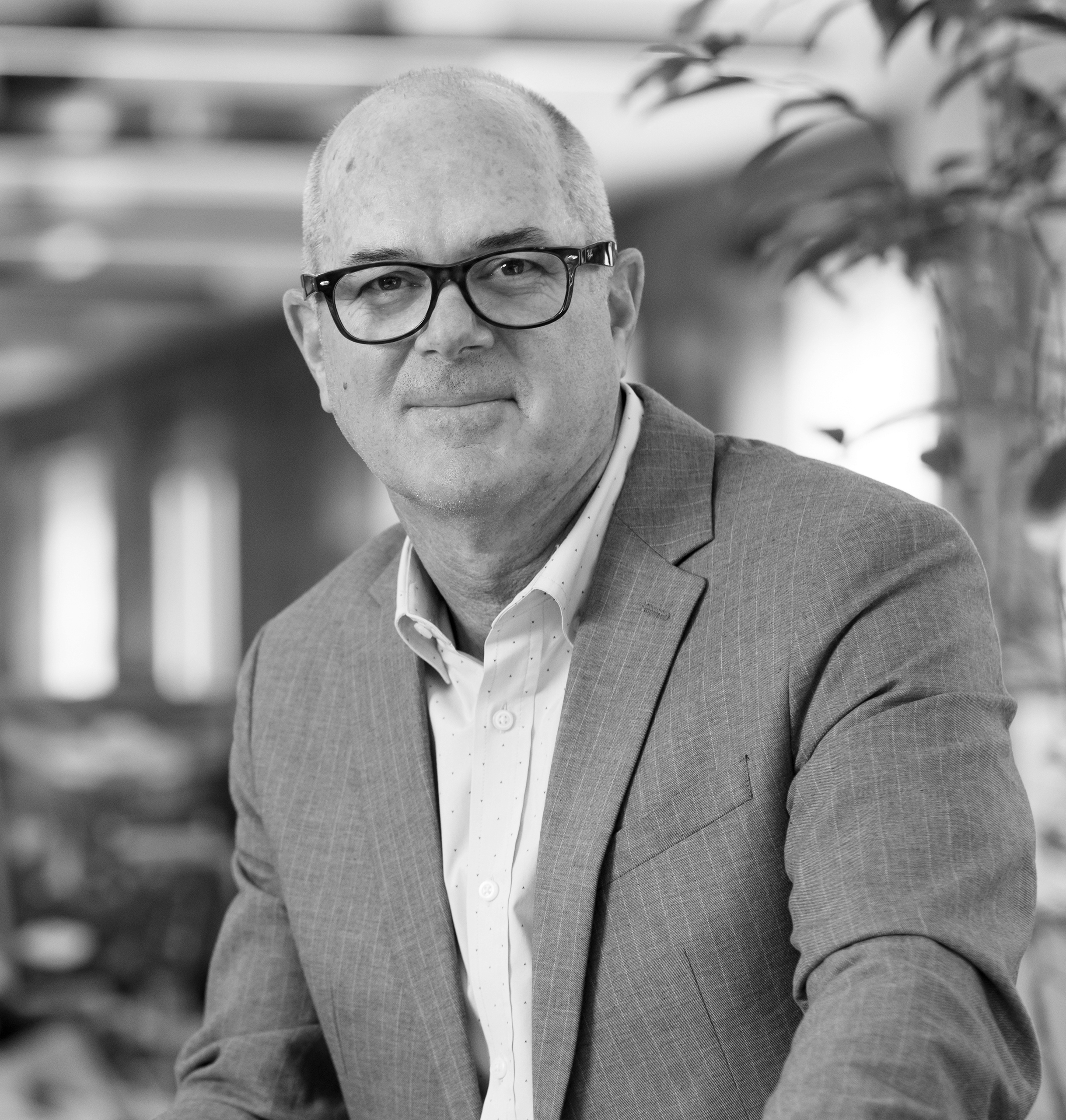
As Bryan Algeo notes, “What sets Ethan apart is a rare combination of advanced computational design expertise and strong creative ability. His ability to bridge design and technology has had a measurable impact on both the quality and efficiency of our studio’s output.”
That balance between creativity and technical rigor is something I care about deeply. I have always enjoyed making, whether through physical models, 3D printing, or digital workflows. Even in a highly computational process, physical models still matter to me. They make ideas tangible. They help communicate light, scale, and atmosphere in a way that feels immediate and intuitive. They remind us that architecture is always moving toward something real and built.
“What sets Ethan apart is a combination of advanced computational design expertise and strong creative ability. ”
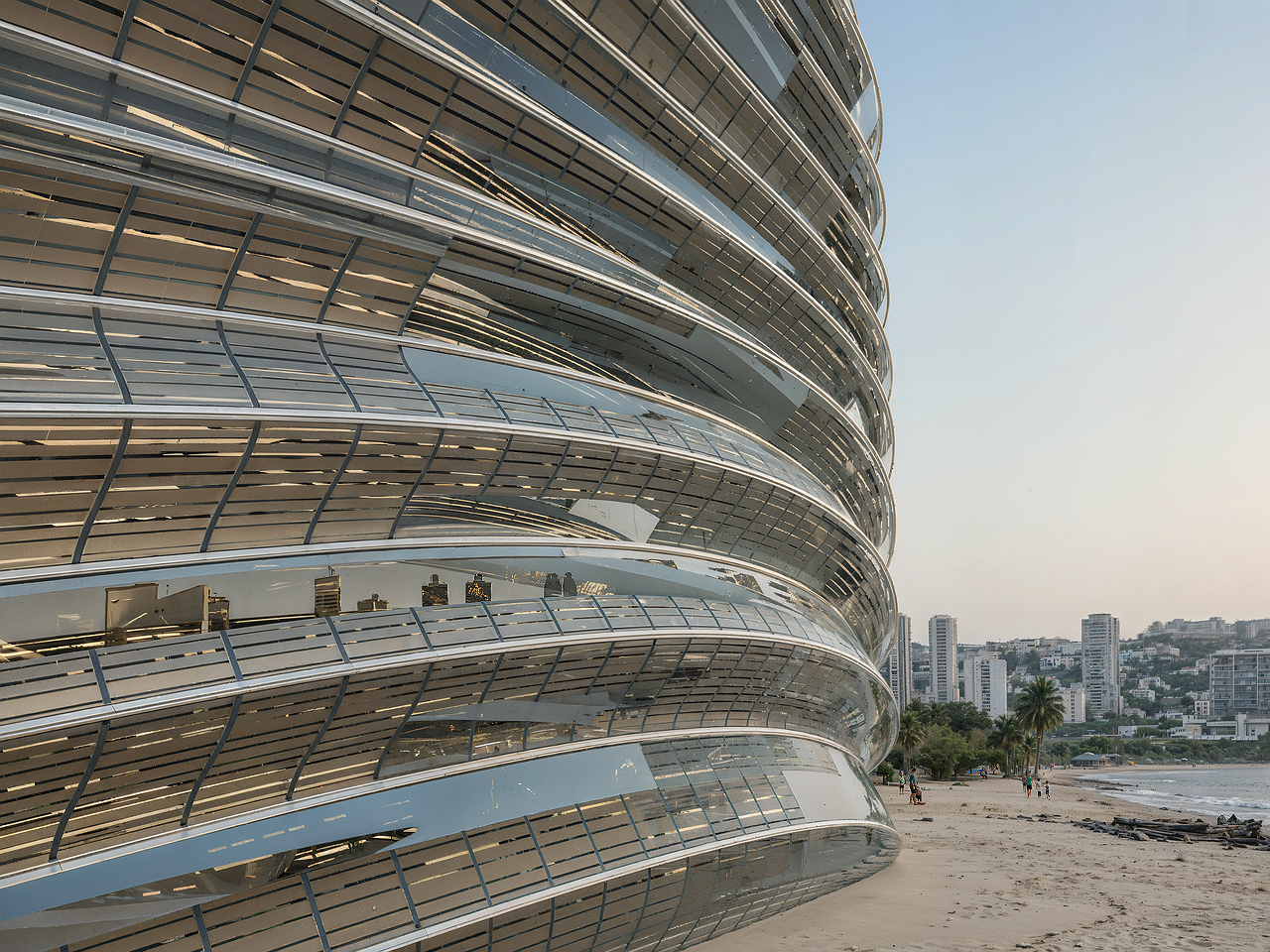
Computational modelling and D5/AI visualization.
analogue vs. digital
Before joining WATG, I worked on large and complex projects at KPF, including supertall towers and highly constrained urban developments. That experience taught me that scale is really about coordination. Clear linework, organized files, and repeatable systems are not just technical habits; they are what allow teams to work together effectively. They are also what make ambitious design possible at a high level.
At WATG, I have been especially interested in how hospitality projects bring together so many different kinds of thinking. They require technical precision, but they also depend on emotion, atmosphere, and memory. One thing that surprised me most was how important hand-drawn sketches still are. In a digital environment, drawing by hand can still be the fastest way to find the heart of an idea. I have found that the best process is rarely fully analogue or fully digital. It moves between the two.
In a digital environment, drawing by hand can still be the fastest way to find the heart of an idea.
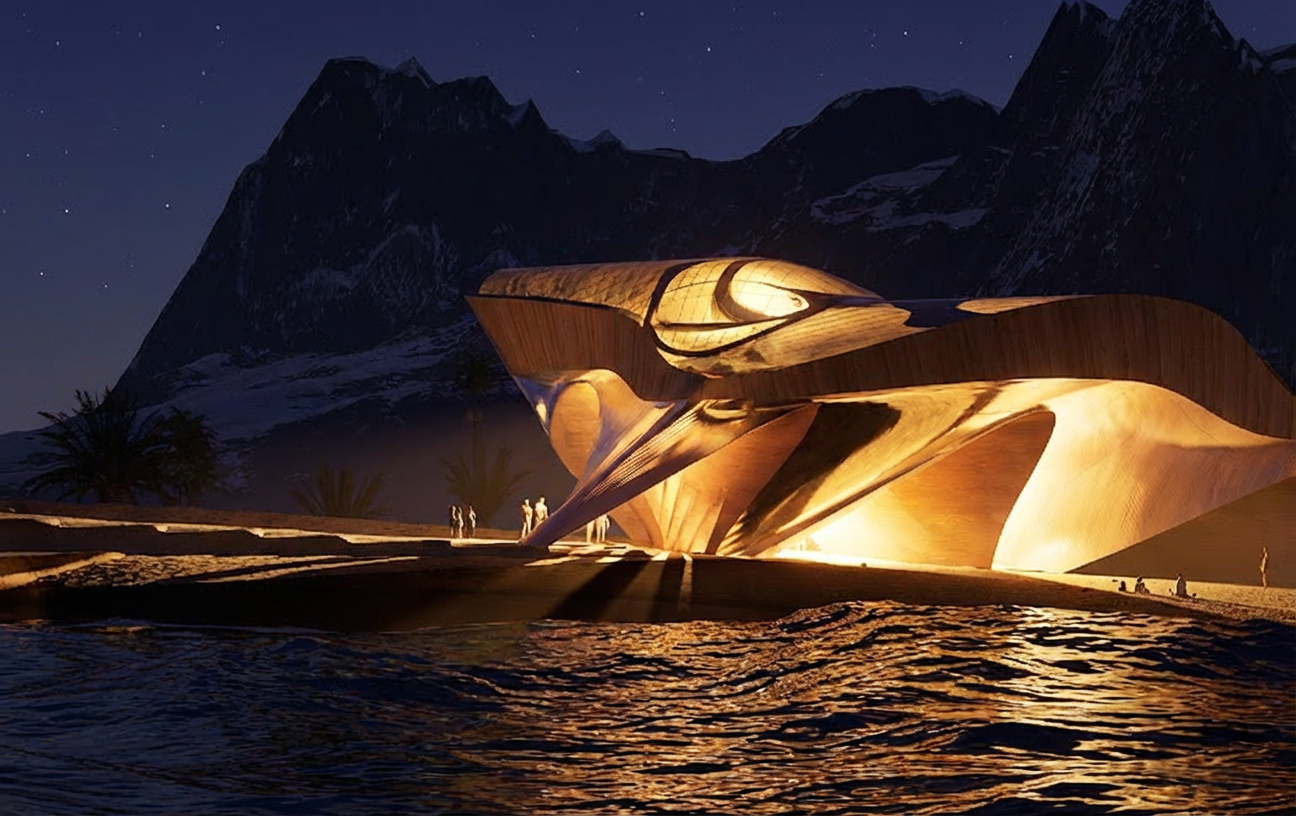
Computational modelling and D5/AI visualization.
natural, memorable, and alive
Living in different places, including Turkey, Poland, Canada, and New York, has also shaped the way I think about design. It taught me to pay closer attention to context and to the ways people inhabit space differently. That perspective has made me more aware that good design is never generic. It has to respond to where it is, who it is for, and what kind of experience it creates.
Even my background in competitive ballroom dancing has stayed with me in unexpected ways. Dance taught me about rhythm, discipline, repetition, and movement. Architecture has its own version of that. We work within systems and constraints, but the goal is still to create something that feels natural, memorable, and alive.
Dance taught me about rhythm, discipline, repetition, and movement. Architecture has its own version of that.
looking ahead
Looking ahead, I want to continue growing as an architect who can contribute across the full life of a project, from early concept and visualization through technical development and construction. I am especially interested in using computational design in ways that create tangible value: saving time, improving coordination, and helping teams carry design intent more clearly from idea to execution.
For me, the goal is not to make architecture more complicated. It is to make the process more thoughtful, more efficient, and ultimately more human.
About The Author
Bryan Algeo
Bryan Algeo, Principal, Architecture
Latest Insights
Perspectives, trends, news.
- News
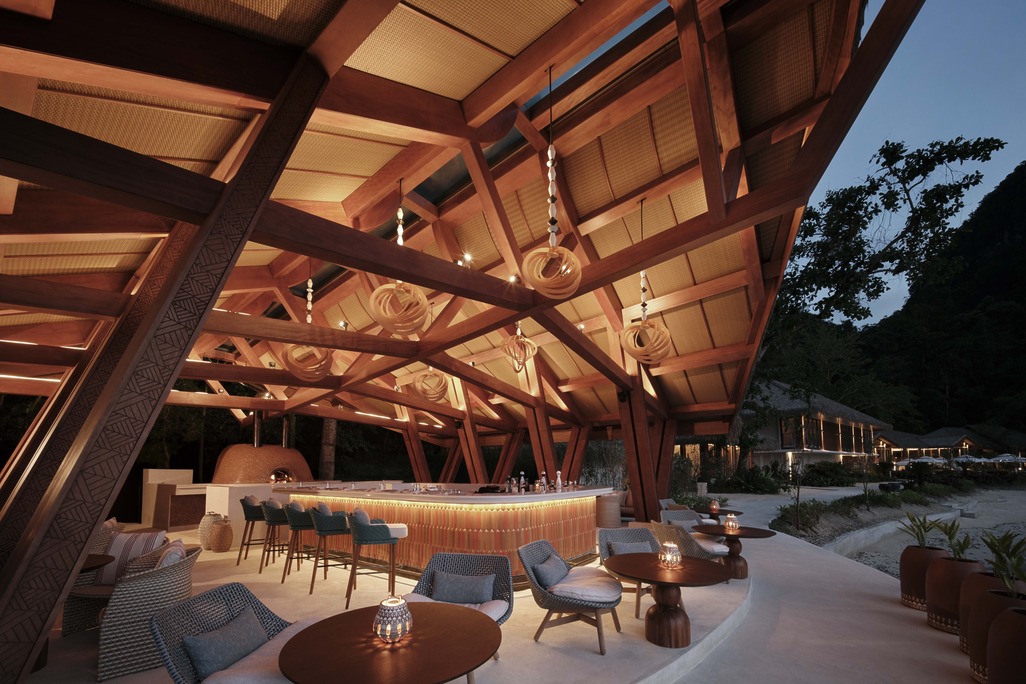
Six MICHELIN Keys for Five WATG and Wimberly Interiors Hotels
- Design + Innovation
The Future of Design Education
- Project Stories
Connecting Historic Preservation and Wellness Design
- Strategy + Research