Six MICHELIN Keys for Five WATG and Wimberly Interiors Hotels
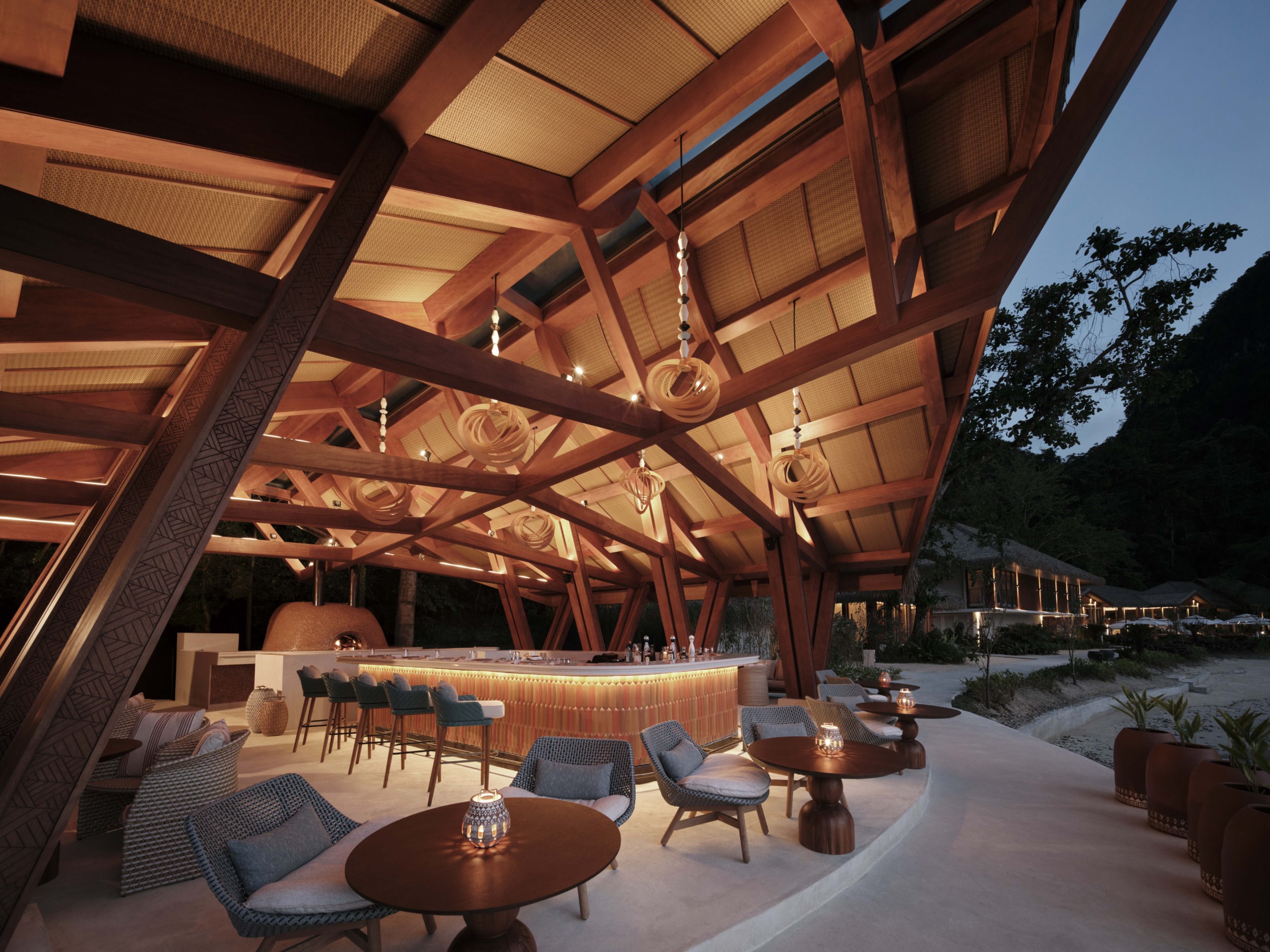
Lagen Island Resort, El Nido , the first resort in the Philippines to hold Two MICHELIN Keys
At a glance
Five hotels designed by WATG and Wimberly Interiors have received MICHELIN Keys in 2026. Lagen Island Resort, El Nido, Philippines, received Two Keys; Zulal Wellness Resort by Chiva-Som in Qatar, Viceroy at Ombria Algarve in Portugal, The St. Regis Astana in Kazakhstan, and Yanbai Villa in Beijing received One Key each.
Michelin keys
Five hotels designed by WATG and Wimberly Interiors have received MICHELIN Keys in 2026. Lagen Island Resort, El Nido, Philippines, received Two Keys; Zulal Wellness Resort by Chiva-Som in Qatar, Viceroy at Ombria Algarve in Portugal, The St. Regis Astana in Kazakhstan, and Yanbai Villa in Beijing received One Key each.
The MICHELIN Key is the hotel equivalent of the MICHELIN Star. Inspectors stay anonymously and judge five things: architecture and interior design, service, personality and character, value, and the hotel’s contribution to its setting. This year’s selection, the third, names 155 Three-Key, 657 Two-Key and 2,020 One-Key hotels from more than 9,000 considered.
Lagen Island Resort, El Nido occupies a private island in Palawan’s El Nido-Taytay Managed Resource Protected Area, with a limestone cliff and forest at its back and Bacuit Bay in front. It is now the first resort in the Philippines to hold Two MICHELIN Keys.
The 42-key resort had operated for more than two decades when Ayala Land commissioned a full repositioning. WATG Advisory defined what Lagen should be, and WATG architecture and Wimberly Interiors carried that through.
Nine beachfront villas were removed to return the shoreline to the island, and views and paths to the water were reopened. Existing structures were kept where possible to protect biodiversity, and Nara wood flooring was lifted and reused as wall paneling.
Inside, Wimberly Interiors drew on Palawan’s craft traditions. The arrival hall references the paraw sailboat and sawali weaving, and indigenous motifs carry through joinery and textiles.
“Lagen Island is renowned for some of the most pristine natural environments, setting the stage for world-class regenerative tourism. By delivering site specific tailored solutions that resonate with our client’s vision, evolving guests’ expectations, and future aspirations, a new chapter for the resort will now begin to beautifully unfold.” – Chiara Calufetti-Lim, Principal
“Ideally, you do not arrive and immediately notice the design. You notice the place. ”
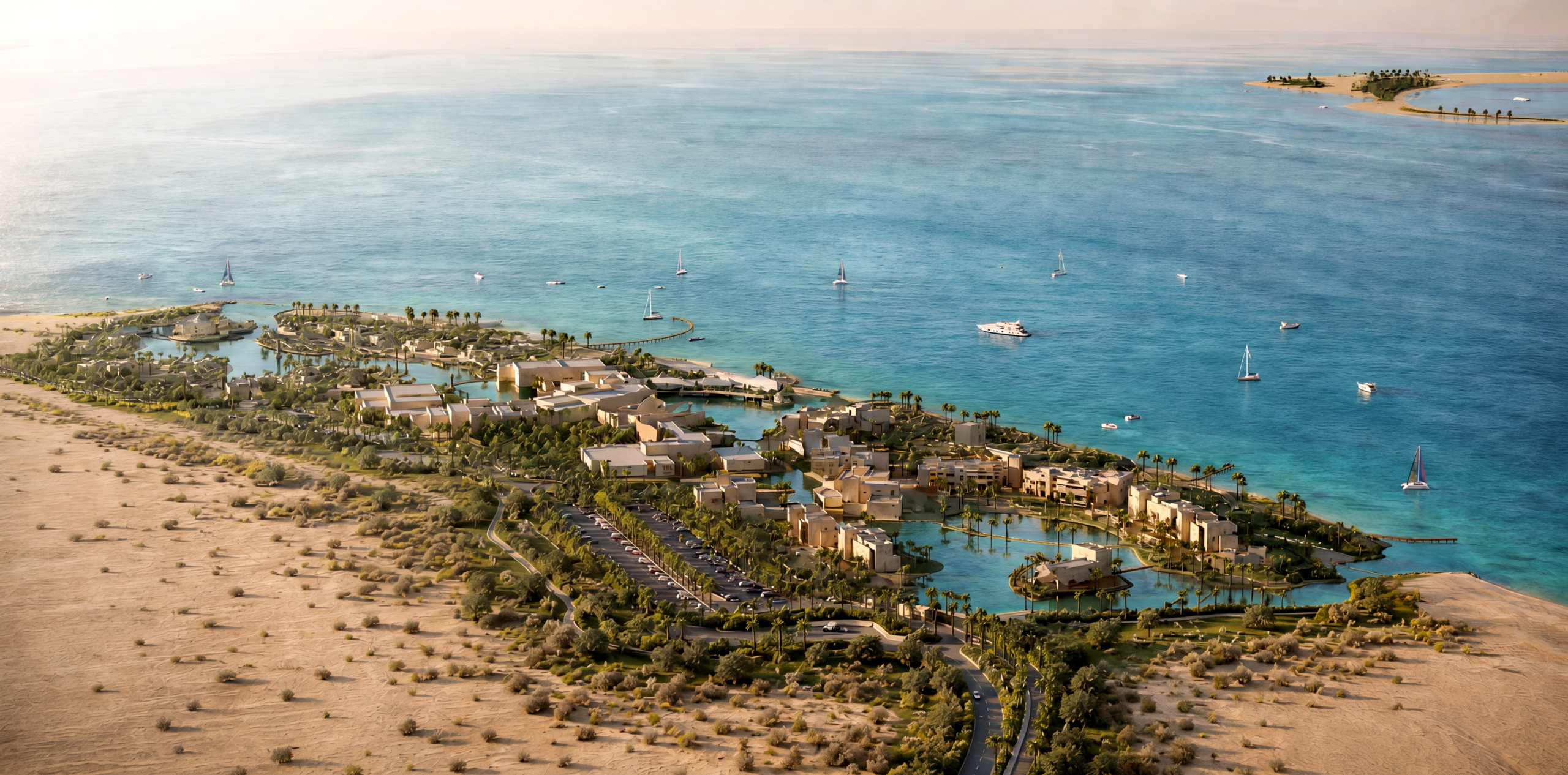
Zulal is organized around lagoons and shaded gardens, a nod to its name.
Zulal, Arabic for pure water, occupies a 9.8-hectare site at Madinat ash Shamal on Qatar’s northern coast, about an hour’s drive from Doha. Developed by Msheireb Properties and operated by Chiva-Som, it is the Thai wellness brand’s first management contract beyond its Hua Hin flagship and the first resort built around Traditional Arabic and Islamic Medicine.
With no adjacent context to respond to, WATG’s architects, landscape architects and planners took their order from geometry. Seven interlocking circles, the figure behind many traditional patterns, set out the plan. Their centers and intersections locate the resort’s key moments, from a monument to specialty dining, doing the work streets would do in a town. Lagoons and wetlands bring water into the site, so every guest amenity faces it.
The 180-key resort is divided into family and adults-only areas, alongside a retail village, spa, seawater botanical garden, and sky deck. Wimberly Interiors carried Qatari heritage inside through mashrabiya screens and Sidra leaf motifs, set against a palette of sand, gravel, and textured surfaces. With no alcohol and no internet, the spaces allow total immersion and decompression.
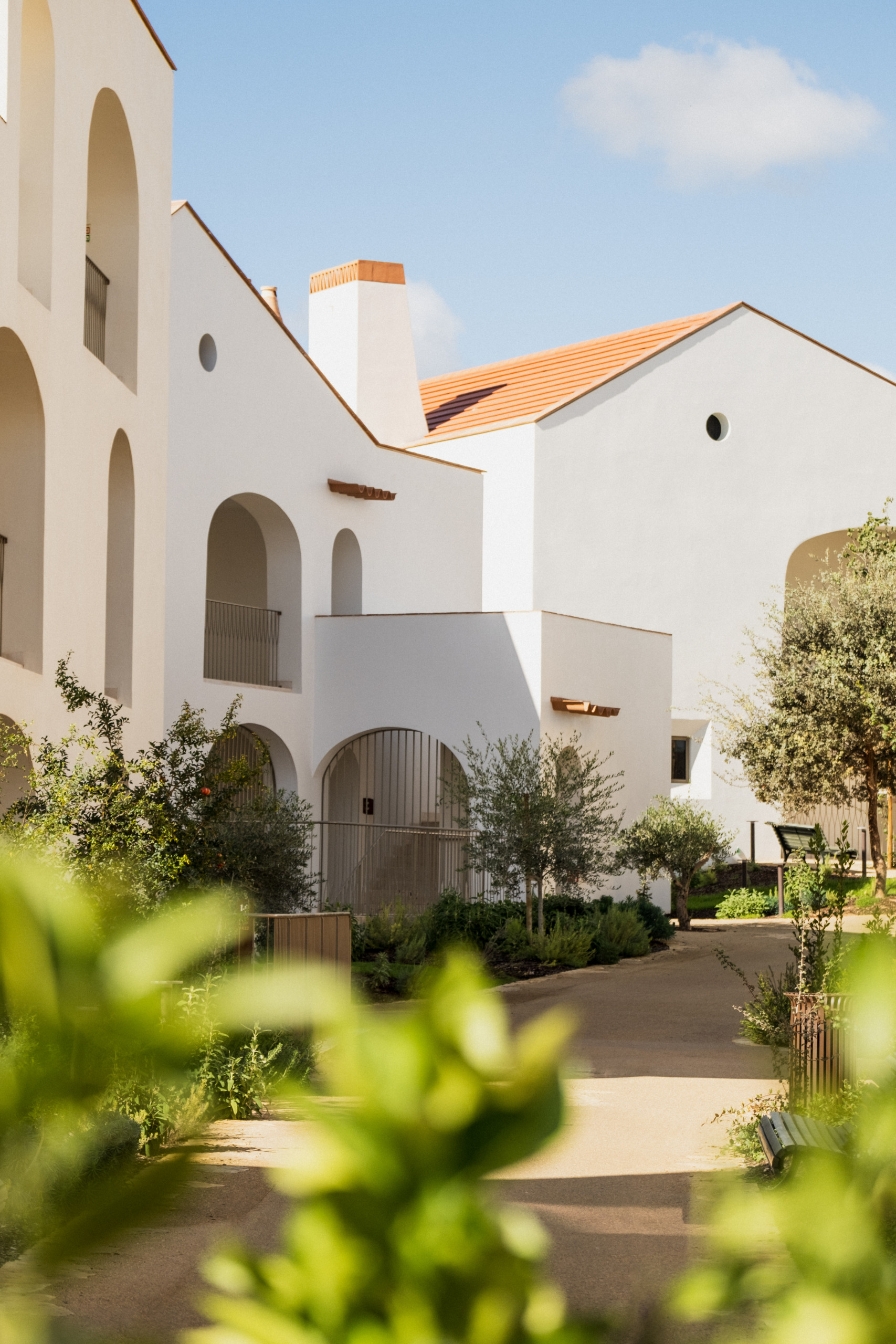
Inland from the Algarve coast, the Barrocal hills near Loulé are a landscape of olive groves, oak valleys and whitewashed villages. Viceroy chose it for its first hotel in Europe.
WATG’s concept for the architecture and landscape grew out of research into traditional Portuguese settlements and was implemented by Lisbon-based Promontorio. The 76-room hotel is arranged as a village: white stucco, arched openings and terracotta roofs around cobbled lanes, citrus groves and a central praça, marked by a 30-meter clock tower. Solar and geothermal systems run behind the vernacular.
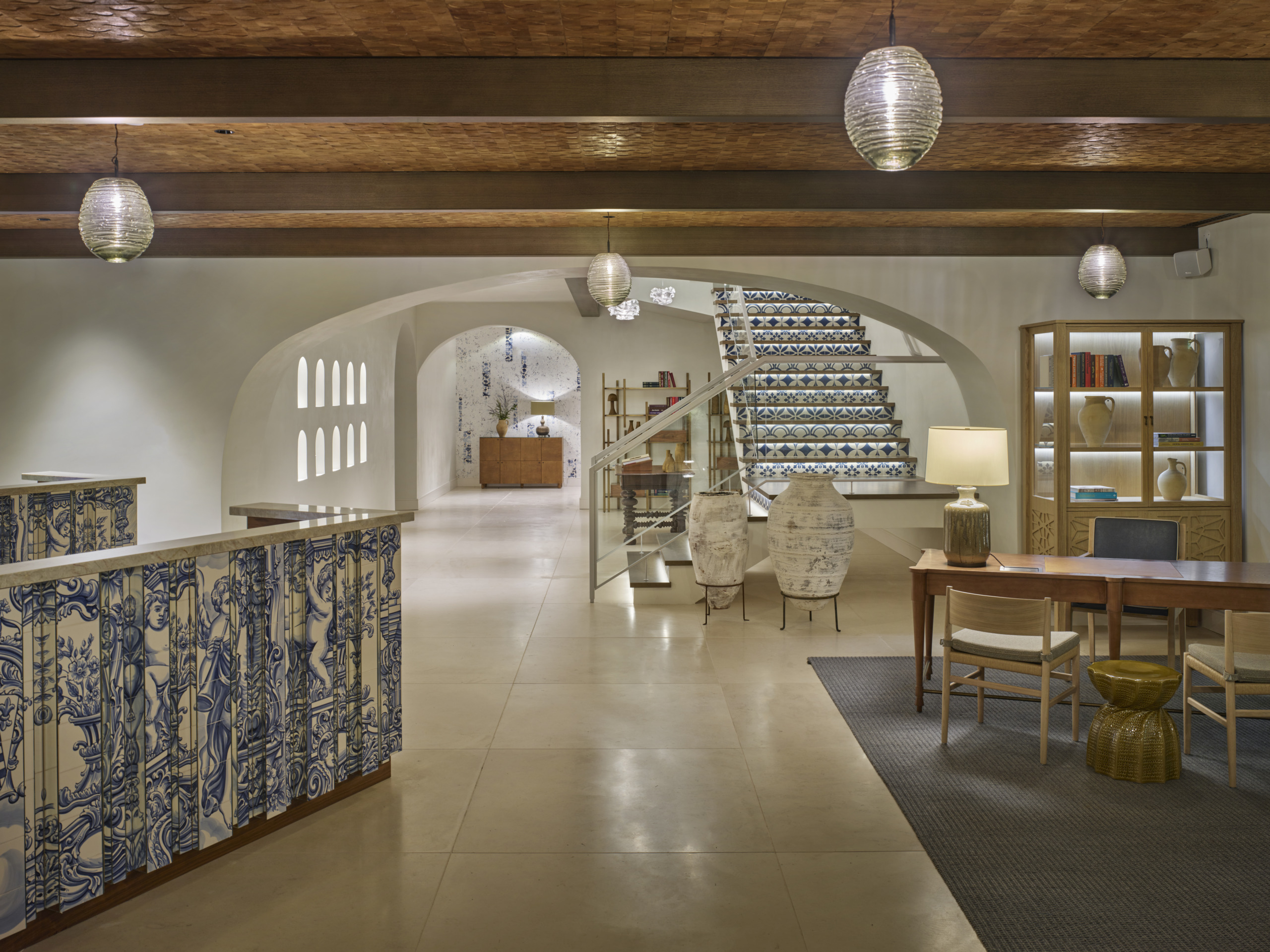
Wimberly Interiors designed the interiors using regional crafts and materials, keeping the warmth of the hills inside. The hotel anchors the first phase of Ombria Resort alongside 65 Viceroy Residences, a low-density model in which the landscape carries as much long-term value as the buildings.
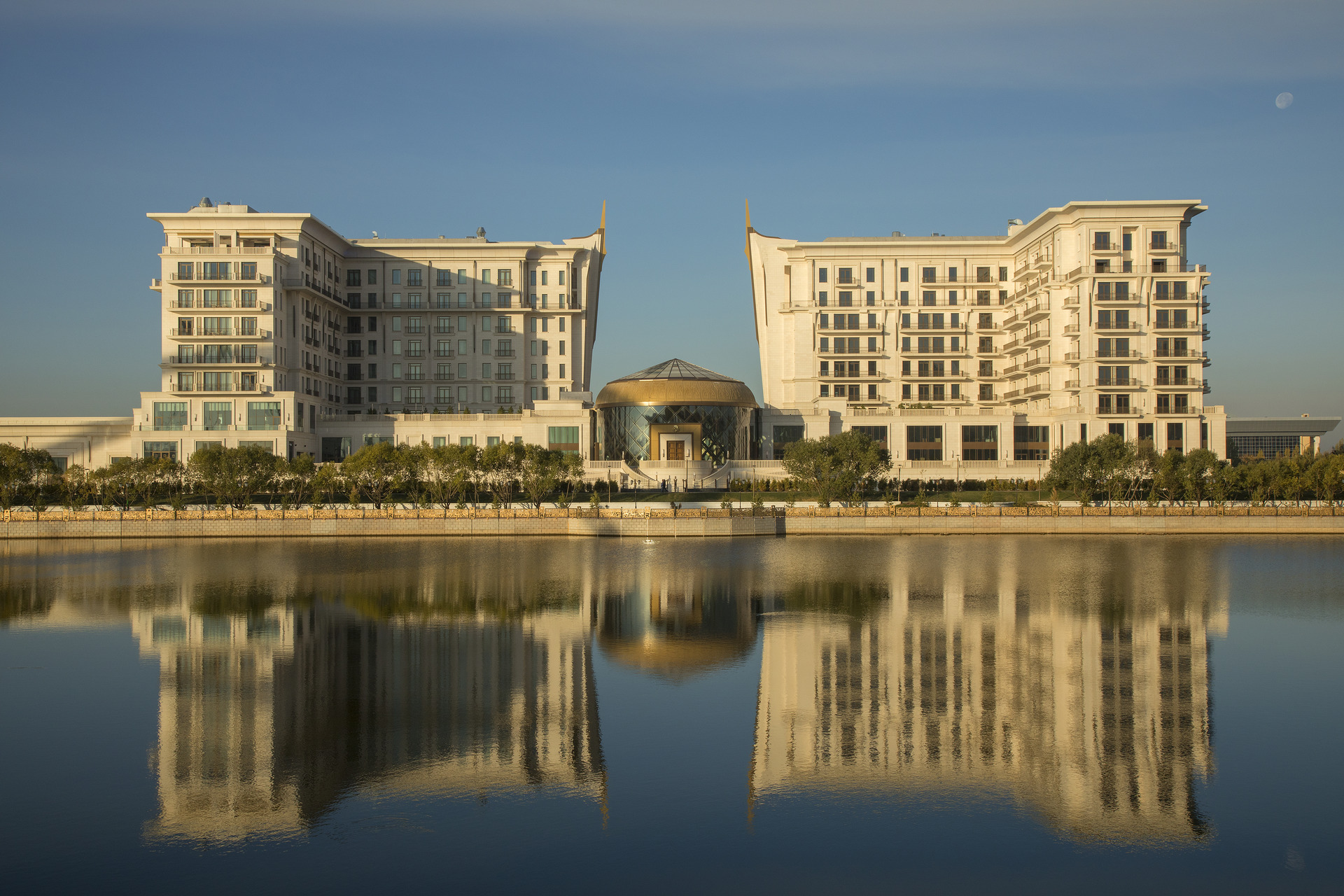
The St. Regis Hotel and Residences Astana translates the yurt into bronze, steel and glass.
Kazakhstan received its first MICHELIN Keys in 2026, and The St. Regis Hotel and Residences Astana is among them. Opened in 2017 as the brand’s debut in the country, the 120-key hotel stands on a 70,000-square-meter site in Astana Central Park, on the banks of the Ishim River. WATG designed the architecture and landscape; Wimberly Interiors designed the interiors.
The building’s form is drawn from the yurt, rendered in antique bronze, steel, and glass, with terraces and restaurants lining the river frontage. Inside, felt, fur, silk, and velvet reference nomadic craft, and gold accents serve two stories, the gold Kazakh nomads carried, and the St. Regis house metal.
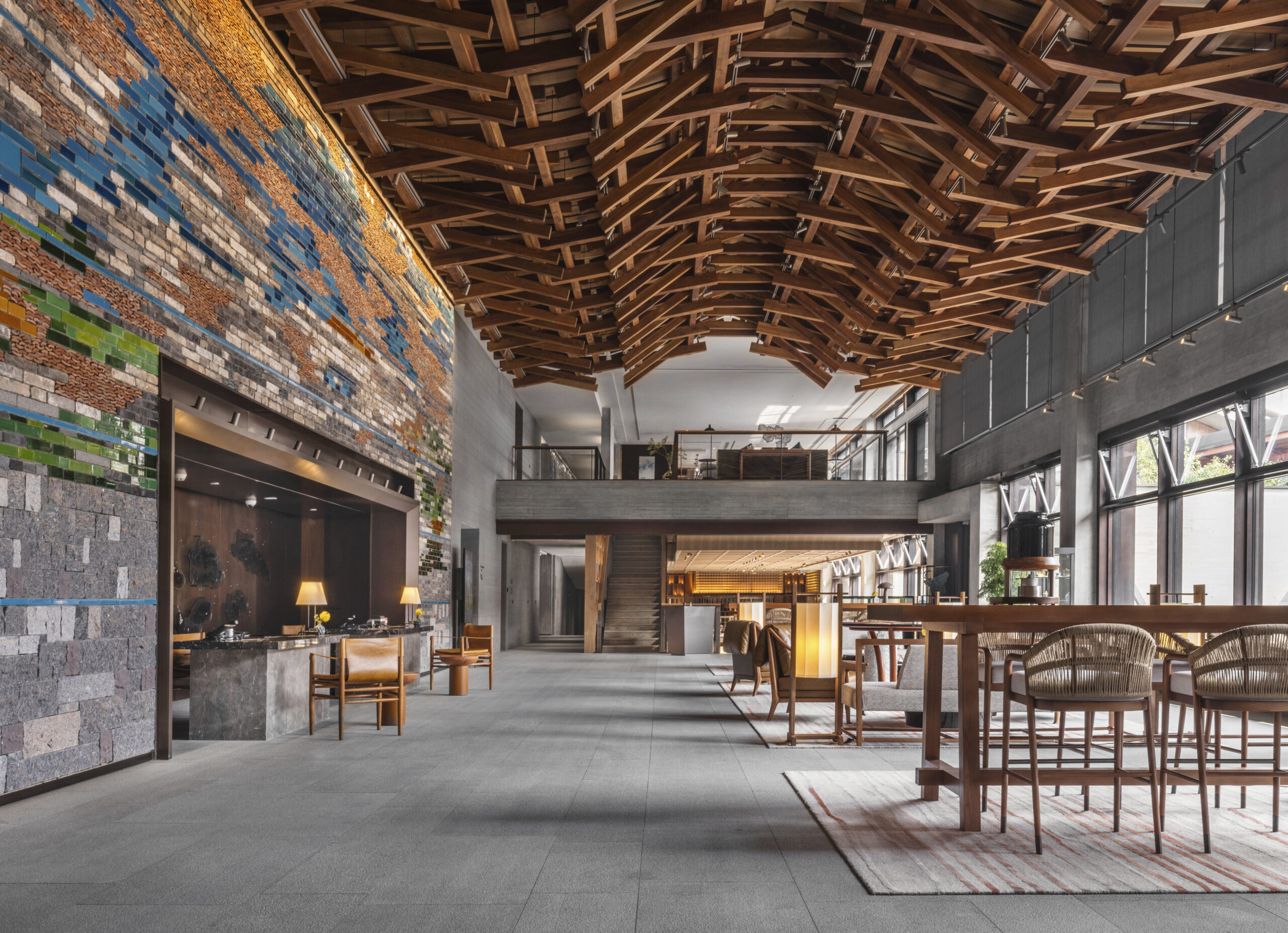
Reclaimed stones and tiles from the site recur throughout Yanbai Villa.
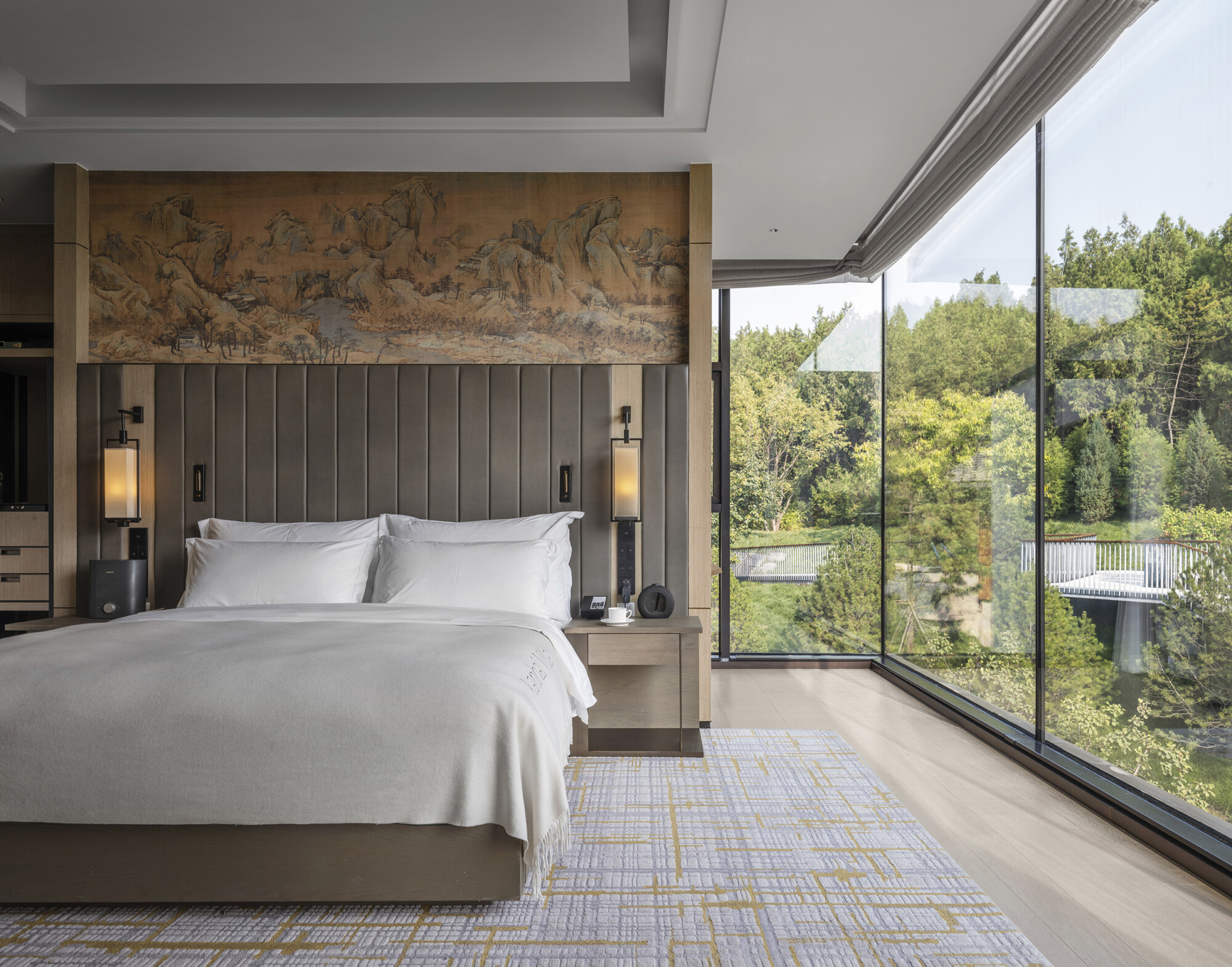
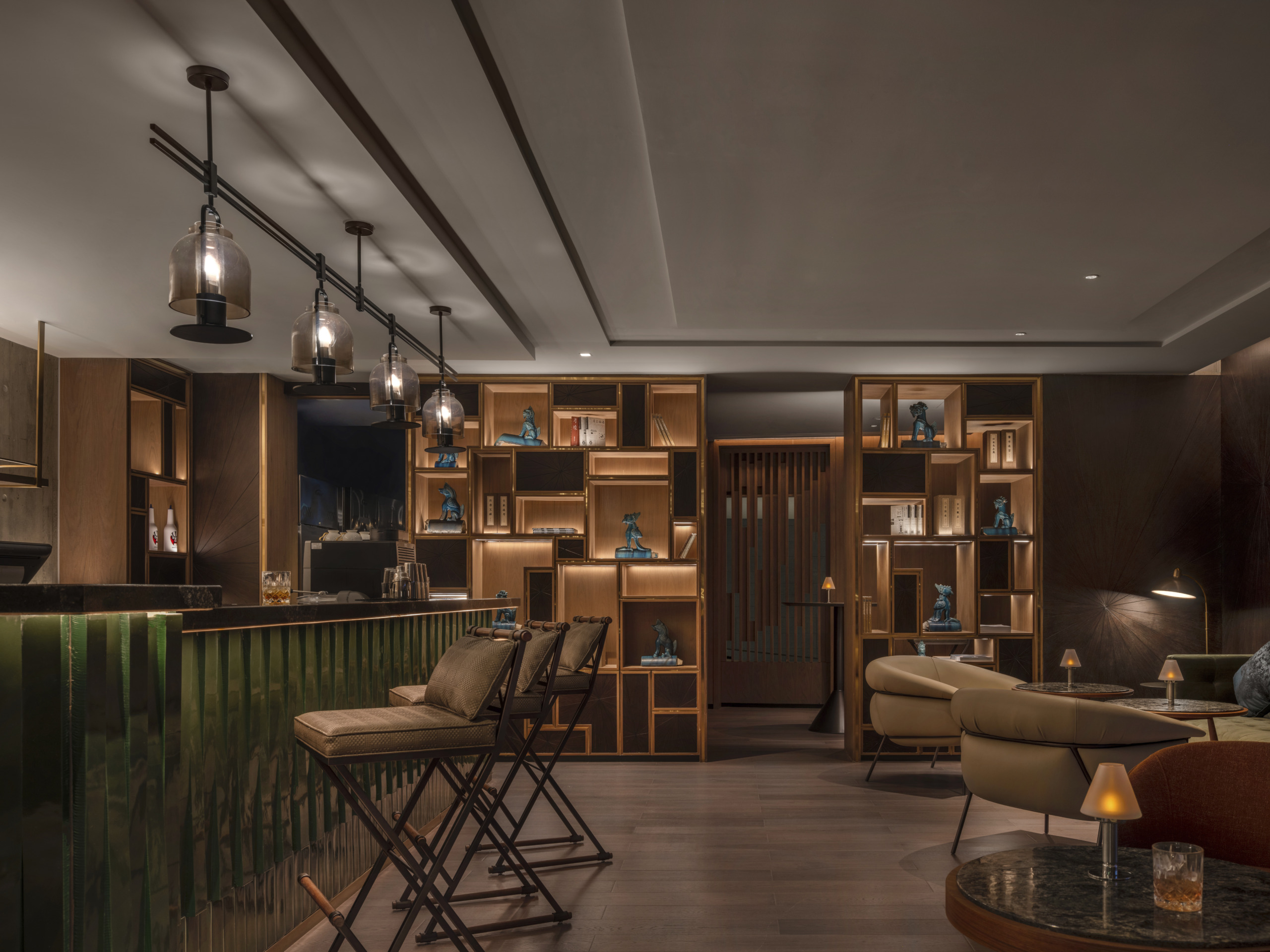
Yanbai Villa: interiors inspired by a Song dynasty scroll
In Beijing, Yanbai Villa pairs architecture by Pritzker Prize laureate Wang Shu of Amateur Architecture Studio with interiors by Wimberly Interiors’ Singapore studio.
The interiors take their cue from A Thousand Li of Rivers and Mountains, Wang Ximeng’s 12th-century scroll of mineral blues and greens over ochre. The team studied how the painting builds depth and contrast, then translated it into material, scale, and color. Stones and tiles salvaged from the site were reused alongside local materials, extending Wang Shu’s architecture into the rooms.
The interiors had already been recognized at the LIV Hospitality Design Awards and The International Hotel & Property Awards.

MICHELIN introduced the Keys partly in response to the standardization of hotel design. Its inspectors look for hotels that could not be swapped for another, which is a useful test for any owner or operator deciding where design investment pays back.
Across advisory, architecture, landscape, planning and interiors, WATG and Wimberly Interiors approach each brief the same way: understand what a place is, design from it, and protect what should stay untouched. Five recognized destinations suggest the approach travels well, precisely because the results never could.
Latest Insights
Perspectives, trends, news.

- Design + Innovation
The Future of Design Education
- Project Stories
Connecting Historic Preservation and Wellness Design

- Strategy + Research
Phu Quoc at a Turning Point: Lessons for Long-Term Island Planning
- Design + Innovation