Hotel Wuxi MGallery Collection: Part of a Story
With contributions by:
-
Raghavendra “Shan” Shanbhag /
Associate Principal -
Paolo De Simone /
Creative Director
Raghavendra Shanbhag, Creative Director of Architecture, and Paolo De Simone, Creative Director of Wimberly Interiors, discuss the design journey of Hotel Wuxi MGallery Collection
[0:10]
Raghavendra Shanbhag, Creative Director of Architecture — WATG
Genius Loci is a very important term coined around 80 to 100 years ago. Its meaning is spirit of place. Each site comes with its own history and essence, which we as hospitality designers try to celebrate so that it creates unique moments for guests — moments they carry away as memories. Our narrative gravitates around a key historical figure: one of the most important scholars of the Ming Dynasty, whose output of poetry was so extensive that we really wanted to draw inspiration from his life and celebrate his accomplishments. What we have beside the site is a living museum — extraordinary canals, Jiangnan-style architecture, and a quietly understated village on the water with a very strong history.
[1:12]
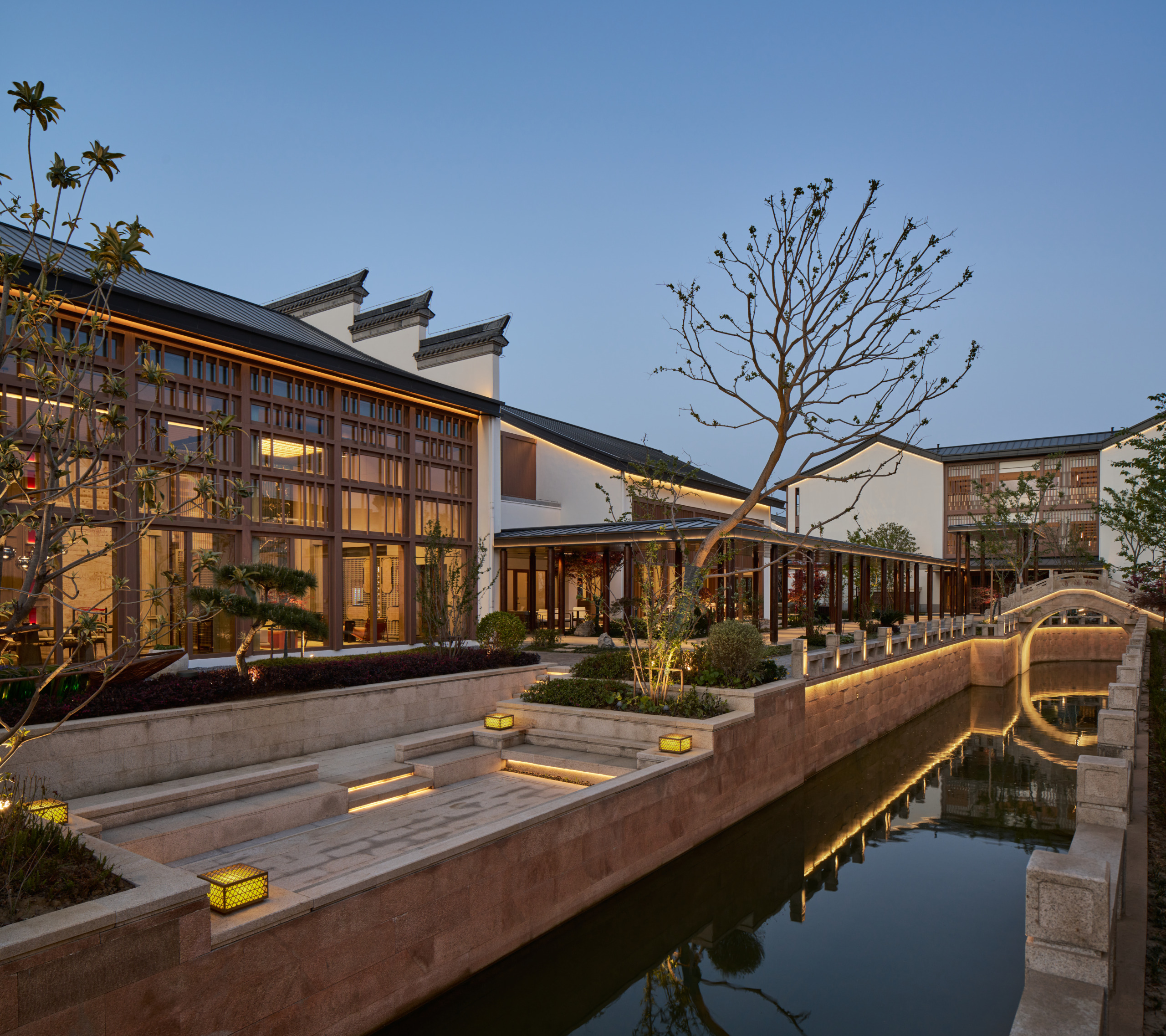
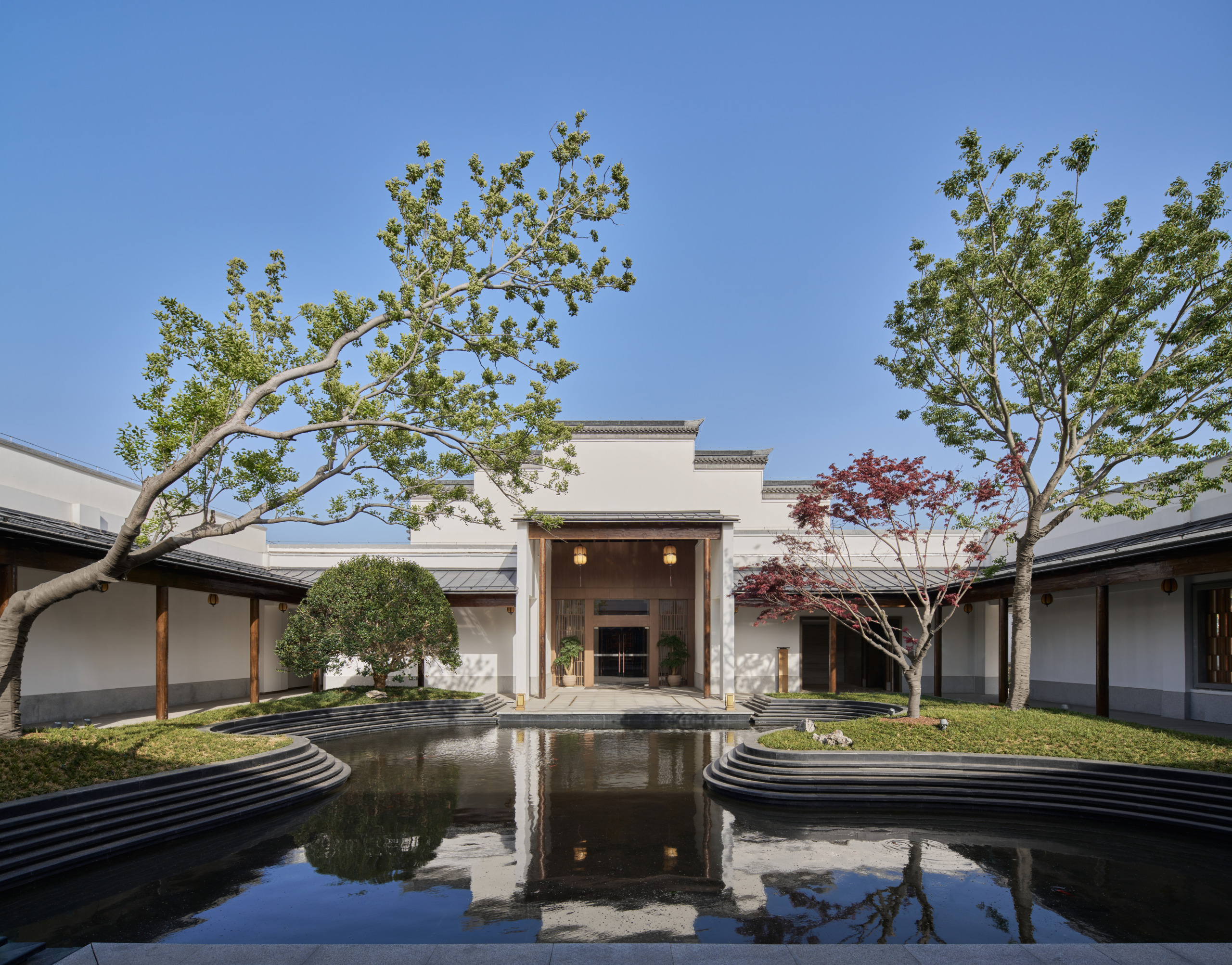
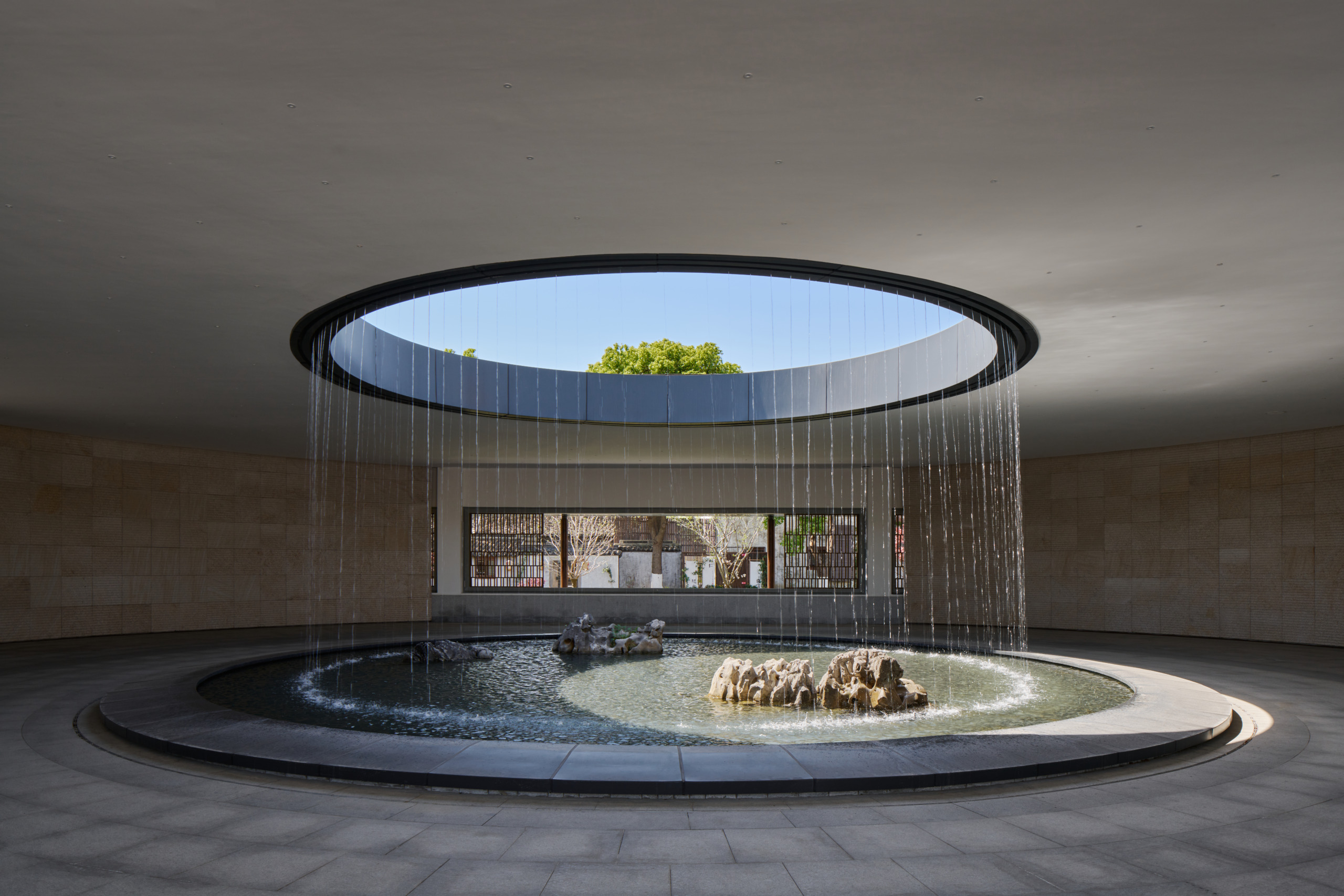
Each site comes with a past, a present, and a future. We try to continuously stitch all three together to create a unique space-time continuum. When you arrive, you encounter a moat; the water is still. As you move through a sequence of spaces, there is a courtyard before you enter the lobby — contemplative, introspective, and reflective.
[1:37]
Paolo De Simone, Creative Director — Wimberly Interiors
When designing the reception courtyard and lobby, our goal was to create a powerful yet poetic first impression that immediately immerses guests in the hotel’s narrative.
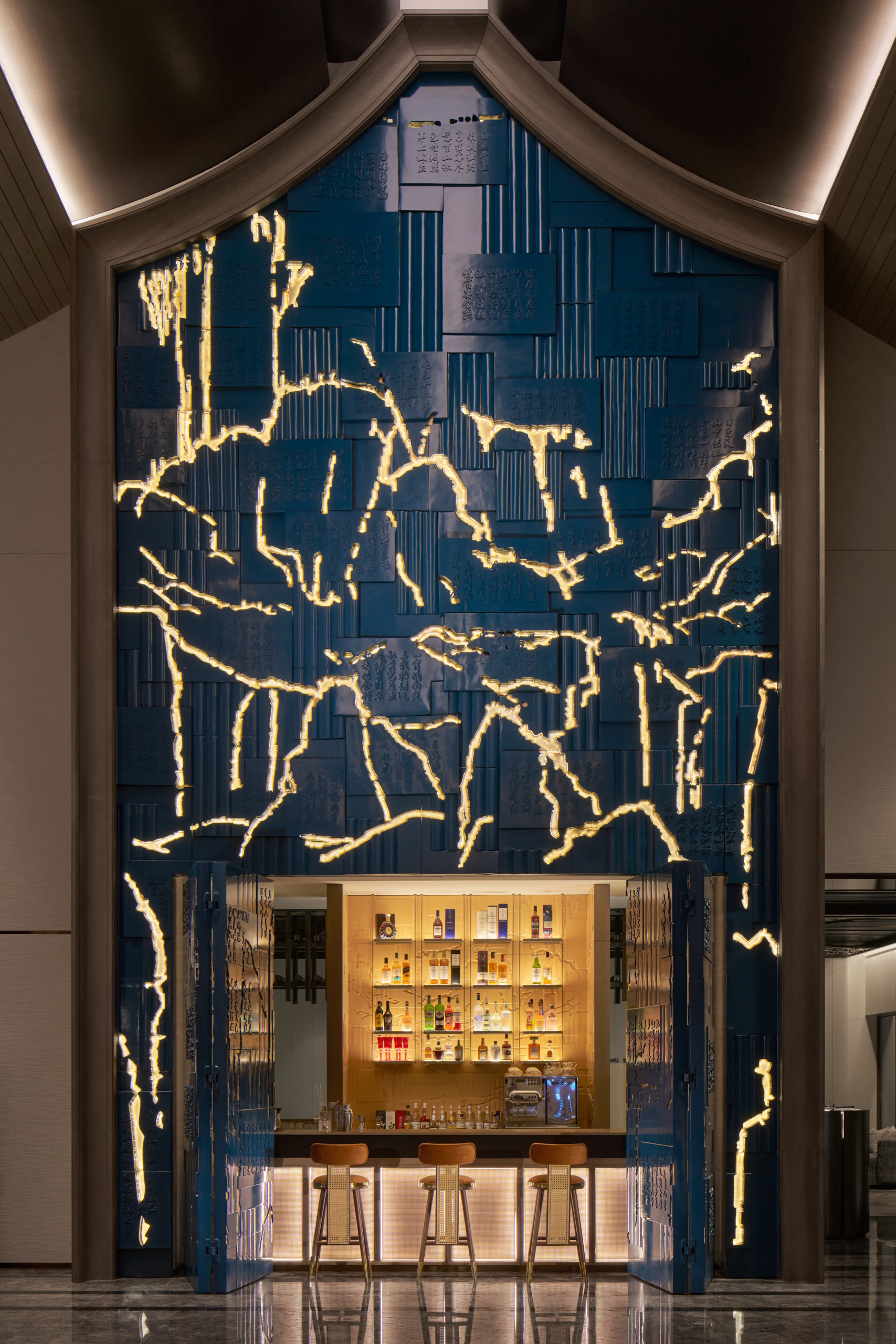
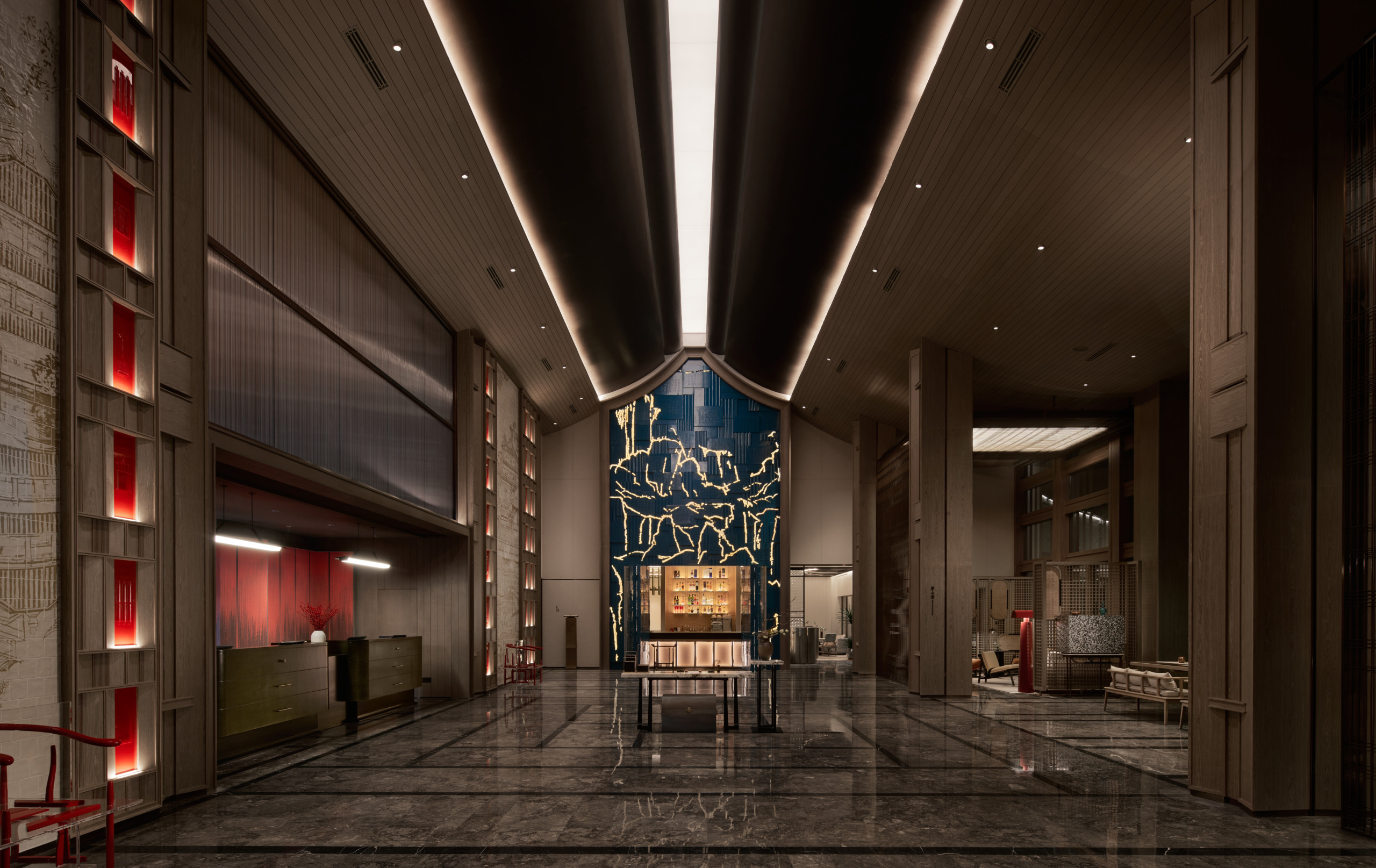
The first chapter is the lobby. One of its main features is a full-height, ceiling-to-floor artwork. The lobby is inspired by a poem that describes the feeling of being in a mountain hut surrounded by nature. We wanted to capture that framing of a mountain view and translate it into a beautiful piece of art.
[2:18]
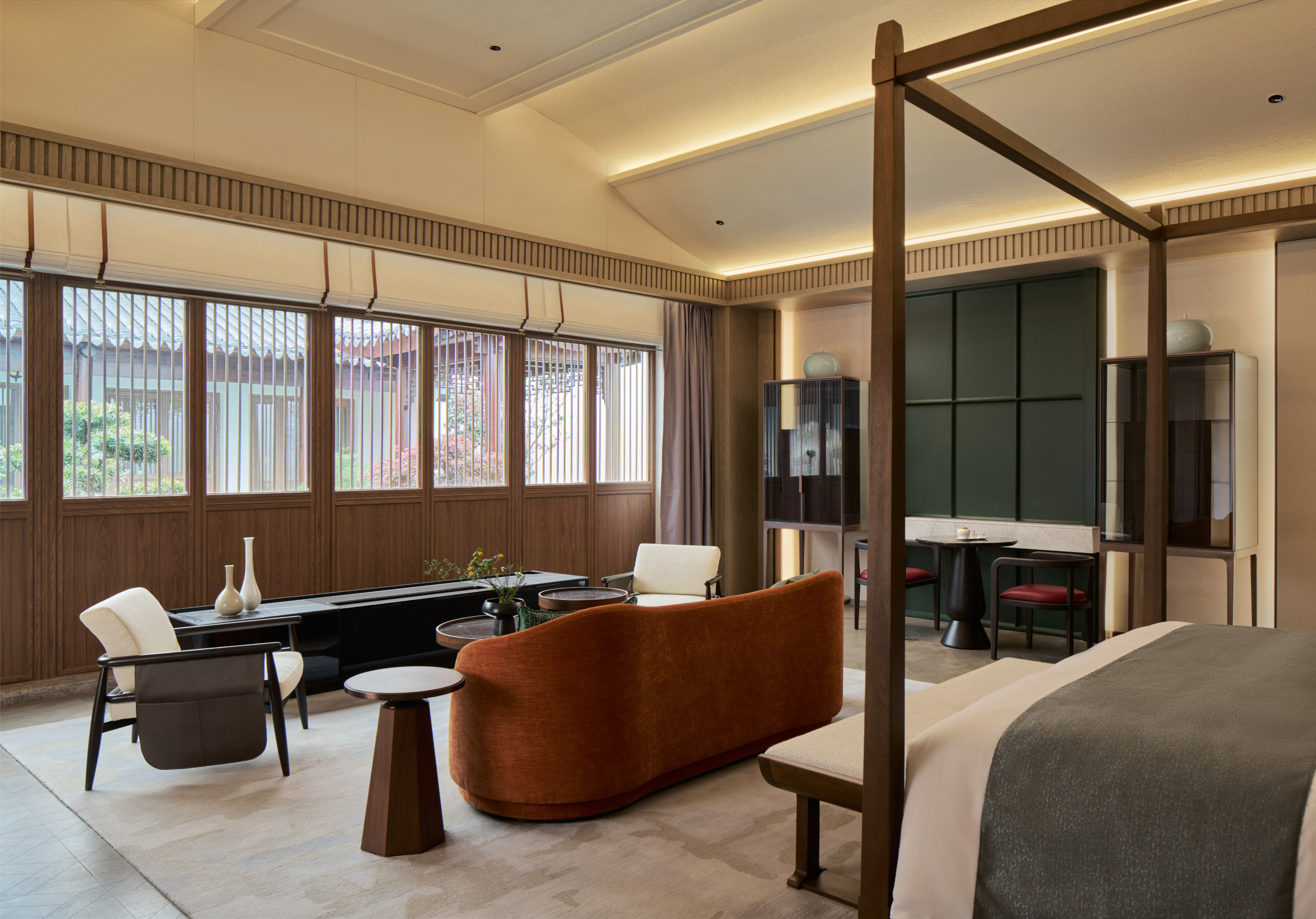
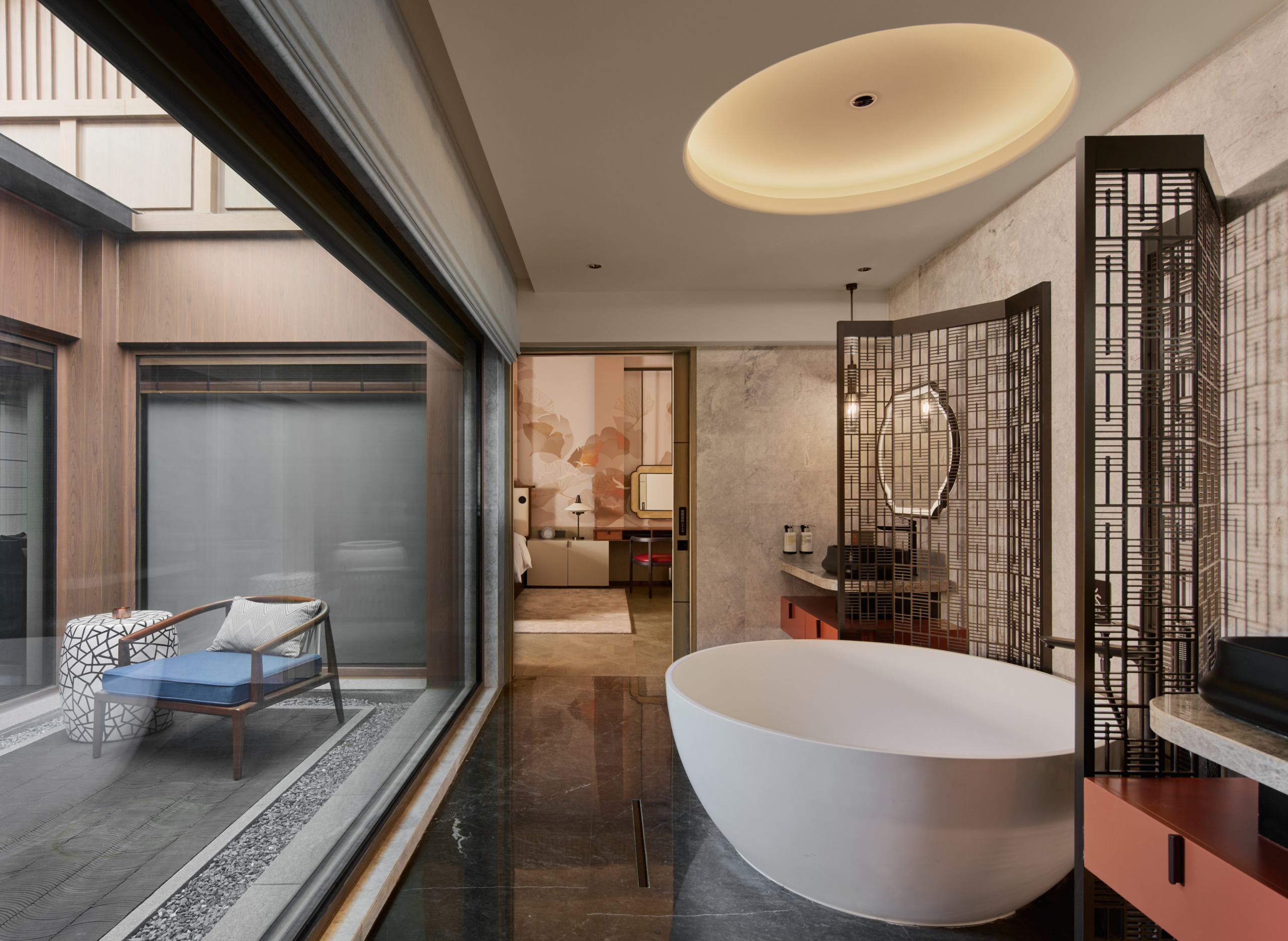
The guest room design is deeply inspired by the Jiading Garden — one of the most beautiful elements celebrated in the scholar’s poetry, which describes twenty scenic spots within the garden. We took inspiration from those elements and brought them into our guest room design: water, mountains, moonlight, and a sense of serenity. Guests arriving into their rooms are immersed in a very calm and relaxed environment.
We treated indoor and outdoor spaces as a continuous narrative, creating large window views to connect interior to exterior. Materials were chosen for their ability to age beautifully, and we wanted to create a journey throughout each space — the play of light and shadow, how people respond to a room that opens out to views, as well as spaces that feel enclosed and sheltered.
[3:27]
Raghavendra Shanbhag, Creative Director of Architecture — WATG
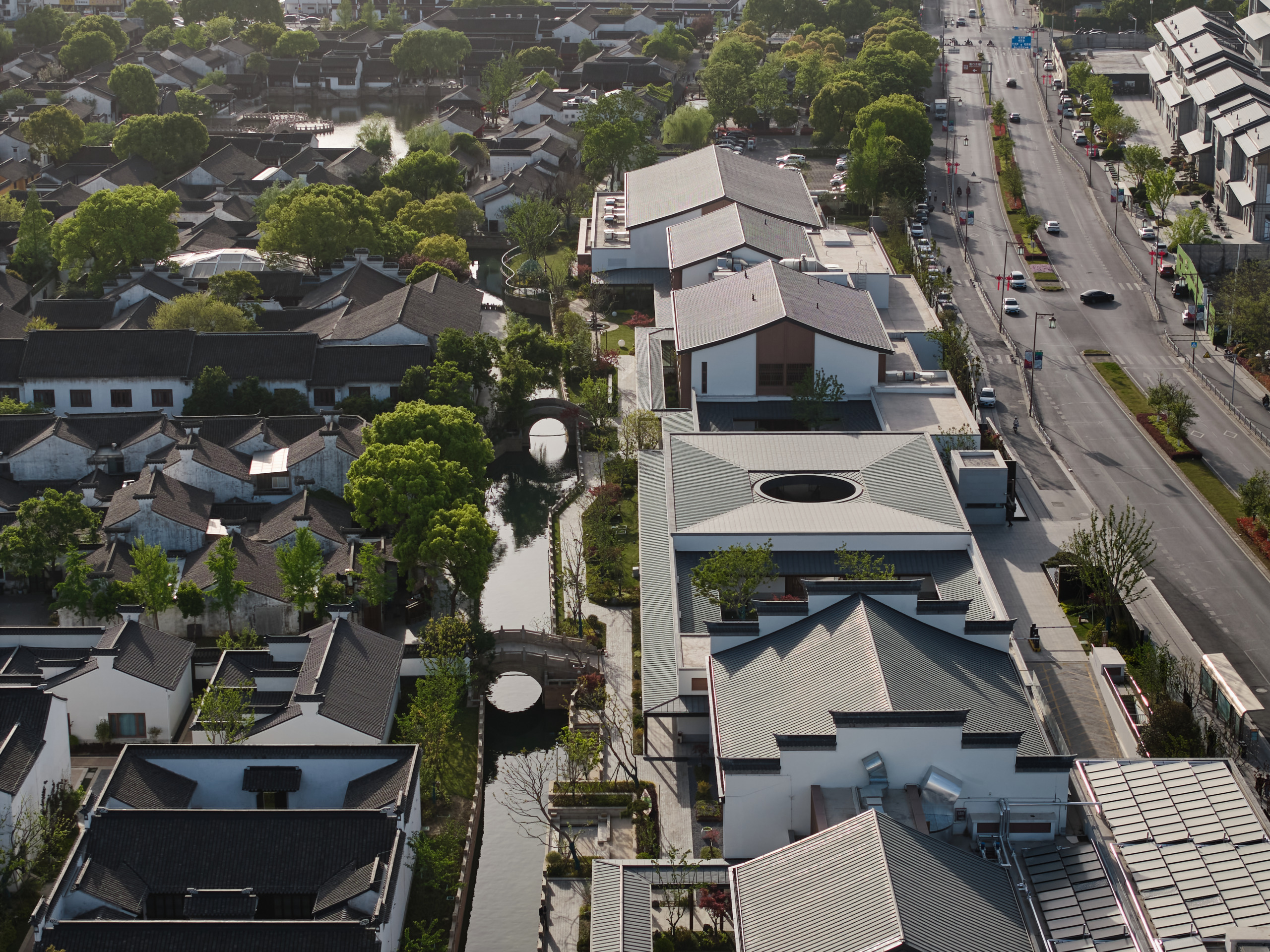
We blurred the boundary between our site and the ancient town, bringing the water canals in so that the hotel feels stitched into the fabric of the historic settlement. The orientation of the building, its scale, and its typologies are kept humble and low so that it sits quietly within the overall urban grain. It is a marriage between the history and foundation of the past and the sophistication of the present and the future — and that creates a timeless piece of design.
At a glance
Hotel Wuxi MGallery Collection: Part of a Story is a WATG article in which Raghavendra Shanbhag, Creative Director of Architecture, and Paolo De Simone, Creative Director of Wimberly Interiors, discuss the design of Dangkou Ancient Town Hotel Wuxi MGallery Collection in Jiangsu, China, completed in 2025. The project extends the canal network of the adjacent ancient town into the resort, drawing on Jiangnan garden principles, Wu cultural heritage, and the legacy of scholar Hua Cha to create an integrated architecture and interiors narrative. The project received two LIV Hospitality Design Awards in 2025 and won the International Hotel and Property Awards APAC Hotel Design award.
Storytelling
Since time immemorial, humans have sought experiences that provoke a deeper sense of connection to diverse patterns of lifestyle. These experiences that highlight philosophical meanings to our lives are intricate, fascinating and ever-changing across the world. It’s no surprise, then, that travel has become an integral part of our lives –satisfying our exploratory minds with new cultures and experiences in order to find intellectual respite from everyday life, and to help us evolve. The expectations of a modern-day traveler have changed over time, although one principle that always remains a given is the spirit of place.
Every place has a spirit or an essence which Leon Krier describes as genius loci. It has past, present and future as three realms which as a whole form the core of the place connecting the space-time continuum. Stories that are narrated through the medium of design use these realms to form an unwavering thread that captivates a user, hence revealing them to these experiences of senses and beliefs. The result? Memories that are exclusive to the place.
Stories offer:
- Authenticity: an authentic way of life in the location they visit
- Hyper-localization: a tailored experience that is specific to the place
- Social engagement: being a part of a community
Space and Time
As designers, we act as orchestrators – weaving together the unique experiences of a place with the engineered environment. In each design, whether it a hotel or a residence, a unified story must be told that celebrates the very best elements of the natural and built environments, culture, community, landscape, interiors and branding.
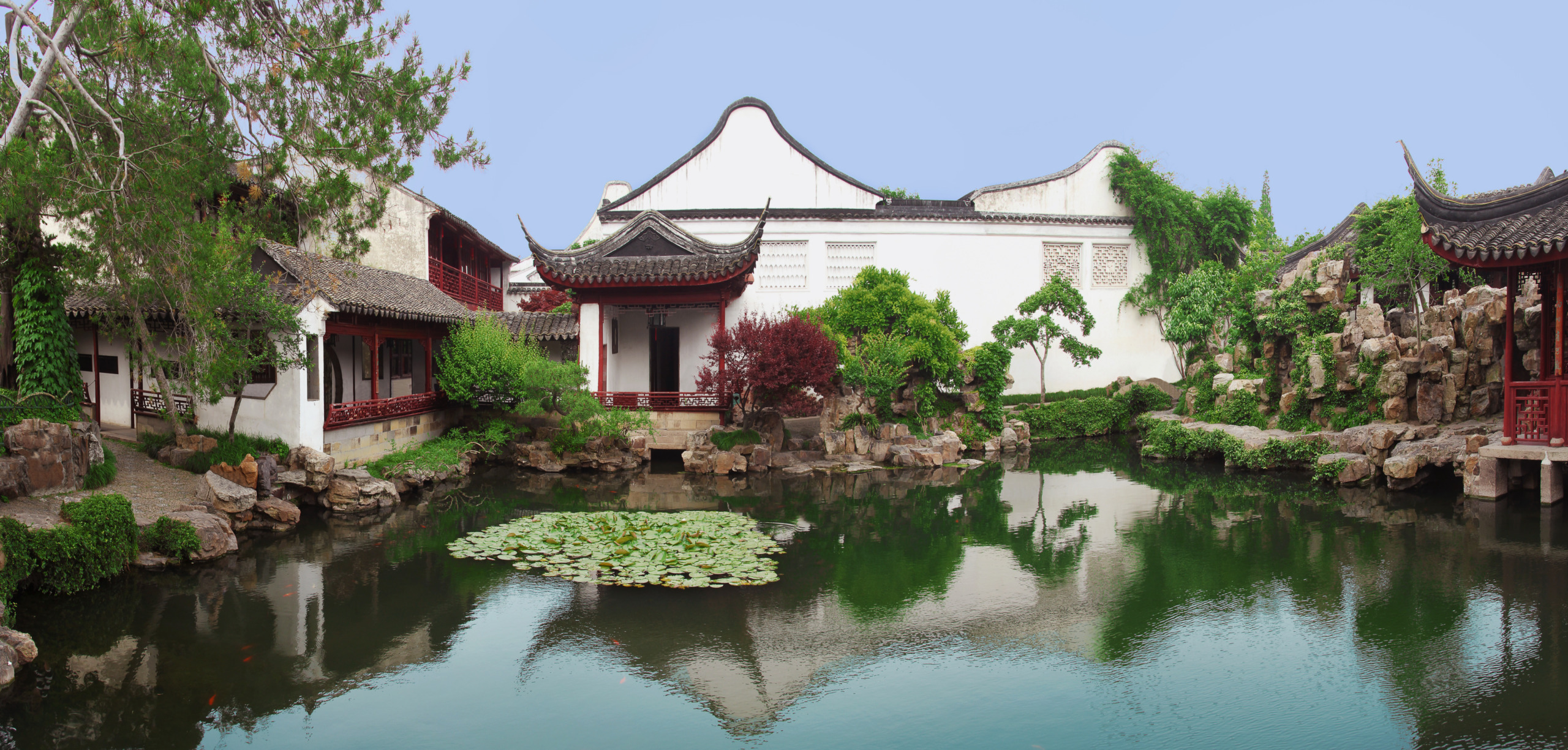
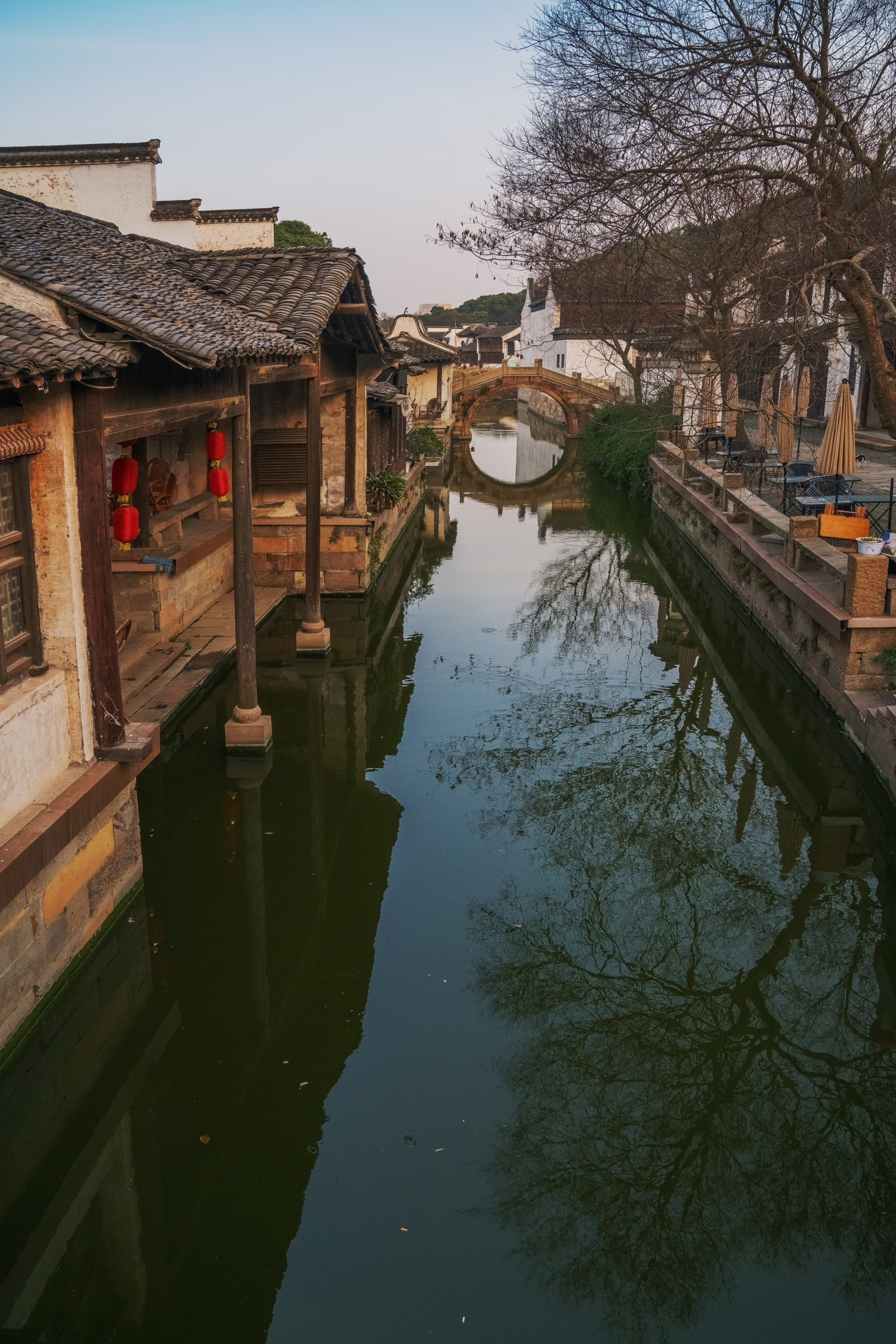
We envisioned Hotel Wuxi, MGallery Collection, in China on these same principles of weaving a story around space and time. Dangkou Ancient Town is an ancient city, rich in history, in the south of the Yangtze River. The essence of Wu culture – the concept of Jiangnan gardens in architecture and landscape – celebrates a sense of harmony: nature and humans are one. Water canals connect areas of the old town spread across like a network of waterways between various lakes. Traditional courtyard houses are nestled along the canals, accentuated with moon bridges that evoke charm and romance of a bygone era.

Generational Appeal
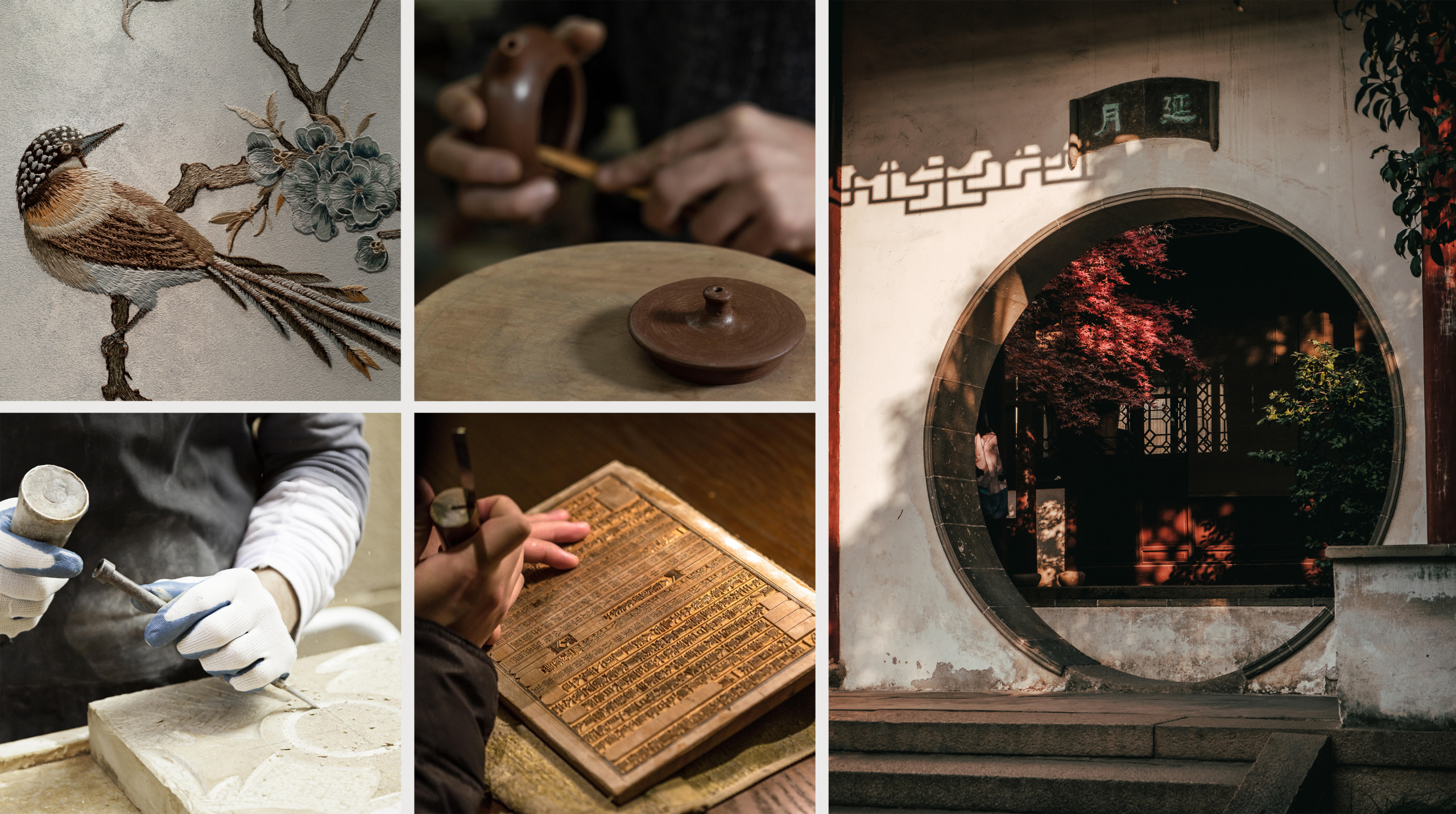
The canal town has been at the forefront of authentic cultural and developments in China due to the famous intellectuals and luminaries who excelled fields of knowledge, culinary, arts, mathematics, science, music and printing here centuries ago. This knowledge and art has been passed down, through the generations, and the traditional customs are kept intact and celebrated still to this day It’s also a “hot” destination for younger travelers, not only for this authenticity but also the filming of popular drama Forever and Ever, featuring famous actors Ren Jia Lu and Bai Lu, taking place in parts of Dangkou ancient town.
“We have created an immersive experience for guests that extends beyond the bounds of traditional hospitality.”
Water as the Connector
We deeply understand the importance of tradition and respect of local culture and community. Pete Wimberly, our founder, pioneered these principles 80 years ago, and they remain paramount in our process today. This same philosophy has served as the foundation of this particular project.
Our vision was to connect to all guests – both old and young –and encourage each of them to be a part of this continuing story. Water, which played a significant role in Wu culture through its inclusiveness and flexibility, is used to weave the design together by extending the canals into the property. Cultural spaces like the library, teahouse, art pavilions and cultural halls are combined with hotel functions to add an additional layer of authenticity to the experience. These spaces are strategically located in the guest’s journey and connected by a network of water canals that form a necklace of experiences.
a microcosm of nature
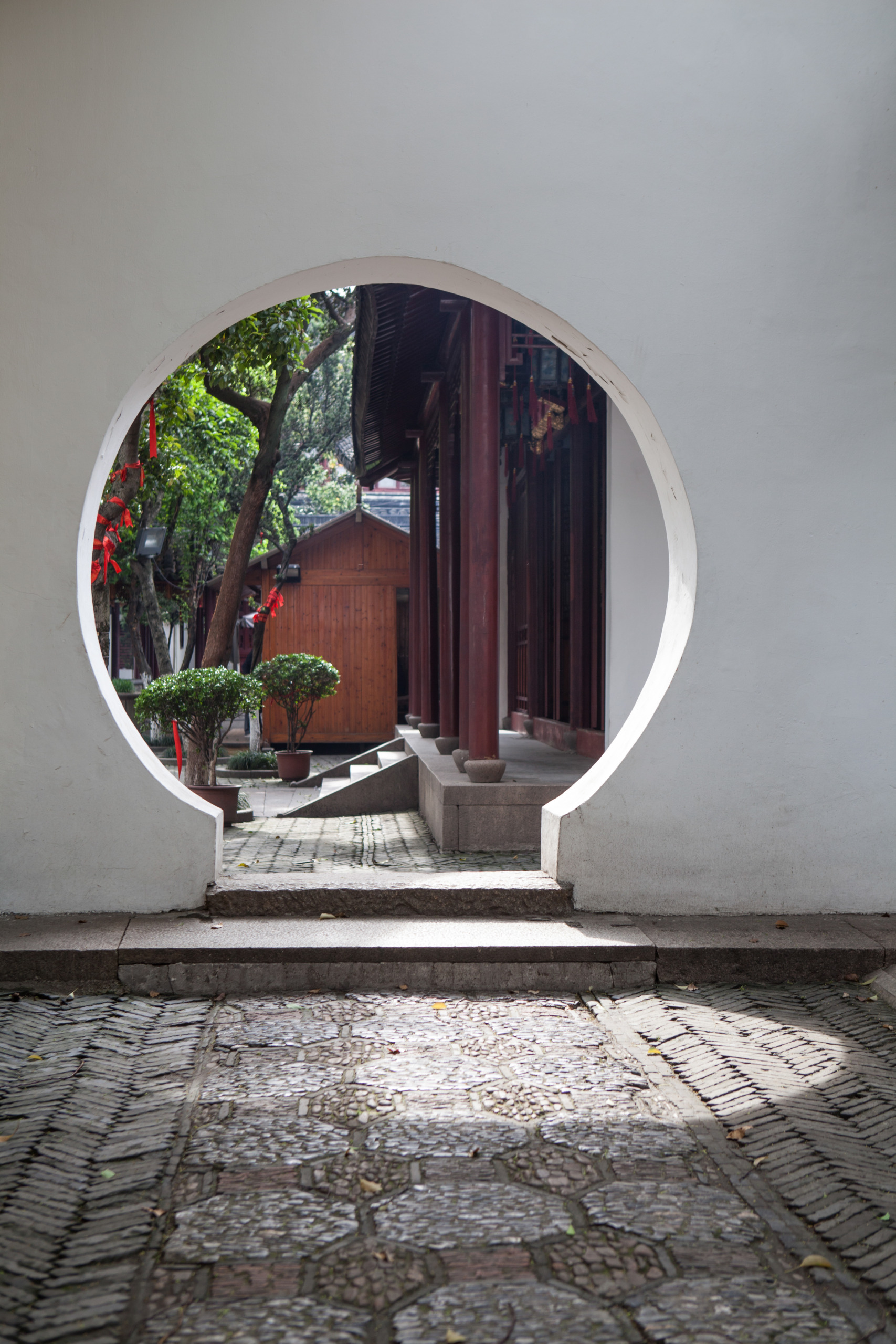
The general planning pays respect to Jiangnan architecture designed around the concept of traditional courtyard houses and Chinese garden principles – a microcosm of nature is followed in an aim to create tranquil spaces with shifting and borrowed views. Water canals are used to connect spaces extending the current network of water ways in the old town.
“We have demonstrated a deep respect for the past—honoring local artistry, textures, and cultural symbolism—while seamlessly integrating forward-thinking design principles.”
contemplative, grounded, and serene
The lobby is inspired by a library – a center for knowledge which pays tribute to the grand master Hua Cha who lived here centuries ago. A space to welcome and greet guests, this space is at the heart of the property and provides an opportunity to bring in new function in an older spatial typology.
The arrival experience is a poetic first chapter of the guest journey. Inspired by a Hua Cha poem that evokes the solitude of a mountain hut surrounded by nature, the lobby is anchored by a monumental, floor-to-ceiling artwork that frames the essence of the mountains. This sets the tone for the entire stay: contemplative, grounded, and serene.
borrowed scenery
Guestrooms continue the narrative with grace and depth. Drawing from the 20 scenic spots of the Jiadun Garden, the interiors translate poetic imagery into tactile reality. Furnishings are minimal yet warm, designed to encourage quiet reflection. Materials such as natural timber and stone were selected not only for their visual appeal, but for their ability to age beautifully—telling a story over time. Large windows frame curated views, blurring the boundary between interior and exterior, echoing the traditional Chinese garden principle of borrowed scenery. Spaces open and close rhythmically, orchestrating movement through light and shadow, intimacy and openness. Each room is conceived as a private sanctuary—one that reflects the natural elements of Dangkou and Hua’s introspective worldview.
diversity and dreams
Diverse amenities and experiences give a hands-on moment for guests to engage in learning local arts and crafts like weaving and calligraphy. These are combined with hotel programs such as a tea house and children’s craft area, further providing the opportunity for social engagement with the local community.
As a listener, hearing positive stories opens one’s mind to diversity leading to dreams that bring excitement. But engaging in a story through participation adds new layers and dimensions that evoke something much deeper. The value here is much more profound than a story. Hotel Wuxi, MGallery Collection is a humble effort that achieves both.
Hotel Wuxi, MGallery Collection
WATG + Wimberly Interiors thoughtfully crafted a design where stories of culture and history come to life in every corner.
Latest Insights
Perspectives, trends, news.
- Project Stories
Connecting Historic Preservation and Wellness Design
- Strategy + Research
Phu Quoc at a Turning Point: Lessons for Long-Term Island Planning
- Design + Innovation
Lagen Island Resort, El Nido: A Shared Legacy of Responsible Luxury
- News