The Architect of the Future
By Sean Harry
December 16, 2025
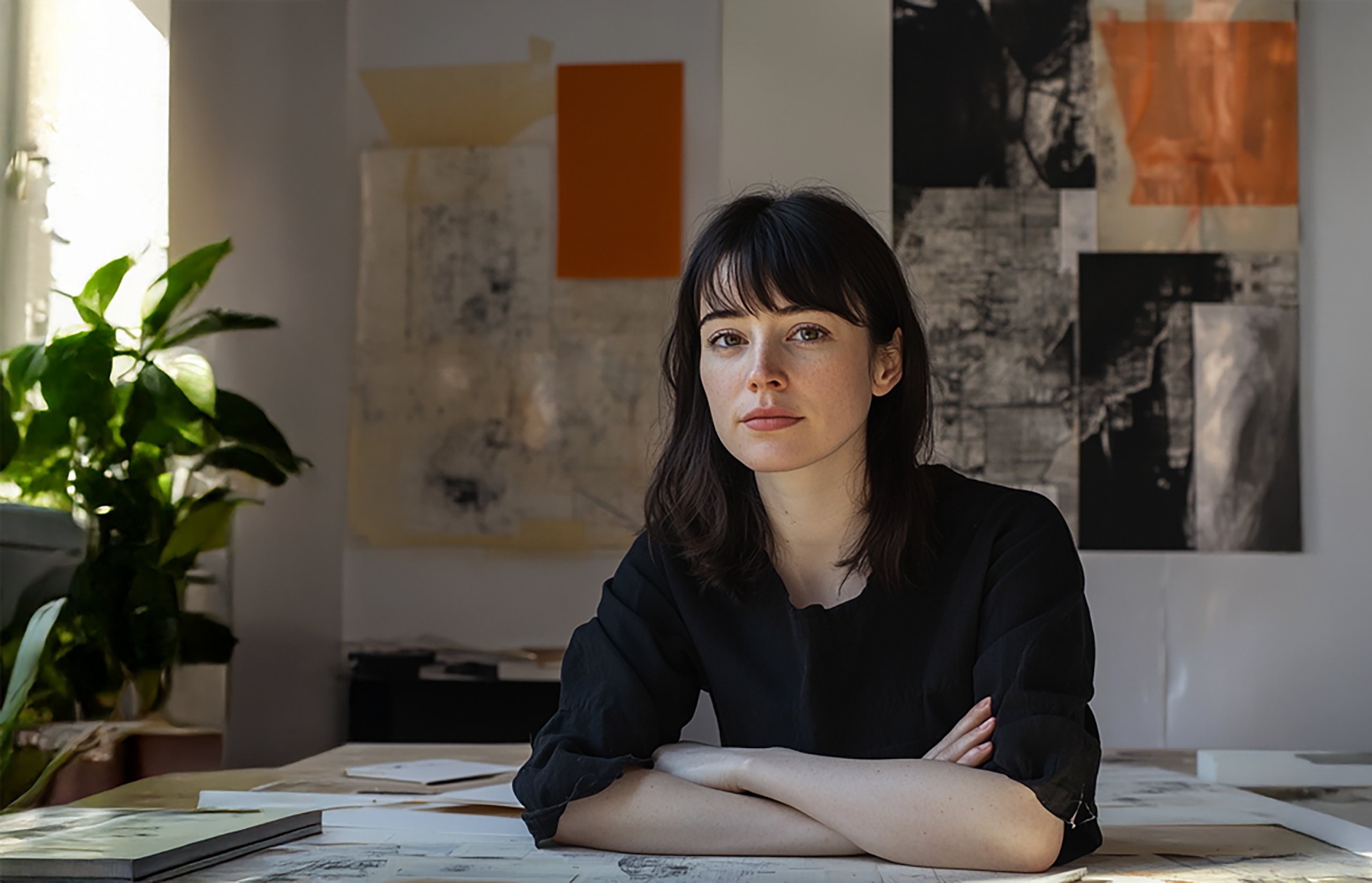
It’s a Tuesday morning in 2028. Amelia, a WATG architect, begins her day not with spreadsheets or chasing approvals but in a virtual design studio, a space where 3D models refresh in real time while overlays display sustainability metrics, site data, and client priorities.
Before her first coffee, her AI assistant has already:
- Curated materials from trusted suppliers, weighing cost, sustainability, and availability
- Produced site-specific design alternatives powered by solar and climate data
- Flagged potential regulatory or compliance issues in advance.
By mid-morning, Amelia is doing what she loves: sketching visionary ideas, shaping experiential narratives, and driving spatial creativity.
A holistic approach to integrating digital and data, enhancing creativity, sustainability, client experience, and operational efficiency.
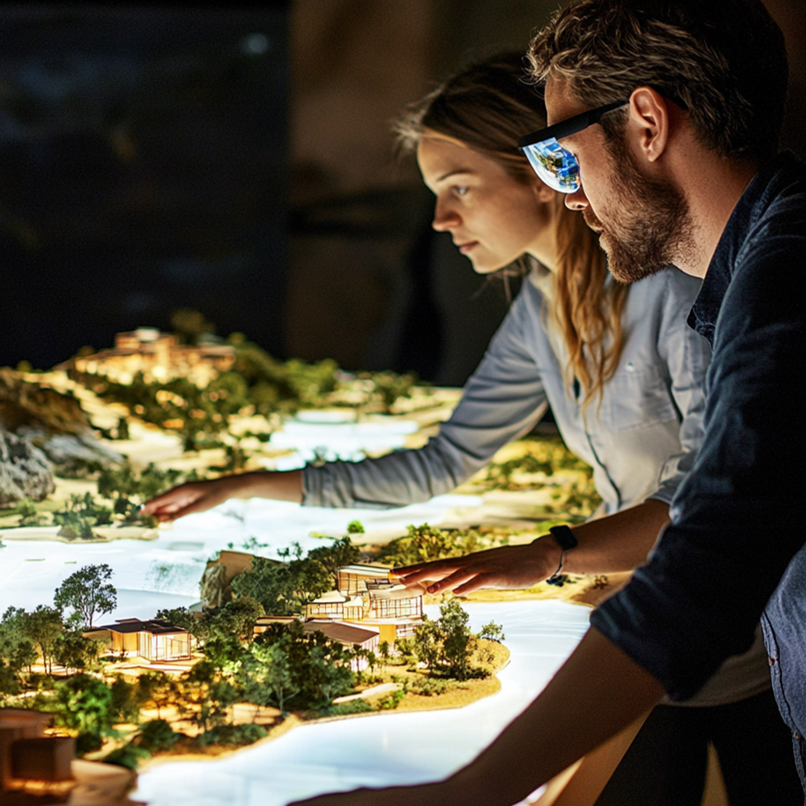
10am: Amelia meets with her team across multiple time zones in a virtual, immersive space. They review 3D models, each rich with real-time data overlays. Every team member’s work syncs seamlessly, updated as they make changes. Her AI assistant tracks team progress, notes each project’s alignment with schedules, and flags any potential issues.
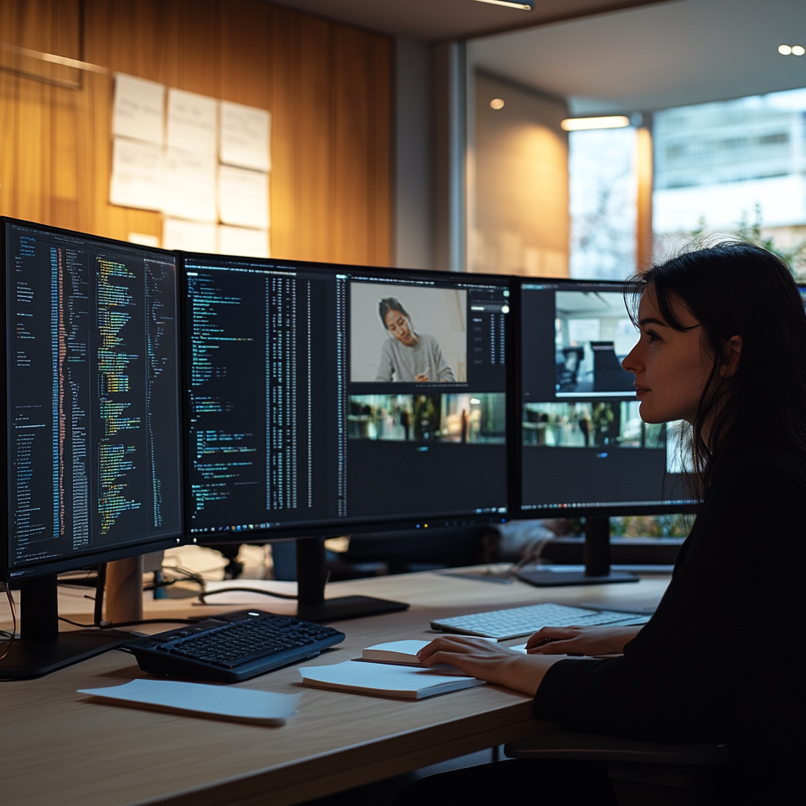
11:30am: Amelia reviews her concurrent project management program which streamlines workflow for multiple projects, enhances collaboration across teams, and runs predictive scheduling and resource allocation.
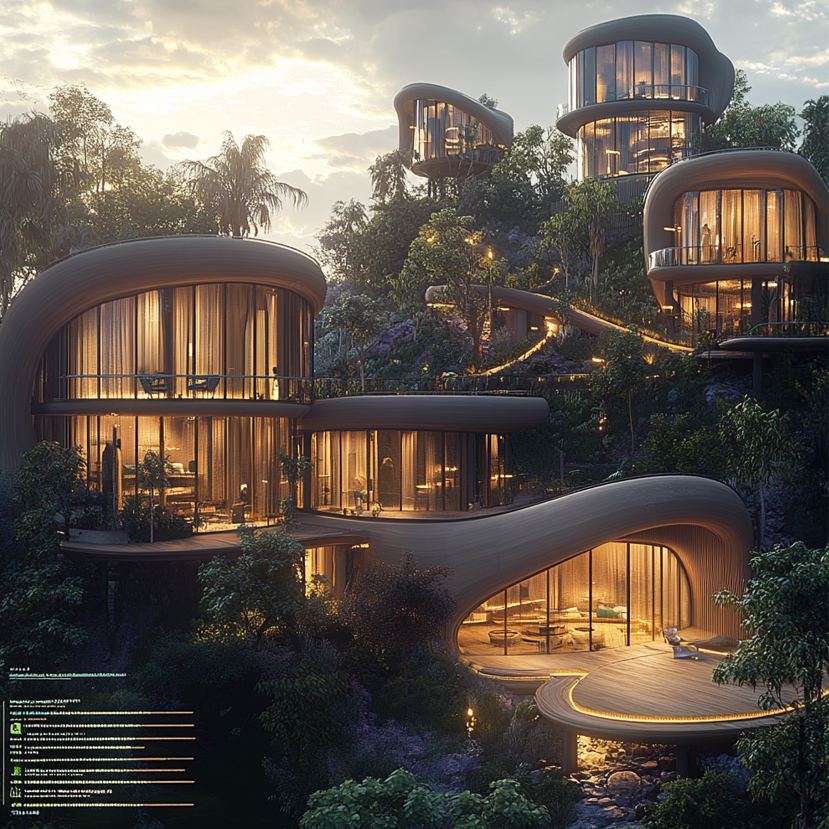
12pm: Amelia has capacity to focus on her creativity and strategic vision for an upcoming project.
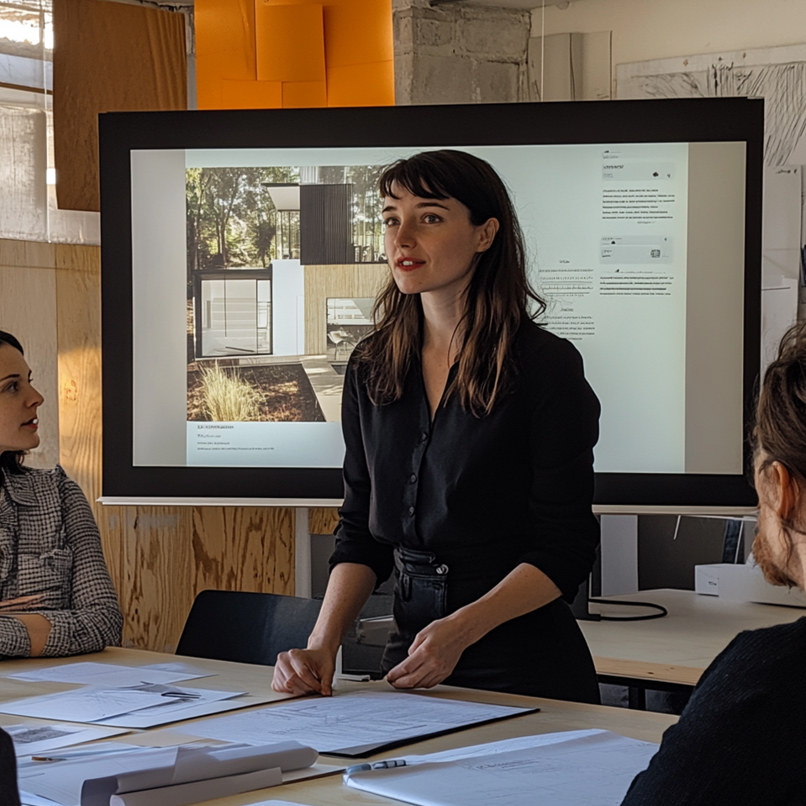
2pm: Client Meeting. AI-enhanced client relations and faster approvals.

6pm: Increased task automation and data consolidation allows Amelia more time to enjoy dinner with friends.
Digital and Data Strategy
At WATG, our digital and data strategy is already laying the foundation for this future. We’re building the tools and culture where designers can lean into creativity. Here’s what that future really looks like, fuelled by research, grounded in real innovation.
AI as a Creative Partner
AI isn’t replacing architects; it’s amplifying their potential. Across the industry, early-stage AI tools are accelerating ideation and enhancing visual communication. Whether generating massing studies or analyzing performance data, AI augments human creativity while preserving the architect’s voice and vision.
Immersive, Virtual Collaboration
VR and AR are transforming how designers and clients interact, not just to see, but to experience a space. Immersive tools create dynamic, co-creative environments where design decisions happen faster and more intuitively. They also allow global teams and clients to step into design concepts and give feedback from anywhere in the world.
At WATG, virtual design reviews are already part of our collaborative toolkit, offering immersive walkthroughs and real-time feedback that enrich the creative process.
Generative Design and Real-Time Optimization
Generative design allows architects to explore countless configurations, balancing site, climate, regulation, and cost, quickly and visually. We’re integrating parametric design and energy modelling from the start of projects to evaluate performance early and make smarter decisions faster. Tools that automate site analysis and optimize layouts empower our designers to focus on innovation, not iteration.
Biomimicry and Responsive Performance
Designing with nature is standard practice. We look to ecosystems for inspiration, designing buildings that respond to sun, wind, and landscape. Biomimetic principles guide projects that are more comfortable, efficient, and engaging, helping us deliver spaces that live in harmony with their surroundings.
Emerging Research in Human-AI Design Interaction
New tools are reshaping the way we engage with design. Voice-controlled environments, AI sketch-to-model workflows, and real-time parametric feedback loops are no longer experimental, they’re being tested and used. We’re piloting tools that let designers generate ideas, evaluate sustainability, and visualize outcomes instantly without breaking creative flow.
Experiential Innovation
Architecture is increasingly informed by storytelling, data, and experience. Virtual concept spaces, narrative-driven environments, and digital art integrations are influencing how we imagine and present our work. We use immersive media to test, refine, and communicate bold ideas that may start virtually but often become tangible, built realities.
What This Means for Amelia, and WATG
- AI-Powered Ideation: Fast, data-informed design options powered by intelligent algorithms
- Immersive Collaboration: VR design studios with real-time feedback
- Generative Parametric Tools: Smart models that adapt to site, sustainability, and user needs
- Biomimetic Design: Architecture that responds to climate and life
- Interactive AI Workflows: Creative tools like voice commands and real-time model feedback
- Virtual Testing Grounds: Digital design experiments that shape real-world solutions.
In Amelia's Words
“Imagine a design assistant that’s sketching ideas, analyzing daylight, and generating forms. I step into the virtual courtyard we’re designing, feeling its textures, scale, light at dusk. I say, ‘make it more shaded here,’ and the model reshapes before me. The building feels alive, in dialogue with wind, sun, and people. I’m freed from repetitive tasks and rediscover why I became an architect – to create spaces that surprise, inspire, and endure.”
How WATG is Leading the Charge
We’re not waiting for 2028, we’re building it now:
- Rolling out a digital infrastructure that links design, performance, and delivery
- Embedding AI, VR, generative tools, and sustainability benchmarks into daily workflows
- Creating learning forums so every designer, not just the Amelias, is equipped for the future.
The Future will involve a revolutionary way of doing things and such a paradigm shift is now inevitable. The key is to prepare today for this disruptive new way of designing destinations that lift the spirit. Pushing the boundaries of possibility while delivering enduring client success across the globe. We will learn from our past, embrace our present, and design our future.
Latest Insights
Perspectives, trends, news.
- News
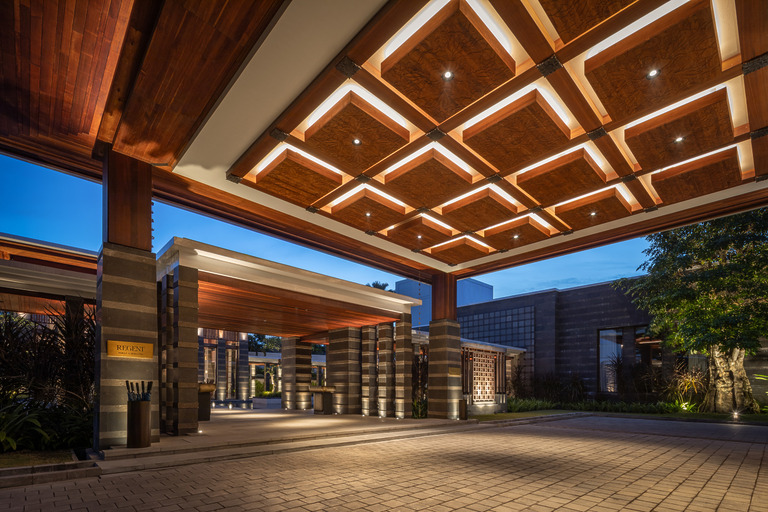
WATG + Wimberly Interiors at the LIV Awards 2025.
- News
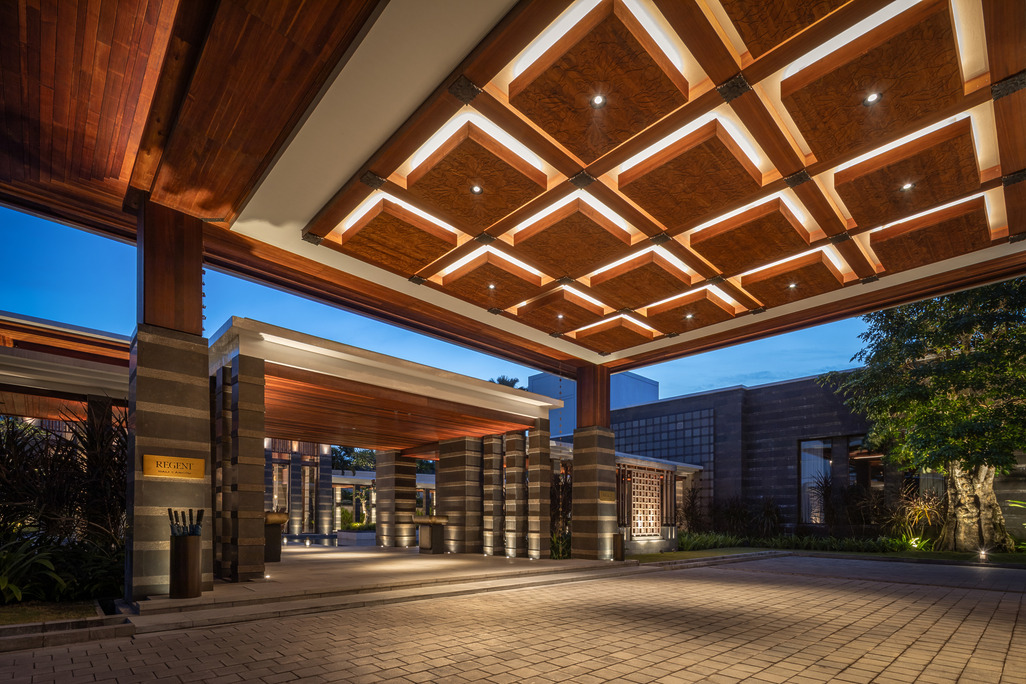
WATG + Wimberly Interiors at the LIV Awards 2025.
- Project Stories
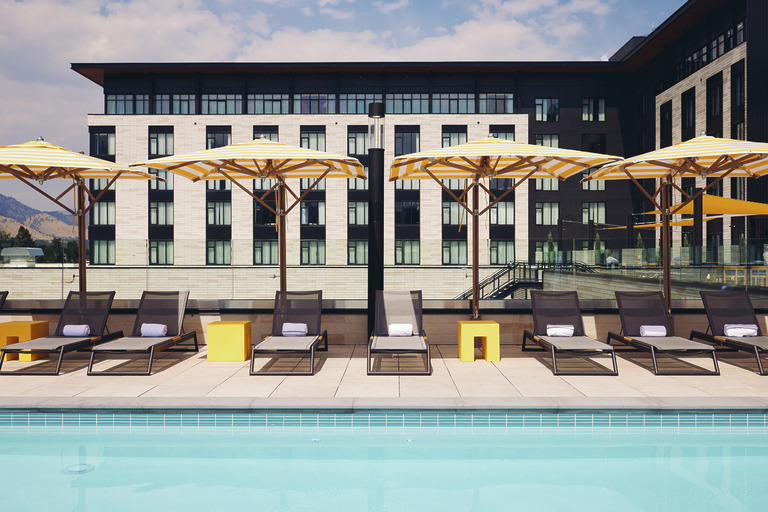
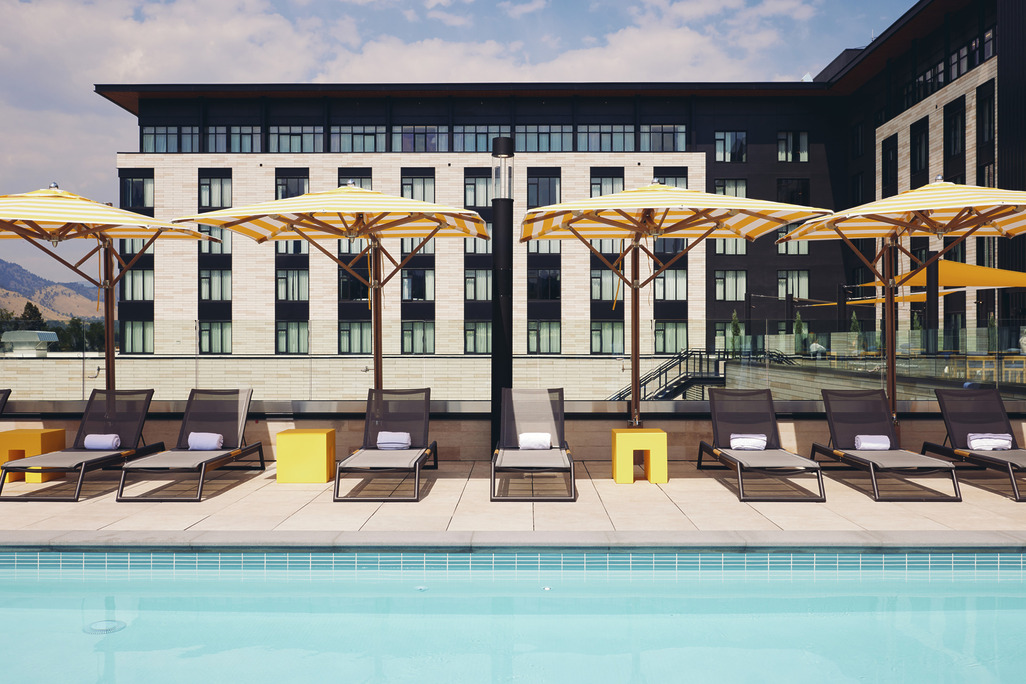
Limelight Boulder: A Study in Intelligent Design
- Project Stories
Limelight Boulder: A Study in Intelligent Design
- News
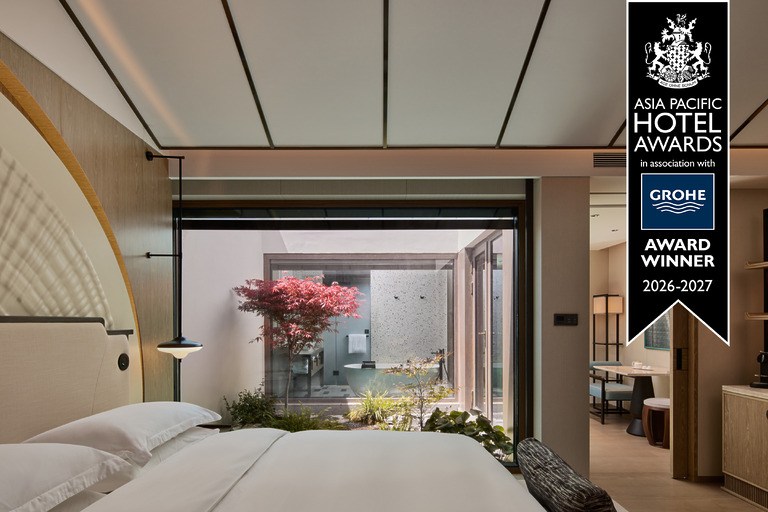
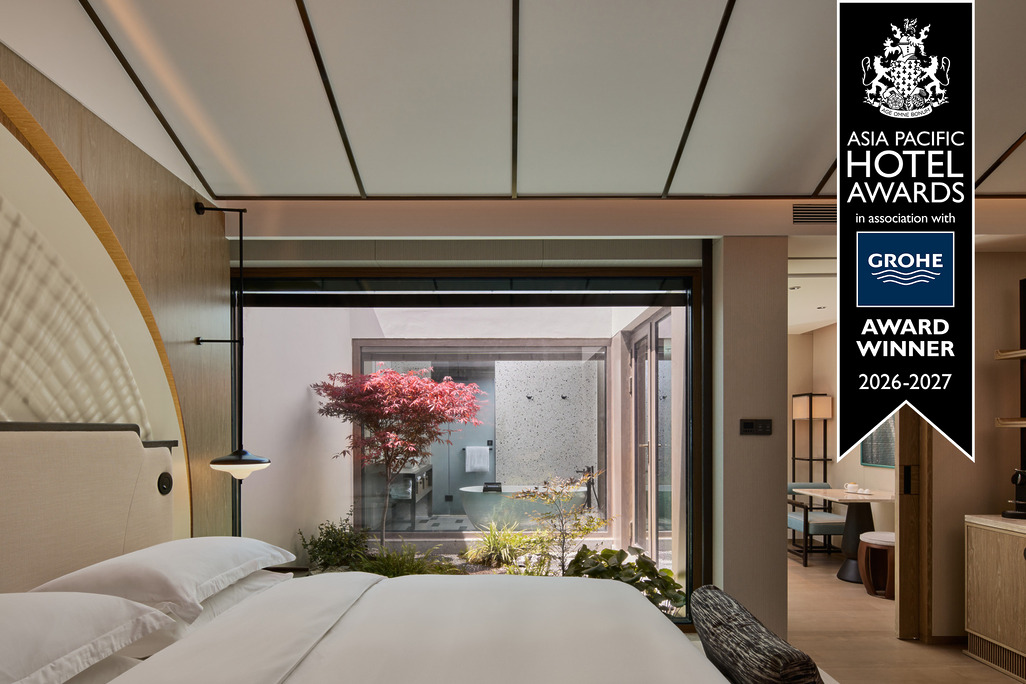
Hotel Wuxi – Mgallery Collection wins Asia Pacific Property & Hotel Award, 2026-27
- News
Hotel Wuxi – Mgallery Collection wins Asia Pacific Property & Hotel Award, 2026-27

- Inside WATG
Inside the Dallas Studio: Creativity Through Reuse

- Inside WATG