- North America
Transforming a World Wonder: A Master Plan Framework for the Giza Pyramids
Giza, Egypt
Advisory, Master Planning
Egypt is embarking on an ambitious nationwide initiative to reimagine a thriving tourism industry. As a key element of its economic growth strategy, significant investments are being channeled into destinations throughout the country, reflecting a bold vision to strengthen Egypt’s global tourism offering.
Within this context, the Egyptian government has recognized that the value and integrity of the Giza Pyramids destination, including one of the world’s most iconic UNESCO World Heritage Sites, Memphis and its Necropolis, the Pyramid Fields from Giza to Dahshur, has been diminished over time, primarily due to uncontrolled urban sprawl surrounding this globally significant cultural landscape. This acknowledgment presents a major opportunity to revitalize these cultural heritage assets and the surrounding urban and agricultural areas, allowing the region to evolve into a world-class destination appealing to cultural heritage tourists and travelers of every kind.
This project represents a once-in-a-lifetime opportunity for WATG’s planning, advisory, and conservation teams, who are leading a venture of extraordinary national and global significance.
Egypt is embarking on an ambitious nationwide initiative to reimagine a thriving tourism industry.
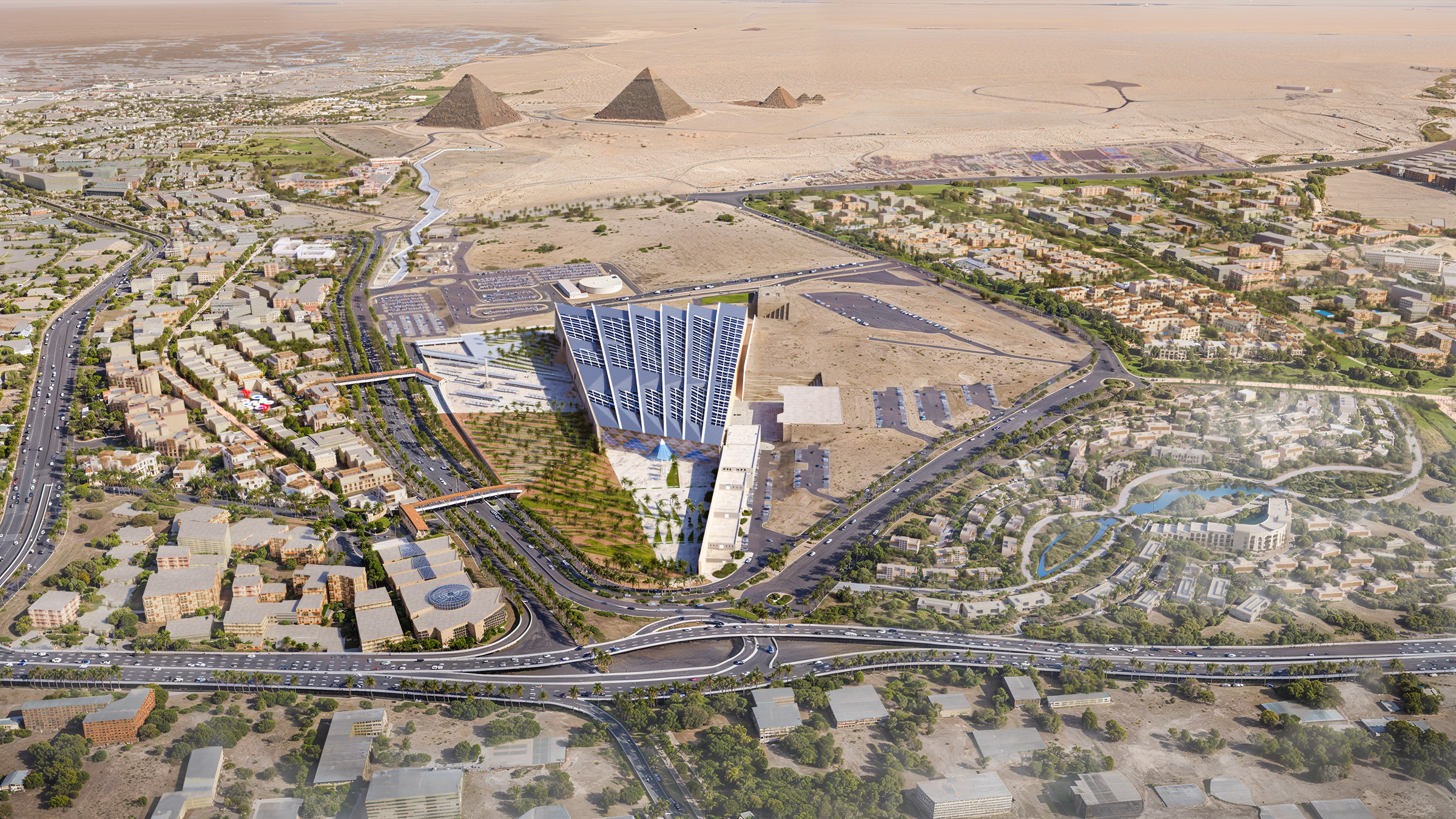
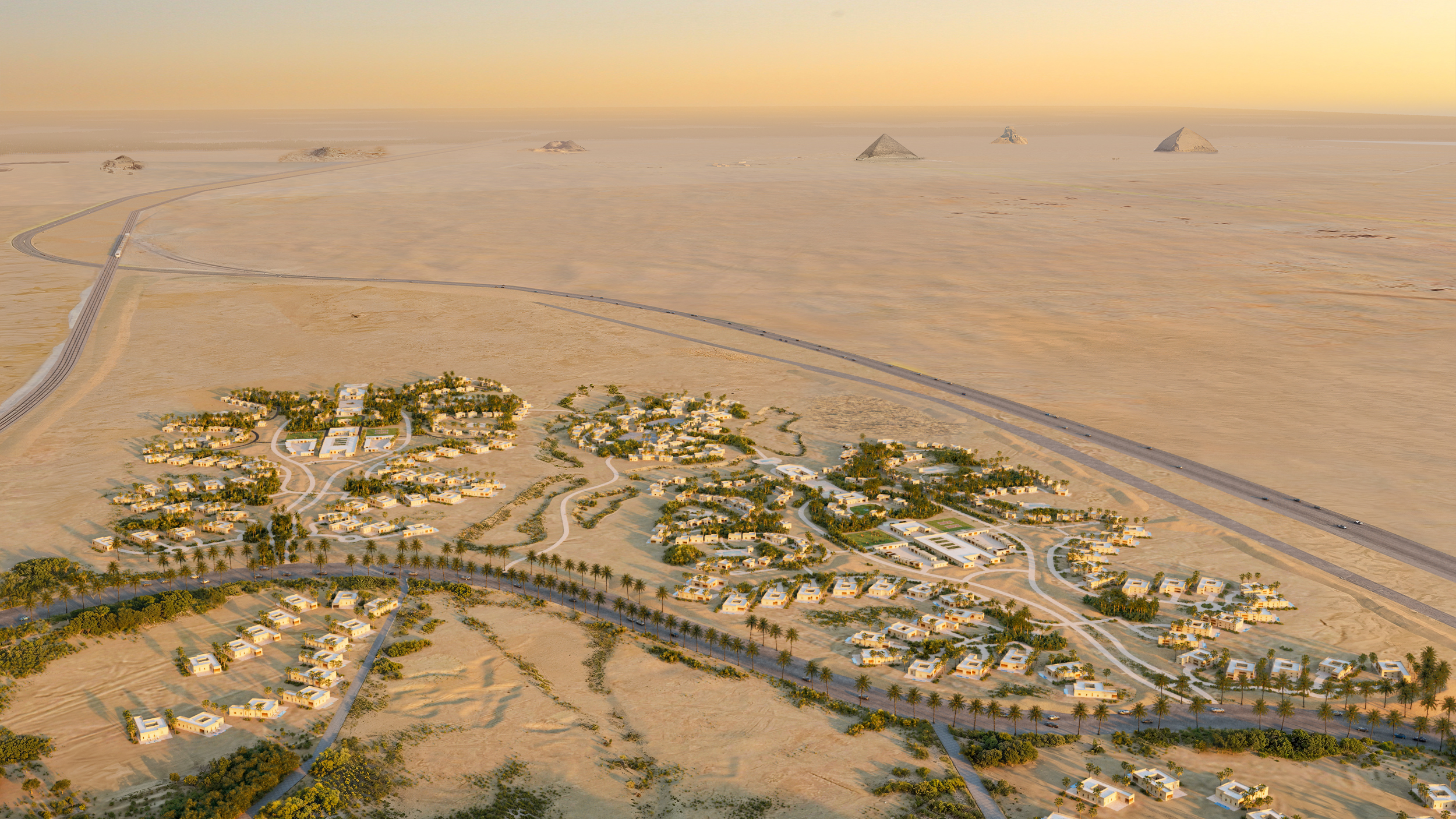
WATG’s planning and advisory teams were appointed in 2024 by the Egyptian government and tasked with developing a major tourism master plan around the perimeter of the 162-square-kilometer UNESCO World Heritage Site, including the Great Sphinx and the Great Pyramid of Khufu, the only remaining Wonder of the Ancient World. The objective was to guide a more holistic, diverse, and sustainable destination experience for this region of Egypt.
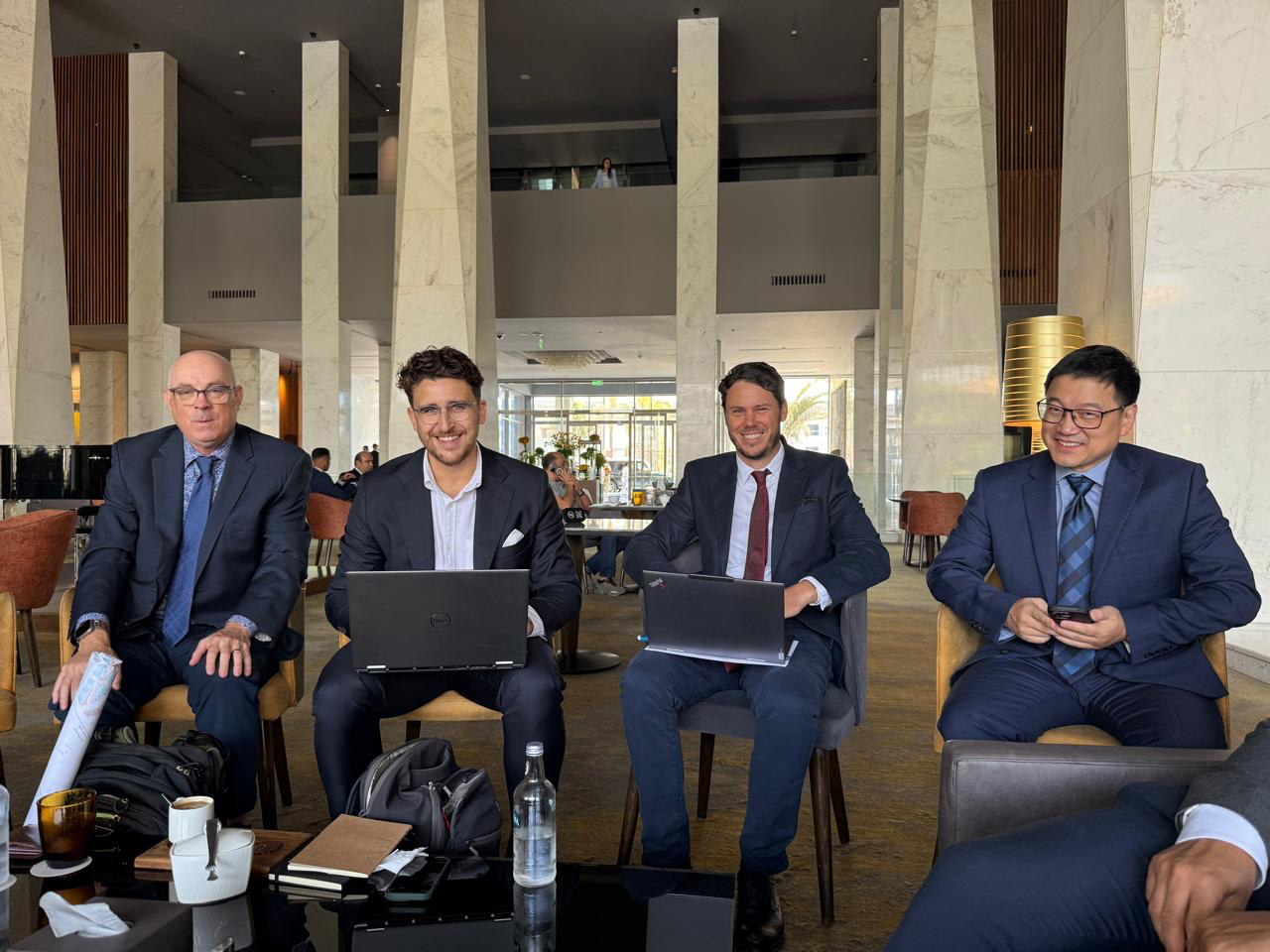
The master planning and advisory effort is led by WATG’s core leadership team, including Advisory Director Rob Sykes, Master Planning Studio Director Xin Li, and Master Planning Creative Director Christopher Craig. Working from WATG’s London and Tustin offices, the team guided the project from early strategic definition through technical analysis, stakeholder engagement, and the development of a long-term implementation framework.
The master plan framework spans both brownfield and greenfield sites across the Western Desert plateau overlooking the Nile River Valley and the city of Cairo. The work addresses complex challenges related to cultural heritage and environmental conservation, community growth, infrastructure, and land ownership, while balancing the priorities of a wide range of stakeholders.
As global tourism specialists, we combine international experience with a deep commitment to understanding and respecting local culture and context.
WATG was selected to lead this internationally significant master plan due to its integrated advisory and planning approach. As global tourism specialists, the firm combines international experience with a deep commitment to understanding and respecting local culture and context.
Having worked in Egypt for many years, WATG has witnessed the country’s transformation firsthand, driven by a new generation seeking higher-quality, more authentic experiences and a more sustainable future. Tourism sits at the heart of Egypt’s economic ambitions, and the government is committed to advancing the sector as a primary driver of growth. Despite its global prominence and unparalleled history, the Pyramids region continues to face challenges related to urban sprawl, infrastructure, and cultural heritage conservation.
WATG was engaged to identify key issues, evaluate tourism and development potential, and deliver a clear roadmap for the region’s future. The team developed an implementable framework designed to protect heritage assets, shape governance, strengthen public engagement, and support more resilient tourism potential. Rather than producing a fixed plan, the approach emphasizes adaptability, allowing the framework to evolve over time.
WATG’s Advisory practice brings a clear understanding of development and investment realities, ensuring the work extends beyond design. By defining development pillars and aligning them with strategic priorities, the plan supports Egypt’s global tourism positioning while delivering meaningful, long-term benefits for its people, cultural heritage assets, and economy.
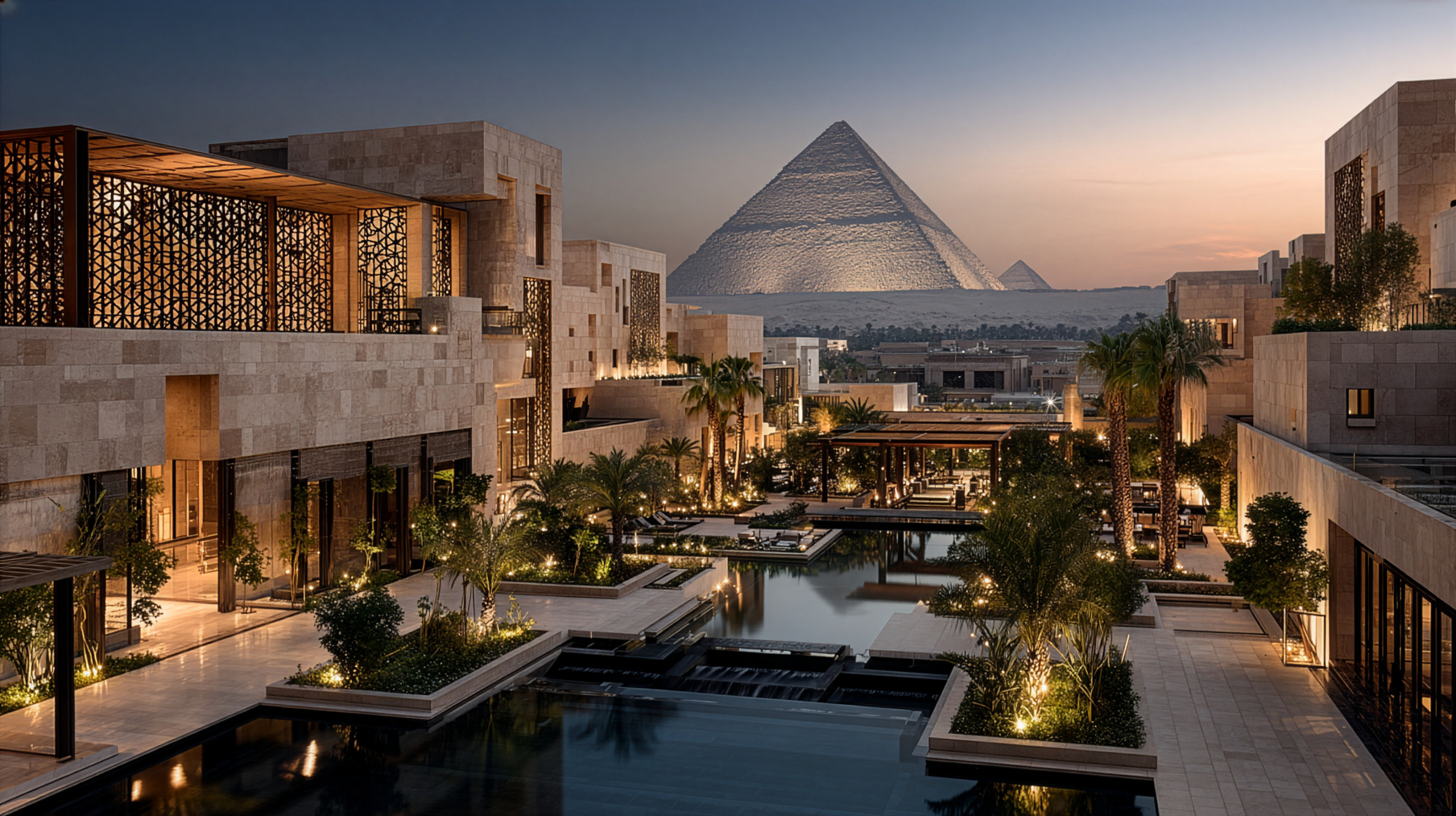
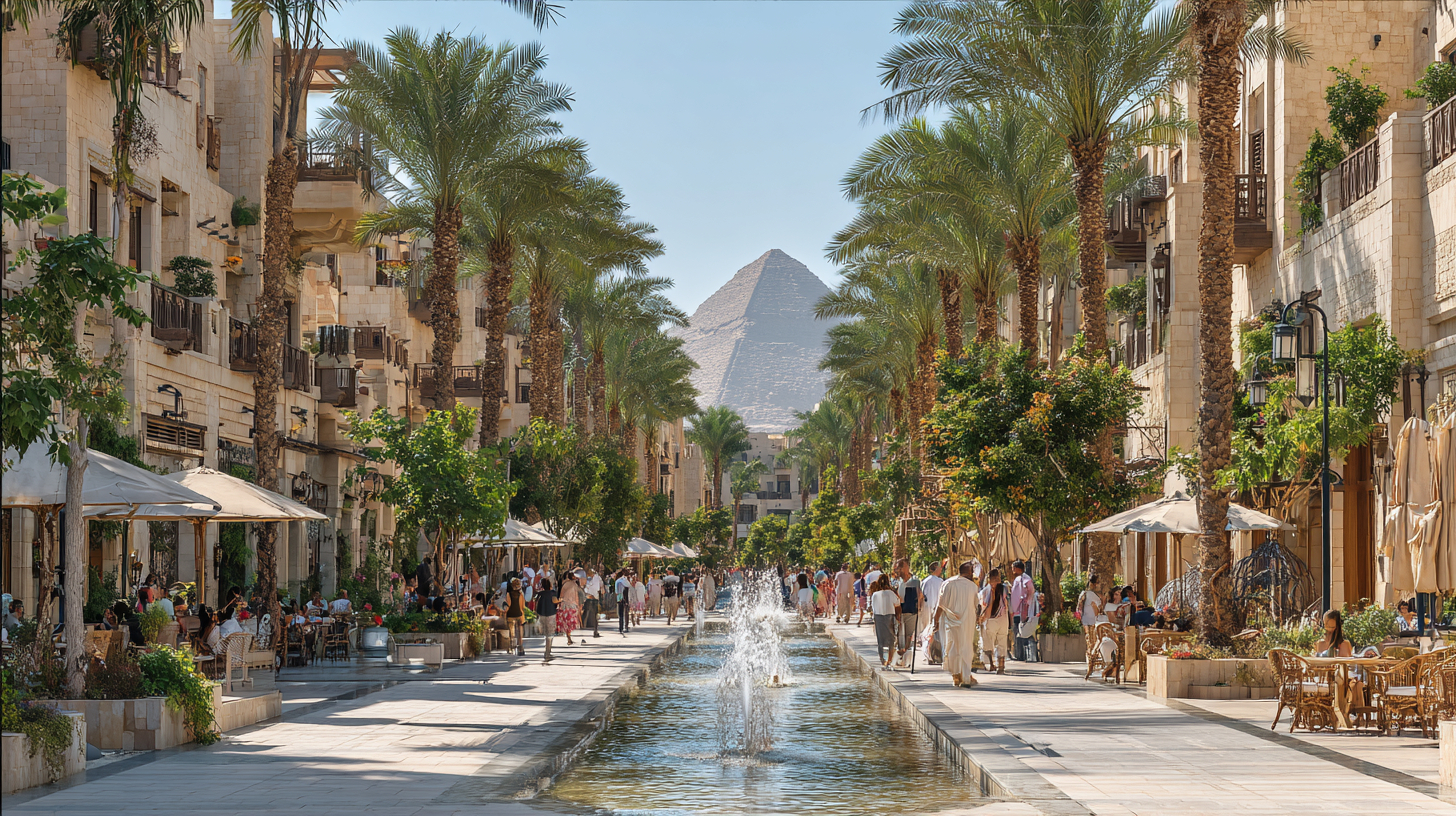
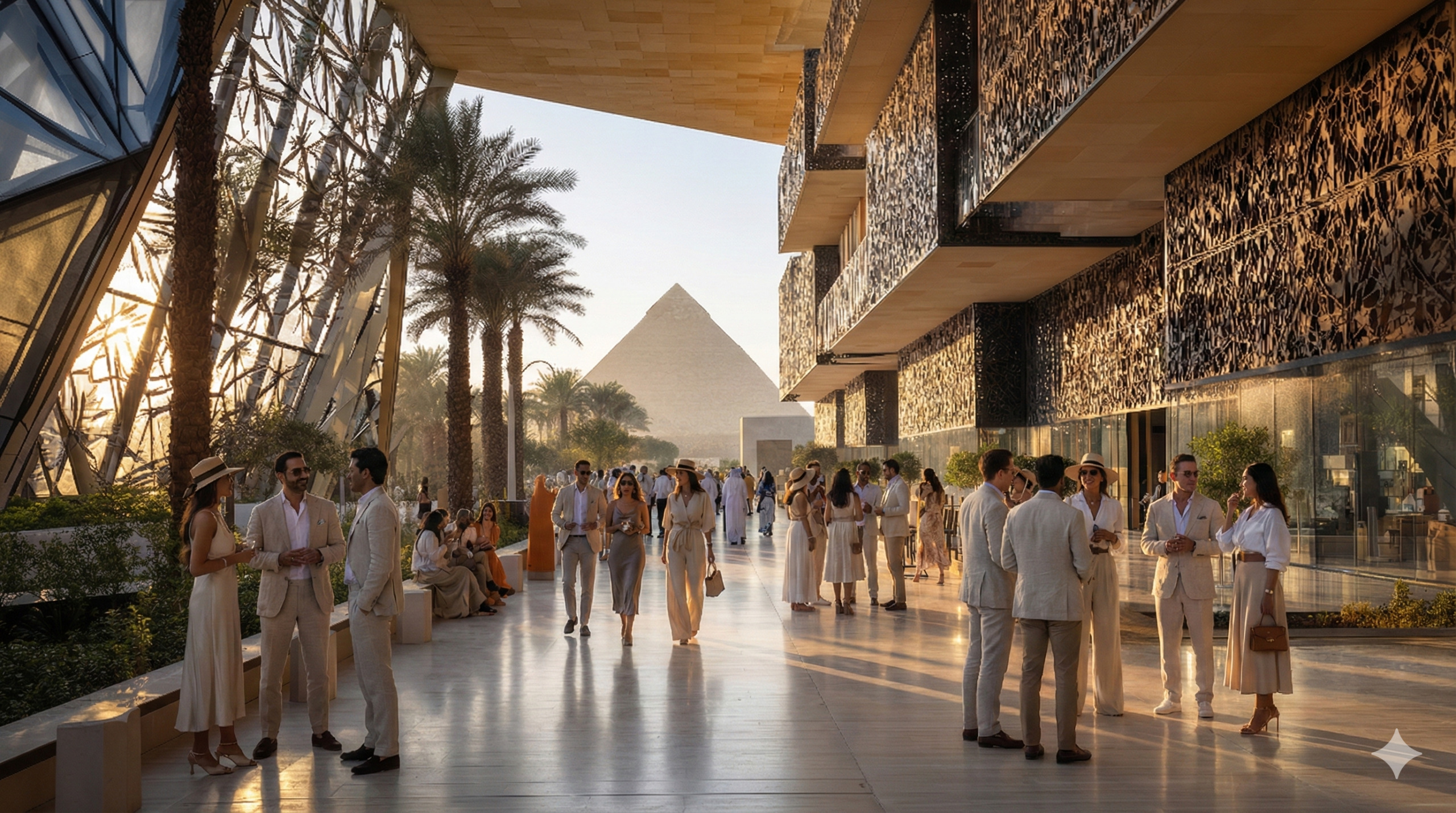
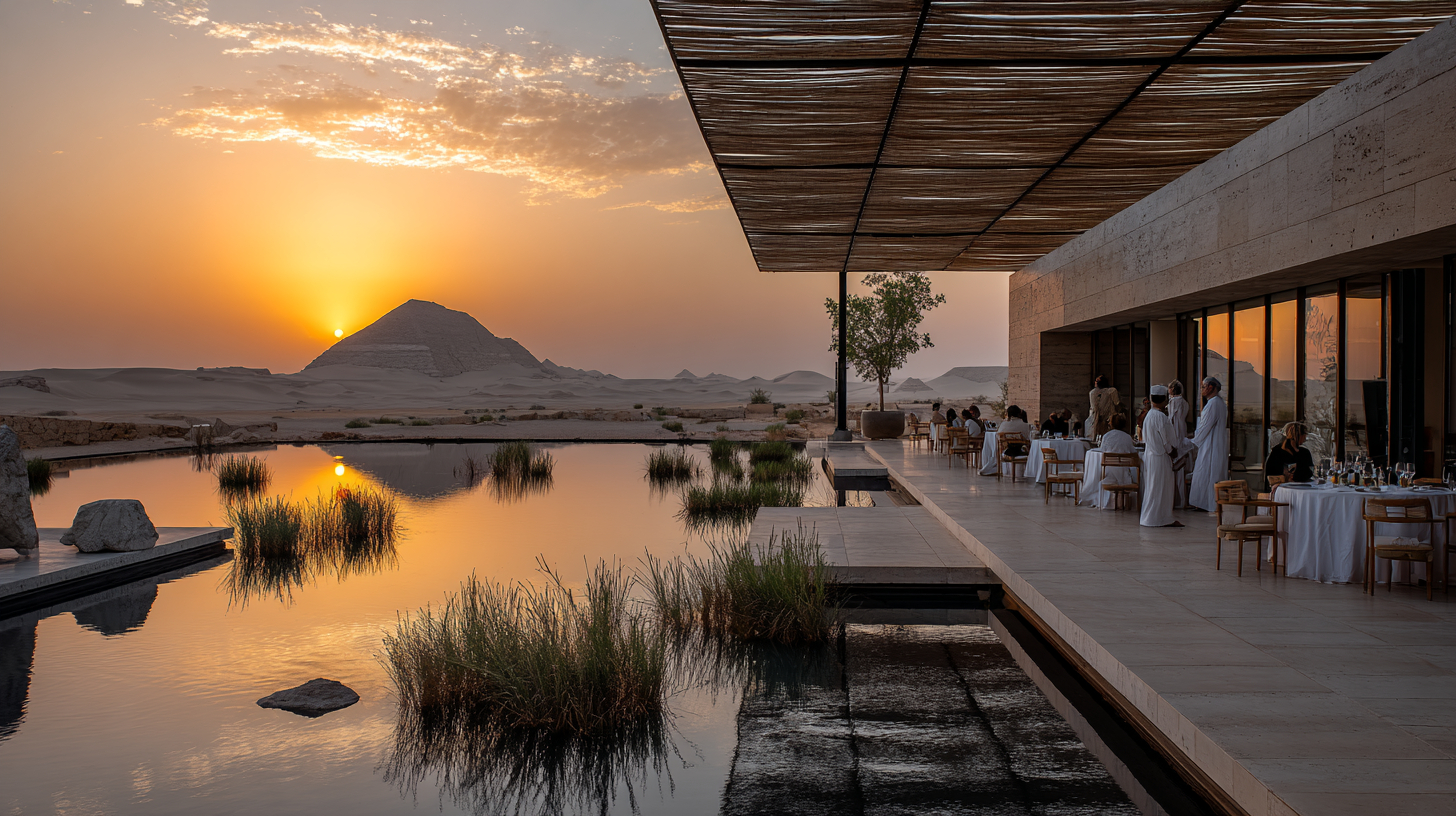
Reconnecting the Pyramids Complex to its cultural landscape context, and restoring the original processional approach to experiencing the site with reverence and wonder.
The international significance of this project required assembling a team of leading global experts, complemented by locally based specialists. Despite operating from opposite sides of the world, WATG’s Tustin headquarters and London office collaborated closely to deliver an integrated approach. Together, the teams carefully selected cultural heritage specialists (PUD), branding consultants (Luxury Partners), and engineers (Shaker), while also engaging with multiple stakeholder groups to deliver a comprehensive response.
While WATG brings a global perspective, the local team’s decades of experience in the region provided essential cultural insight, reinforcing authenticity and sensitivity throughout the master plan. The perspectives of clients, community members, and regional experts were central to shaping a plan that is visionary yet grounded, aligned with the guidance and best practices of UNESCO and ICOMOS.
Local Egyptologists Dr. Fekri Hassan and Dr. Michael Jones, along with heritage architect Professor Dalila ElKerdy, were engaged under the guidance of Amr Attia. Their expertise was instrumental in articulating the cultural significance and resonance of the broader pyramids landscape.
Working within the broader planning and advisory framework, the cultural heritage component of the project was overseen by Andrew Anderson, landscape architecture and heritage planning consultant. From the outset, Andrew worked closely with the planning team to guide alignment with UNESCO World Heritage guidelines and support a renewed respect for the necropolises and pyramids spanning the 31 dynasties of Ancient Egypt. His dual understanding of cultural heritage and WATG’s planning methodology enabled him to bridge research and strategy, making him a vital contributor to the project.
Together with local experts and the WATG planning team, Andrew identified the broader cultural landscape of the study area, spanning millennia from the prehistoric era to the present day, positioned atop the Western Desert escarpment and overlooking the agricultural landscape of the Nile Valley. The resulting master plan reconnects a fragmented series of necropolises and pyramids through a network of differentiated tourism gateways, offering a renewed visitor experience while strengthening long-term heritage protection.
This project represents an unprecedented scale for WATG. While no two tourism regions are alike, the team drew from lessons learned on global precedent projects, including the Red Sea Project and the recently completed Sharaan National Park master plan in Saudi Arabia. The goal throughout has been to strike a careful balance: preserving and strengthening the authenticity and integrity of UNESCO World Heritage Sites while creating meaningful, sustainable tourism
opportunities that generate long-term economic value and offer respectful, memorable visitor experiences.
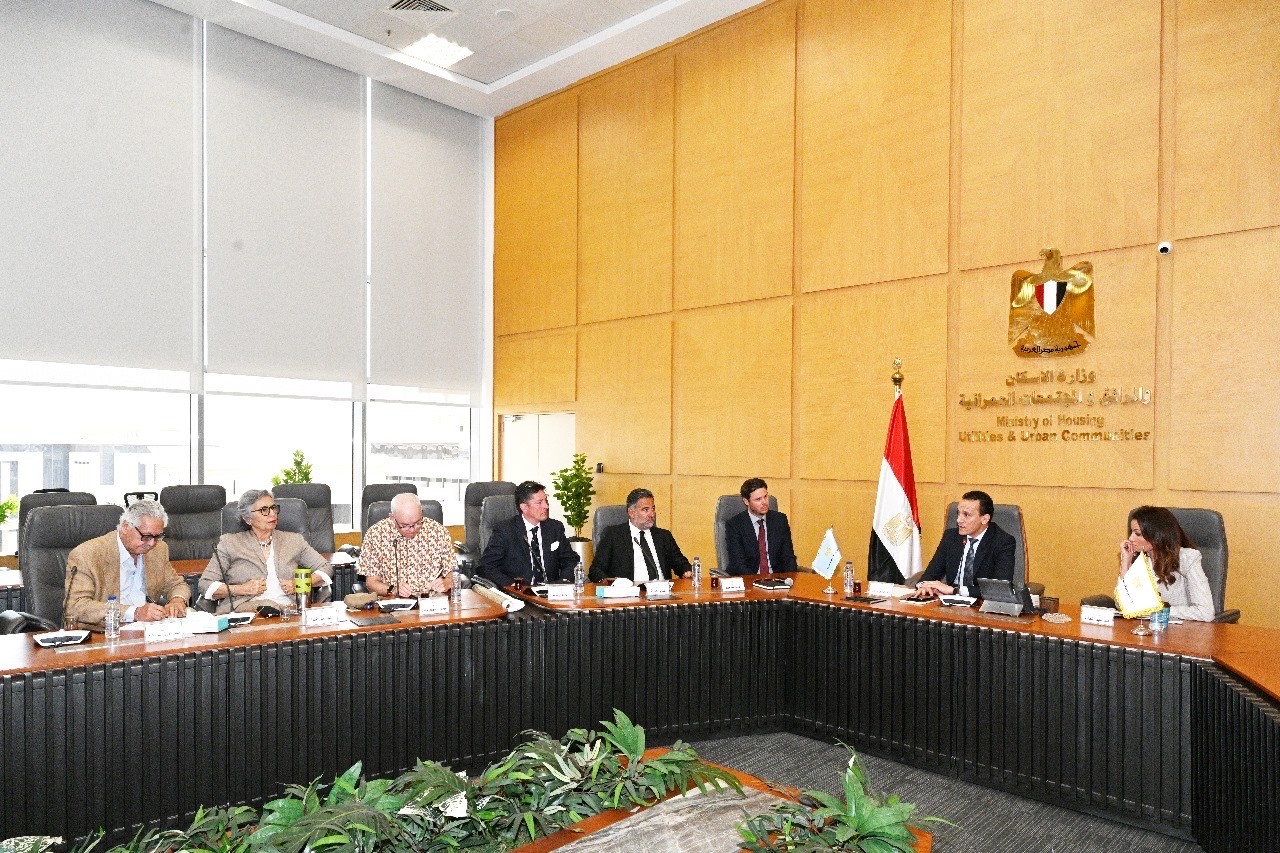
During the team’s most recent site visit, WATG facilitated a workshop with its direct client and participated in a cross-ministry forum that included representatives from the Giza Governor’s Office, the Ministry of Tourism, the Ministry of Agriculture, the Ministry of Water, and other agencies. This level of collaboration signals a positive shift toward a more integrated and coordinated approach to the project’s future.
The project’s “inside-out” strategy required a deep understanding of the site, its heritage assets, and its broader context. From the outset, the team focused on understanding the necropolises, pyramids, and cultural landscapes within and surrounding the UNESCO World Heritage Site, including their locations, relationships to the ancient capital of Memphis, and their role in telling the story of Egypt’s 31 dynasties. This understanding was layered onto a broader historical narrative extending from the Paleolithic and Neolithic periods through the Roman, Byzantine, Islamic, and Ottoman eras, and into the modern Arab Republic of Egypt.
During the first eight weeks, the team conducted an intensive analysis guided by the local heritage team, gathering insights into each necropolis, the broader cultural landscape, and the relationships between the plateau and the Nile River floodplain below. The analysis sought to understand who built each site, why it was built, and how it fits within the wider story of Egyptian civilization. This research allowed the team to identify the primary necropolises and determine which elements would most resonate with visitors. From there, key tourism gateways were established to connect travelers with these experiences, without compromising the protection and conservation of cultural heritage.
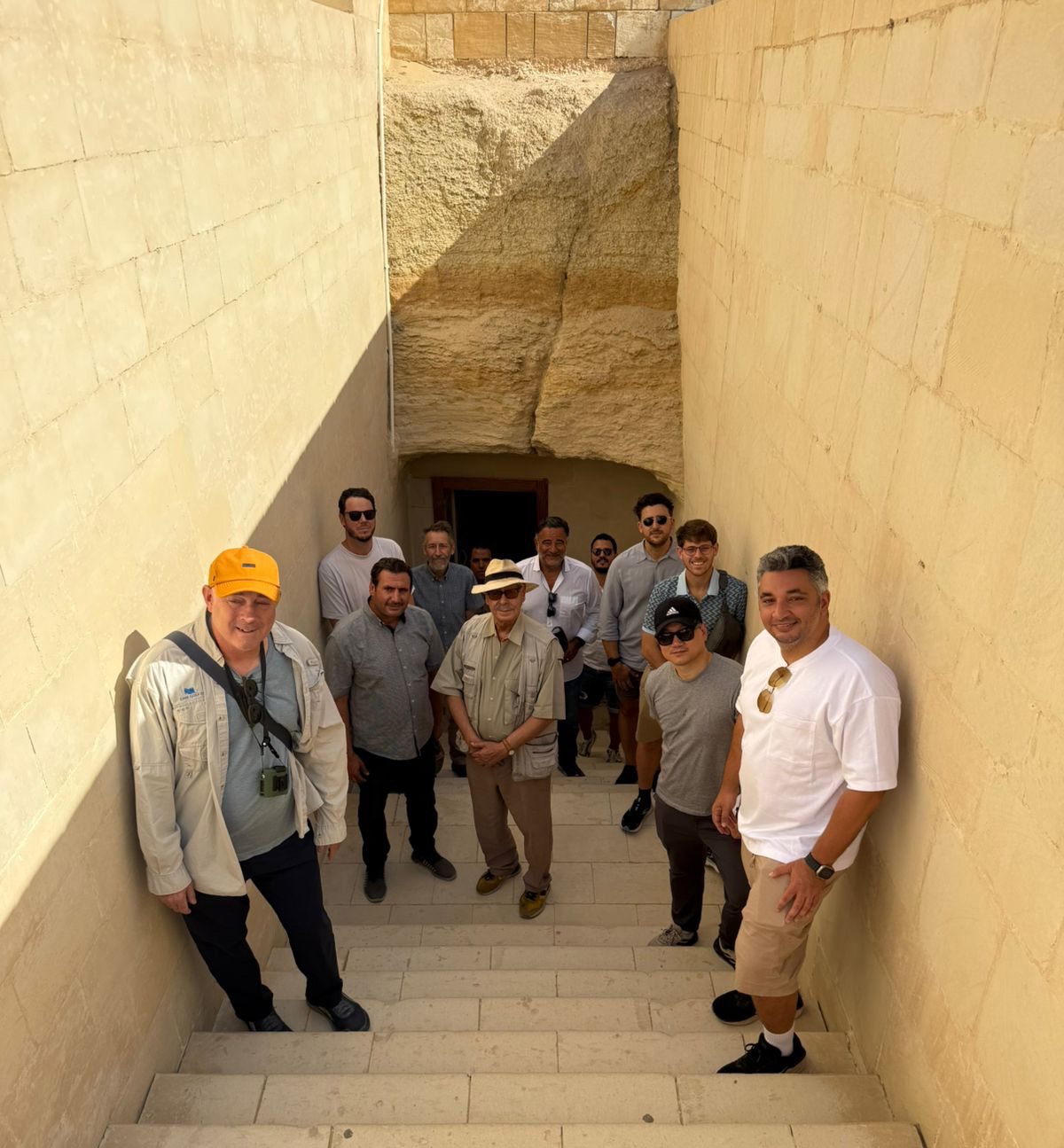
The team spent significant time working with local Egyptology experts on the ground over two site visits, exploring every major location, from the pyramids of Giza to the necropolises of South Saqqara and Dahshur, along with their surrounding tourism villages. Each location revealed distinct environmental and cultural conditions, including Giza’s urban edge, Saqqara’s agrarian setting, and Dahshur’s unique position between the desert and the Nile River valley.
Alongside this effort, the team developed a tourism vision for three priority action areas defined by the government, spanning approximately 8,000 acres. WATG’s Advisory team worked closely with Egypt’s primary tourism authorities, reviewing projected visitor numbers, key infrastructure requirements, and future demand. This data informed a robust bottom-up development framework, which the planning team used to shape the overall tourism master plan and its action areas.
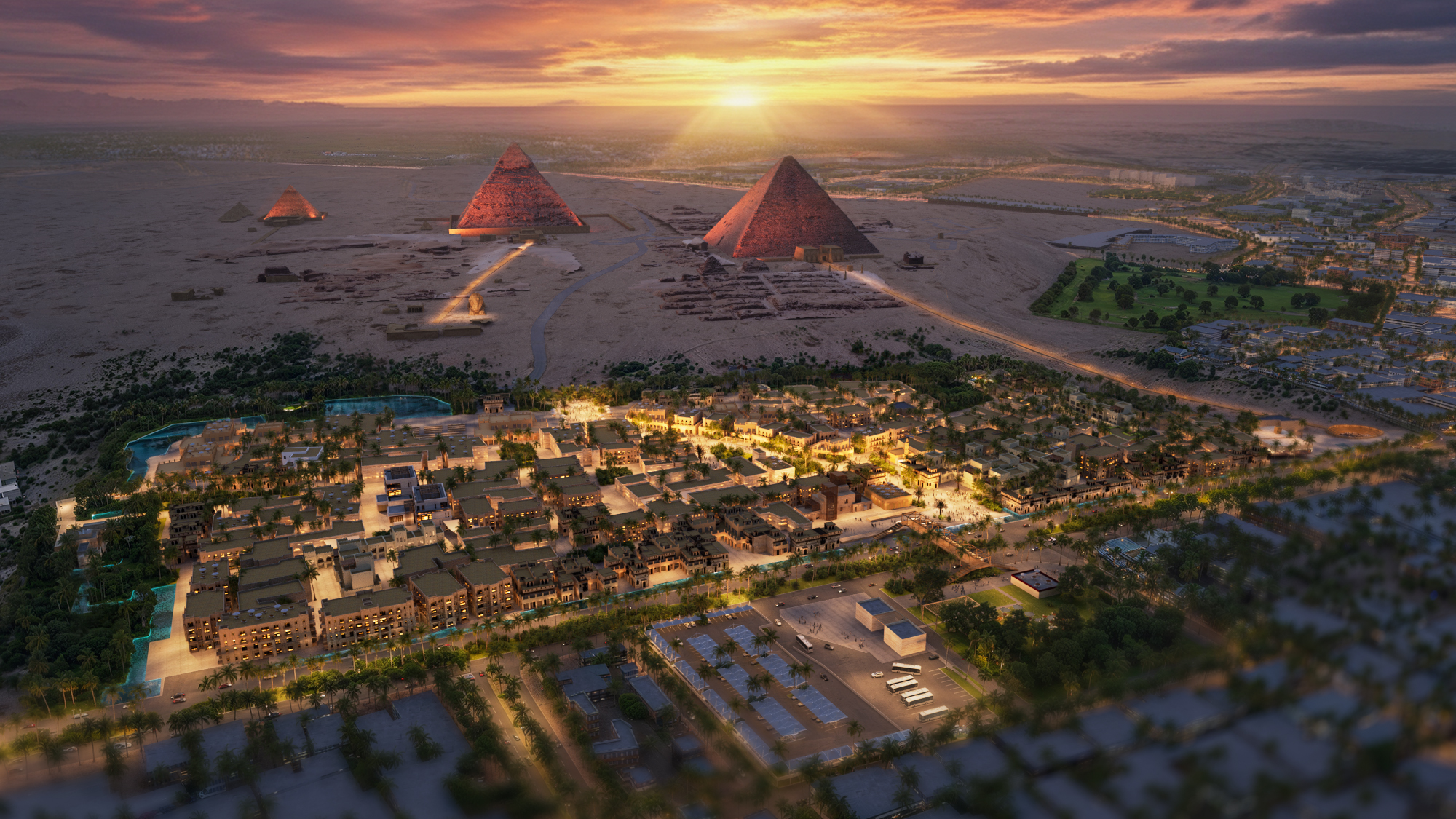
In December 2025, the WATG team presented the final master plan package to the Ministry of Tourism, the Ministry of Housing, the New Urban Communities Authority, the Deputy Governor of Giza, and other stakeholders. The master plan will also be presented to Prime Minister Mostafa Madbouly.
Significant progress is already underway, marked by the opening of the Grand Egyptian Museum in November 2025. Looking ahead, the master plan is intended to guide tourism development over the next 15 years in support of Egypt’s Vision 2040. While the planning and advisory phase is complete, the work also marks the beginning of the project’s implementation. The team
hopes that its recommendations, including phasing strategies and governance frameworks, will inform the next stages of development.
WATG is currently exploring opportunities to support future planning and asset development initiatives and looks forward to the possibility of continued involvement as a steward of the tourism master plan, with the goal of carrying its vision forward with care and integrity.
More Projects