Hospitality Trends 2026 by WATG Advisory
By WATG Advisory
December 4, 2025
Hospitality Trends 2026
The hospitality sector is entering a pivotal cycle of transformation. As travelers continue to prioritize meaningful, emotionally resonant experiences, the market is shifting toward concepts that blend creativity, commercial performance, and a deeper sense of place. WATG Advisory has identified five forces that will influence how owners, operators, and developers shape their assets in 2026 and where the strongest value creation opportunities lie.
Elevating F&B as a Core Experience
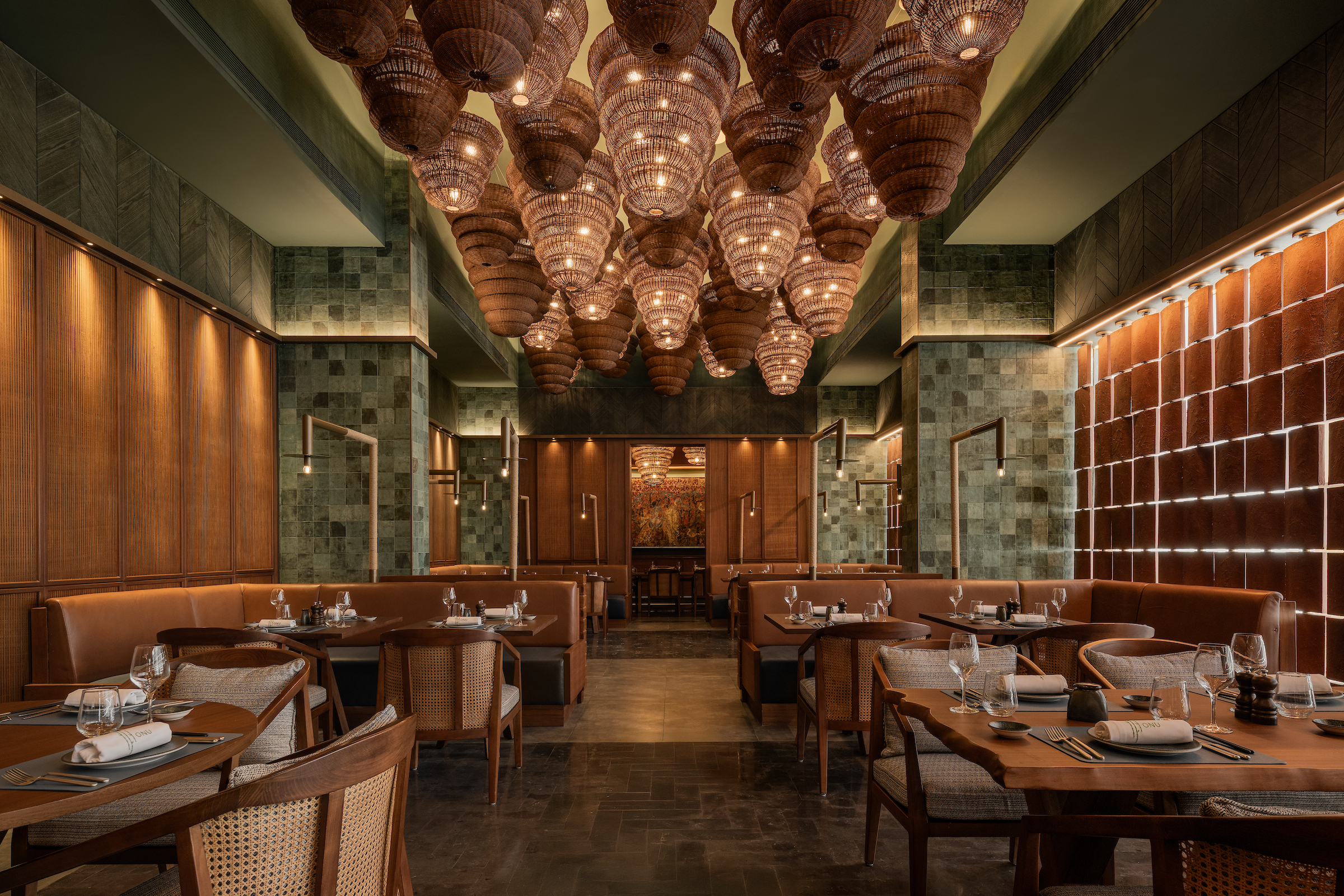
As global travel continues to diversify, hotel dining is no longer a passive amenity, it is an active driver of brand identity, revenue diversification, and local engagement. In 2026, increasingly elevated and distinct F&B concepts will continue to reshape the hospitality landscape by feeding not only the palate, but also the social and cultural appetite of today’s discerning guests.
Restaurants and bars are being reimagined as third spaces – vibrant extensions of the hotel experience that encourage guests and locals alike to linger, connect, and be seen. F&B now serves as a core pillar of placemaking and differentiation. 60% of luxury travelers prioritize staying at hotels with great restaurants. Properties that integrate compelling dining concepts have reported up to a 40% surge in positive reviews. In markets such as Singapore, Tokyo, and Bangkok, weekday F&B traffic from residents has proven to stabilize cash flow, providing resilience during low-demand tourism periods, effectively mitigating seasonality risk.
This shift is also visible on the macro level, with F&B brands crossing over into hospitality. Culinary identity can anchor an entire guest experience, converting brand affinity into long-term occupancy and loyalty. The result is a mutually reinforcing dynamic: hotels gain a built-in audience of destination diners, while F&B operators gain access to experiential real estate and overnight guests.
For hotel developers, this evolution signals a new investment logic: F&B should not be designed as an operational necessity but as a place maker, differentiator, and driver of revenue in its own right. But to capture the imagination, it is the more experiential dining concepts that are gaining ground. Consider spaces that facilitate social rituals, for example, chef-led pasta making stations and pre-dinner aperitivo moments. These concepts generate not just higher per-cover spend but also add value in brand storytelling and guest satisfaction scores.
In an environment where travelers increasingly seek authenticity and connection, food becomes both the medium and the message: a way to embody the culture of place and deliver it in a form guests can taste, share, and remember.
Designing for Evidence-Based Wellbeing
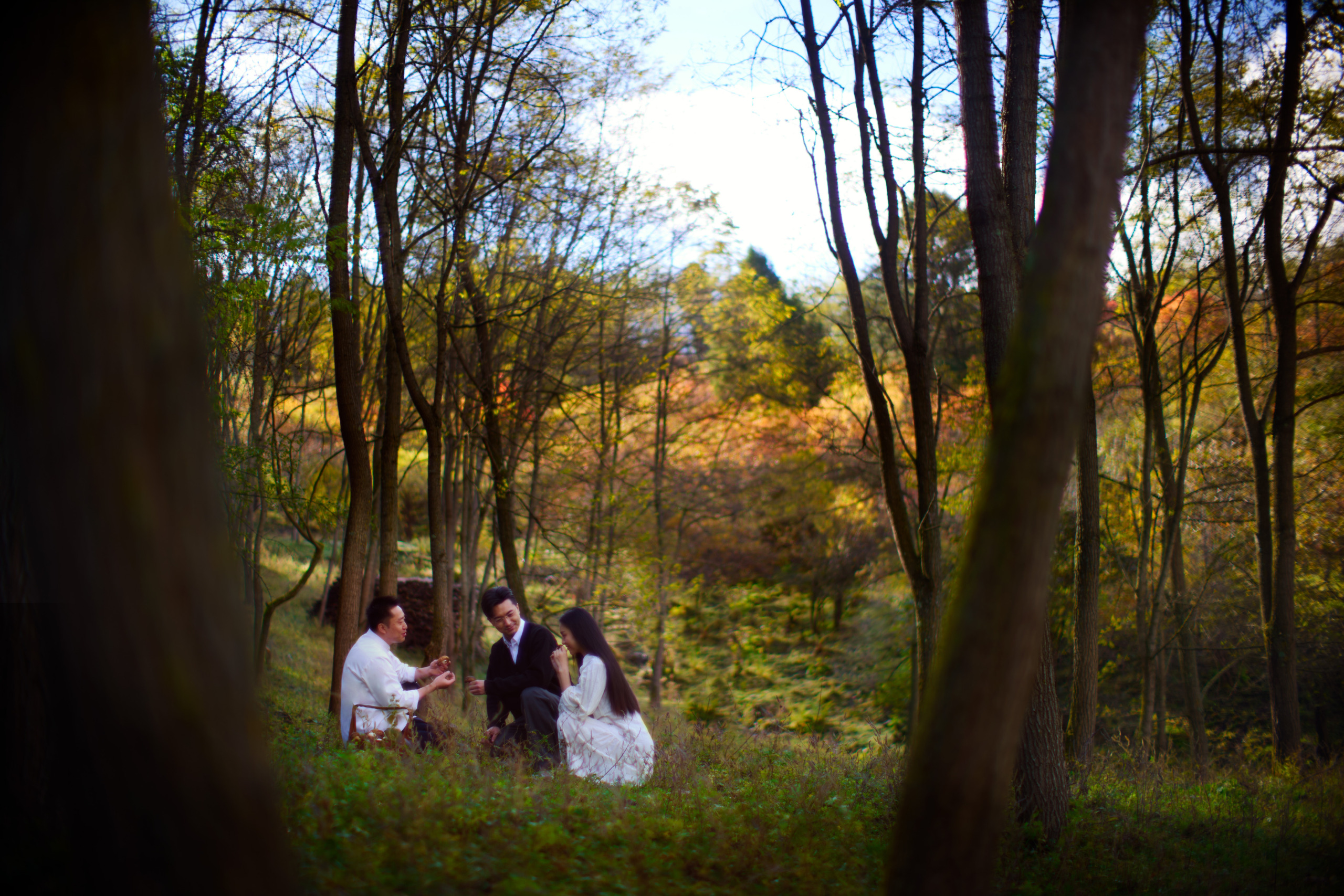
Wellness has evolved from luxury to necessity, and now, from intuition to evidence. The next wave of hospitality wellness design is science-backed and data-driven, using neuroscience, biometrics, and environmental data to shape how guests feel, rest, and recover.
Wellness used to be a room, the gym or the spa, to withdraw to. Today, it is the throughline of the entire guest journey and is becoming a performance metric. Properties are measuring the impact of light, air quality, acoustics, and movement on guest mood, sleep, and satisfaction. The shift from wellness as an amenity to wellness as an operating system is redefining what it means to feel good, and proving that when guests thrive, so does business.
Every element of design triggers biological responses that affect how we think and behave. From dopamine and endorphins to serotonin and oxytocin, designing with neurobiology in mind, particularly through landscape strategies that shape environments to keep us well, allows hotels to deliver a consistent “feel-good factor” that guests sense within minutes of arrival, and long after they check out.
Wellness travelers spend more than 40% above the average per trip, and hotels with integrated wellness routinely report 20–35% higher ADRs. But the advantage goes beyond revenue, it builds emotional equity. Properties that demonstrate care through evidence-driven design foster loyalty and repeat visitation. For developers, wellness is becoming both a growth engine and a resilience strategy: a way to future-proof assets against shifting traveler priorities and climate realities.
In 2026, hospitality’s competitive edge will be the merging of data, design, and human emotion. The most successful destinations will be those that prove wellness works – not just places to escape, but environments that measurably enhance how people feel, live, and connect.
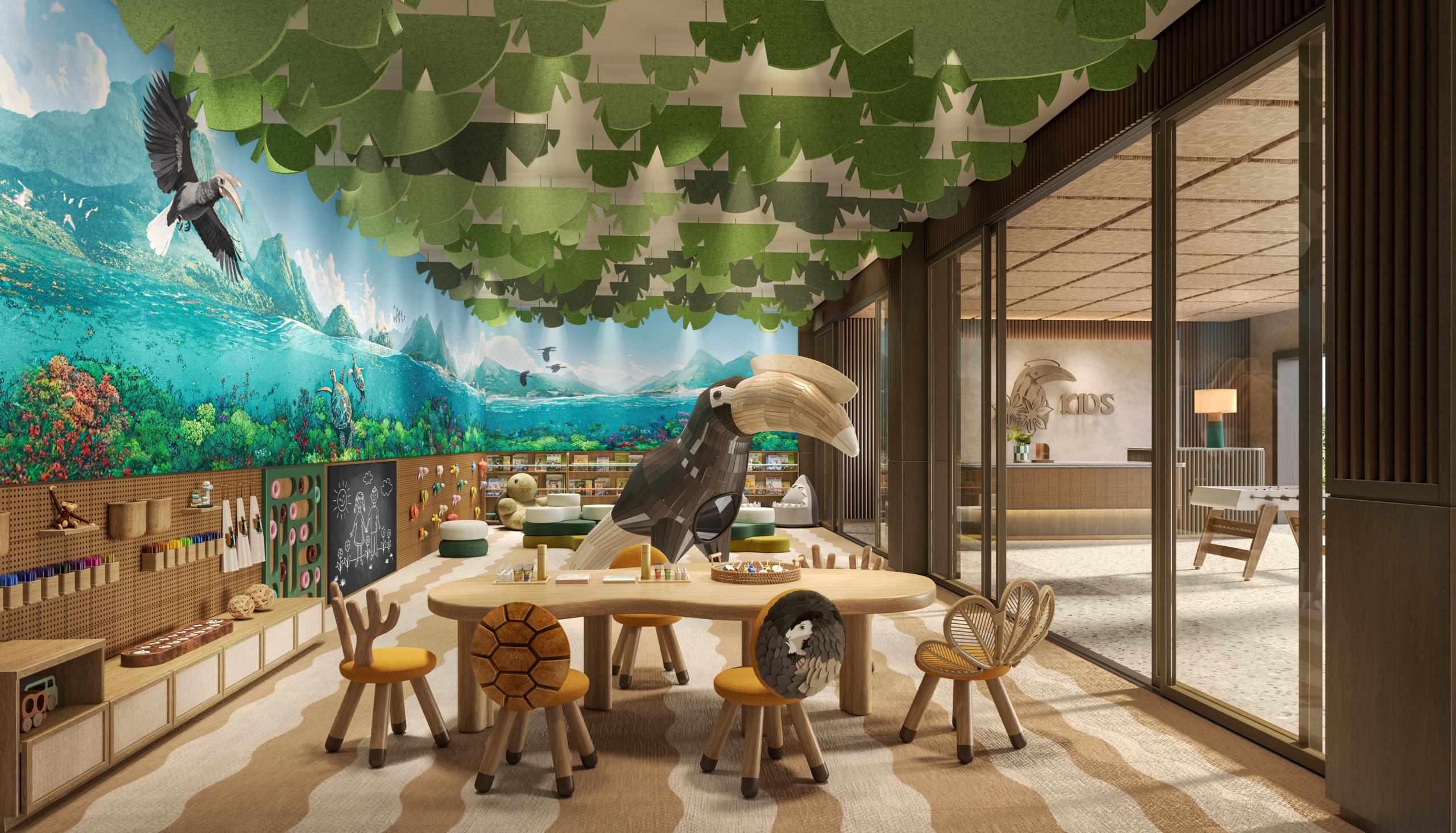
Kids Club at Lagen El Nido focused on theme-based activities that enrich young minds.
Designing to Appeal to the Actual Decision Makers (The Kids!)
Today’s families are travelling differently. The choice of hotel is increasingly guided by how well the property engages younger travelers and their accompanying adults. The NextGen kids club is no longer a boxed off playroom, it is a strategic asset with design, operations and commercial implications.
Children influence around 67% of family trip ideas and 56% of families choose a hotel based on the quality of its kids club. Properties that elevate children’s programming report increased length of stay, higher ancillary spend and stronger return visitation. Families represent a resilient market: multigenerational and skip-generational travel are rising, and family friendly design can capture loyal guests over time.
Kids Club 2.0 integrates the hotel’s design narrative, to align with the destination’s culture and the landscape’s story. Multi-age & multi-theme zones ensures the capture of wider age group sets while segmentation provides better engagement. Workshops with local artisans, nature exploration trails, interactive culinary sessions, mindfulness for young guests, all curated to reflect place and narrative. Space design that supports flexibility, quiet zone, active zone, mixed age zones, indoor/outdoor convergence, ensures operational efficiency.
As Kids club becomes part of the value proposition, driving bookings, influencing family decisions, increasing F&B/dining spend, extending stay length, in the long run, emotional connections formed in childhood drive adult holiday decisions later. By reimagining the kids club as a destination within a destination, properties not only delight younger guests but also enhance the overall guest journey, reinforce brand loyalty, and generate measurable commercial value.
Evolving Wealth
Our Global Affluent Travel Trends 2025 report offers hospitality leaders essential insights into tomorrow’s luxury traveler – what they want, where they’re going, and how to cater to this discerning consumer.
Luxury Expands
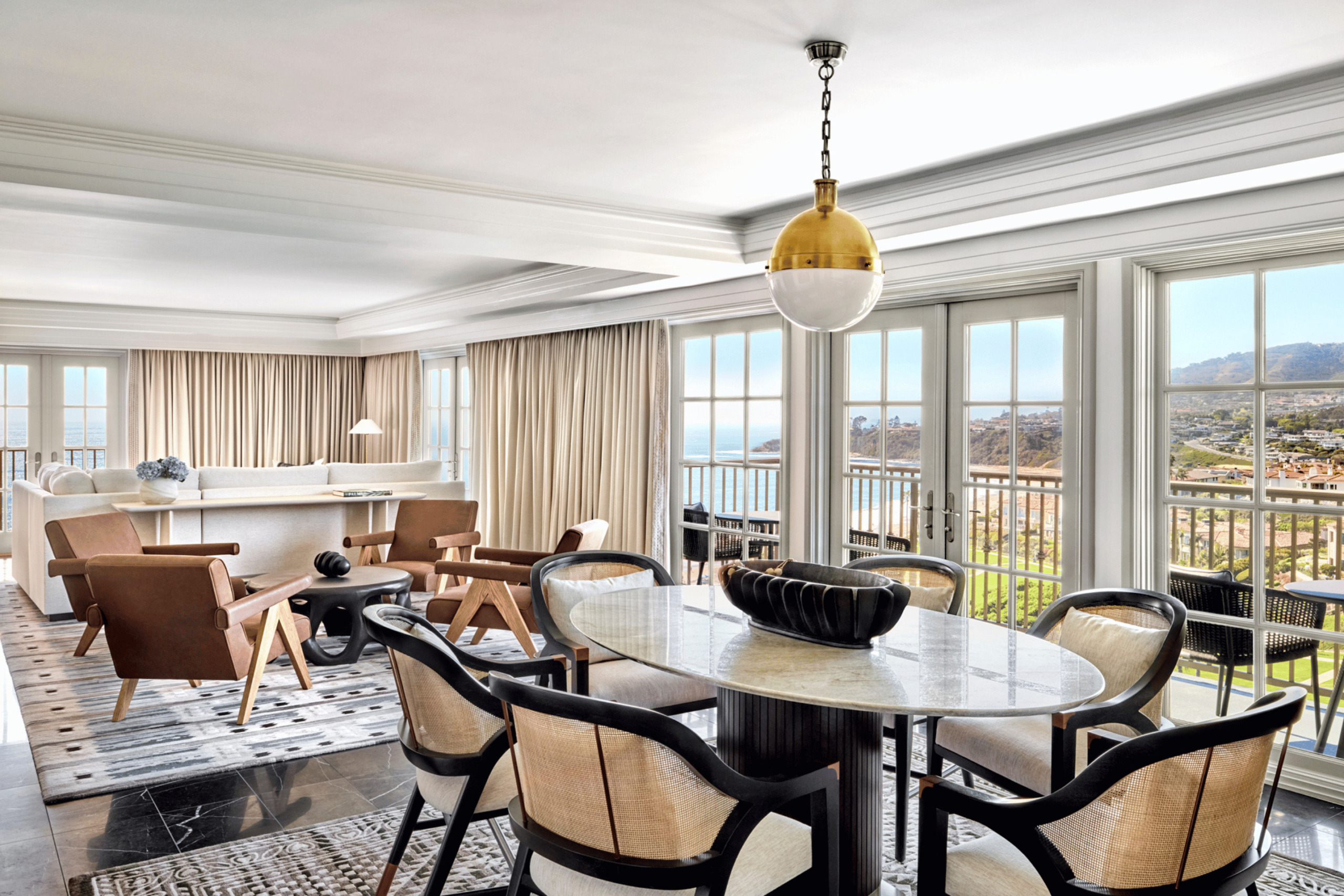
Luxury hospitality is no longer a single tier, it is broadening, both upwards to ultra-high-net-worth travelers and outwards to groundbreaking experiences that redefine what a “luxury stay” can be. Hospitality is expanding the boundaries of exclusivity, immersion, and scale. As of mid-2025, there are approximately 510,810 Ultra-High-Net-Worth (UHNW) individuals globally, those with a net worth above $30 million, and this number is projected to grow 31% by 2030.
The broadening of luxury challenges designers and developers to think beyond traditional hierarchies. Today’s ultrawealthy are deliberate in safeguarding their privacy, often moving in circles that eschew exposure. Status is now measured by experience, purpose, and alignment with personal values, rather than scale or spectacle. In this context, luxury has become both expansive and selective, appealing to a wide spectrum of aspirations, from high-adrenaline adventure to serene immersion, from urban sanctuaries to hidden natural retreats.
Ultimately, luxury hospitality is widening its definition to go deeper in experience. The next generation of guests doesn’t just want to stay, they seek to invest in an experiential realm that reflects their identity, values, and lifestyle.
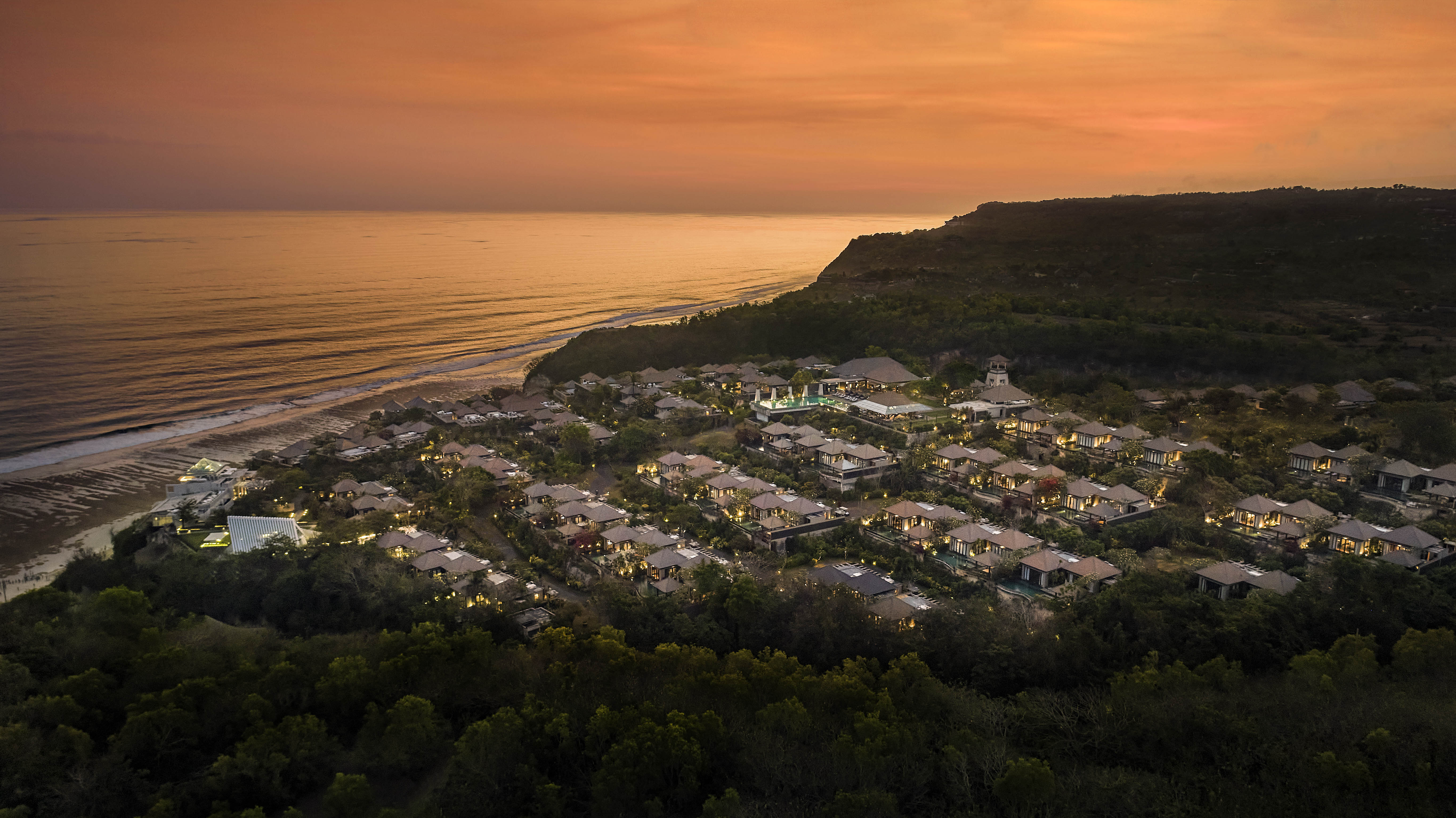
Umana Bali LXR, Indonesia a repositioning project with a preservation-first renovations approach.
Resort Repositioning
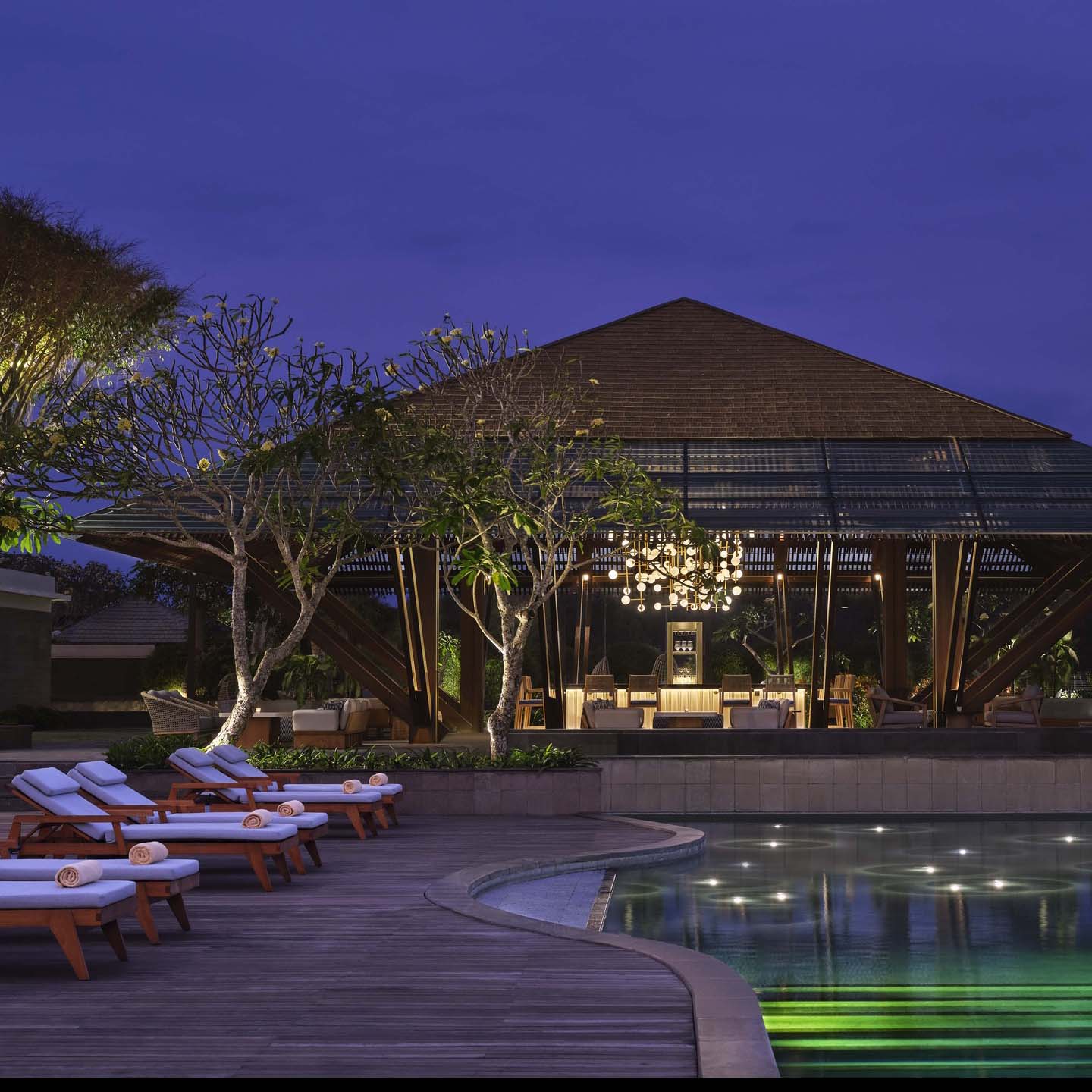
As construction costs, access to capital, and ESG pressures rise across global markets, hotel developers and investors are increasingly pivoting towards repositioning strategies over greenfield development. Renovations have become an avenue for value creation, especially for private equity and institutional investors seeking returns in a high-cost environment.
Across many of the world’s most coveted resort destinations, exceptional sites are still occupied by outdated or underwhelming concepts that no longer resonate with today’s guest. Gen Z luxury travelers now prioritize curiosity (77%), joy (65%), and awe of nature (57%), signaling a broader shift: destinations must be emotionally compelling, culturally rooted, and sensorially immersive. Repositioning offers the opportunity to realign assets with the behavioral drivers shaping the next generation of demand.
This evolution requires a comprehensive and multidisciplinary approach. Advisory-led repositioning strategies, spanning property audits, trends benchmarking, competitive and local market analysis, brief development, and financial appraisal, surface both the latent potential of the asset and the opportunity to introduce mixed-use elements. These may include branded residences to unlock capital, destination dining to attract locals, wellness ecosystems to build resilience, or standalone beach clubs to diversify revenue streams. Each insight informs site planning, architecture, landscape, and interiors, ensuring the repositioned asset performs holistically across real estate economics, operational efficiency, and guest desirability.
Sustainability sits at the core of this shift. Renovations present opportunities to layer in the latest in renewable infrastructure and technology to enhance sustainability credentials and reduce the utility requirements of the operating asset. A ‘preservation-first’ renovations approach inherently preserves embodied carbon while extending the life and relevance of the asset. By reusing structure and enclosure, and intervening thoughtfully only where transformation is needed, developers avoid both financial and environmental pitfalls associated with demolition. At Umana Bali, LXR, WATG’s integrated renovation resulted in new works representing less than 10% of the property’s original embodied carbon, demonstrating how sustainability, design ambition, and commercial strategy can align.
Repositioning is a strategic response to a changing industry. By transforming legacy assets into modern, culturally grounded destinations, developers can unlock value, reduce carbon impact, and meet the evolving aspirations of tomorrow’s traveler, breathing new life into some of the world’s most extraordinary places.
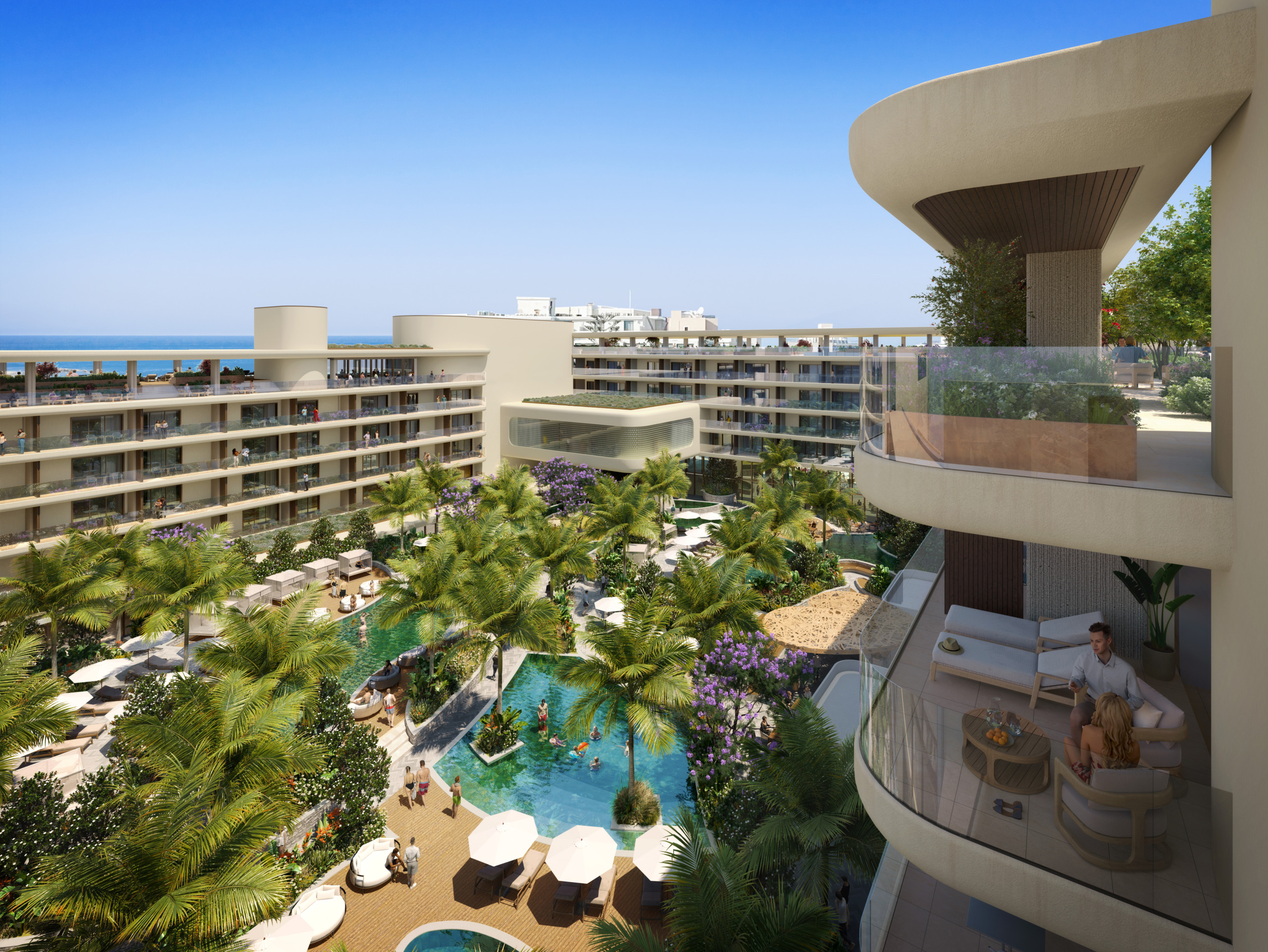
Design as a driver of strategic value
“2026 marks a pivotal inflection point for hospitality. As global travel rebounds and demand for immersive, experience-led destinations surges, design must move beyond transactions to create enduring emotional and cultural capital. The opportunity is vast—but so is the challenge: in an era of discernment, how do you truly stand out?
In a globalized investment landscape, hospitality must be both universal and unmistakably local. The trends we forecast for 2026, spanning experiential F&B, wellness ecosystems, next-generation family travel, and the widening spectrum of ultra-luxury, reflect our optimism for the market’s growth and our belief in design as a driver of strategic value.
As WATG enters its ninth decade, setting benchmarks is both our legacy and our compass. These trends remind us that data and strategy only matter when they translate into experiences that move people, into moments, emotions, and stories. Our mission remains unchanged: to keep pushing boundaries and shaping what the next era of hospitality will look and feel like.” – Guy Cooke, Studio Director of Advisory, Asia Pacific & Middle East.
Latest Insights
Perspectives, trends, news.
- Project Stories |
- Strategy + Research
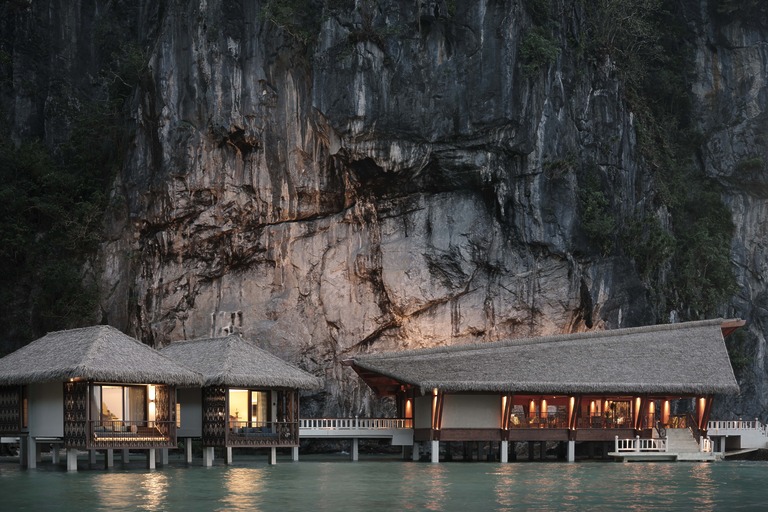
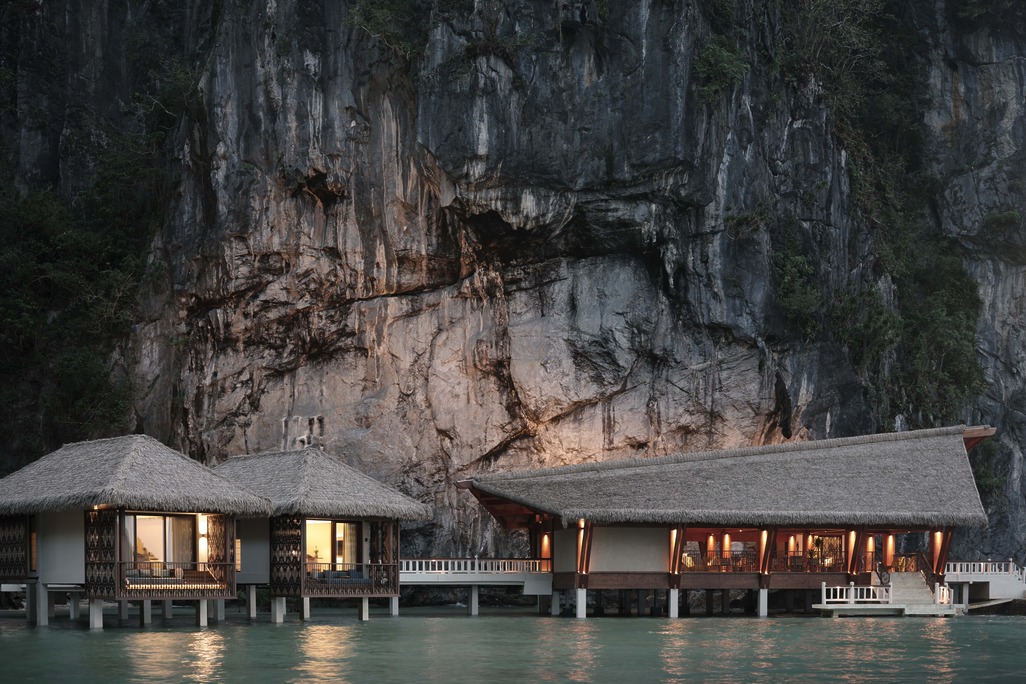
Lagen Island Resort, El Nido: Insights before Intervention
- Project Stories |
- Strategy + Research
Lagen Island Resort, El Nido: Insights before Intervention
- Design + Innovation
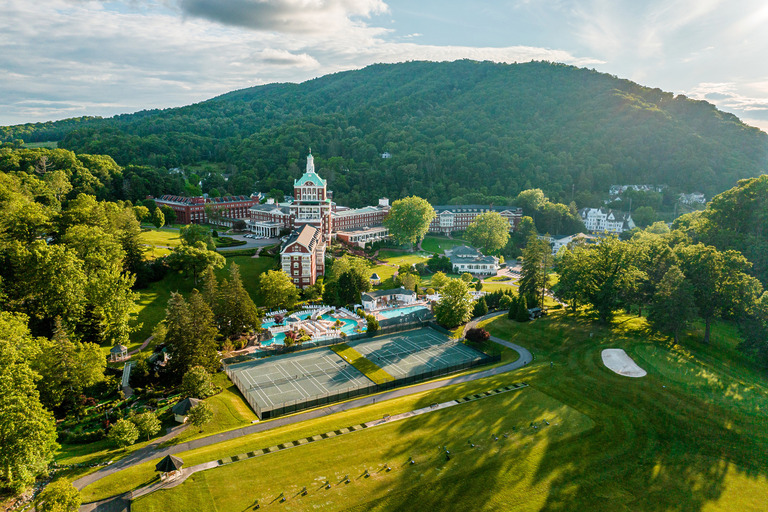
Celebrating World Landscape Architecture Month
- Design + Innovation
Celebrating World Landscape Architecture Month
- News
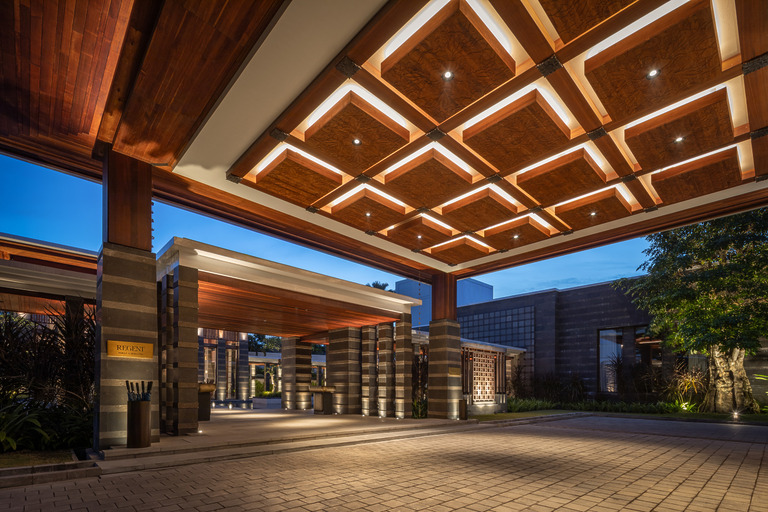
WATG + Wimberly Interiors at the LIV Awards 2025.
- News
WATG + Wimberly Interiors at the LIV Awards 2025.
- Project Stories
Limelight Boulder: A Study in Intelligent Design
- Project Stories