Macro to Micro: The contrast of conceal + reveal, intimate + expansive, pause + pace.
By WATG
January 20, 2026
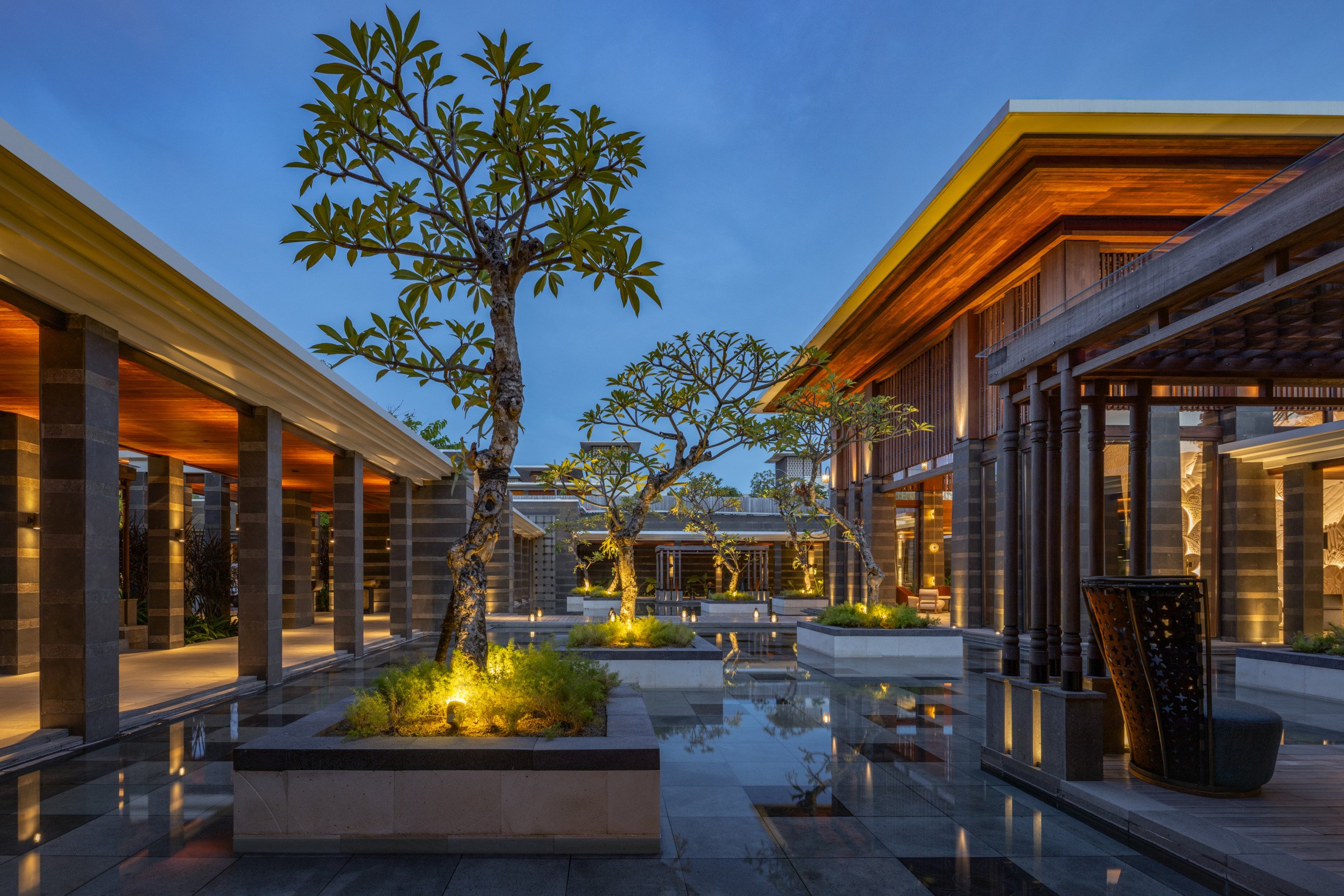
Hospitality Design Connection
In today’s experiential economy, developers are increasingly seeking to activate sites with “Instagrammable” moments. Grand gestures such as the dramatic reveal of an endless horizon, a golden sunset framed by architecture, a rooftop infinity pool, lush, borrowed landscapes, or a floor-to-ceiling artwork create magical, memorable moments that deliver high brand value, elevate profile, and maximize organic exposure online.
Equally important are the quieter moments that enrich the guest journey, for it is within the contrast of conceal and reveal, intimate and expansive, pause and pace, that emotion unfolds. Guest’s everyday movement through space are mapped out, considered holistically and choreographed. Subtle micro experiences, from the texture of upholstery, the patina of a surface, the shade of an overhead canopy, and the quiet rhythm of water from a courtyard fountain, are thoughtfully incorporated to create a rich tapestry of experience which nurtures a lasting emotional connection between the guest and the brand.
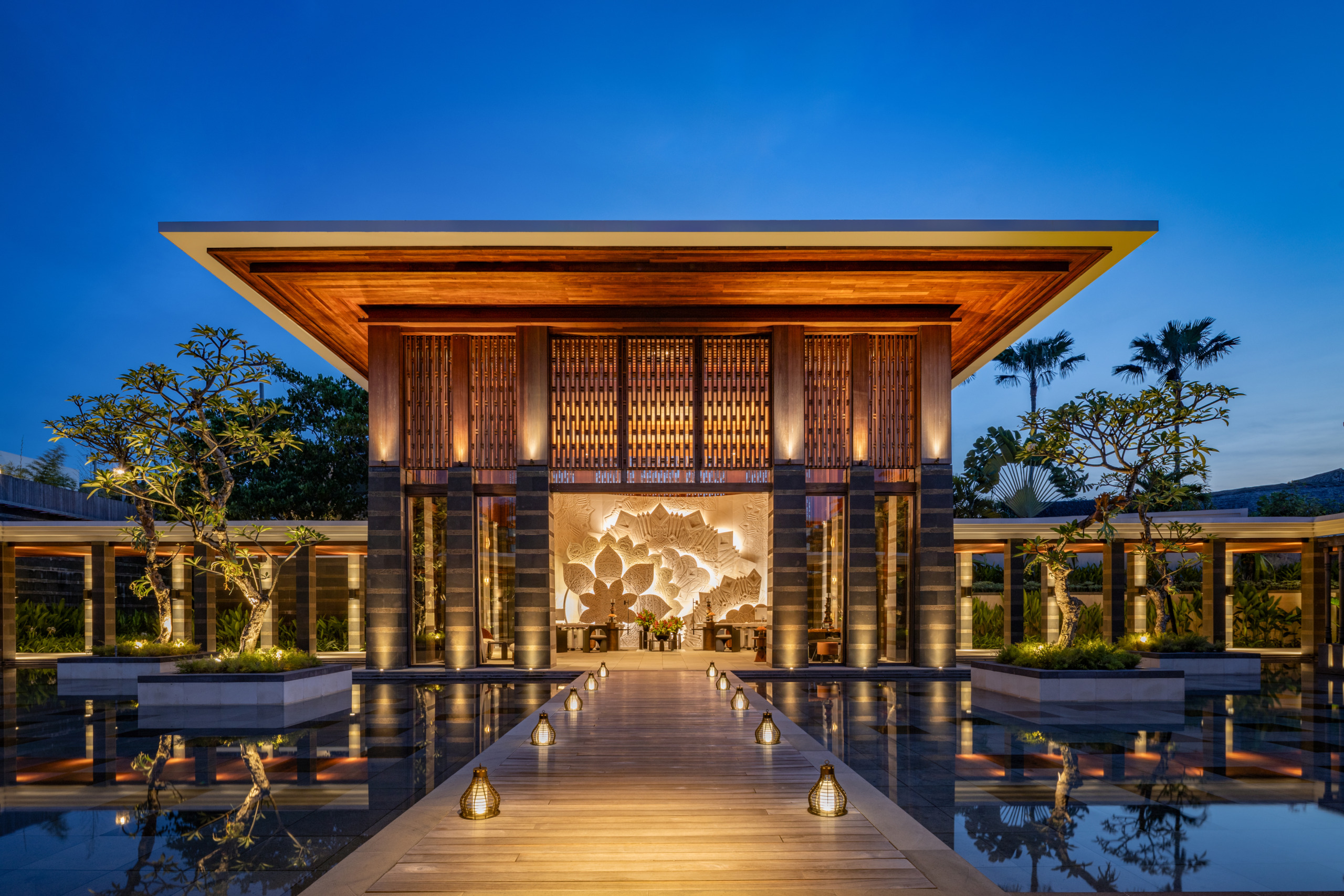
At Regent Bali Canggu, the journey begins long before guests reach their rooms. Turning in from the busy main road, the arrival sequence orchestrates an immediate sense of decompression. Lush landscaping gradually screens urban noise and movement, carefully staged to allow guests to shift from the pace of the outside world into a state of ease, setting the tone for the restorative experience that unfolds throughout the resort.
Inside, micro moments continue to reinforce this sense of calm. From the tactile warmth of hand-finished timber and the subtle cultural cues of the reinterpreted poleng motif, to the thoughtful arrangement of garden courtyards, pools, and guest buildings, each element is designed to reward quiet discovery. Circulation paths are composed to create pauses and moments of anticipation, turning routine movement into restorative experiences.
Lush landscaping gradually screens urban noise, carefully staged to allow guests to shift from the pace of the outside world into a state of ease.
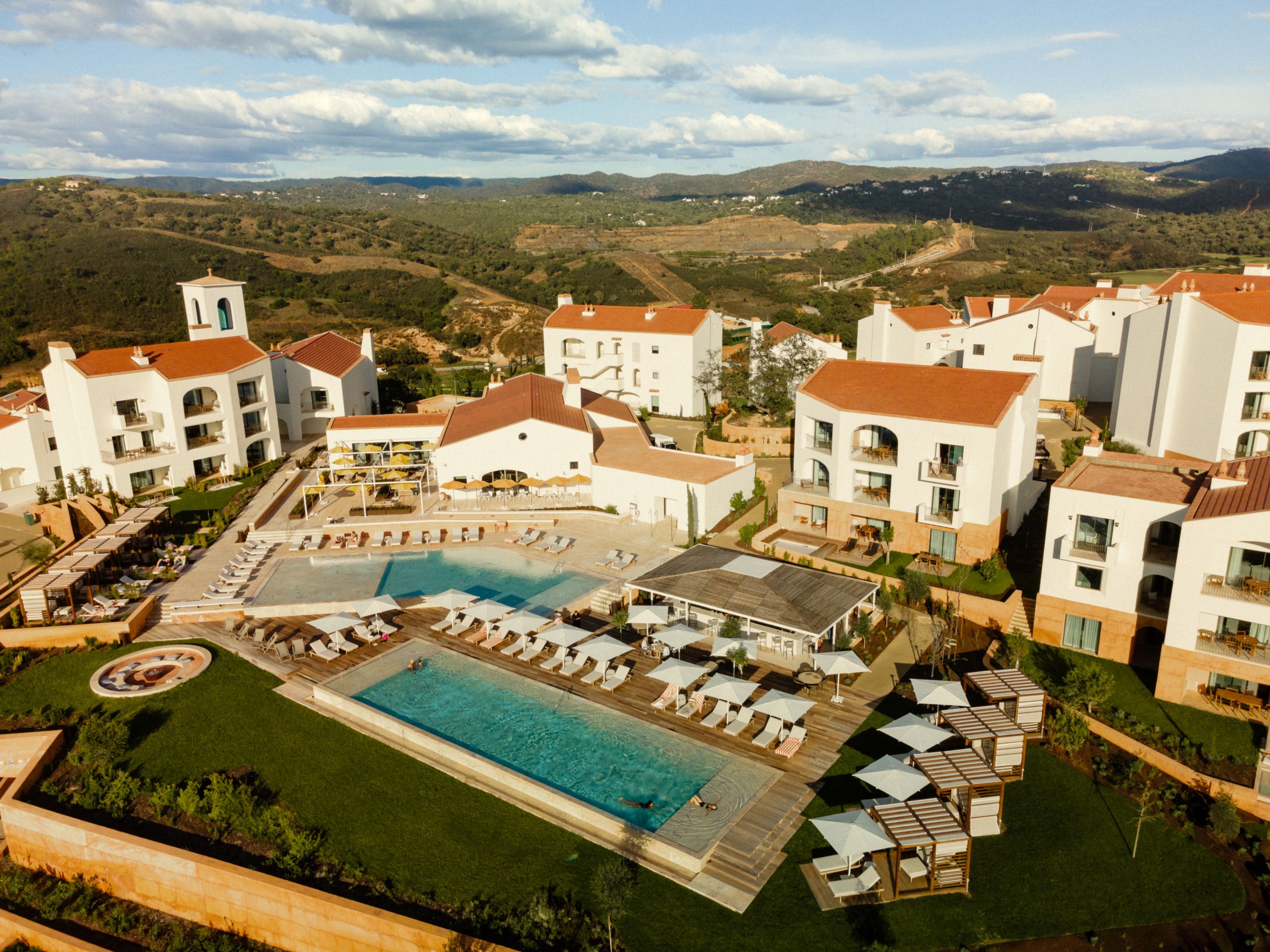
At Viceroy at Ombria Algarve, the “macro” is defined by the resort’s integration into the hillside landscape. Designed as a contemporary interpretation of a traditional village, the architecture cascades down the terrain in a series of whitewashed volumes and terracotta roofs. The “wow” moment is the central plaza, where a 30-meter blue-tiled clock tower serves as a navigational beacon against the horizon, framing panoramic views of citrus groves and ancient oak valleys.
The “micro” experience is found in the tactile heritage of the Algarve. As guests navigate the cobblestone paths, they encounter the quiet rhythm of the region: the texture of locally sourced limestone and handcrafted tiles, and the scent of honey from nearby hives. Inside the the connection becomes intimate through the art, detailing and furnishings which were all hand-selected or custom-made. These sensory details ground the guest in the slow, authentic soul of rural Portugal.
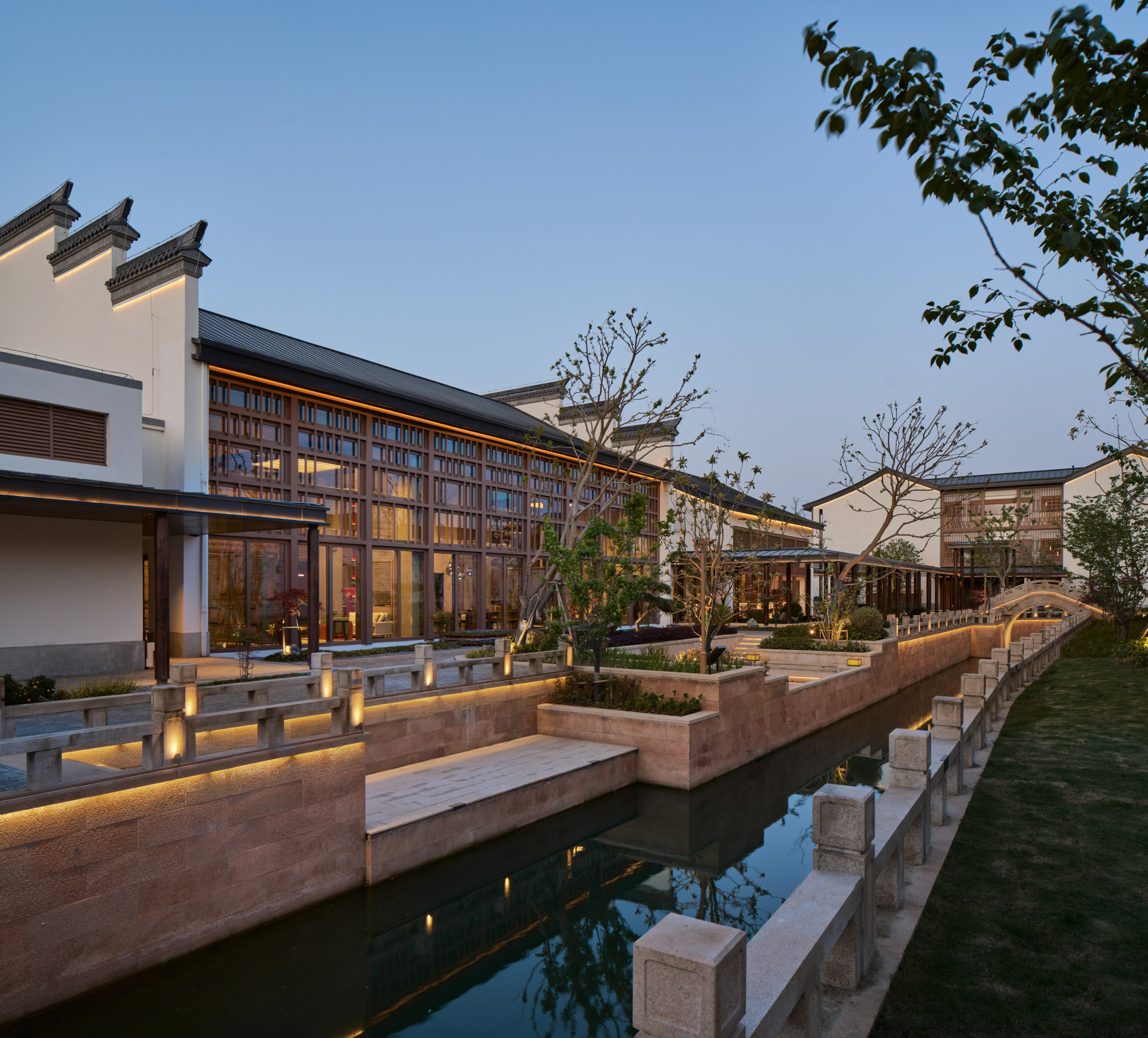
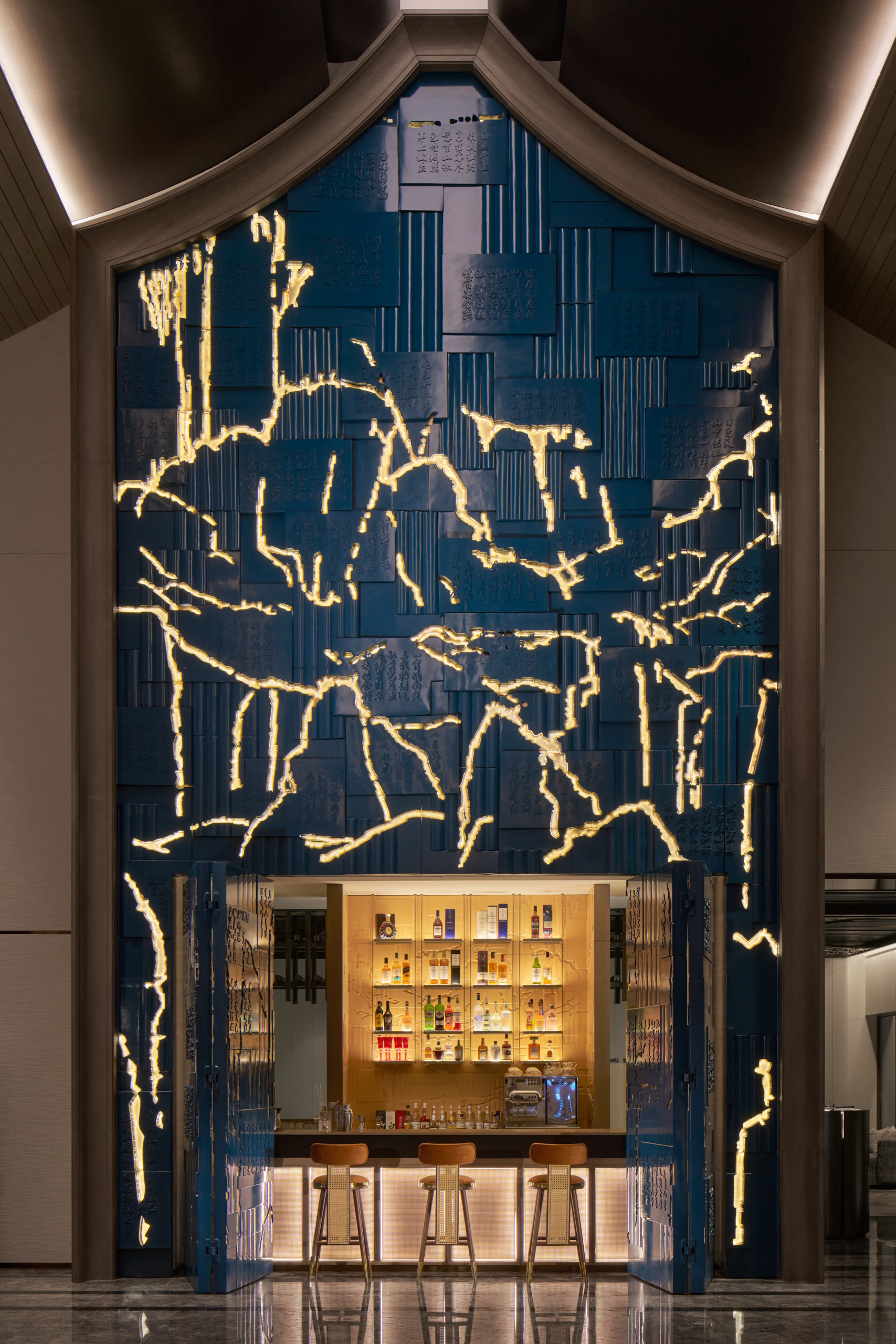
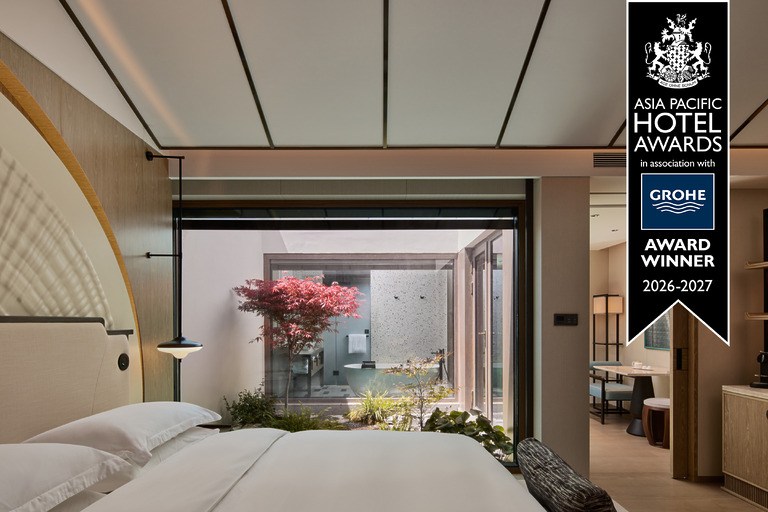
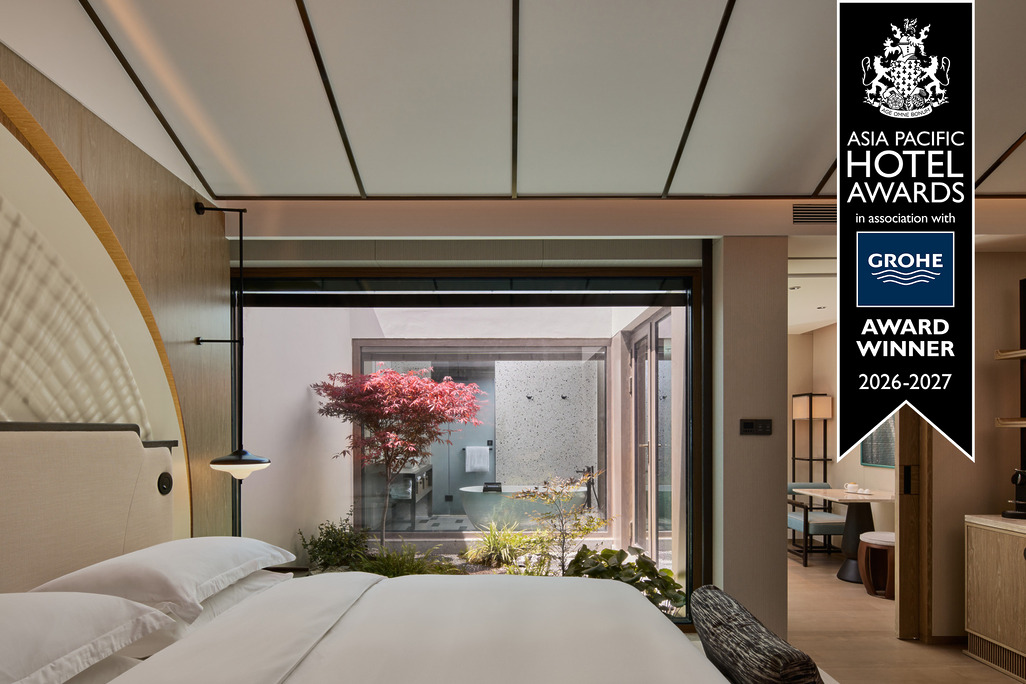
Nestled within the historic fabric of Dangkou Ancient Town Wuxi, the hotel is conceived with a deep respect for the town’s character and cultural legacy. Honoring the spirit of the waterways, and traditional architecture was central to the design, ensuring the hotel feels woven into the fabric of the town rather than imposed upon it.
The formality of traditional Jiangnan architecture is expressed in the layered spaces, internal courtyards, and north-south orientation while the scale, form and materiality are all informed by the surrounding ancient town, interpreted for modern luxury. The villas and garden guestrooms adjoining the old town subtly mimics the architecture in terms of massing, roofs and refined details for cohesivity. The northern side of the resort pushes the design boundary with façade and materiality expressed in a modern impressionistic style. Inspired by Chinese garden principles which represent a microcosm of nature, tranquil spaces with shifting and borrowed views are created.
Inspired by Chinese garden principles which represent a microcosm of nature, tranquil spaces with shifting and borrowed views are created.
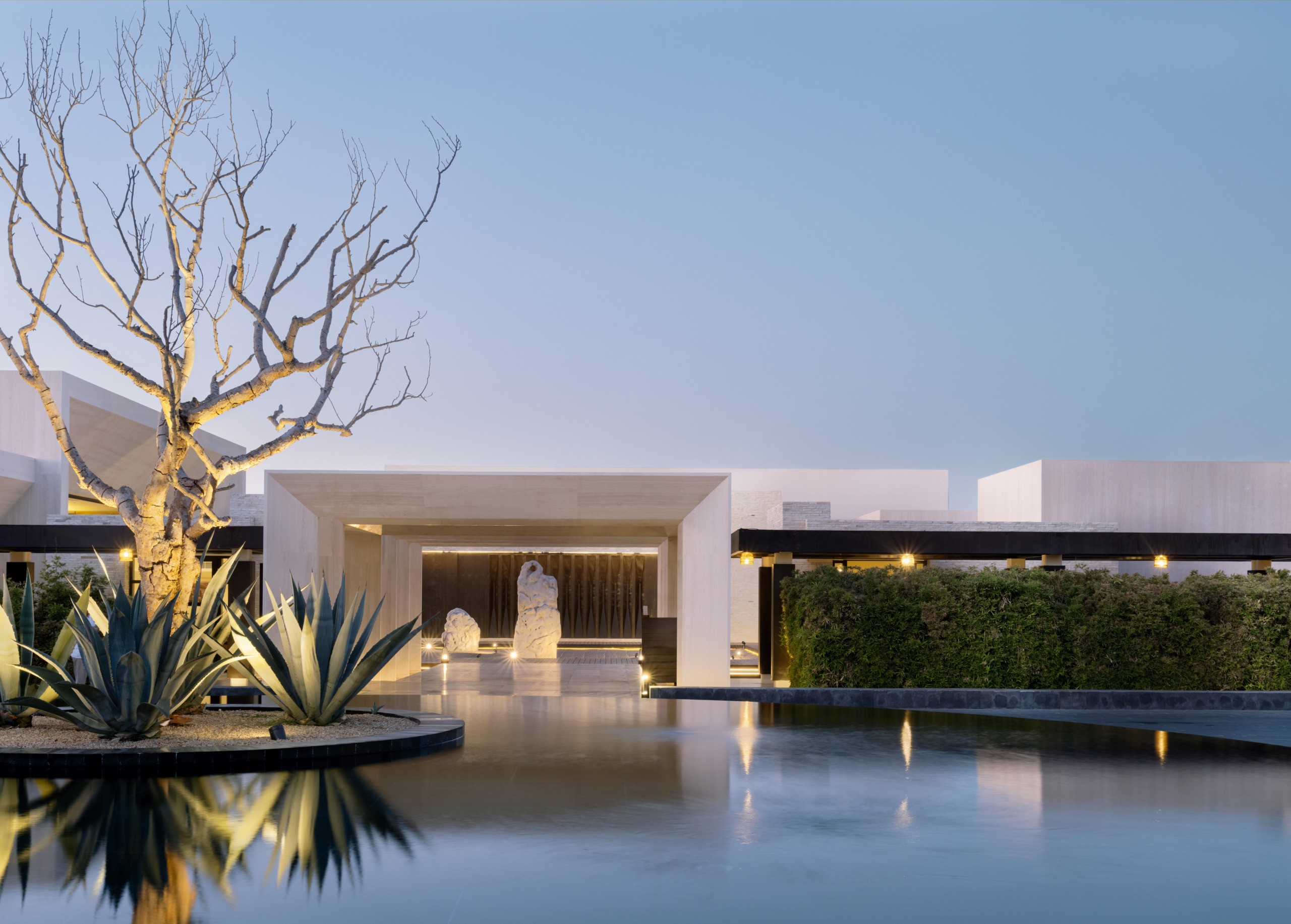
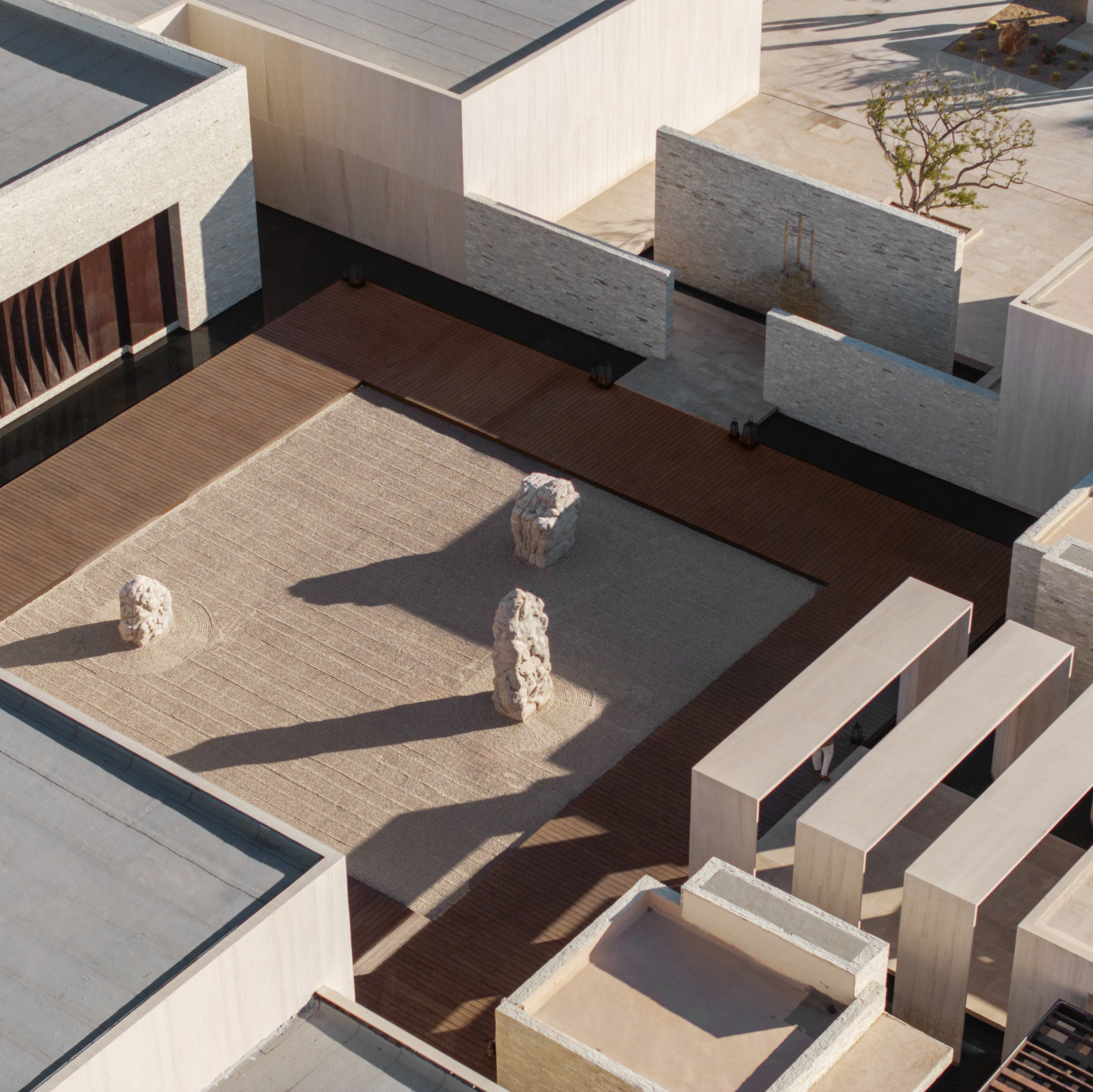
In the Baja Peninsula, Nobu Hotel Los Cabos masterfully plays with the scale of the Pacific Ocean versus the intimacy of Zen design. The macro moment is one of raw power:, a dramatic arrival where the architecture frames the crashing waves and the stark, desert-meets-ocean horizon. The heavy, geometric stone forms of the hotel act as a minimalist stage for the theater of the Baja sunset.
The micro moments, however, are what soften the experience and create an emotional tether. It is found in the sand-rubbed finishes of the local stone, the warmth of smooth teak wood underfoot, and the precision of the Japanese joinery. Guests connect through the quiet transition of a traditional Onsen soaking tub or the subtle placement of a single piece of driftwood art.
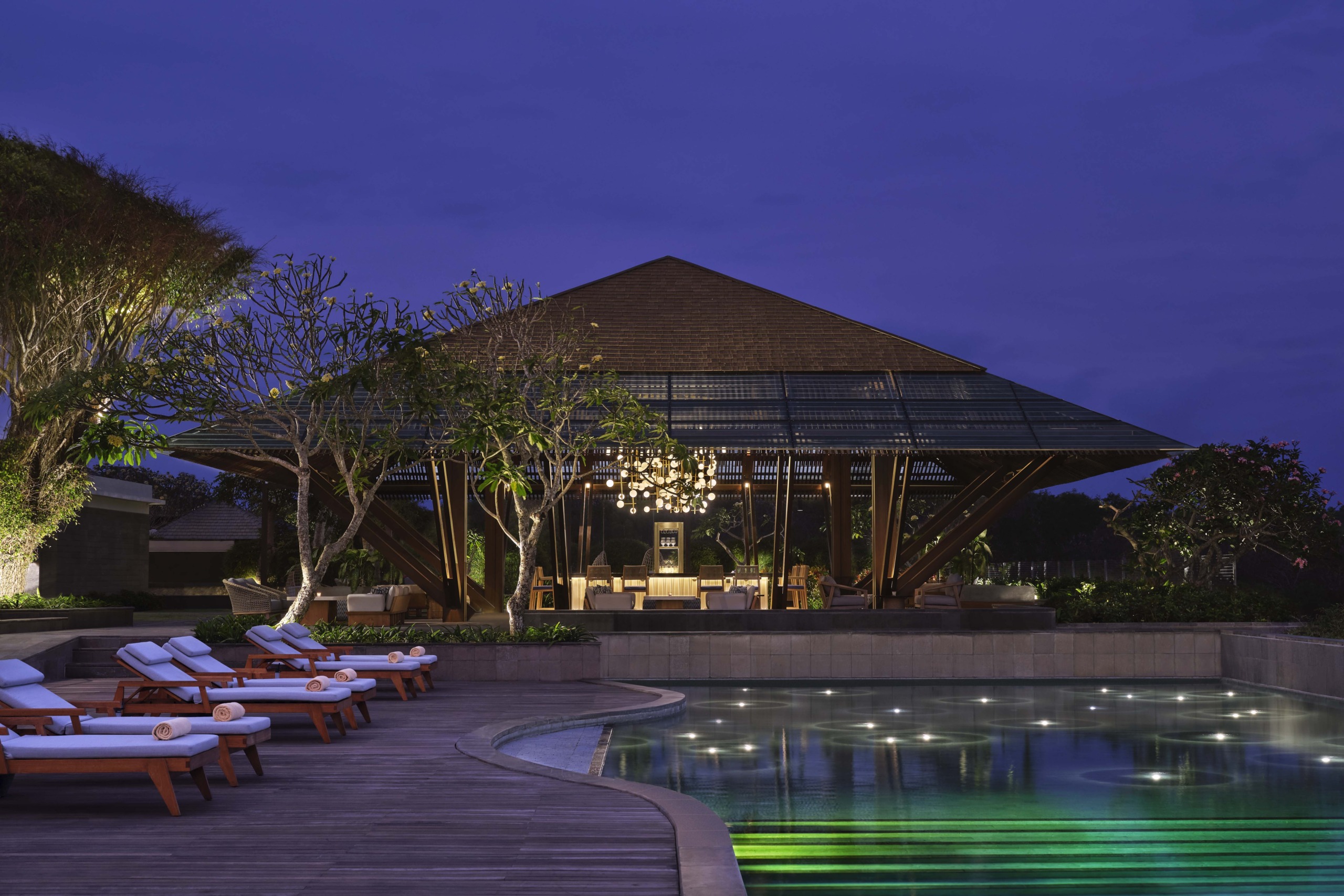
In line with our approach to renovations, we work thoughtfully with the existing structures, transforming them into fresh, engaging experiences while preserving their inherent character. Perched within the lush landscape, the lobby of Umana Bali LXR, was conceived to create moments of pause and connection. The new seating area frames unobstructed vistas of the resort and the expansive ocean beyond, evoking the sensation of sitting atop a hill beneath the protective canopy of an ancient banyan tree, its descending air roots providing both shelter and a sense of sanctuary.
Drawing inspiration from the traditional Balinese gift box, the Keben, the existing structural columns and foundations of the Pad Pool Bar were preserved and transformed into a new square pavilion. With frontages on all sides, it opens to the main swimming pool, deck, and surrounding lawns and gardens, harmonizing with the landscape while offering uninterrupted views of the horizon. The roof filters light throughout the day, allowing the colors of the sky to permeate the space and creating an environment where guests can experience nature in a tranquil, immersive setting within the pavilion.
Jeju Island, known as the island of wind and stone, is defined by its volcanic landscapes, rugged coastlines, and the cultural presence of dol hareubangs, the iconic large stone guardians that dot the island. The resort draws inspiration from this unique context, translating the island’s elemental character into architectural form.
Vertical elements throughout the resort echo Jeju’s traditional volcanic stone and slate architecture, while locally sourced lava rocks are carefully stacked to form highly textured walls that breathe and filter light. A gabion screen panel system was employed to hold the rocks in place without mortar, preserving the raw natural texture and allowing the walls to interact dynamically with daylight and shadow. Panels are randomized along the façades, creating patterns of dark and light, solid and void, delivering a subtle, ever-changing visual rhythm along the corridors.
As seen from the rugged coastlines of Jeju and Los Cabos, to the historic waterways of Wuxi, a successful guest journey is defined by a curated dialogue between the high-impact “macro” moments and the intimate “micro” details. By designing through both lenses, we can craft a sense of belonging and restorative care, leaving guests with memories that linger long after they have left the horizon behind.
Latest Insights
Perspectives, trends, news.
- Project Stories
Limelight Boulder: A Study in Intelligent Design
- Project Stories
Limelight Boulder: A Study in Intelligent Design
- News
Hotel Wuxi – Mgallery Collection wins Asia Pacific Property & Hotel Award, 2026-27
- News
Hotel Wuxi – Mgallery Collection wins Asia Pacific Property & Hotel Award, 2026-27
- Inside WATG
Inside the Dallas Studio: Creativity Through Reuse
- News
WATG and Wimberly Interiors in the Global Press: January 2026
- News