The Future of Design Education
With contributions by:
-
Sean Harry /
Chief Technology & Innovation Officer -
Sandra Whipp /
Chief Talent Officer

At a glance
Design education must shift from technical production toward judgment, emotional intelligence, and cultural literacy, as AI accelerates automation of routine design work. In an era where architecture graduates have instant access to decades of company data and AI can generate construction details in minutes, the profession’s value returns to the judgment required to shape ideas, choose between options, and protect cultural intent. Both universities and design firms must invest intentionally in developing these non-compressible human skills.
Why Design Education Must Evolve
The road to qualifying as an architect is a long one. It’s roughly thirteen years from starting college to holding a license. This journey lets us learn, travel, gain life experience, and develop good judgment and emotional intelligence. But as new technologies compress the timeline for developing technical skill, and graduates have instant access to decades of accumulated company data, Sean Harry and Sandra Whipp discuss what skills graduates will need in the future.
“Before graduates got involved in more of the strategic discussions of the business, they would spend years really understanding production. Suddenly a junior person must develop skills that enable them to participate in conversations where judgment happens.” – Sandra Whipp, Chief Talent Officer
Early-career designers begin their professional development by learning software, understanding details, and developing precision. As technology evolves and production work becomes more automated, the skills that matter most, understanding context, protecting a sense of place, building a sensory journey, and cultivating the discernment to choose the right direction, require personal and professional experience that cannot be rushed or automated. To develop these skills, we need a new approach to design education, and firms must invest in developing new talent so they’re equipped to grow beyond their technical foundation.
“At the end of the day, it’s all about problem solving. How are you going to solve a problem within a built environment? AI might make it faster to produce work, but human judgment is required to produce good work.” – Sean Harry, Managing Principal, Data, Digital, and AI
So how should design education evolve to develop these skills in students, and how do design firms prepare for the intake of the next generation of graduates?
Understanding context, protecting a sense of place, building a sensory journey, and the discernment to choose the right direction.

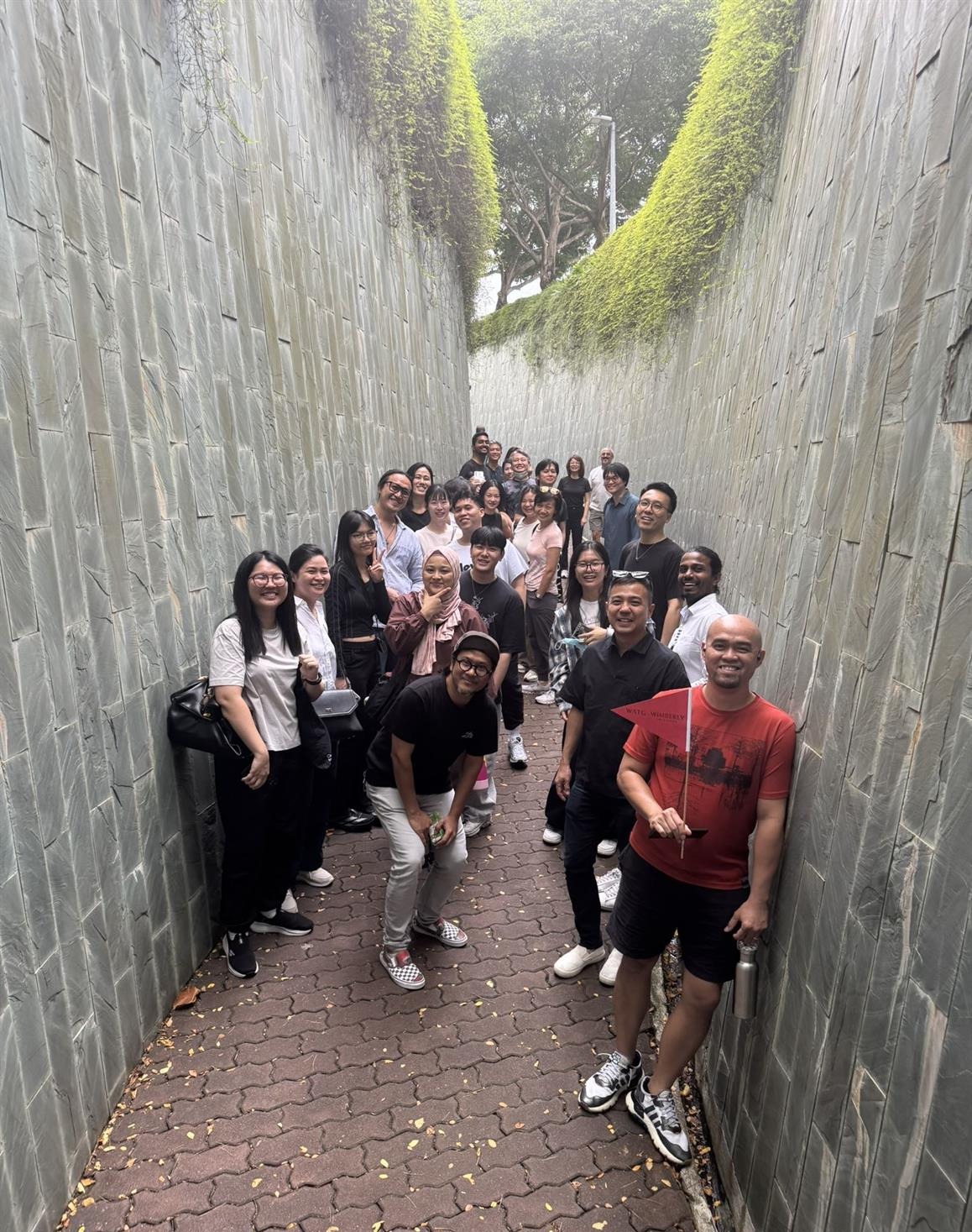
From Technical Execution to Judgment
Experience has always been the proxy for readiness. You earn your way into important conversations by surviving enough projects, enough client meetings, enough moments where you realized you were wrong, and enough life experience to extract wisdom from all this. You developed judgment through repetition and learning from triumphs and mistakes.
“Firms that see this shift coming will tell these new graduates: come to us, come to understand the problem. You can use the technology to explore it but tell us what you think.” – Sandra
What matters most for recent graduates is developing a strong set of core values. They need to be coachable, open to feedback, and ready to explain their design decisions while taking informed risks. In return, the industry gains the unique vitality, tech fluency, fresh perspective, and drive to challenge traditional ways of working that this new cohort has to offer.
“Emotional literacy and judgment will become even more important to identify at the point of hiring and nurtured with intention across teams.” – Sean
Mentoring flows in both directions, and hierarchies don’t need to be rigid. The career path does not have to be a single ladder. A designer might spend three years in strategy, then move into design, then into research, then into client experience, back to design. Different phases, different focuses. The judgment you develop in strategy applies to design. The cultural knowledge you build in one market is transferable.
“The emerging designer could move from design, data, strategy, technology, client experience, sustainability, research, leadership,” Sandra says.
Non-Compressible Skills for Emerging Designers
You cannot download the feeling of arriving at a destination designed by people who understand the intricacies of experiential hospitality design, or what amazing service feels like when back of house is running smoothly and staff are happy. You cannot fully understand a culture and how a space could meaningfully contribute to a community from a database.
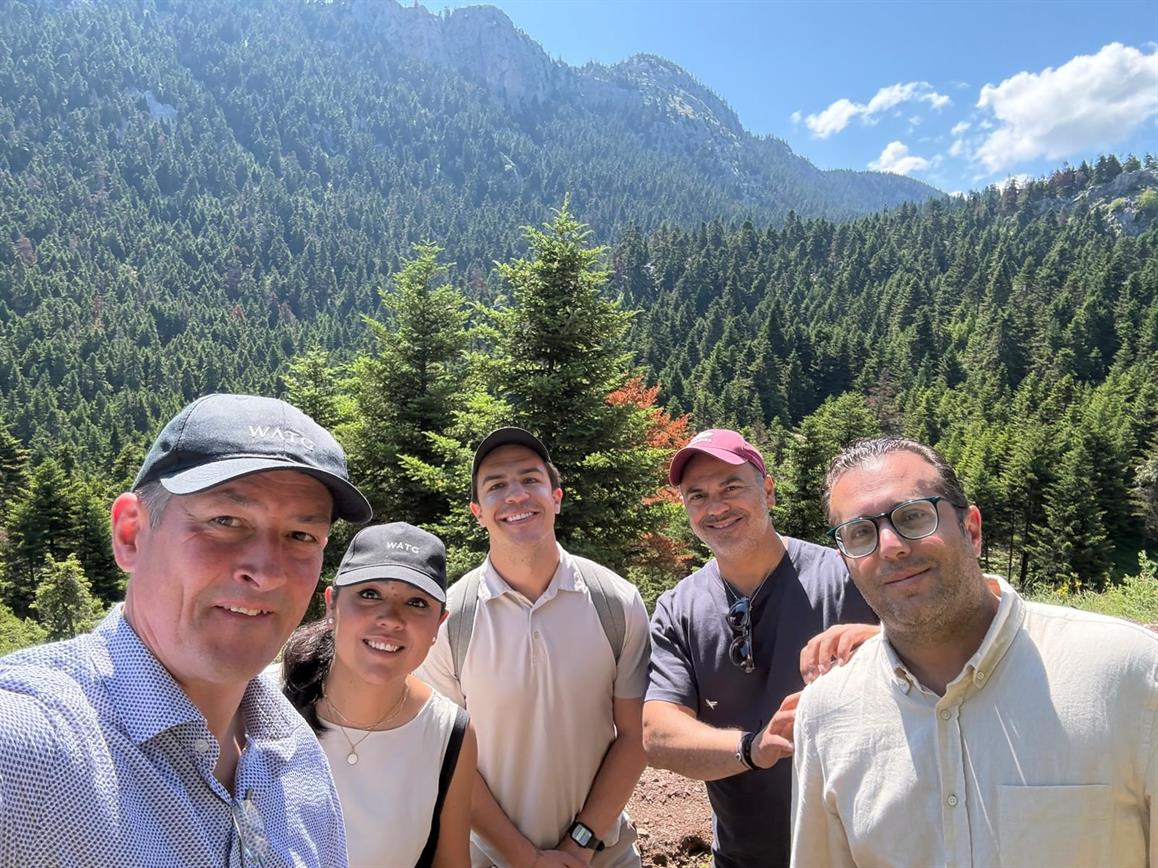
Young professionals prioritize personal travel more than ever but lack the exposure that comes from site visits and time spent understanding different cultures and landscapes firsthand. “Exposure to clients, cultures, markets, and real-world environments remains essential for developing emotional intelligence and professional judgment,” Sandra says. “Now that production work is compressed, you lose that unless you deliberately replace it.”
Firms will have to invest in nurturing employee life experience and emotional intelligence, rather than technical competency. Travel is a perfect opportunity – building site immersion and client exposure to how people develop. Not as perks but as deliberate, required learning. And when someone travels, they need to bring that back, as actual human insight: what does this place teach you about how to design here?
“With AI you can create so many different things, but if you never visited the site or shaken hands with the people or seen what it’s like to actually get to the site, driving there in a car, landing in a plane, having that whole experience, how are you going to be able to make a judgment call on the right option that AI has given you?” – Sean
Exposure to clients, cultures, markets, and real-world environments remains essential for developing emotional intelligence and professional judgment.


The Artistic Foundation
Sean started his career studying a Bachelor of Arts in Architecture, which was artistic in nature, focusing on how people interact with environments, storytelling, history and cultural and environmental issues. He then went on to a more technical graduate course. Very different approaches to study, but he values the artistic contextual grounding the undergraduate degree provided.
Historically, architects worked as visionaries, collaborating with craftspeople and tradespeople as the building took shape. “The architect was like, here’s the vision and I’m going to work alongside builders and the tradesmen and the craftsmen to create the final result,” explained Sean. In the future, with AI capable of translating concepts into construction, the profession’s value could move back to the judgment required to shape the initial idea, to articulate why one approach is right over another, and to protect the cultural and experiential intent through the process.
Perhaps, then, an artistic approach to education, anchored in context, culture, social, and sustainability, rather than loading students with construction detailing and technical specifications, would develop the kind of discernment graduate designers will need in the future.
An artistic approach to education, anchored in cultural and social context and sustainability.
A Sea of Options: Rising Responsibility
Technology generates more options. The world is getting more complicated. So, the responsibility of the person making the choice goes up, not down. Sean frames it: “Increasing global complexity, interconnected challenges, and climate-related responsibilities will make professional decisions more demanding. Technology can model ten scenarios faster than before, a designer has to pick which one. Which one do you believe in? Which one protects the place, fits the client, and aligns with who your firm is?”
“Just think about the level of responsibility that is placed on next generations. This level of discernment, and these many choices, it’s not easy,” Sandra comments. “Building judgment has to be purposeful and intentional; firms cannot outsource this responsibility. Universities can teach technique, but firms have to build conditions where judgment develops.” That means hiring curious people with aligned values, prioritizing continuous learning and up-and-down mentoring, ensuring new talent has exposure to how clients think, investing in travel, and having emotional intelligence hold more weight than technical skills.


Latest Insights
Perspectives, trends, news.

- Project Stories
Connecting Historic Preservation and Wellness Design

- Strategy + Research
Phu Quoc at a Turning Point: Lessons for Long-Term Island Planning

- Design + Innovation
Lagen Island Resort, El Nido: A Shared Legacy of Responsible Luxury

- News