Lagen Island Resort, El Nido: A Shared Legacy of Responsible Luxury
With contributions by:
-
Chiara Calufetti-Lim /
Principal -
Paolo De Simone /
Creative Director -
Paloma Urquijo Zobel de Ayala /
Creative Director, Ayala Land Hospitality
At a glance
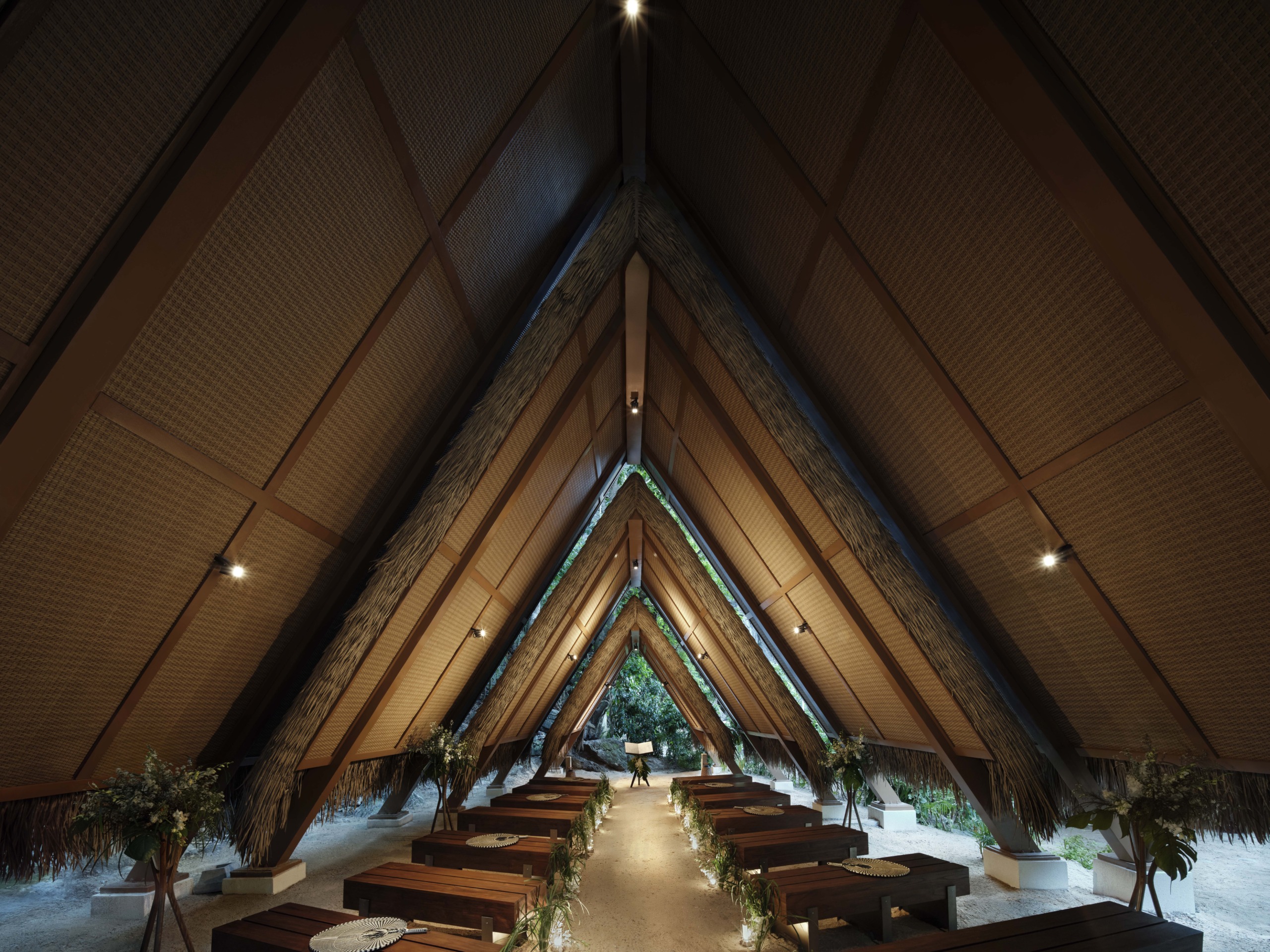
In an interview about the renovation of Lagen Island Resort in El Nido, Palawan, Philippines, Ayala Land Creative Director Paloma Urquijo Zobel de Ayala, WATG Principal in Charge Chiara Calufetti-Lim, and Wimberly Interiors Creative Director Paolo De Simone discussed the 2026 reopening. About 80% of the existing buildings were retained, and villa rates have doubled since reopening, citing WATG Advisory data. New additions include the Wellness Sanctuary, Ceremonial Hall/ Chapel and Water Sports Center, with details drawing on Filipino weaving and carving traditions.
Lagen Island Resort, long regarded as one of the region’s defining eco-sanctuaries, has reopened following a careful renovation that places preservation ahead of excess. As a legacy property by Ayala Land Hospitality long cherished by Filipinos as an eco-sanctuary, Lagen’s transformation demonstrates how such destinations can evolve without losing their essence, setting a benchmark for responsible evolution while proving that true longevity is not driven by reinvention, but by genuine care, restraint, and thoughtful decision-making.
That measured approach is already yielding results. Rates for its villas have doubled* since reopening, signaling the tangible value of design when applied with clarity. The project has also earned a place on the highly regarded Hospitality Design Awards shortlist in the Resort category, and AHEAD Asia Awards shortlist in the Sustainability category. We spoke with Paloma Urquijo Zobel de Ayala, Creative Director of Ayala Land, alongside Chiara Calufetti-Lim, Principal and Studio Director at WATG, and Paolo De Simone, Creative Director at Wimberly Interiors, about the thinking behind the transformation.
*Based on a comparison with WATG Advisory’s report at the time of publication.
Can you share your vision for the Lagen renovations?
Paloma: Lagen has always been an extremely special property to us, a resort defined by restraint and a deep respect for its natural setting, where nature does most of the talking. Our vision was really never to reinvent it, but to listen carefully to what it already was and bring it forward with clarity and confidence. We stripped the resort back to its essence, its quiet, natural, beautiful charm, while ensuring it was equipped for the needs of the modern, discerning traveler.
It was not without its challenges though. Undertaking a full renovation on an island over the course of a year required a great deal of trust between teams, as well as a lot of creativity and adaptability. WATG and Wimberly Interiors were the right partners from the get-go because they bring decades of experience working in sensitive destinations just like this, and more importantly, a shared belief that design should be in service of place, ecology and the guest’s emotional journey.
Chiara: Lagen Island Resort occupies a special place in our client Ayala Land Hospitality’s portfolio. Our goal was to celebrate the legacy of the place and retain elements which have carried the identity of the resort in the memory of returning guests. At the same time, we wanted to take the opportunity to reawaken the resort’s cultural, natural and spiritual connection to the island, and tailor the interventions to prepare the resort for its next chapter of life, with minimal disruption to the environment and the history of the place.
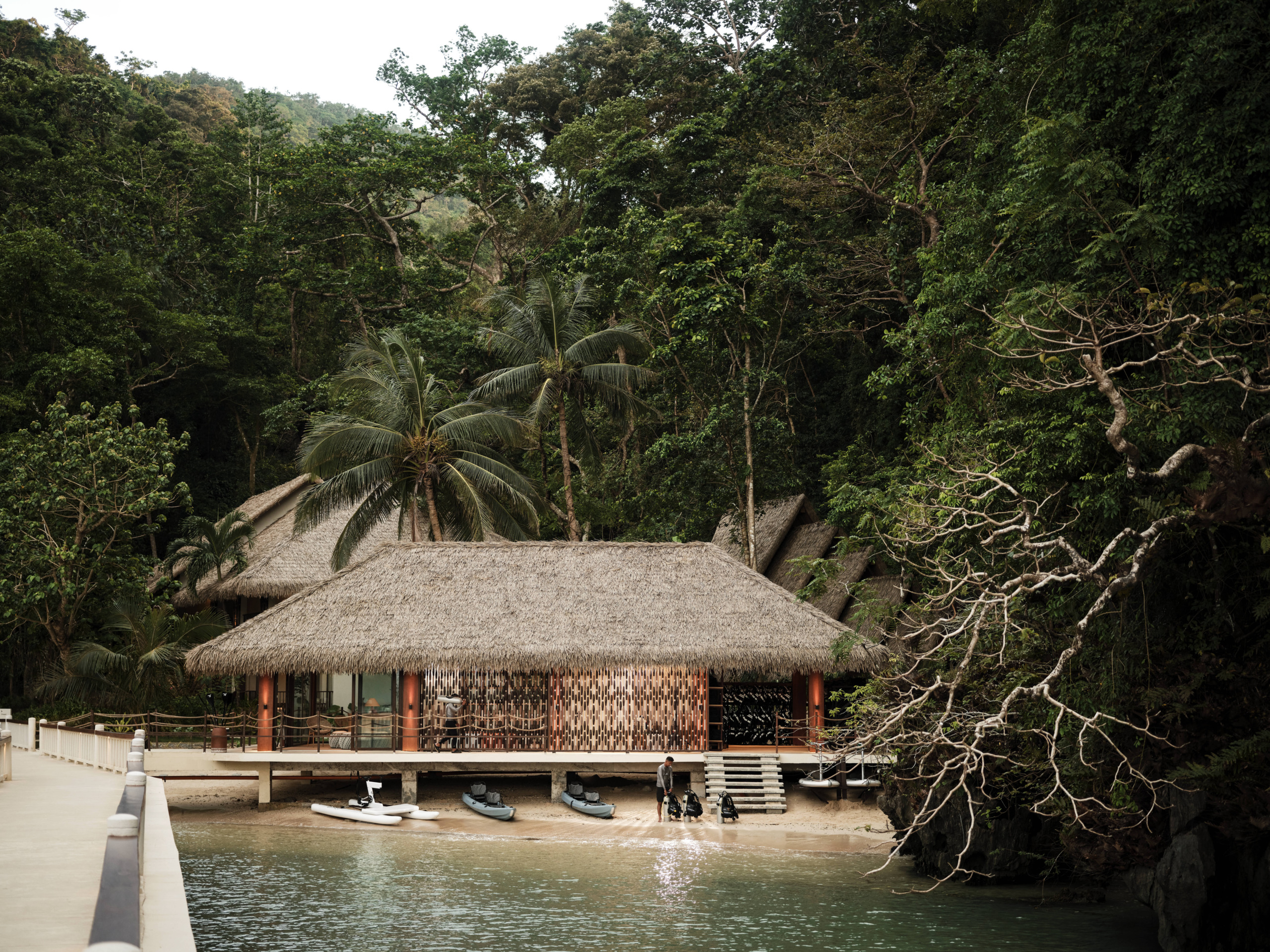
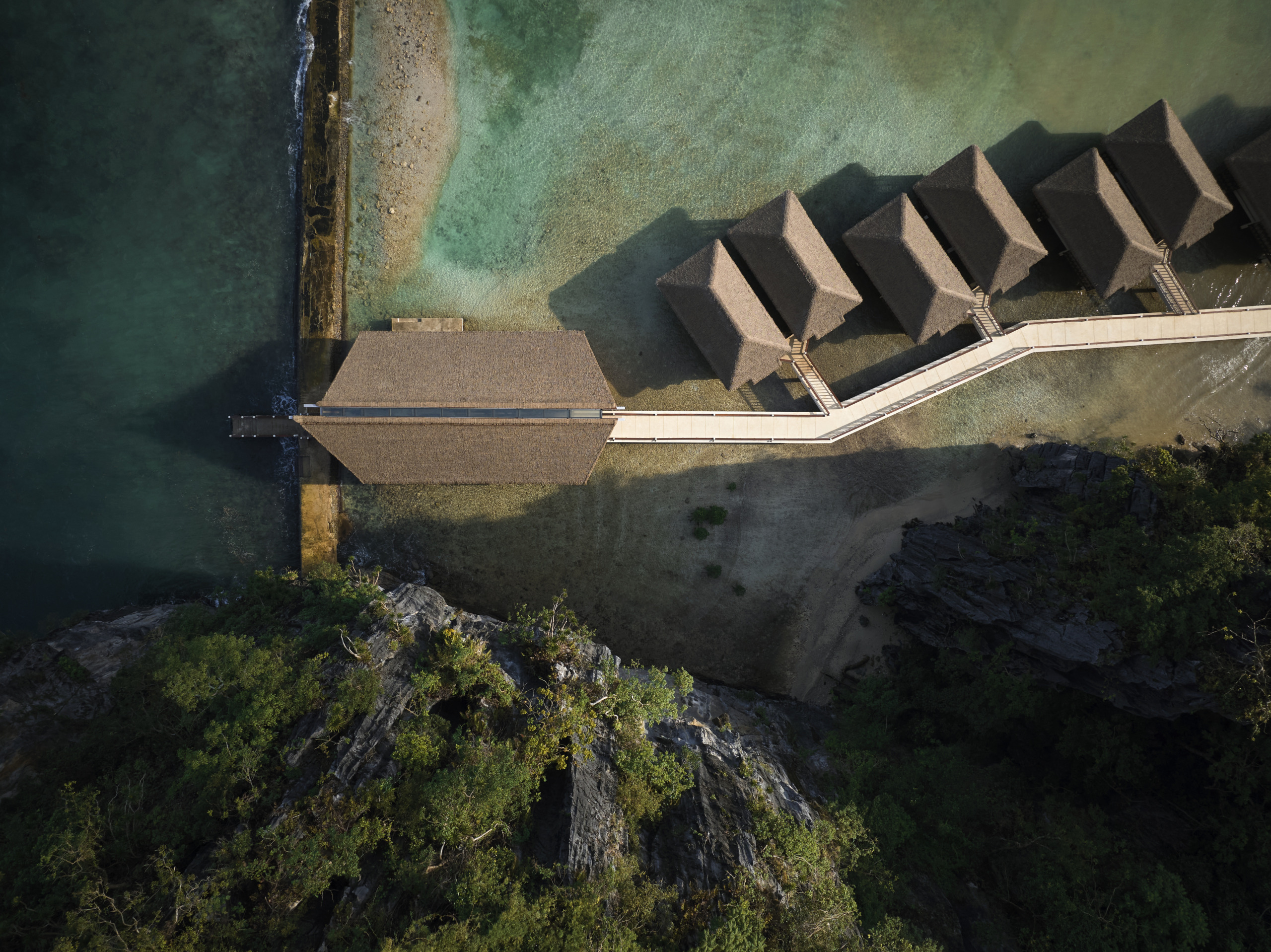
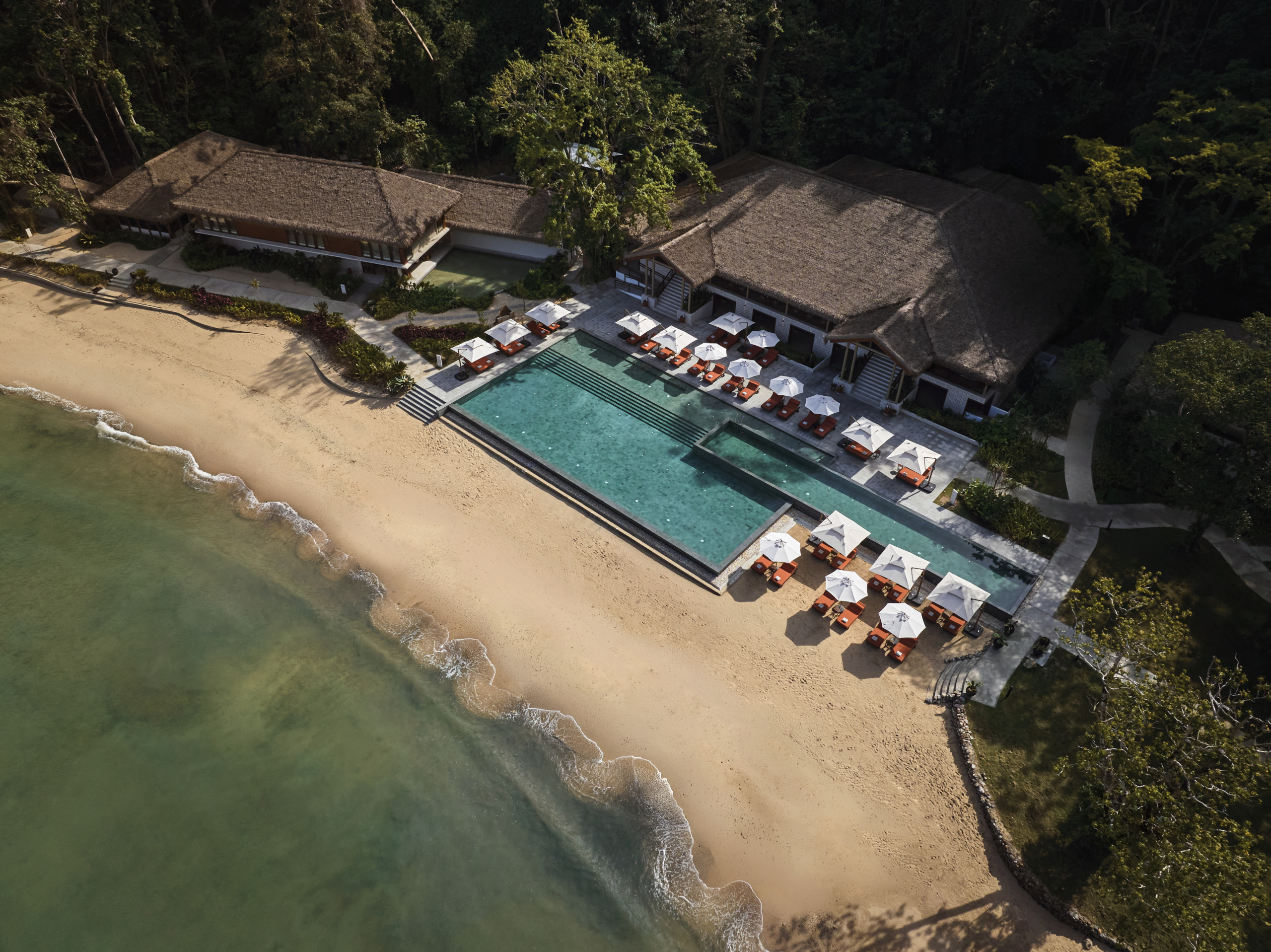
The renovation has uplifted most of the existing spaces and added some new anchor buildings for social, cultural, ecological and wellness opportunities. The Wellness Sanctuary supports nature-based wellness and restorative guest experiences, the Ceremonial Chapel provides a meaningful space for gathering, ceremony, spirituality and reflection, and the Diving Center with education and engagement spaces offers guided, eco-driven activities which directly connect guests to Palawan’s marine environment. Together, these additions to the resort have deepened the relationship with the island while focusing on social and ecological infrastructure rather than conventional expansion.
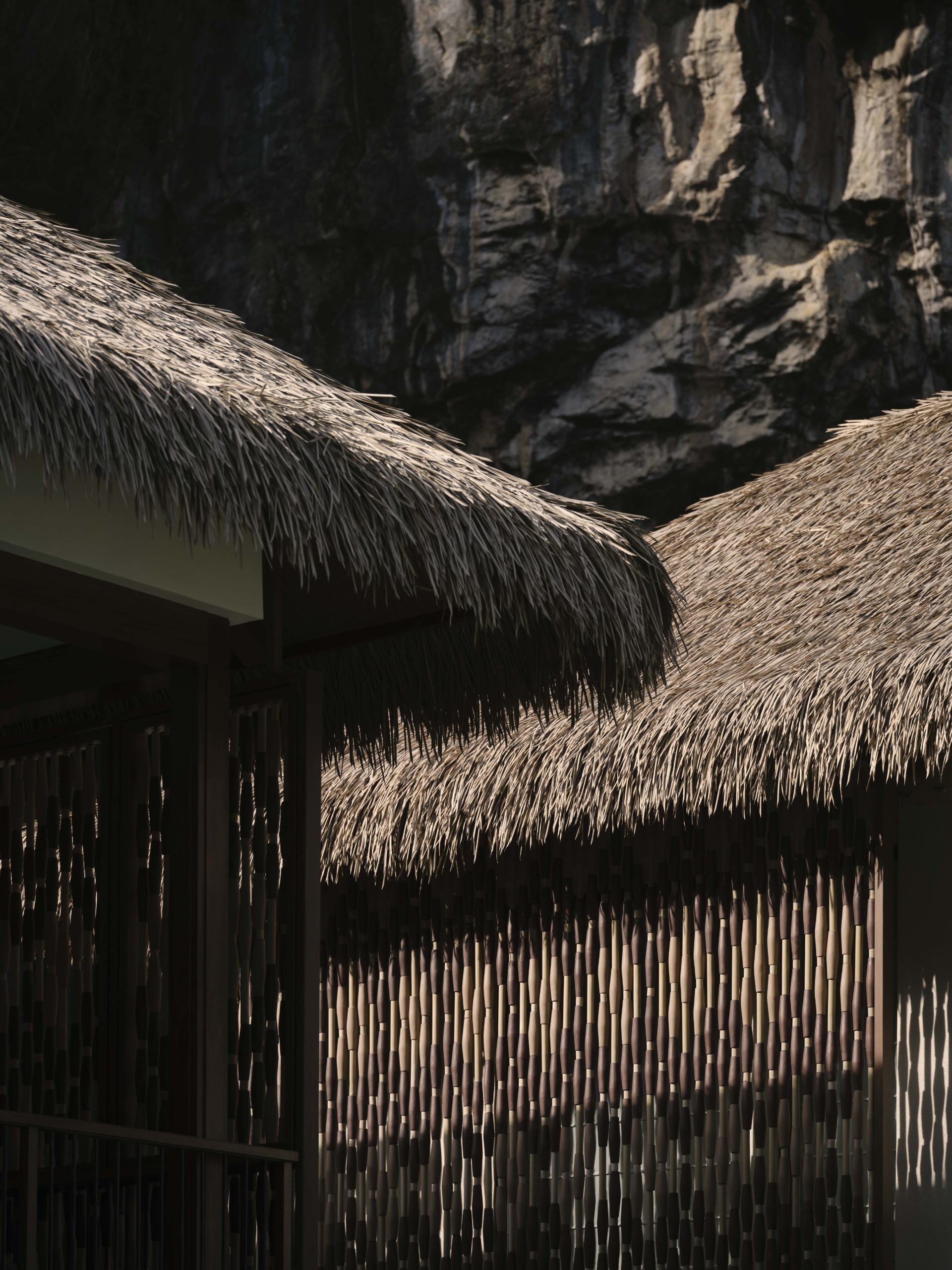
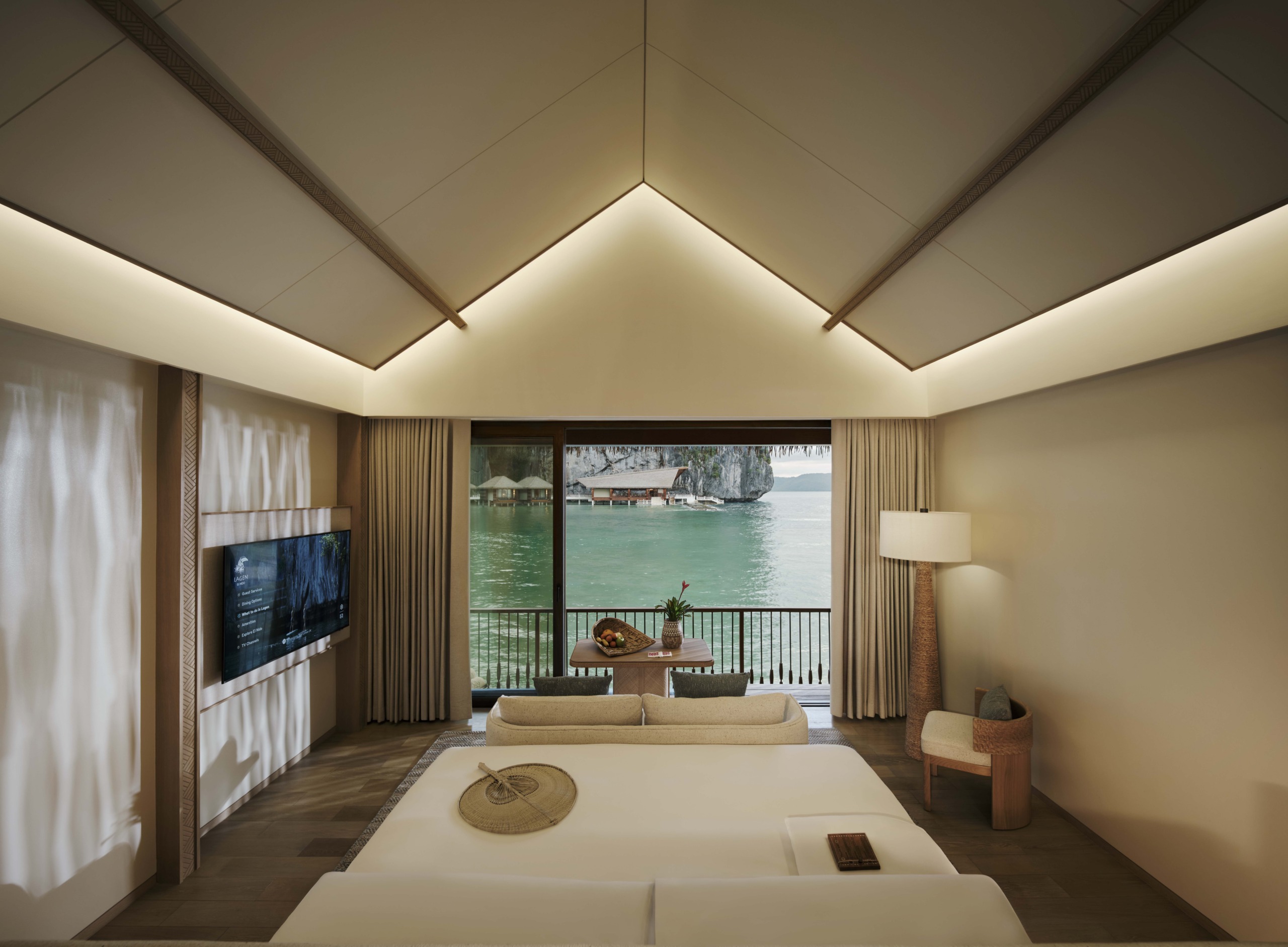
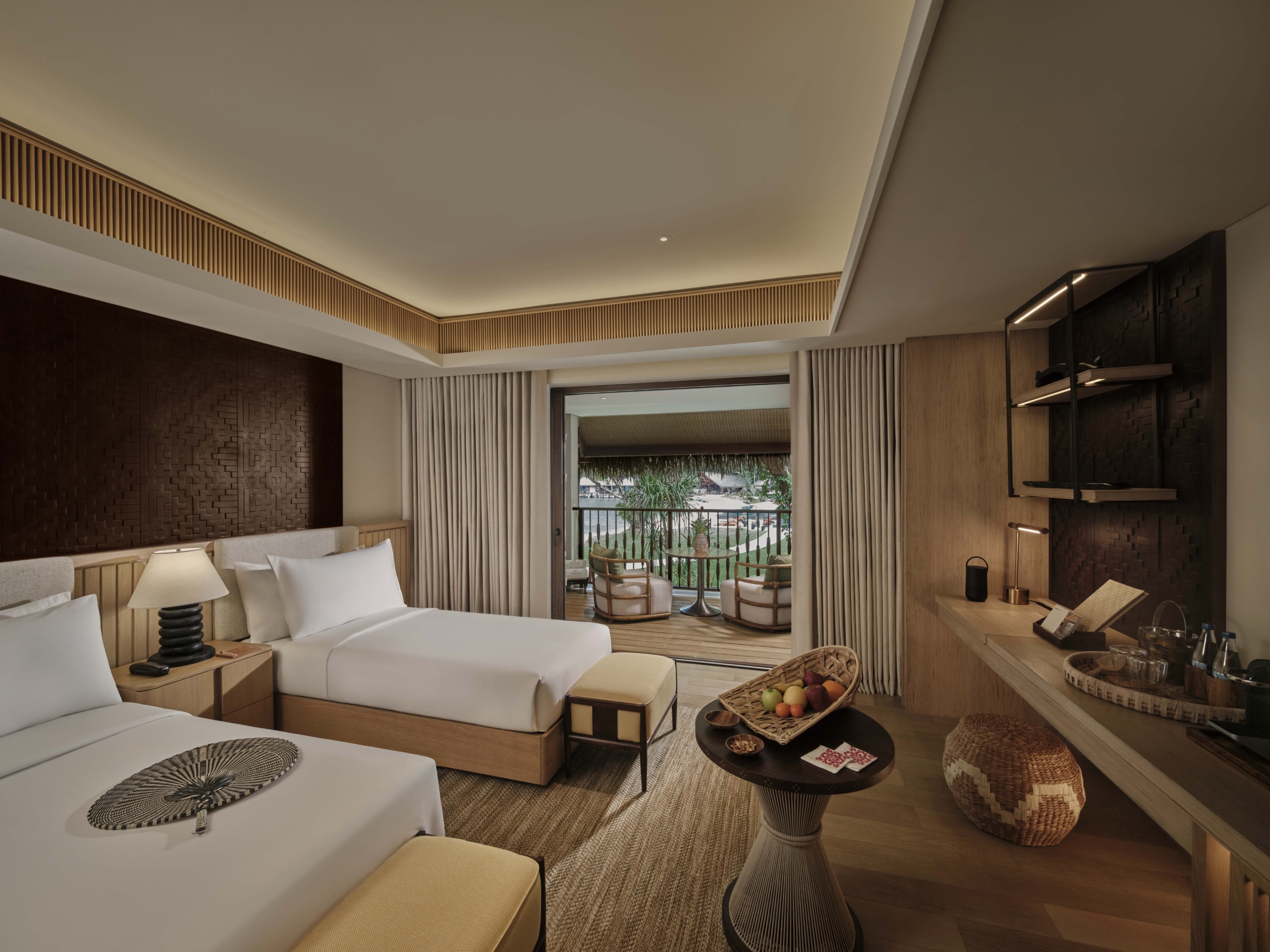
The local culture also informed the architecture expression. Traditional weaving patterns inspired the façade stone cladding details, while references to indigenous carving tradition, and patterns were reinterpreted across various architectural elements, where collaboration with local potters allowed us to add interesting touches to the screen and railing design. The goal was never to create a literal representation of culture, but rather to capture its essence in a way that feels timeless and relevant.
“…we wanted to take the opportunity to reawaken the resort’s cultural, natural and spiritual connection to the island… ”
How do you want guests to react when they experience the new Lagen?
Paloma: We want the guests to feel a sense of familiarity, a quiet recognition that this is still the Lagen that so many love and had created wonderful memories in – we want Filipinos to feel pride, and international visitors to learn about our culture through the narrative the beautiful design provides. Every element and detail is an opportunity to tell a wonderful story through the materials, the craftsmanship, and carefully considered special moments. The design gives guests a genuine sense of place.
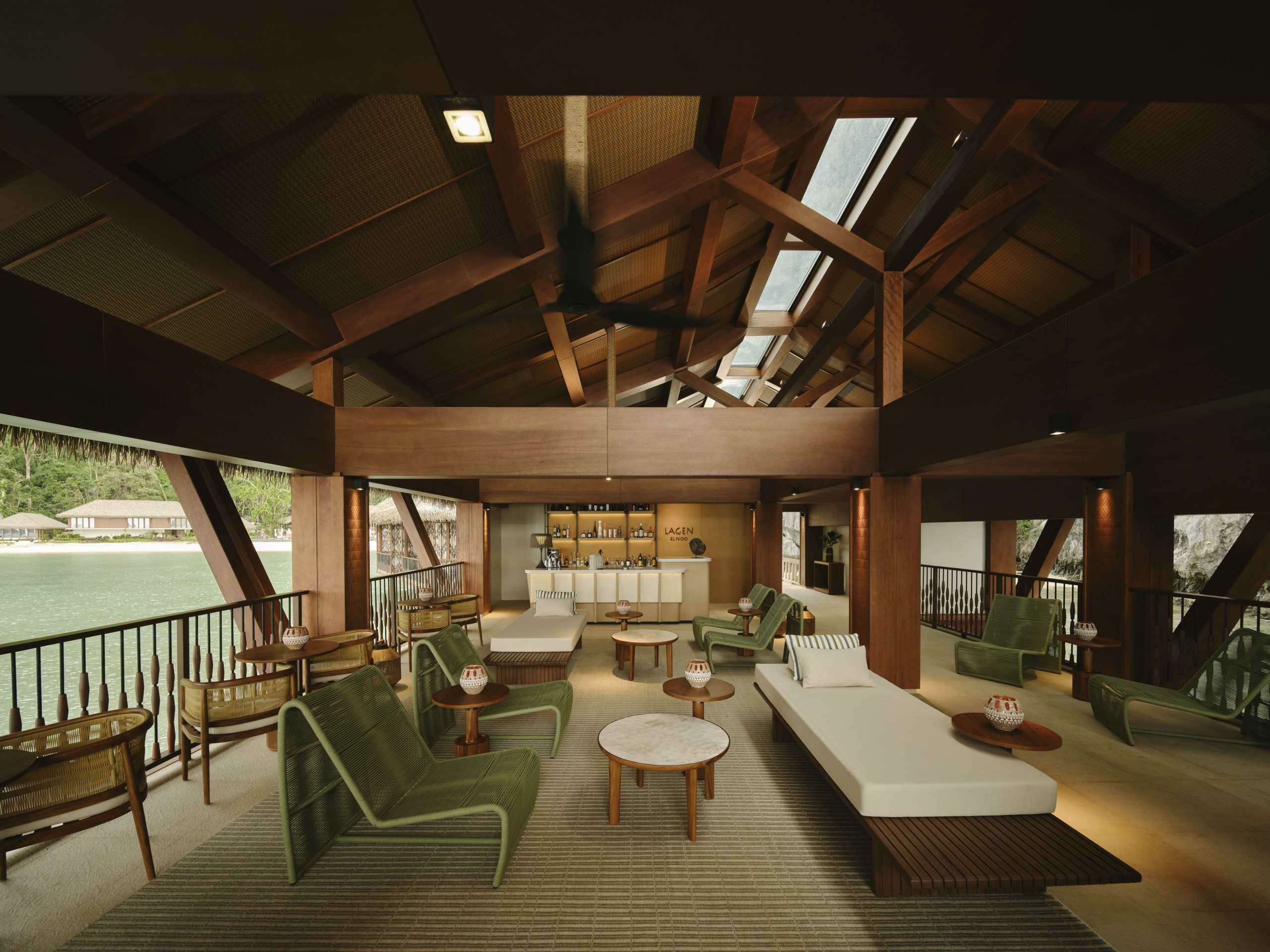
Paolo: We wanted the experience to feel inseparable from its setting. The island’s unique duality of sea and forest became an important design driver. Guests can experience Lagen through different lenses, whether immersed in the forest or connected to the lagoon and horizon.
The interiors were designed to support that emotional connection. Through materiality, color, texture, and spatial planning, we sought to create an experience that feels deeply rooted to Lagen rather than something that could exist anywhere in the world.
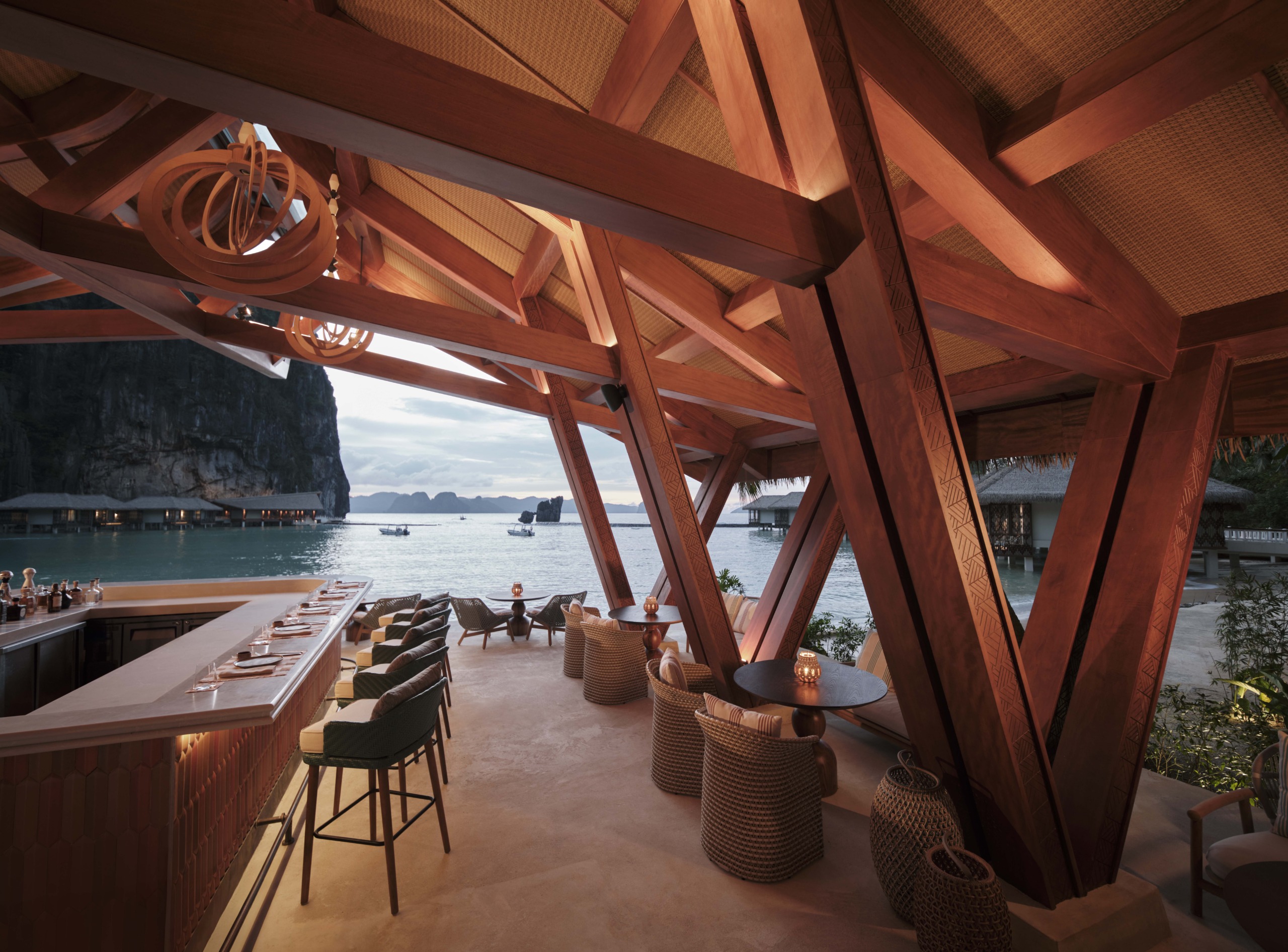
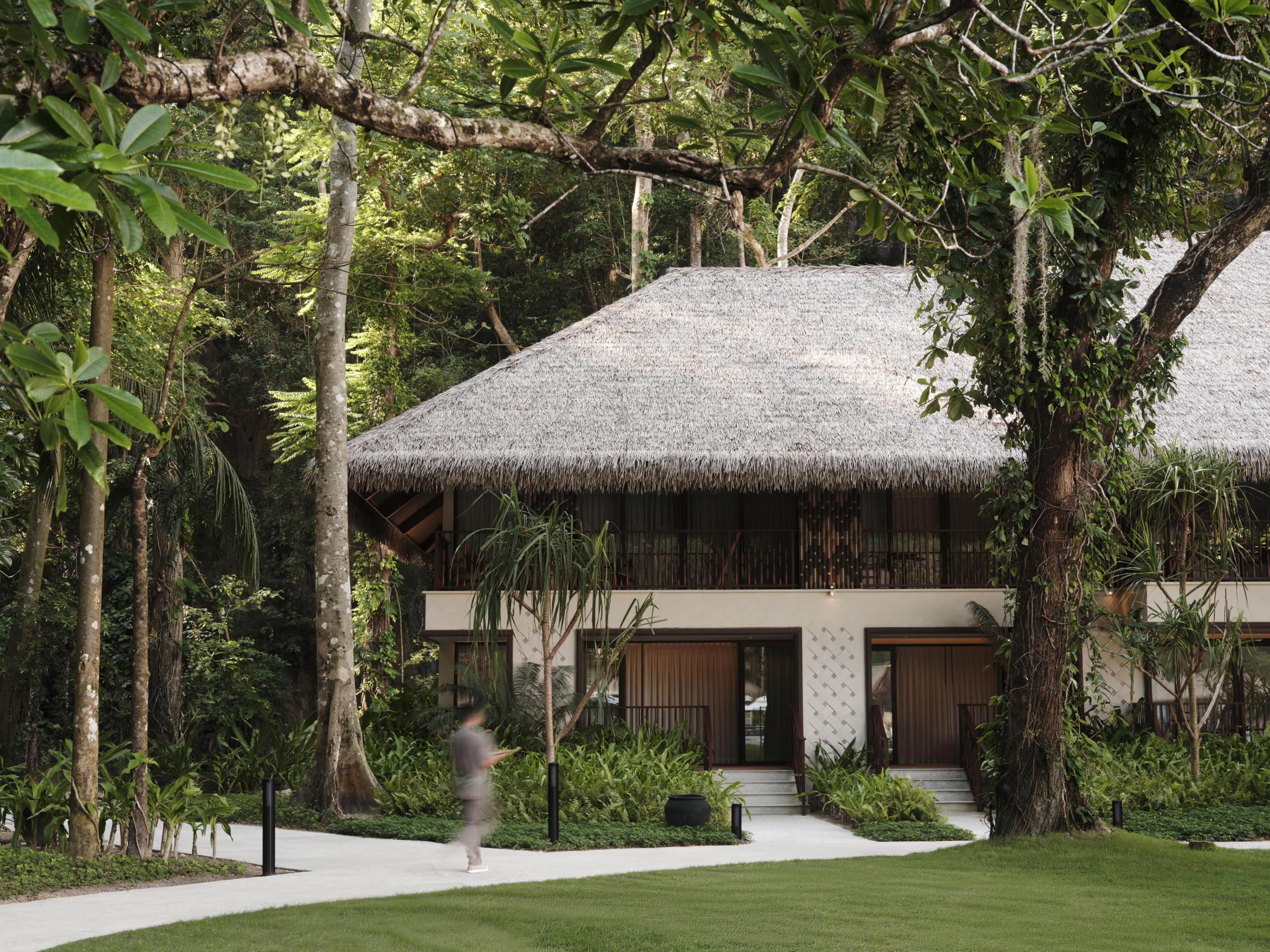
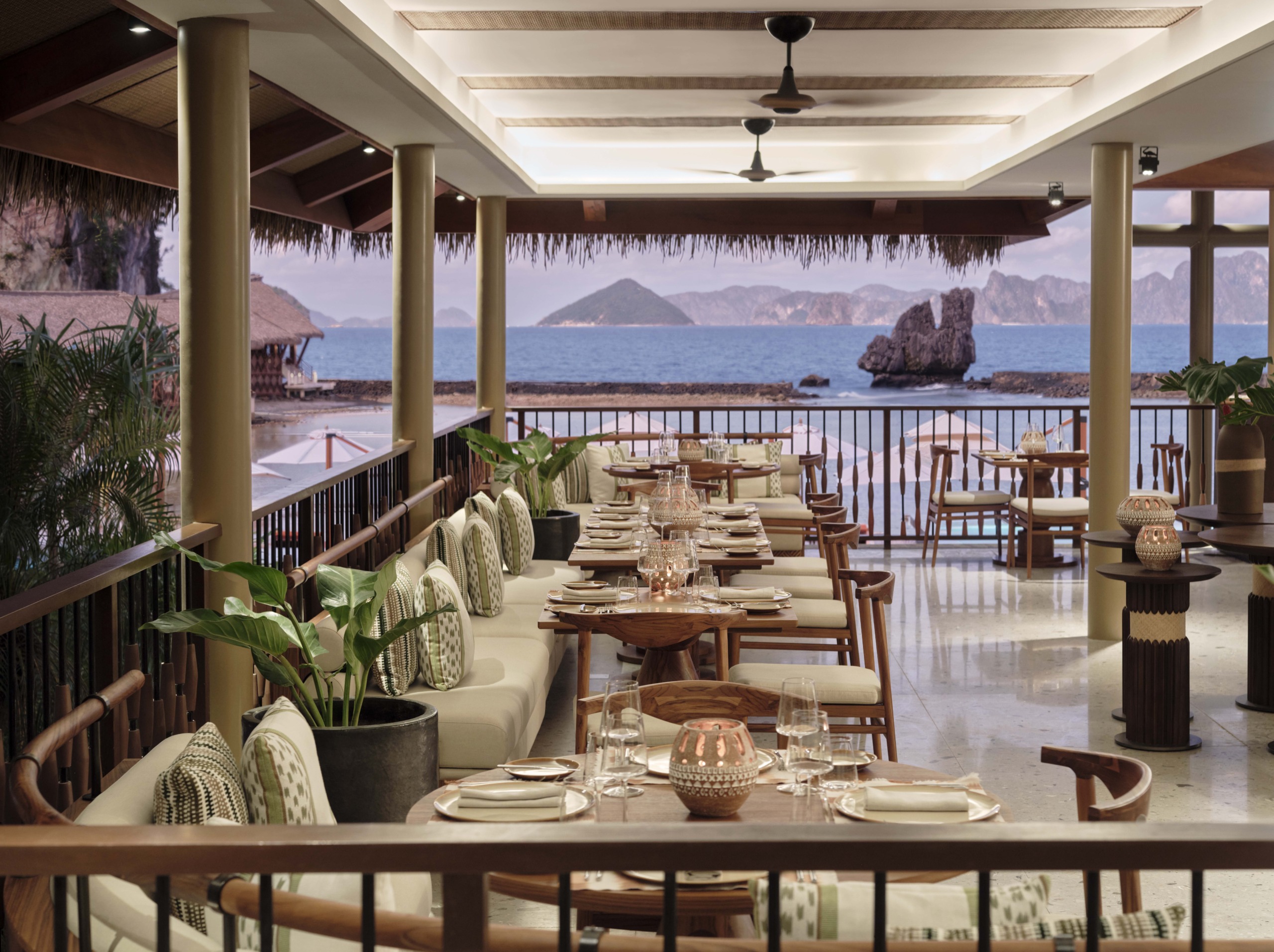
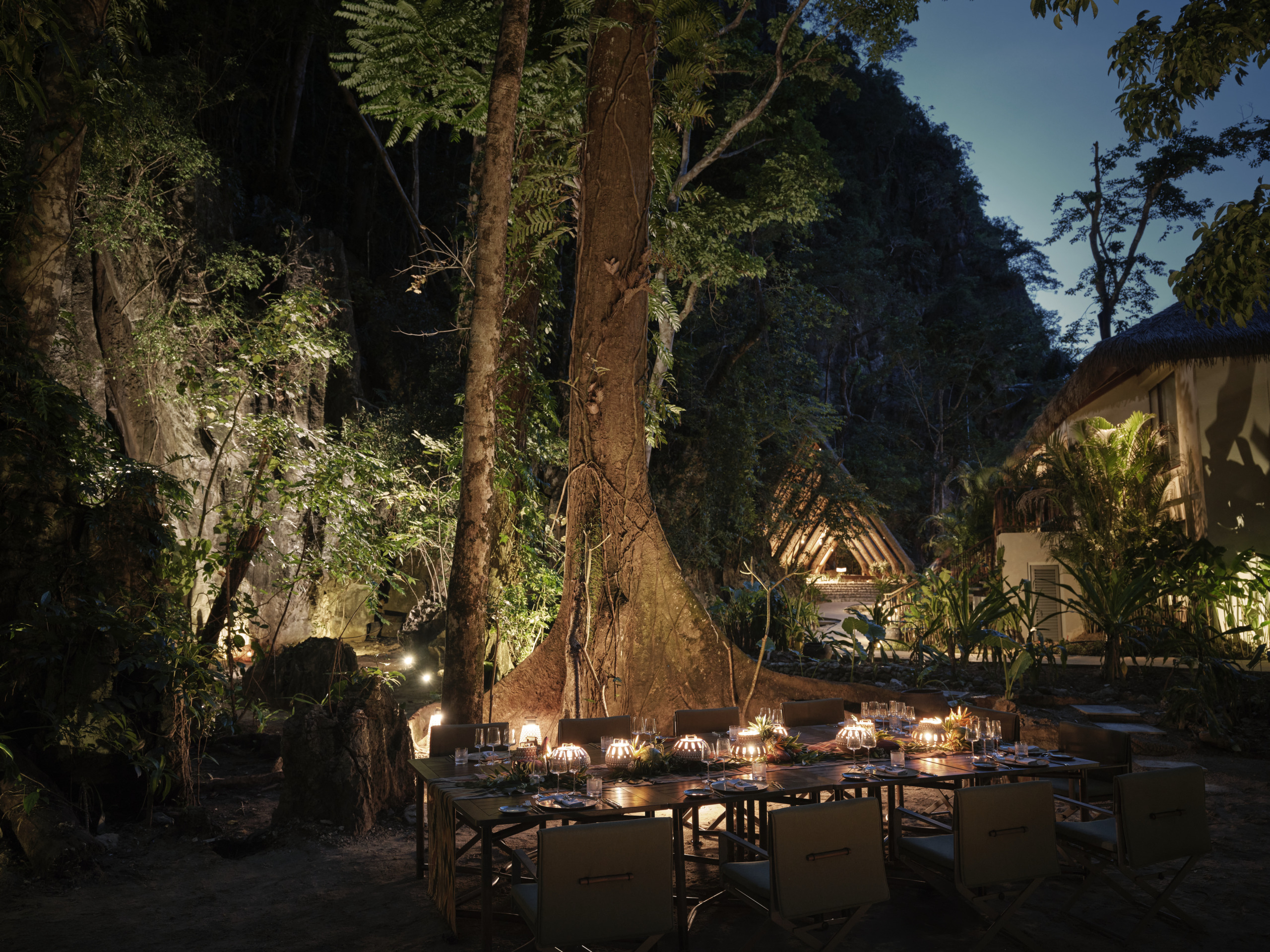
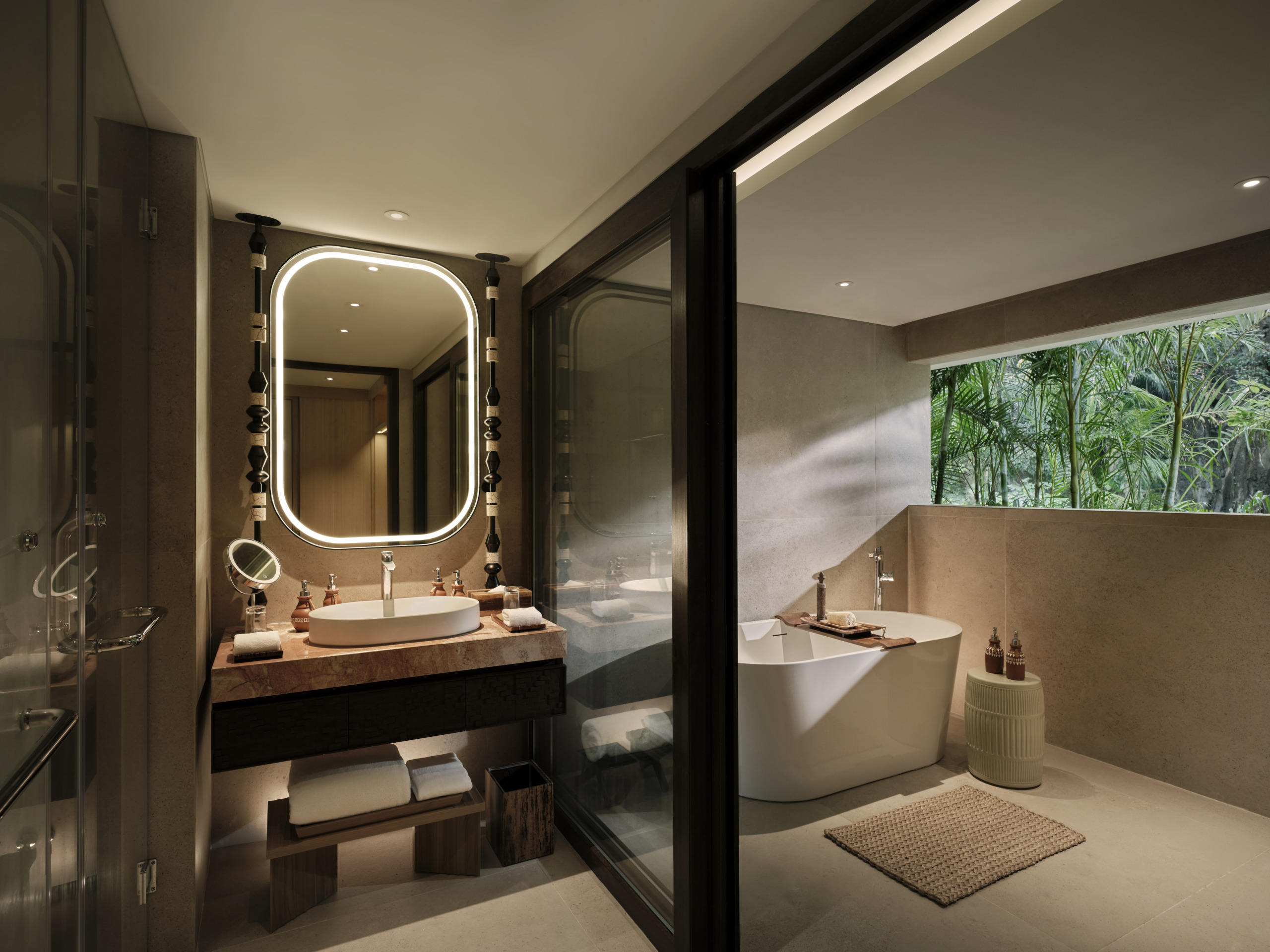
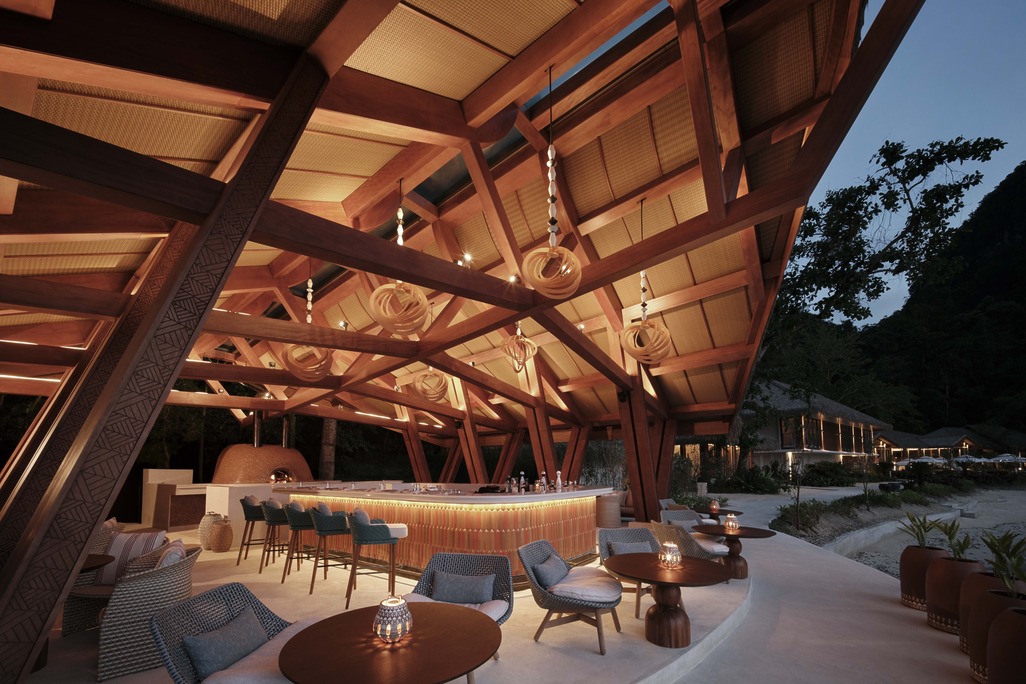
For example, the newly introduced Sunset Bar takes cues from the changing hues of the horizon at dusk. Warm sunset tones are expressed through soft finishes, rope and wicker weaving, and shimmering mosaic details along the bar fascia, capturing the atmosphere of the guest experience as day transitions into evening. Over at the Forest Rooms, a richer and more grounded palette of timber tones, textured natural materials, and deep greens strengthen the connection to the surrounding nature. Across the resort, the palette was intentionally restrained and tactile, allowing the natural beauty of Lagen Island to remain the focal point, and eventually closely connected to its colors and nuances.
[0:00]
Chiara Calufetti-Lim, Principal and Studio Director, WATG
Lagen Island Resort occupies a special place in our client, Ayala Land Hospitality portfolio. Our goal was to celebrate the legacy of the place, to retain elements which have been carrying the identity of the resort in the memory of returning guests. But at the same time, we wanted to take this opportunity of renovation to reawaken the resort’s cultural, natural, and spiritual connection to the island, and to tailor the intervention to prepare the resort for its next chapter in life with minimal disruption to the environment and history of the place.
The renovation has uplifted most of the existing spaces and has added some new anchor buildings for social, cultural, ecological, and wellness opportunities. Rather than pursuing a wholesale redevelopment, WATG dove into an in-depth study led by our advisory team. We determined which interventions were going to make a difference, projecting which development and which portion of the resort had to be developed and retained. And this was done with the architectural team testing the plans. At the end, we retained as much as existing structure as possible. About 80% of the existing buildings were renovated, and that this way could elevate the guest experience while respecting the island character.
[1:27]
Paolo De Simone, Creative Director, Wimberly Interiors
We were interested in their interpretation rather than replication. Traditional Filipino craftsmanship carry incredible artistry and cultural meaning. But we wanted to express those influences in a contemporary and refined way. Carving and weaving become particularly important references throughout the resort. These traditions were translated into screen, furniture, lighting, joinery details, and material application that reveal themself gradually throughout the guest journey.
[2:02]
Chiara Calufetti-Lim, Principal and Studio Director, WATG
The local culture also informed the architecture expression. We studied and included traditional weaving patterns, inspiring the facade, the stone cladding details, and as well, referencing the indigenous carving tradition and pattern that were reinterpreted across various architectural elements.
An interesting collaboration with a local potter allowed us to add interesting touches to the screens and the railing design. The goal was never to create a literal representation of the culture, but rather to capture its essence in a way that feels timeless and relevant.
[2:45]
Paolo De Simone, Creative Director, Wimberly Interiors
We wanted the experience to feel inseparable from its setting. The island’s unique duality of sea and forest become an important design driver. Guests can experience Lagen through different lenses, whether immersed in the forest or connected to the lagoon and horizon.
The interiors were designed to support that emotional connection. Through materiality, color, texture, and spatial planning, we sought to create an experience that feels deeply rooted to Lagen than something that could exist anywhere in the world.
[3:18]
Chiara Calufetti-Lim, Principal and Studio Director, WATG
Because everyone was aligned from the outset on stewardship, guest experience, and long-term sustainability, each intervention was designed based on those same priorities. I would say that consistency became one of the projects greatest strengths. We hope the project demonstrates that preservation and transformations are not opposite ideas. Legacy destinations can evolve to address new hospitality trends and amend the value of the property and its offering while retaining and remaining true to their identity.
[4:02]
Paolo De Simone, Creative Director, Wimberly Interiors
When the resort feels connected to the spirit of the island, then the design is successful when it’s doing exactly what it was intended to do.
[4:11]
Chiara Calufetti-Lim, Principal and Studio Director, WATG
We believe that with this project, we have achieved something meaningful beyond the design of the resort itself, contributing to a broader conversation about responsible destination development in sensitive areas.
Please share the process of this ambitious renovations project.
Paloma: The process was deeply collaborative. From the outset, we worked as one extended team – WATG’s Advisory, Architecture, Wimberly Interiors, with operation, sustainability and brand all around the same table. There were months of exchanging references, refining ideas and discussing how Filipino elements can be integrated thoughtfully – never ornamentally, but in smart, contemporary ways that reinterpret classic Filipino design principles. We constantly tested ideas against three main questions: Does it belong here? Does it improve the guest experience? Does it respect the environment? That shared framework really allowed us to navigate complexity while remaining intentional.
Chiara: The process was very compressed, so we had to establish a tight collaboration between the client and the consultants. Timely application of expertise was required focused on specific areas of the resort which didn’t necessarily follow the typical linear hospitality design process. Also, flexibility in the design approach and maintaining a high-quality documentation process were required while we expedited the process.
Rather than pursuing wholesale redevelopment, we dove into an in-depth study led by our Advisory team to determine which intervention was going to make a difference. Projections were then developed and tested with the Architecture team. At the end, we retained as much of the existing structures as possible, about 80% of the buildings, and introduced targeted interventions that could elevate the guest experience while respecting the island’s character.
This strong design outcome was definitely shaped by the early integration of WATG’s Advisory, Architecture, Interiors teams and the Client’s team. Clear communication helped establish a shared framework for decision-making across the entire project which then became very efficient and intentional. Because everyone was aligned from the outset on stewardship, guest experience and long-term sustainability, each intervention was designed based on those same priorities. This consistency became one of the project’s greatest strengths.
How was local culture and Filipino craft incorporated into the design in a purposeful way? What is the message you would like both domestic and global guests to take home with this celebration of the locale?
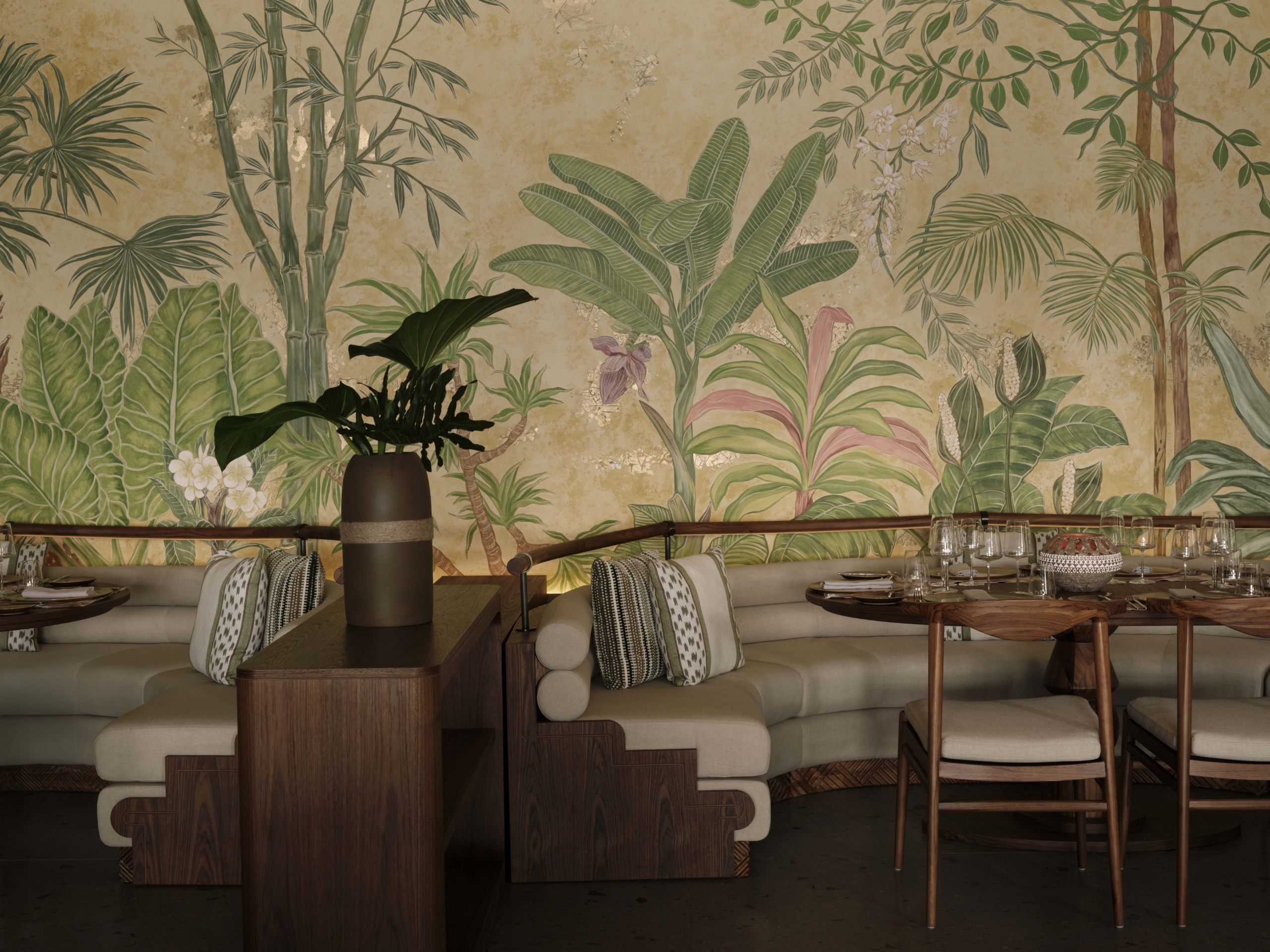
Paloma: We were very intentional about avoiding surface level references. Instead, Filipino culture is embedded throughout the process, materiality and a lot of collaboration. What I really enjoyed about this project is how it allowed us to work with craftsmen from around the country, from clay makers, wood carvers, weavers, all different types of artisans, ensuring that each piece carried both skill and a wonderful story and narrative. Without being ornamental or performative, the message we hope guests take home is that Filipino design is confident, it’s sophisticated, and it’s definitely rooted in place.
Paolo: We were interested in reinterpretation rather than replication. Traditional Filipino craftsmanship carries incredible artistry and cultural meaning, but we wanted to express those influences in a contemporary and refined way.
Carving and weaving became particularly important references throughout the resort. These traditions were translated into screens, furniture, lighting, joinery details and material applications that reveal themselves gradually throughout the guest journey. The result feels authentic and contemporary at the same time.
How do you measure success for the relaunched Lagen? Are there any early success indicators?
Paloma: I was fortunate to be on property during the opening months and to hear feedback directly from both new and returning guests. The response has been overwhelmingly positive. Returning guests appreciated how we preserved Lagen’s original charm while significantly elevating the experience. New guests spoke about how this is truly a world class offering in the Philippines, and the wonderful comforts and amenities that this resort offers.
On a personal note, the biggest success indicator for me is watching the team, seeing how morale is lifted and witnessing them move so swiftly and seamlessly through this new space. They’re so proud of it, and it’s truly a win. That confidence and pride translate directly into how they treat our customers, and it really offers them the best experience.
Paolo: When the resort feels connected to the spirit of the island, then the design has been a success by doing exactly what it was intended to do.
Chiara: We understand that returning guests really appreciate the renovation and the fact that the soul of the place has been retained. Old and new guests leave with a deeper appreciation for Lagen’s extraordinary offering and extended amplified opportunities for the celebration of culture, biodiversity, landscape and hospitality.
“When the resort feels connected to the spirit of the island, then the design has been a success by doing exactly what it was intended to do. ”
What long-term impact do you hope this collaboration between legacy developer Ayala Land Hospitality with WATG and Wimberly Interiors will create?
Paloma: We hope it sets a benchmark for how legacy properties can evolve responsibly, proving that longevity comes from genuine care and thoughtful decision making. On a more personal note, this project represents a passing of the torch of sorts from one generation to the next. This is a property my uncles before me took great pride in and continue to love deeply, as well as my whole family, and it was an honor to be entrusted with breathing new life into Lagen as it enters this new era.
Chiara: We hope the project demonstrates that preservation and transformation are not opposing ideas. Legacy destinations can evolve to address new hospitality trends and augment the value of the property and its offerings while remaining true to their identity.
The revitalized resort is unmistakably rooted in place while setting the foundation for world class regenerative tourism for generations to come. We believe that with this project we have achieved something meaningful beyond the design of the resort itself, contributing to a broader conversation about responsible destination development in sensitive areas.
“…this project represents a passing of the torch of sorts from one generation to the next… ”
Project
Lagen Island Resort, El Nido
Lagen Island Resort, El Nido sits among the pristine landscapes of Palawan. The area is famous for its limestone cliffs, turquoise waters, and lush rainforests. To elevate its status as a premier eco-sanctuary, the resort recently underwent an ambitious renovation.
Project
Latest Insights
Perspectives, trends, news.
- News
Six MICHELIN Keys for Five WATG and Wimberly Interiors Hotels

- Design + Innovation
The Future of Design Education
- Project Stories
Connecting Historic Preservation and Wellness Design
- Strategy + Research