Honoring Jerry Allison, the Creative Force Who Made ‘Joy’ Part of the WATG Blueprint
At a glance
Honoring Jerry Allison, the Creative Force Who Made Joy Part of the WATG Blueprint was produced for the firm’s 80th anniversary, celebrating the life and design philosophy of Jerry Allison, who co-founded WATG alongside Pete Wimberly. The piece traces Allison’s approach to place-responsive, culture-led design through projects including Tanjong Jara Resort in Malaysia, which received the Aga Khan Award for Architecture in 1983, and the Palace of the Lost City in South Africa, and presents an excerpt from a personal essay Allison wrote titled Creativity: A Primer for the Process, in which he describes his principles of curiosity, experimentation, and collaborative design.
WATG80
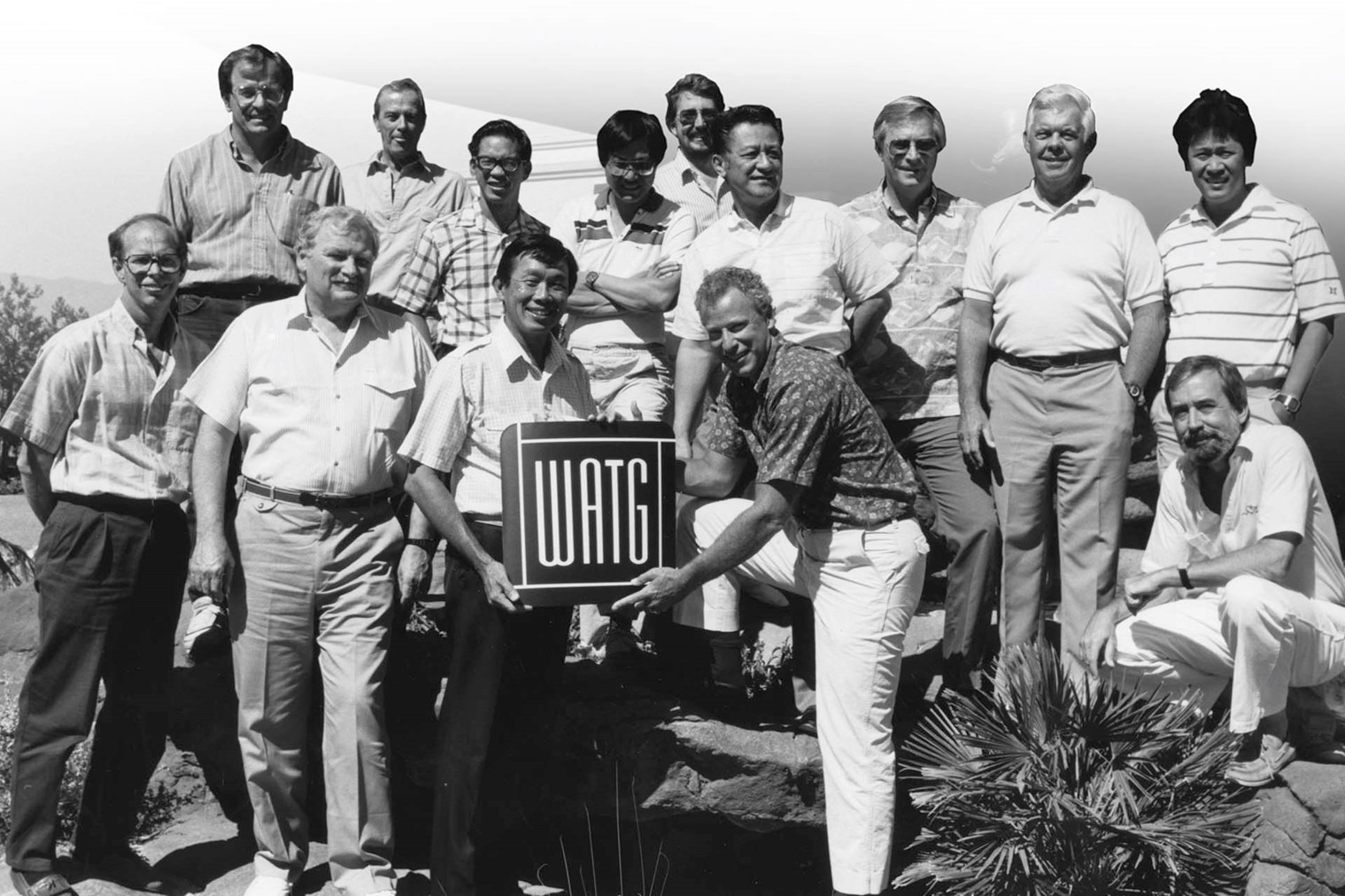
As WATG celebrates its 80th anniversary, we’re taking a moment to honor one of our original visionaries—the ever-curious, always-creative, and occasionally mischievous Jerry Allison.
Jerry didn’t just help found WATG. He helped shape its soul.
Jerry believed design should delight. Whether he was crafting resorts that revived cultural traditions or dragging colleagues onto water rides in full business suits, Jerry brought energy, optimism, and playfulness to everything he did.
Jerry Allison
“We aren’t the types who just want to be edgy for the sake of it. We listen. We respect. And we design with joy.”
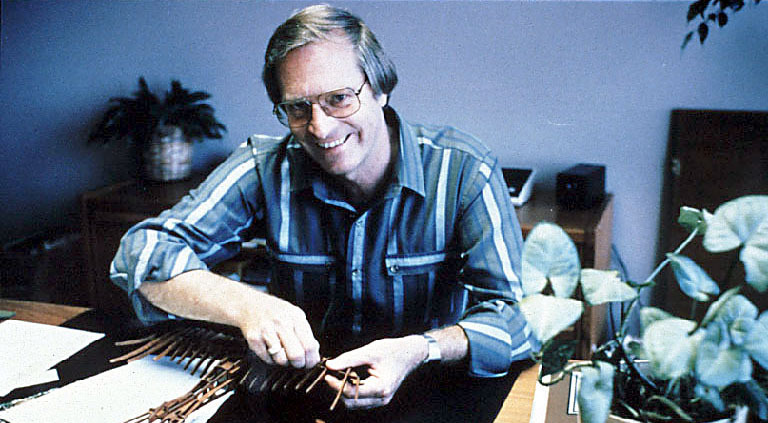
Jerry’s love for design sparked early. In junior high, he entered a city-wide competition to design the façade of Seattle’s high school stadium for the World’s Fair. He designed two entries, one for himself, and one for his girlfriend. She won. He came second.
“That’s when I realized… designing something that might actually get built? That’s a pretty neat way to spend your life.”
From there, he never looked back. Influenced by professors like Wendell Lovett and early mentors like Ralph Decker, Jerry honed not just his creative instincts, but a deep sense of professionalism grounded in integrity and curiosity. When he joined Pete Wimberley in Hawaii, the seeds of WATG were sown and a legendary partnership began.
The Joy is in the Details
Jerry’s approach to architecture was refreshingly human. He believed that great design wasn’t about ego or trend-chasing. It was about listening to people, embracing local culture, and delivering experiences that spark joy—for clients, for guests, and for the communities surrounding a project.
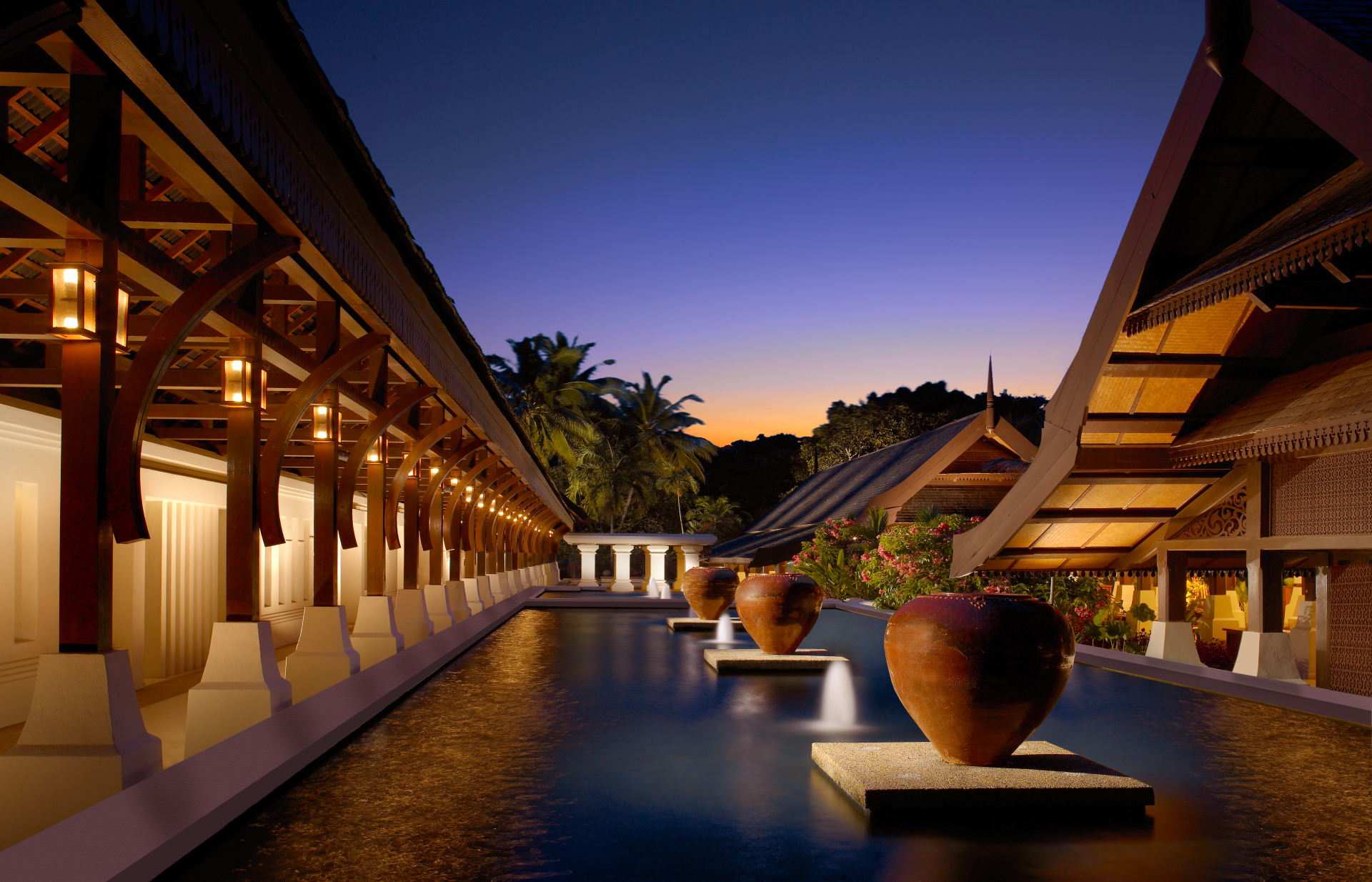
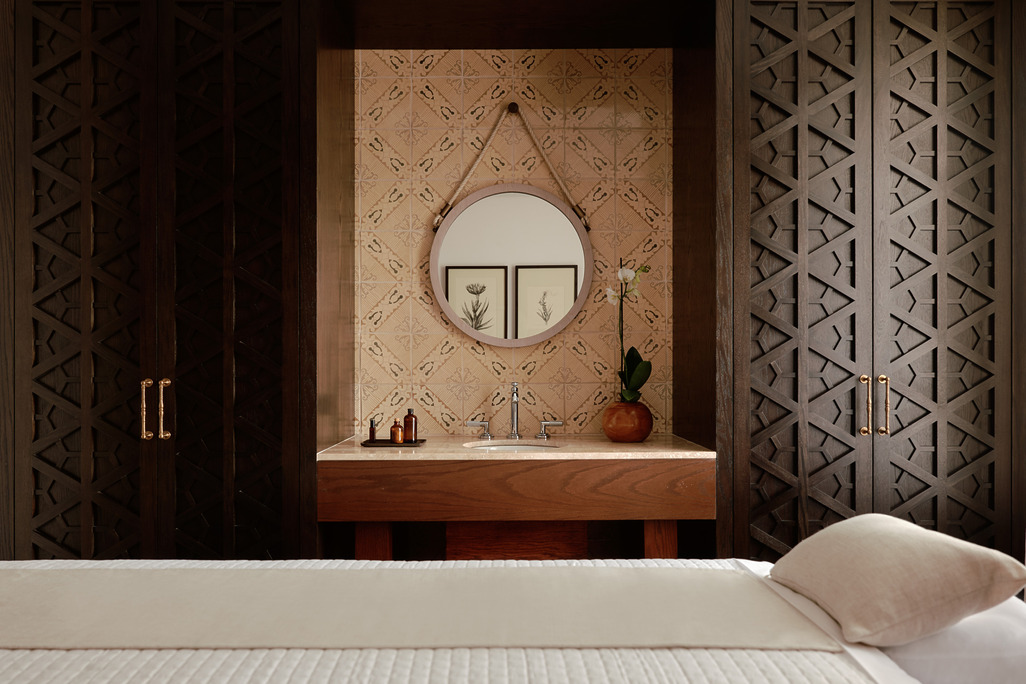
One project that embodies this ethos is Tanjong Jara, a nature-focused resort in Malaysia. Jerry really thought about the site which was set in a rainforest. He embedded himself and his team in the local context, collaborating with artisans, reintroducing traditional crafts like weaving, brickmaking, and silverwork, and even designing parts of the hotel to be built live in front of guests.
“We brought in the artisans, had them carving the bar in the bar. Guests watched it happen. Then they’d go out and buy something from the same carver. It wasn’t just design, it was revival.”
The result? A one-of-a-kind destination that helped preserve local heritage while creating immersive guest experiences. It also earned the prestigious Aga Khan Award.
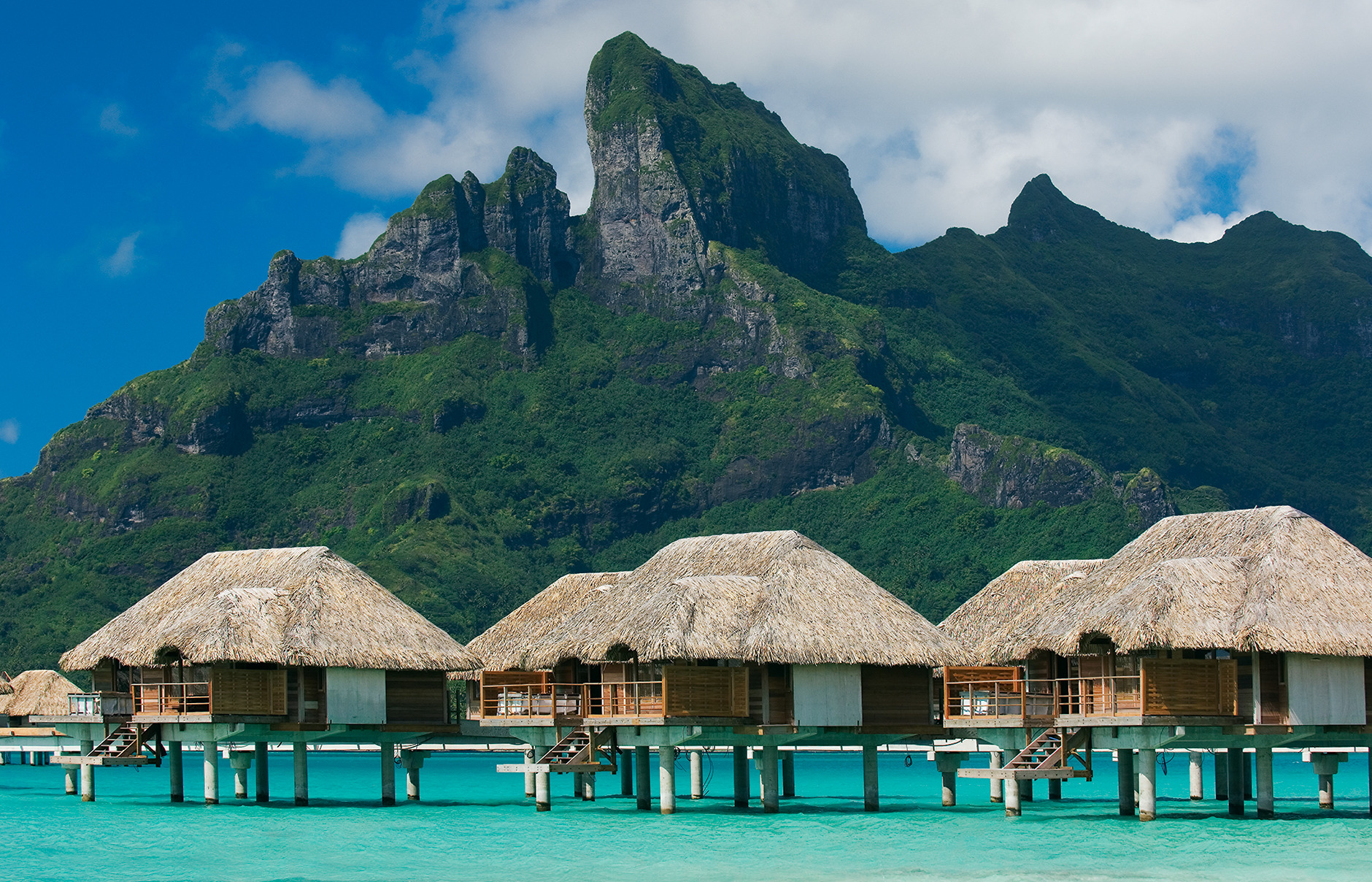
Hotel Bora Bora
Creativity: A Primer for the Process
The following piece, titled “Creativity: A Primer for the Process,” is a personal reflection written by Jerry Allison. In it, he explores the elusive nature of creative thought—where it begins, how it flows, and what it means to truly observe the world. Both thoughtful and candid, the piece invites readers into his inner dialogue on design, imagination, and the value of curiosity.
No Work, No Ego, No Boring Meetings
Working with Jerry meant you’d never have a dull day. He’d show up with gifts. He’d send hand-written Post-its with sketch ideas and hilarious instructions. One Halloween, a staff member dressed up as “Jerry,” complete with a sweater and a flurry of sticky notes. He loved it.
He also had a habit of convincing colleagues to join him on spontaneous adventures, like hopping on a water ride at a Malaysian theme park. In suits. Soaked. Twice!
“He talked me into going again. And I did. That’s just what Jerry did, he made everything fun.”

Palace of the Lost City
The Mind of a Mentor
Jerry believed that creativity needed room to breathe, and people needed space to grow. In a document he penned years ago titled Creativity, he outlined his philosophy: encourage experimentation, embrace failure, and never stop being curious.
“Nothing should pinch the mind of a young architect. Control it? Maybe. But don’t pinch it.”
He created work environments that were open, joyful, and deeply collaborative. And he mentored with a light touch—more “try this” than “do this.” He reminded us, constantly, that great design starts with great questions, and even better listening.
Watch Jerry in his own words.
[0:04] — On a Blessed Life
Jerry Allison — WATG
This life has been so blessed — in terms of the architectural side of things, the family side of things, and the social side of things. I have no complaints. Ups and downs now and then, but I cannot imagine a more blessed life than I have had. I find no other firm anywhere in the world that is as conscientious about what we’re doing, that respects the client as well as we do, and produces such fine work. We aren’t people who want to do cutting-edge work and not talk to the client. The client is a very, very important part of our work — which I think is what professionalism is. We listen. We don’t expound.
There is no finer client than a hotel operator. They’re fun, they’re friendly, they’re hospitable — because that’s their business, and they only succeed if they’re naturally that way. Great bunch of people to work with, great projects to work with, and the grand openings are terrific. And if you keep the relationships, you’ve got somewhere you can stay for free.
It’s just a lot of fun to do a hotel. It’s very satisfying because you’re in the process of enhancing and adding joy to the lives of millions of people over many years. You may leave, but that hotel stays there — and people go there. And if you’ve done your job well, they will have a great time and exceed their expectations in terms of the joy and activities they experience. It’s a very satisfying segment of the business to be in. Much better than mortuaries.
[1:59] — Early Life and Mentors
Jerry Allison
I had a very close family — a brother who was older and a sister who was younger. We played together a lot. We were not a wealthy family by any means, but my father managed to hand-build a summer place up in the mountains outside of Seattle, where I was born and raised. That took our weekends mostly, and we had a lot of fun in the woods — making forts, catching fish, and chopping wood. I’d say the early years were shaped by my parents. As I got into high school, the teachers there were very influential, but my parents remained the strongest influence. In college I had some good professors — one, Wendell Lut, who went on to be a very good architect but mostly a teacher. I liked him a lot because he was more of an experimenter, didn’t rely heavily on the traditional, and leaned instead toward creative thinking. He encouraged me a great deal and always gave me good grades and good advice.
Right out of school, during the summer, I worked for a firm in Seattle headed by Ralph Decker. Ralph Decker was, I would say, the consummate architect. He was honest, he had great integrity, and he had excellent relationships with clients. Through him — just by observation — I learned how to run an architectural office well and how to be a true professional. Then I moved to Hawaii, where I met Pete Wimberley. I learned a lot from Pete. He was not an intensive teacher, but by observation I could learn a great deal about how to run a practice and, more importantly, how to be creative — how to break the mold of conventional architecture and do something more exciting, and give gifts to both the client and the people who visited.
The people who influenced me beyond that included Ray Bradbury, who was a very close friend and gave me the Bradbury Creativity Award. More recently, I reestablished a relationship with Quincy Jones — a marvelous gentleman with a great number of activities dedicated to helping other people, who was very appreciative of the work we did together. And all this time, my wife was very, very supportive of me — which is not easy, because I’m always running off doing something different. The moves to Hawaii and beyond were not on her agenda, but she went along with them and loved it. We’ve had a wonderful 52-year marriage.
[4:58] — Colleagues on Jerry
Colleague — WATG
For me, the experience with Jerry has been an amazing learning experience. Jerry has taught me a lot — not only about design, but about how to approach problems. More than anything, it’s his creative spark and his energy. He’s a perfect example of someone who just absolutely loves his job.
[5:30] — Discovering Architecture
Jerry Allison
All my life I enjoyed building things — airplanes, boats, drawing and sketching. But it was in junior high school, in eighth grade, that there was a competition in the city to design the facade of the high school stadium, which was to be used for the World’s Fair in Seattle. It was open to all high school and junior high school students. I entered, my girlfriend entered, I designed hers, I designed mine. She won. I came in second. At that point I decided that was a pretty neat thing to do. I loved to draw, and I realized that if I could design something that would actually be built, I knew how to be a happy man. I chose architecture as my profession at that point and have never looked back.
Colleague — WATG
What has always been said about Jerry is that he constantly reminded us what our real purpose was — design excellence. To care passionately about design and never lose sight of the fact that this firm was founded on its ability to design and be a great design firm. That’s been his mantra from the day I walked in.
[7:01] — Tanjung Jara and Rantau Abang, Malaysia
Colleague — WATG
One project that you worked on — the Tanjung Jara project in Malaysia — is a project I know you received the award for. To me, it’s a project that lifts my spirit, and one that was way ahead of its time in terms of working with local people, the culture, and preserving the heritage and the environment. Hats off to you for that wonderful project — it’s one of WATG’s finest.
Jerry Allison
The most memorable projects, depending on what period of life you’re in — well, probably tomorrow’s project will be the most memorable one. But from the past, the ones I remember best would be Tanjung Jara and Rantau Abang in Malaysia. Not because they were great hotels, but because they did great things for the country. At that time, Malaysia was losing its traditional crafts. The government was trying to find outlets for the various traditional art forms. I happened to get there in time to study their culture in depth over many years, and I found they had a wealth of talent and artistic nature — but nowhere for it to be used.
So I incorporated that with my team into the hotel and museum design. We brought back many arts that were at the point of dying — weaving, brick-making, silver craft, kite-making — and on and on, all of which became part of the hotel. But we didn’t stop there. We built a little marketplace where craftspeople could continue to work and tourists could come and watch them. In the hotel and on the grounds there were outlets for their work, and within the hotel itself a tremendous amount was used for the interior design. We even held off some of the carvings being made until guests arrived — so the carvers would be in the bar, carving the bar front, and guests could watch it happening. And then they had to go out and buy something like it. It was all rooted in their traditions — very little of it was contemporary, except the plumbing. You didn’t have to go out to the outhouse. Both projects received the Aga Khan Award, which is a real rarity — given only once every three years, and you have no idea they’re even looking at your projects when they do.
[9:36] — Palace of the Lost City, South Africa
Jerry Allison
The other project I would highlight is the Palace of the Lost City. For much the same reasons — when we built that hotel, it was just a tremendous boost to the area. There’s one particular story I like to tell. I love that hotel, and I think the whole team did a marvelous job designing it. It was a very tight team — us and our consultants. But I was walking the grounds one day and there were four men carefully placing small colored pebbles to make a walkway in an African design. I watched them, and they looked up and saw me, then started whispering to each other. One of them got up and haltingly walked over to me and said, “We want to thank you for this” — and pointed to the hotel and all the work going on. No work, no food: thank you for this. I just broke out in tears. I will do it again too. That was the moment on that project. It touched me more than anything.
[10:35] — Colleagues on Jerry’s Character
Colleague — WATG
He always finds ways to make the project fun. He’ll take the team out to lunch, and he always has little gifts — little symbols of the project — because he wants to make the experience memorable. One Halloween, several years ago, I decided to dress up like my boss, and Fran decided to dress up like her boss too. Jerry always leaves post-it notes around my desk — telling me which things he wants done or what the priorities are. So I just wore a sweater like his and covered myself in post-it notes, emphasizing how he’s always doing that. We had a great time that Halloween.
The word that probably best describes Jerry? Creative guru. He’s such a creative person, and it’s really been fun working for him for 23 years.
We were working for a client in Malaysia — a gentleman named Dr. Lee — who wanted us to design a theme park on his very large property. He said, “Why don’t you go down to Sunway Lagoon and see what the competition looks like?” So Jerry and I went. It was a waterpark, and Jerry spotted a water ride that looked fairly safe. He said, “Let’s go on that — it looks like fun.” We were both in our suits. I reluctantly agreed. We got onto this raft, which started out very calmly — and as soon as we turned the corner, a waterfall immediately drenched the entire boat. We spent the rest of the ride completely soaked. Afterwards we took off our shoes and hung up our socks and coats trying to get dry. And then — the sad part — he talked me into going again.
He has shown us who WATG is, what we do, and why we do it the way we do it. He has constantly made that a part of his mentoring and his sharing with others. So instead of leaving a big hole and big shoes to fill, he’s made sure there are plenty of new feet ready to follow in his lead and continue creating wonderful places.
[13:28] — Jerry on Leadership and Legacy
Jerry Allison
The work environment should be as open as possible. Nothing should pinch the mind of a young architect. Control it maybe, but don’t pinch it. Give them opportunities to stretch their limits. And even if they’re not doing great, encourage them to do greater. Share what you know, and listen to what they know — because you can still learn. Mostly it’s about making an environment that is totally humane, totally joyful, and totally creative. And I think you’ll have a great time in your life, and a great time with the people you work with.
The Legacy Lives On
Jerry Allison taught us that architecture is about more than form and function, it’s about feeling. And that if we do our jobs right, we don’t just build beautiful hotels, we create spaces that leave a mark on people’s lives.
He’s no longer here to sneak Post-its onto desks or launch us into unexpected water rides, but his legacy, his voice, and his vision are still woven into every project we touch.
So, here’s to Jerry. And here’s to 80 years of WATG, designing joyfully, thoughtfully, and always with a bit of mischief.
Discover WATG80
As we celebrate our 80th anniversary, it’s time to reflect on where we’ve been, what we’ve learned, and where our pencils and passports will take us next.
Latest Insights
Perspectives, trends, news.
- Project Stories
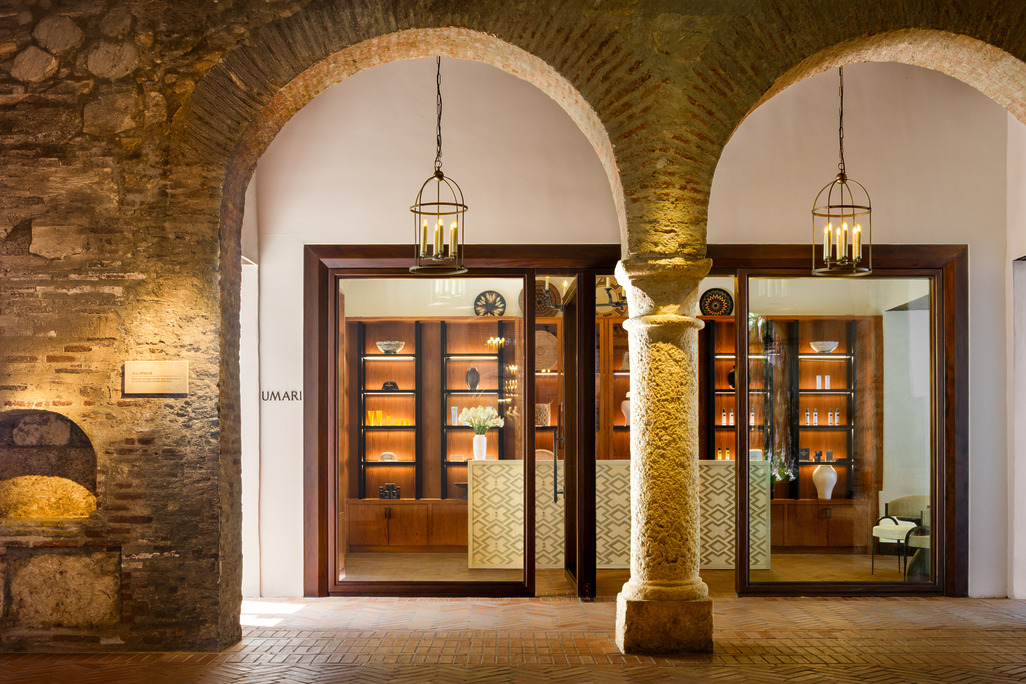
Connecting Historic Preservation and Wellness Design
- Strategy + Research
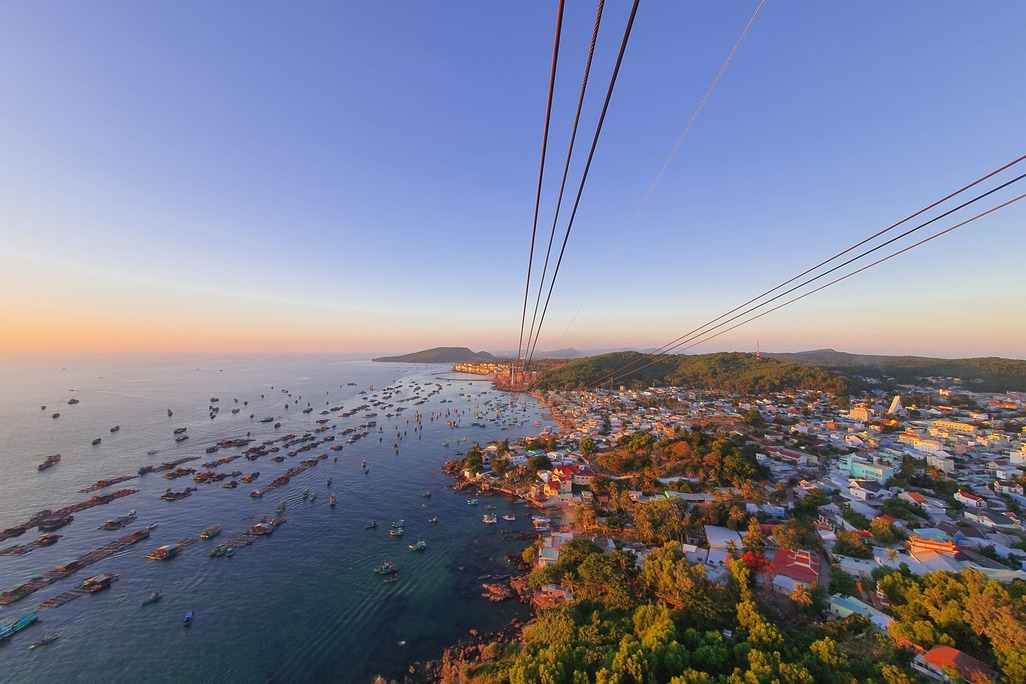
Phu Quoc at a Turning Point: Lessons for Long-Term Island Planning
- Design + Innovation
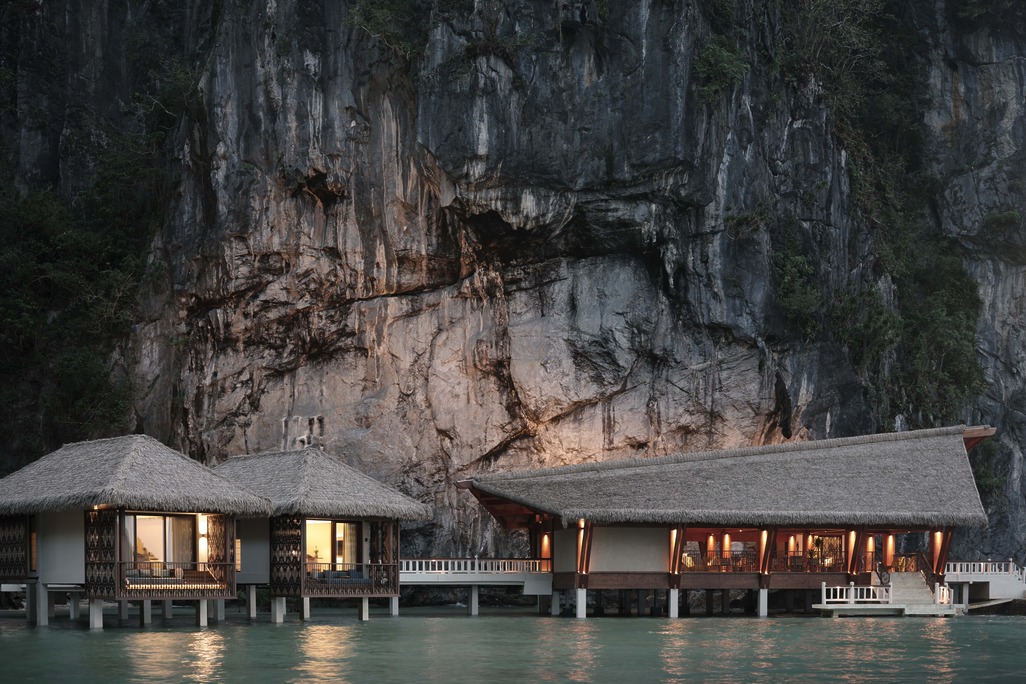
Lagen Island Resort, El Nido: A Shared Legacy of Responsible Luxury
- News