Phu Quoc at a Turning Point: Lessons for Long-Term Island Planning
With contributions by:
-
Bhavya Kukrety /
Managing Director, Asia Pacific
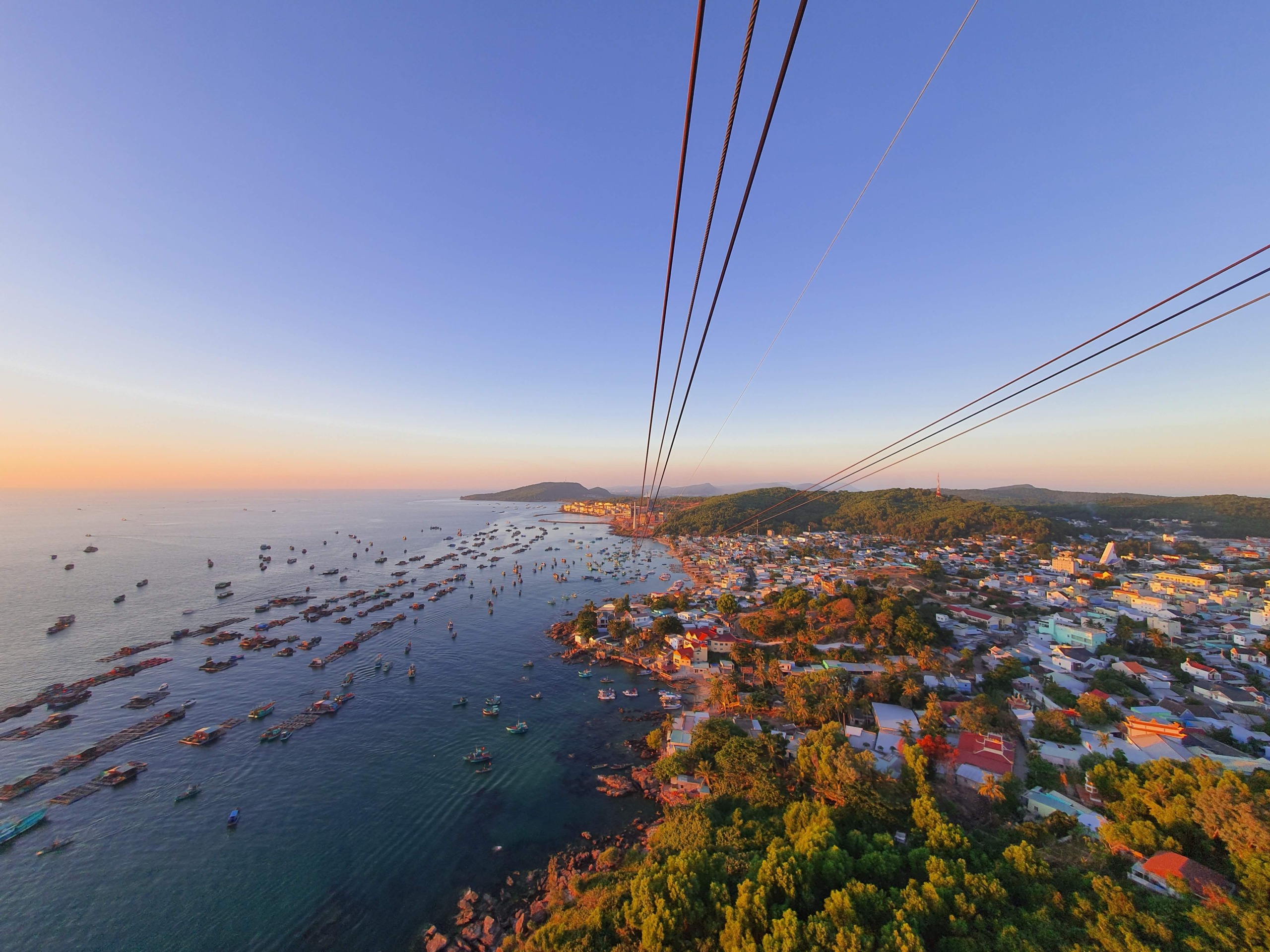
Phu Quoc at sunrise, showcasing sea and vibrant town. (Image Source: Pexel)
At a glance
Phu Quoc at a Turning Point: Lessons for Long-Term Island Planning is a WATG article arguing that Phu Quoc’s rapid tourism growth toward Vietnam’s 2026 target of 8.5 million visitors must be paired with infrastructure and environmental planning. WATG has advised on Phu Quoc since a 2009 2030 Vision, through Phu Quoc’s 2050 Vision framework, the Thom Island master plan, and Primavera Village. Bhavya Kukrety, Managing Director, APAC, credits this work to WATG’s Singapore Planning team.
A Destination Entering a New Phase
Recent data from STR/CoStar highlighted Phu Quoc’s rapid tourism growth, reporting more than 5.7 million visitors in the first half of 2026, strong international-arrival growth, occupancy above 90 percent in some hotel segments and significant RevPAR increases.
This market momentum sits within a broader public-sector ambition for the island. Government reporting identifies an official 2026 target of 8.5 million visitors, including two million international arrivals. At the same time, major airport, transport, conference, mixed-use and public-realm projects are being advanced ahead of APEC Economic Leaders’ Week in 2027.
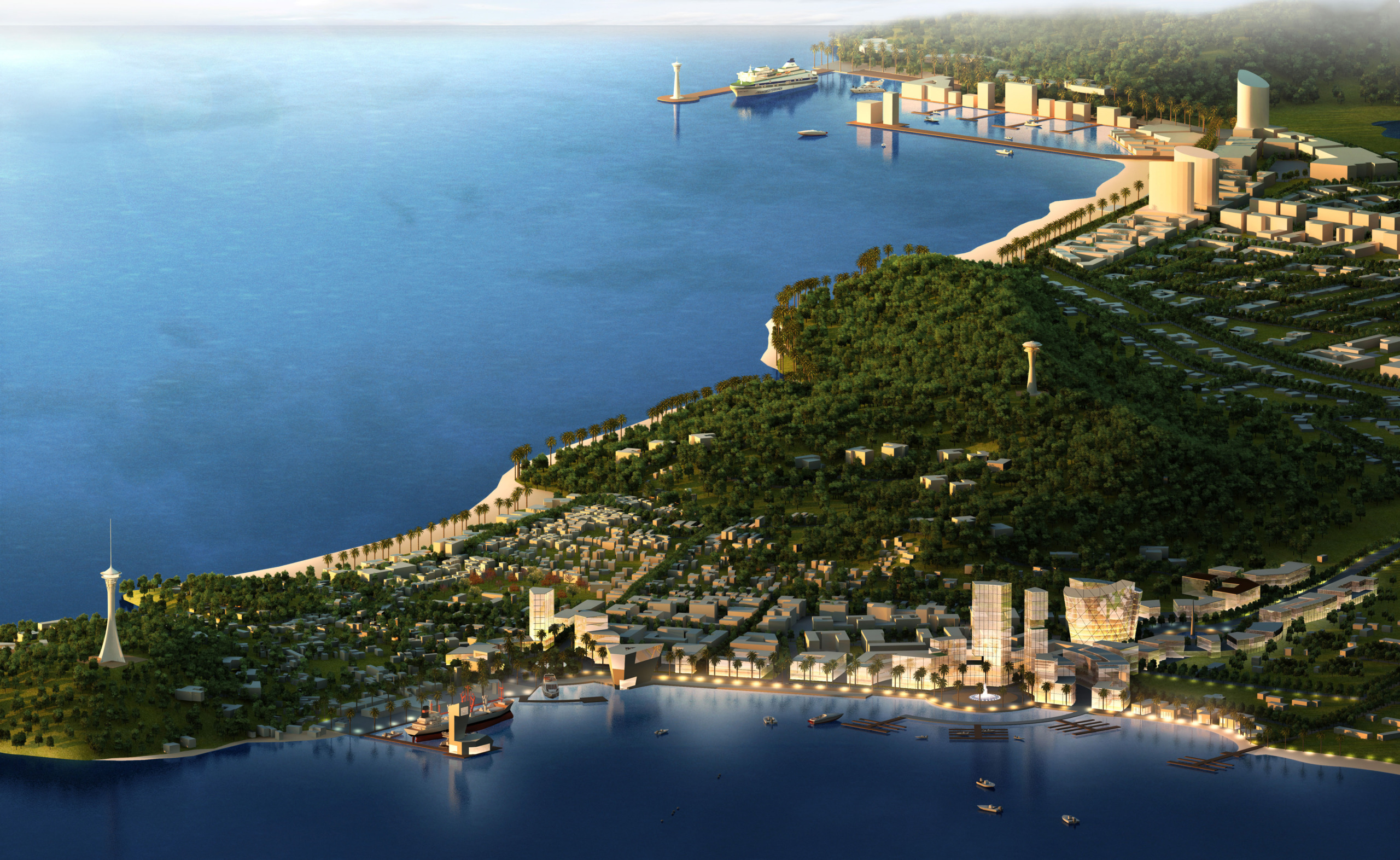
These developments demonstrate Phu Quoc’s growing importance, but they also raise a wider planning question: how can an island accommodate rapid growth while protecting the environmental, cultural and social qualities that make it attractive?
The experience of more established island destinations such as Bali and Phuket offers valuable lessons. Their success demonstrates the economic potential of tourism, while their challenges highlight the pressures that can accompany rapid development, including congestion, environmental degradation, infrastructure strain and the loss of local identity.
Phu Quoc has an opportunity to learn from both.
From Ecotourism Vision to Island Ecosystem
WATG’s involvement in Phu Quoc spans more than a decade and includes work at both the island-wide strategic scale and the individual project scale.
Our involvement began in 2009 with a 2030 Vision exercise. At that time, the ambition was to position Phu Quoc as a distinctive and environmentally responsible alternative to more established island destinations—an ecotourism destination rooted in its forests, coastline, marine environment and local identity.
The work explored a spatial structure based on three urban centers and a series of coastal tourism clusters. These clusters were intended to accommodate different resort and hospitality typologies while responding sensitively to the island’s natural systems, communities and infrastructure.
The objective was not simply to maximize tourism supply. It was to consider how tourism could be distributed, differentiated and connected to the wider identity of the island.
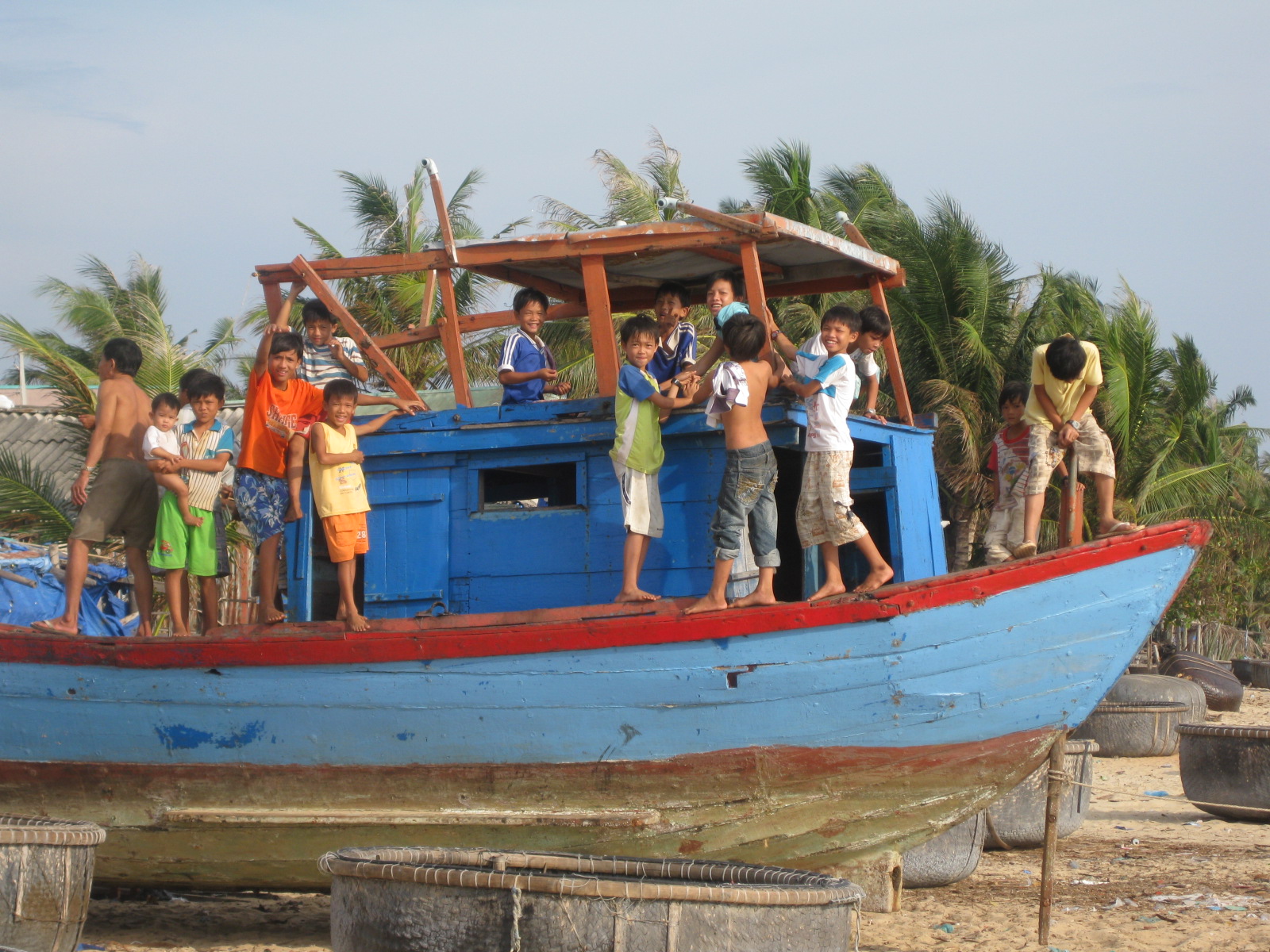
Photos from site visit in 2009
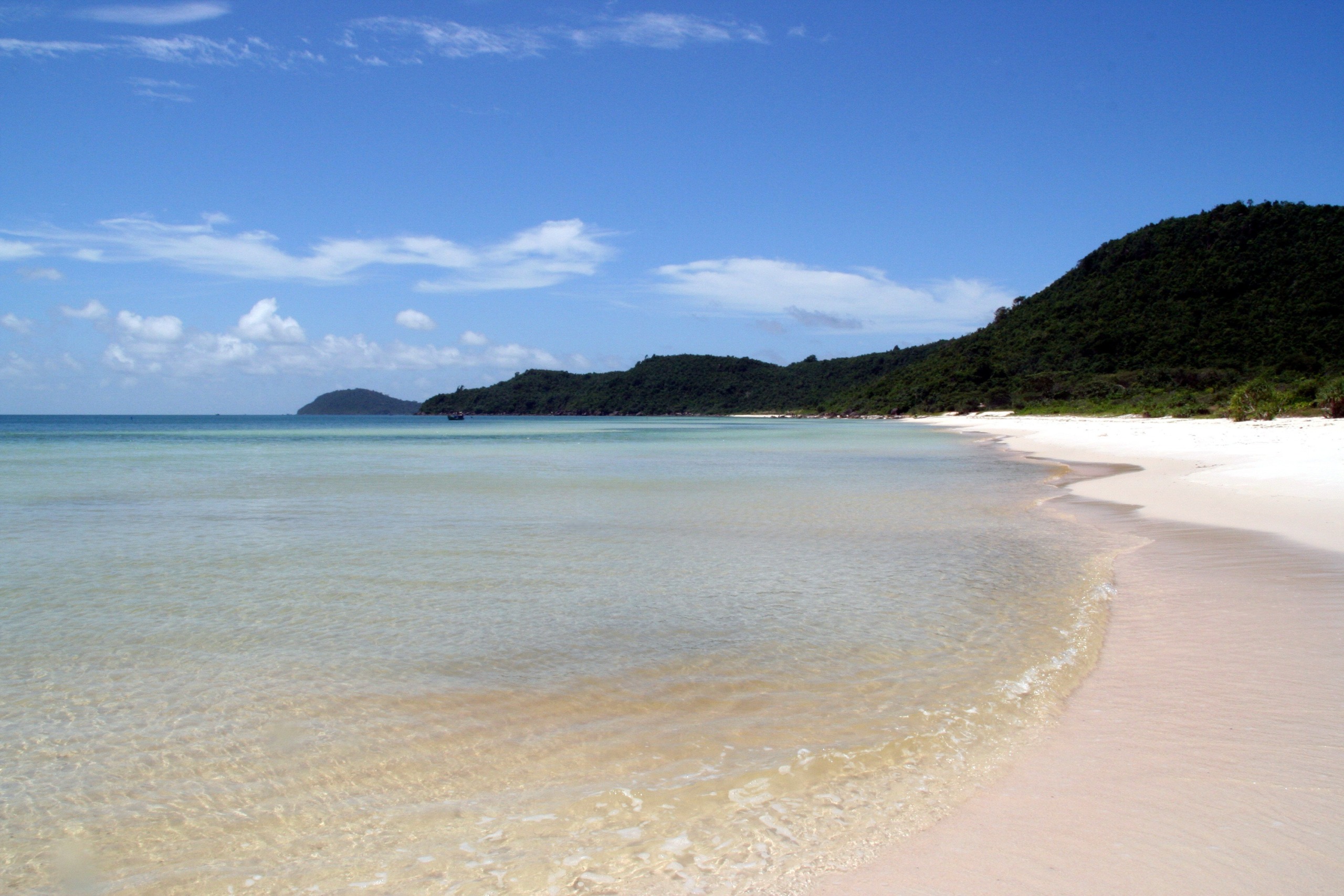
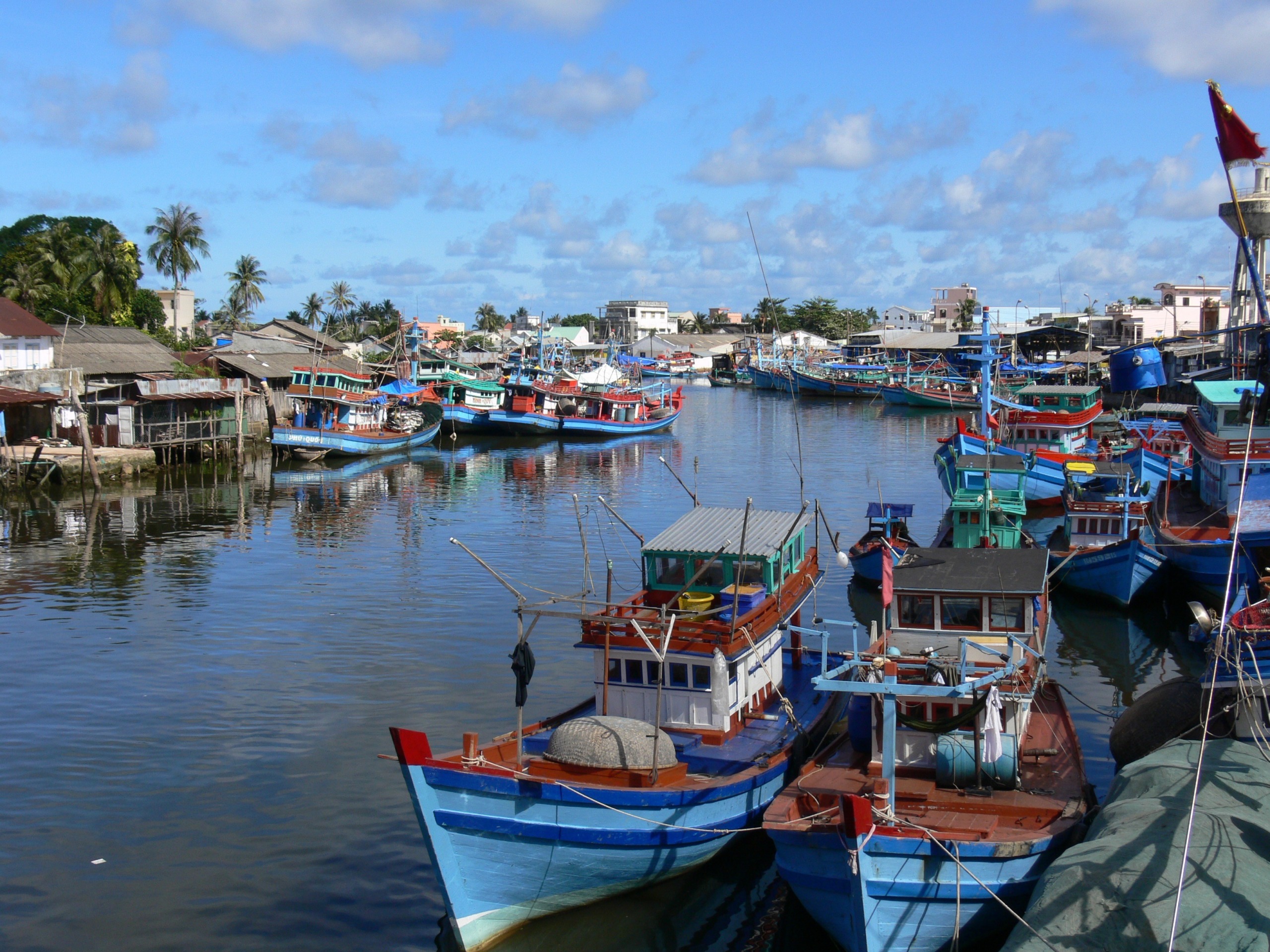
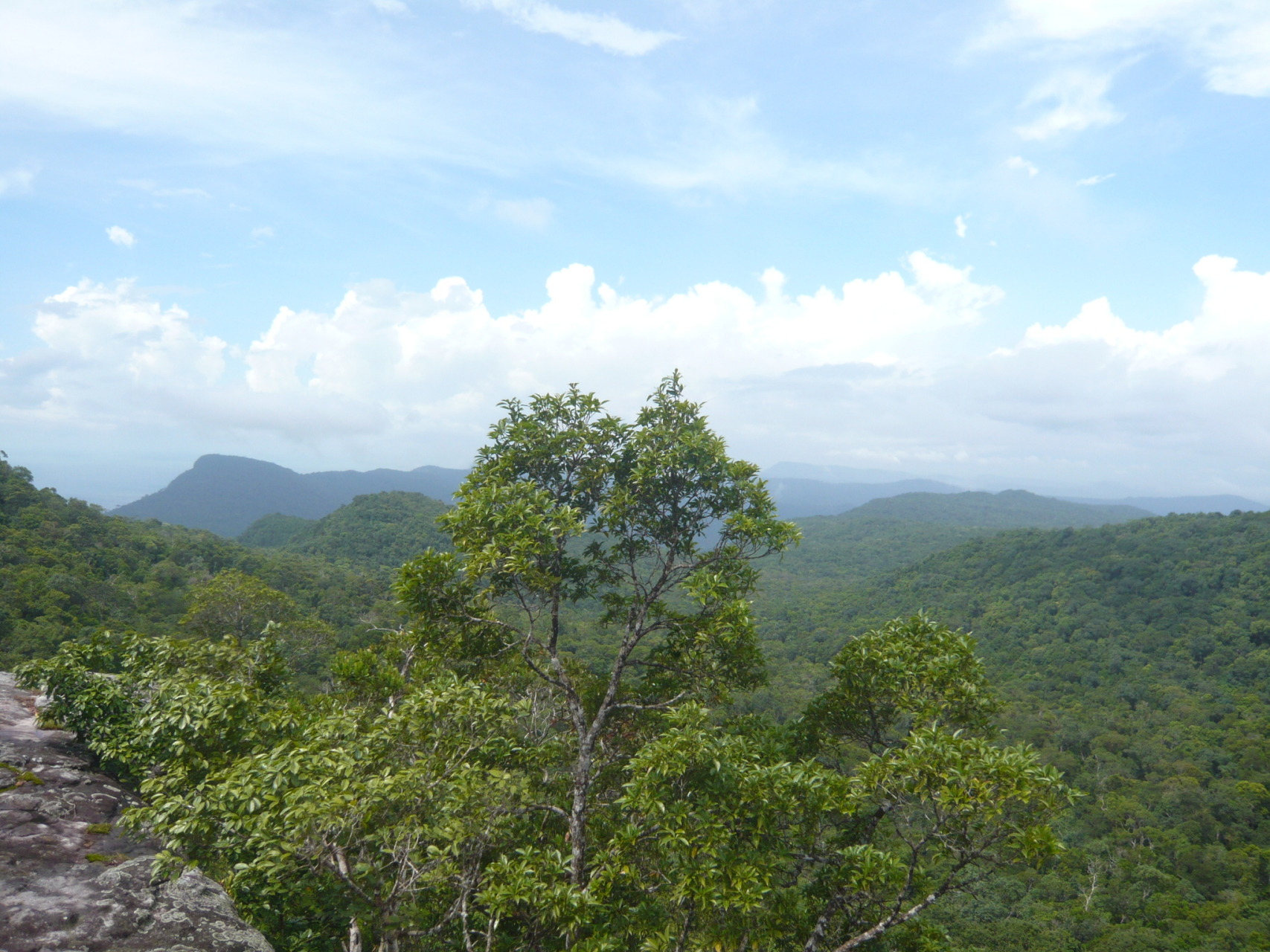
WATG was later involved in the preparation and updating of the island’s 2050 Vision and general master-planning framework, working with relevant authorities and local planning institutes. This work tested future tourism ambitions against airport capacity, land availability, accommodation supply, infrastructure, workforce requirements, housing and social services.
At the time, approved projects already represented substantial future room supply. The analysis therefore highlighted that Phu Quoc’s challenge was not only to add accommodation, but also to strengthen the destination brand, diversify its experiences, improve occupancy and ensure that the island had the infrastructure and permanent workforce required to support future growth.
Over time, the wider vision for Phu Quoc evolved. The ambition expanded beyond tourism towards a larger and more urbanized tourism and community ecosystem—one supporting residents, visitors, investment, employment, services and a broader range of industries.
This evolution reflects changing priorities, market conditions and national development ambitions. It also makes strategic planning increasingly important. As the scale and complexity of the island’s role grow, tourism development needs to be considered alongside mobility, housing, public services, environmental systems and the everyday needs of local communities.
Connecting Strategy with Destination Experience
At the project scale, WATG has worked with private developers on a range of tourism, hospitality, entertainment and mixed-use initiatives across Phu Quoc. Thom Island and Primavera Village are two examples of this broader body of work.
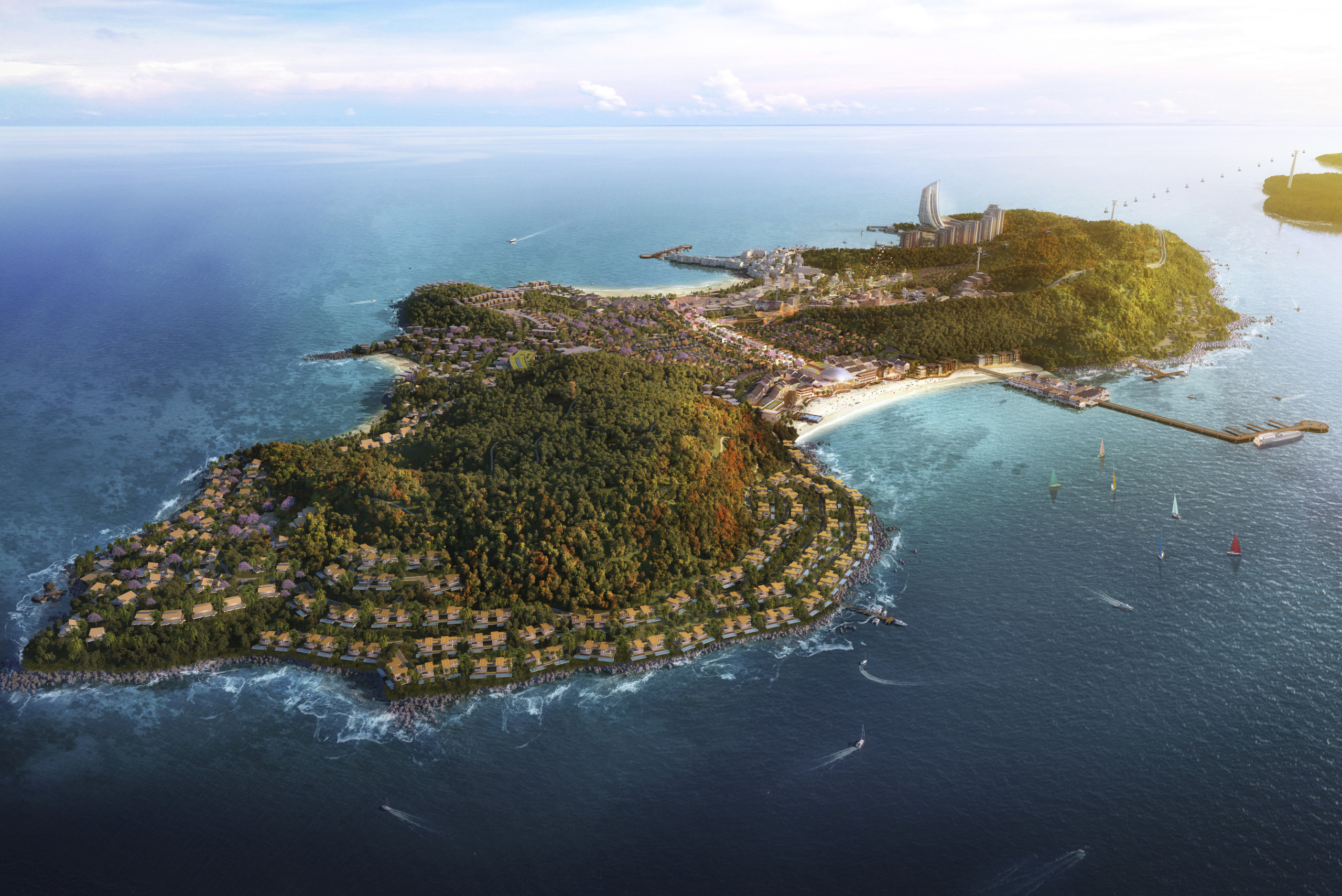
Thom Island
The master plan for Thom Island, first developed in 2018 and updated in 2020, explored a nature- and entertainment-led destination organized around four complementary components: the natural environment, theme and water parks, retail and food and beverage, and a range of hotel typologies.
The ambition was to create a destination rooted in Vietnamese culture and Phu Quoc’s forest and marine landscape, offering visitors a distinctive journey of discovery.
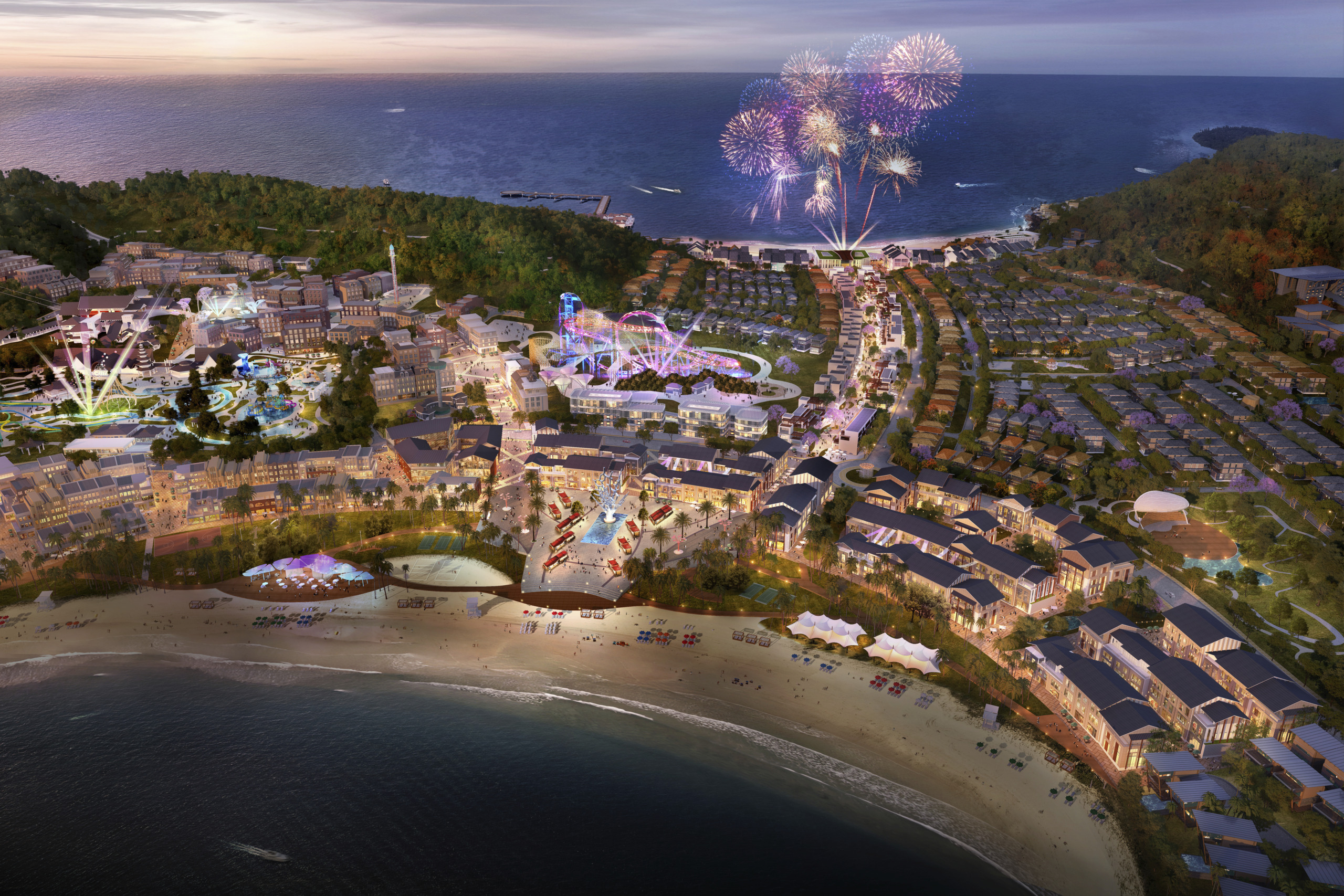
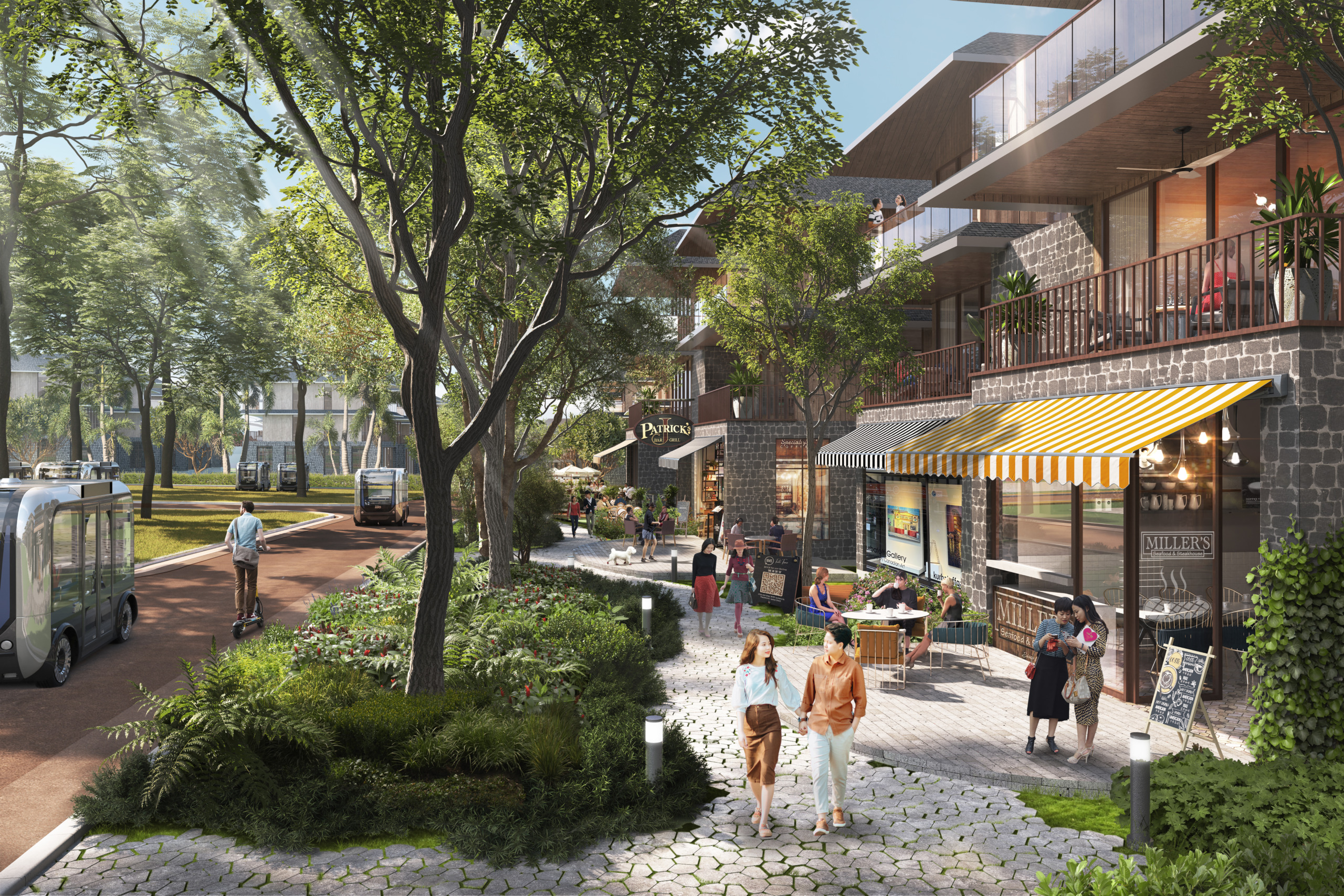
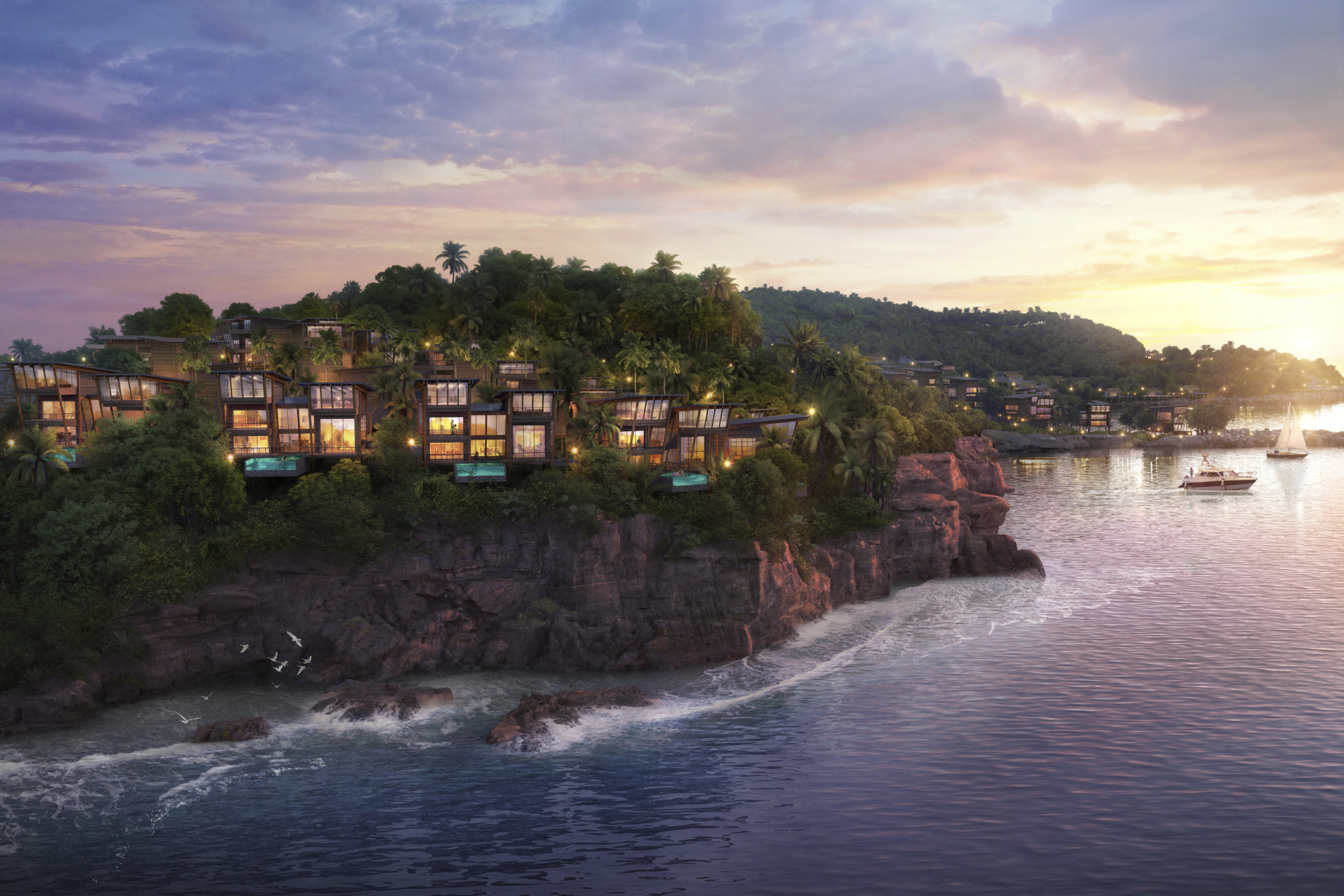
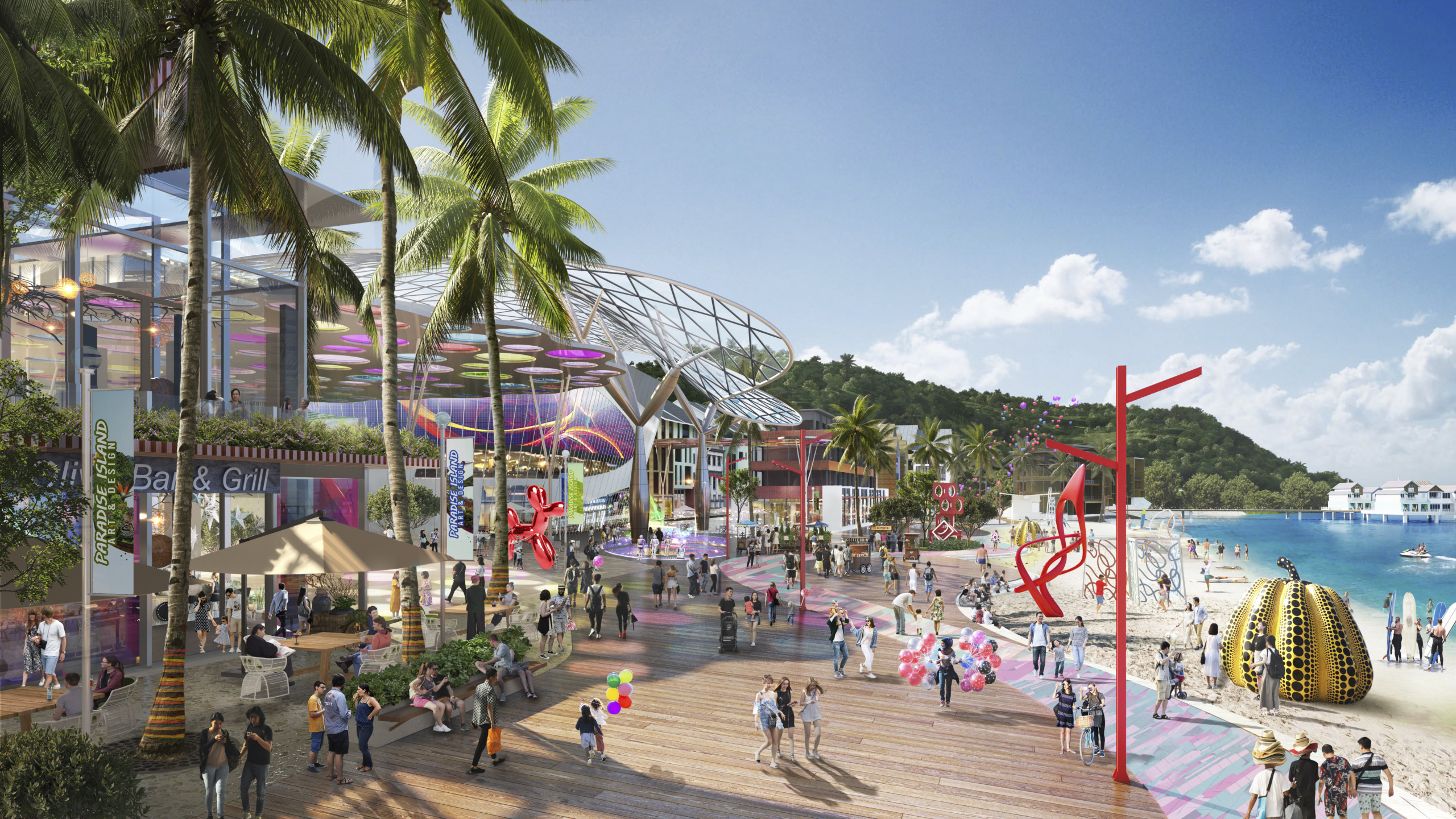
Primavera Village was conceived as the principal gateway to Thom Island. Rather than functioning solely as a transport interchange, it was planned as an arrival destination in its own right. Its pedestrian streets, public plazas, cliff-edge viewpoints, hillside villas, retail and food-and-beverage experiences were designed to establish a strong sense of arrival before visitors continued their journey to the island.
These projects illustrate the relationship between island-wide strategy and destination design. Strategic planning establishes the broader framework, while individual projects translate that framework into places, experiences and environments that visitors and communities can engage with directly.
They also demonstrate that successful destination creation requires more than a collection of attractions. Arrival, mobility, public life, hospitality, commercial activity, landscape and cultural identity all contribute to how a destination is experienced and remembered.
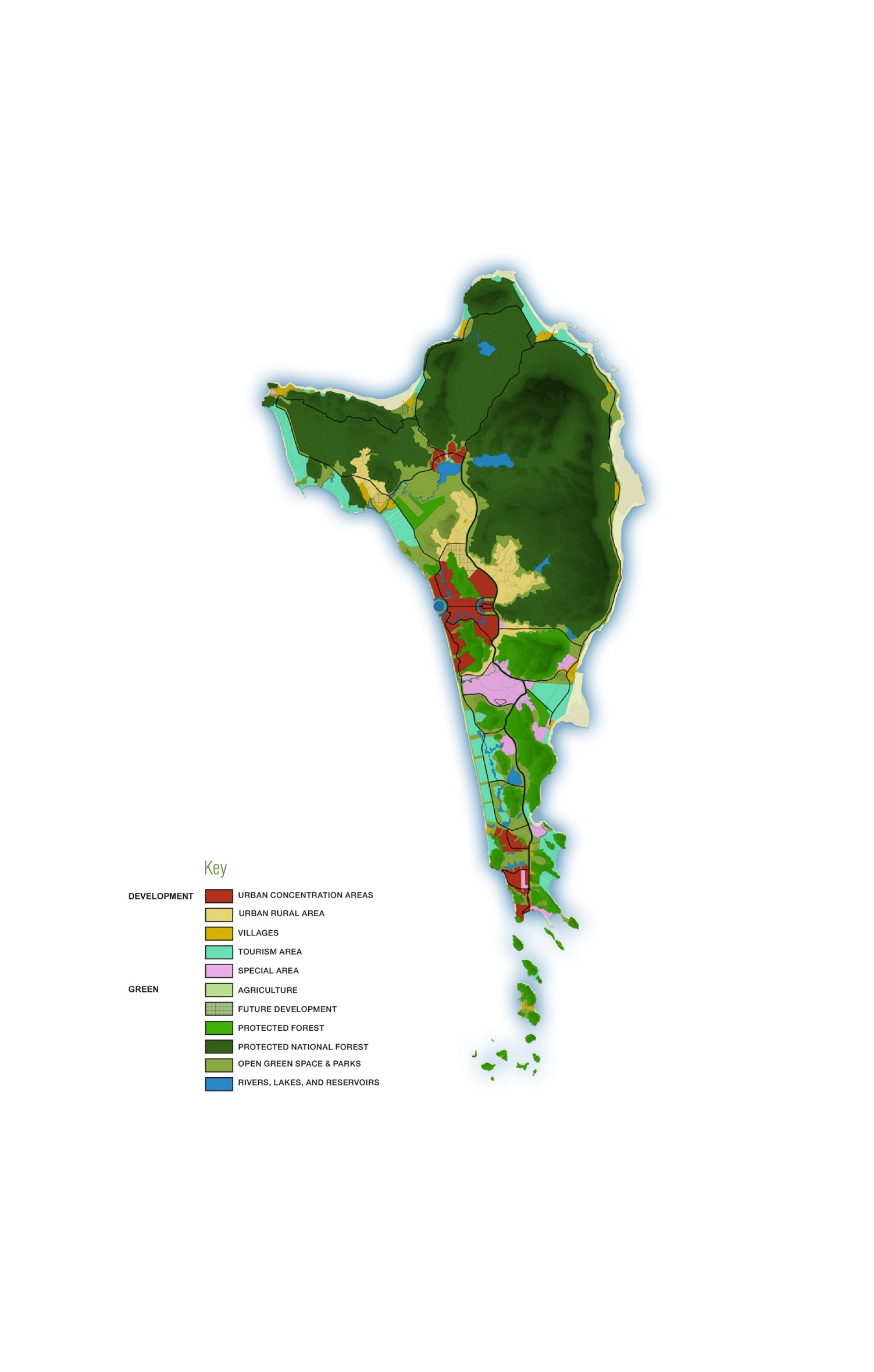
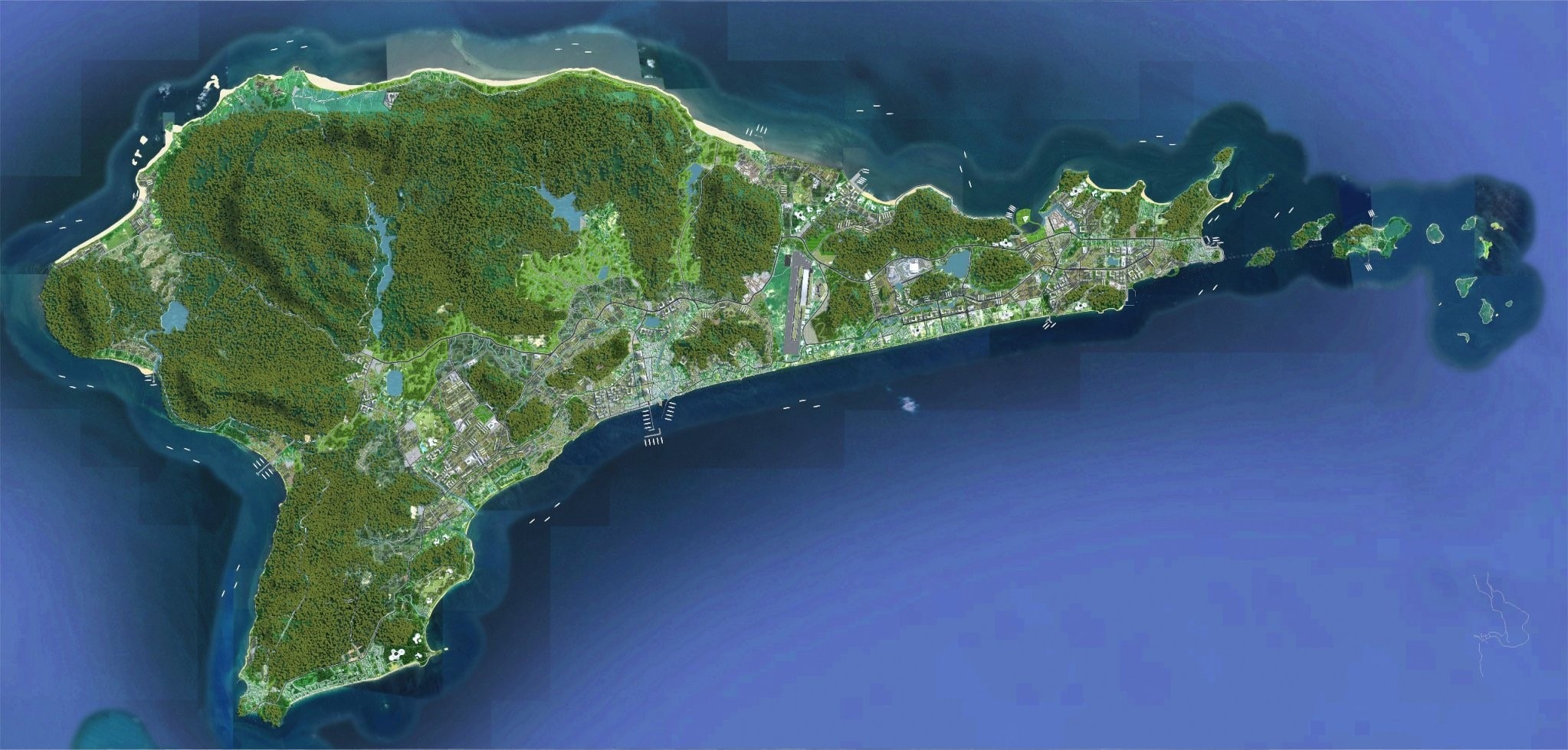
Phu Quoc Master Plan Vision 2030
Lessons for Phu Quoc’s Next Chapter
Phu Quoc’s current trajectory presents significant opportunity, but also greater responsibility.
The island’s long-term success should not be measured only by visitor numbers, occupancy or investment value. It will also depend on infrastructure capacity, environmental stewardship, housing, employment, public services, mobility and the protection of local identity.
Master planning cannot determine every future decision, and recommendations may evolve as circumstances change. Its role is to test scenarios, identify risks and opportunities, and help stakeholders understand the consequences of different choices.
WATG’s contribution to Phu Quoc has extended from strategic advisory and island-wide planning with public-sector stakeholders to the planning and design of tourism and hospitality projects with private developers. This combination of experience allows us to understand both the wider forces shaping an island destination and the detailed experiences that define it.

As with WATG’s work on Flores Island, Phu Quoc demonstrates the value of connecting long-term destination strategy with the design of memorable, commercially viable and contextually responsive places.
Phu Quoc’s next chapter is only beginning. The opportunity is to learn from the successes and challenges of other island destinations while developing an identity and growth model of its own.
The most meaningful measure of success will be whether Phu Quoc can continue to grow while remaining distinctive, resilient and beneficial to the communities and landscapes that make the island valuable in the first place.
“Destination creation takes vision, long-term commitment, and the coordinated effort of many stakeholders to translate ambition into reality. ”
“We are honored to have been appointed as master planner for Phu Quoc at an early stage of its destination journey, and it has been meaningful to see the island continue to evolve into the place it is today. Destination creation takes vision, long-term commitment, and the coordinated effort of many stakeholders to translate ambition into reality. Phu Quoc remains demonstrative of the work of our Singapore Planning team. We would be privileged to continue advising on the next generation of tourism destinations in Vietnam, exploring themes from eco & agri-tourism, coastal resiliency to wellness – with a focus on creating long-term value for both place and community alike.”
More of Phu Quoc
Phu Quoc Master Plan 2050
Designing the Future of Phu Quoc: A Balanced Vision for Tourism, Livability, and Sustainability.
More of Phu Quoc
Latest Insights
Perspectives, trends, news.
- Design + Innovation
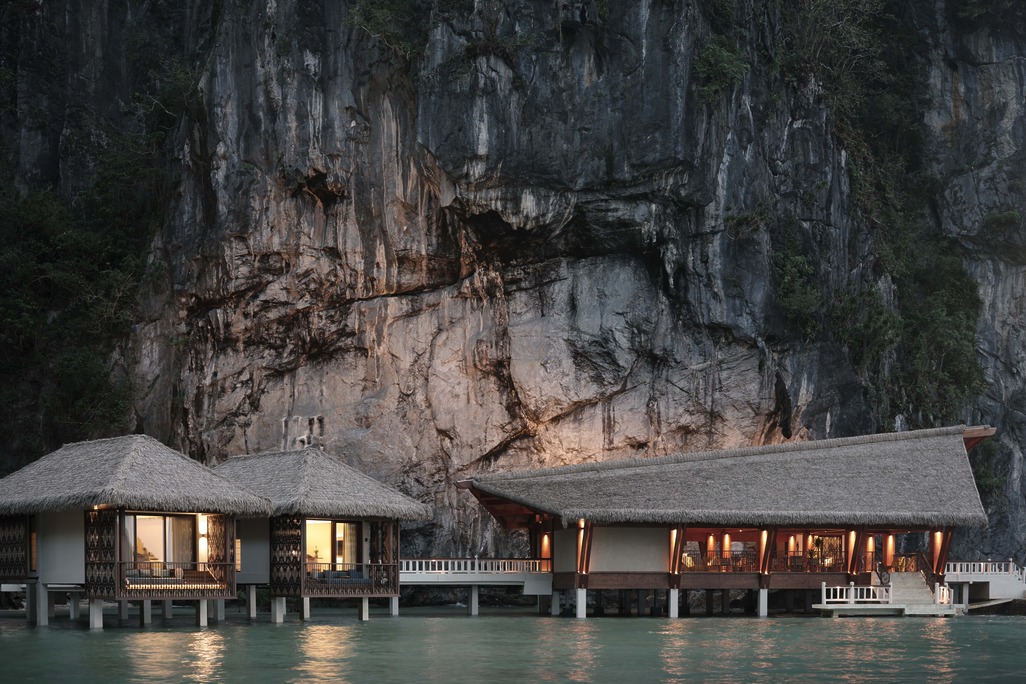
Lagen Island Resort, El Nido: A Shared Legacy of Responsible Luxury

- News
WATG and Wimberly Interiors in the Global Press: August 2026
- Design + Innovation
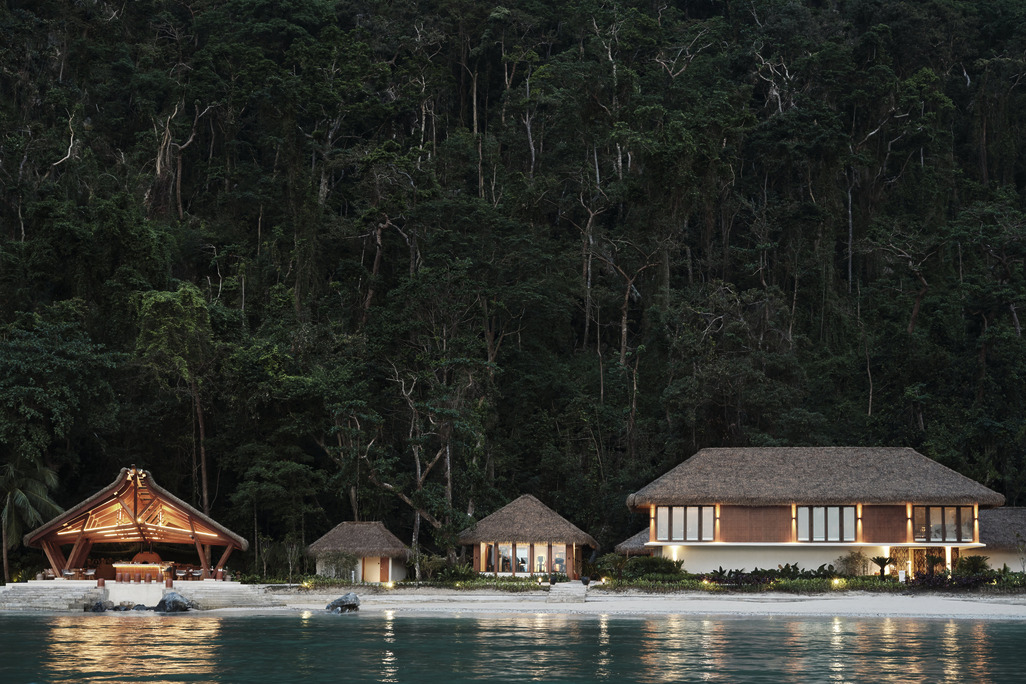
The Guardians of Lagen Island
- News