The Guardians of Lagen Island
With contributions by:
-
Eric Carbonnier /
Director of Sustainability -
Paloma Urquijo Zobel de Ayala /
Creative Director, Ayala Land Hospitality
At a glance
The Guardians of Lagen Island is a WATG Insights article on the preservation-first renovation of Lagen Island Resort in El Nido, Palawan, Philippines. Completed in 2026, the renovation retained 80% of the existing structure and reduced room count from 51 to 42 keys, extending the embodied carbon in the original foundations and framing. WATG and Wimberly Interiors designed the renovation, led by Chiara Calufetti-Lim, Principal, Architecture. The piece includes contributions from Eric Carbonnier, WATG’s Director of Sustainability, and Ayala Land Hospitality Creative Director Paloma Urquijo Zobel de Ayala.
minimized intervention
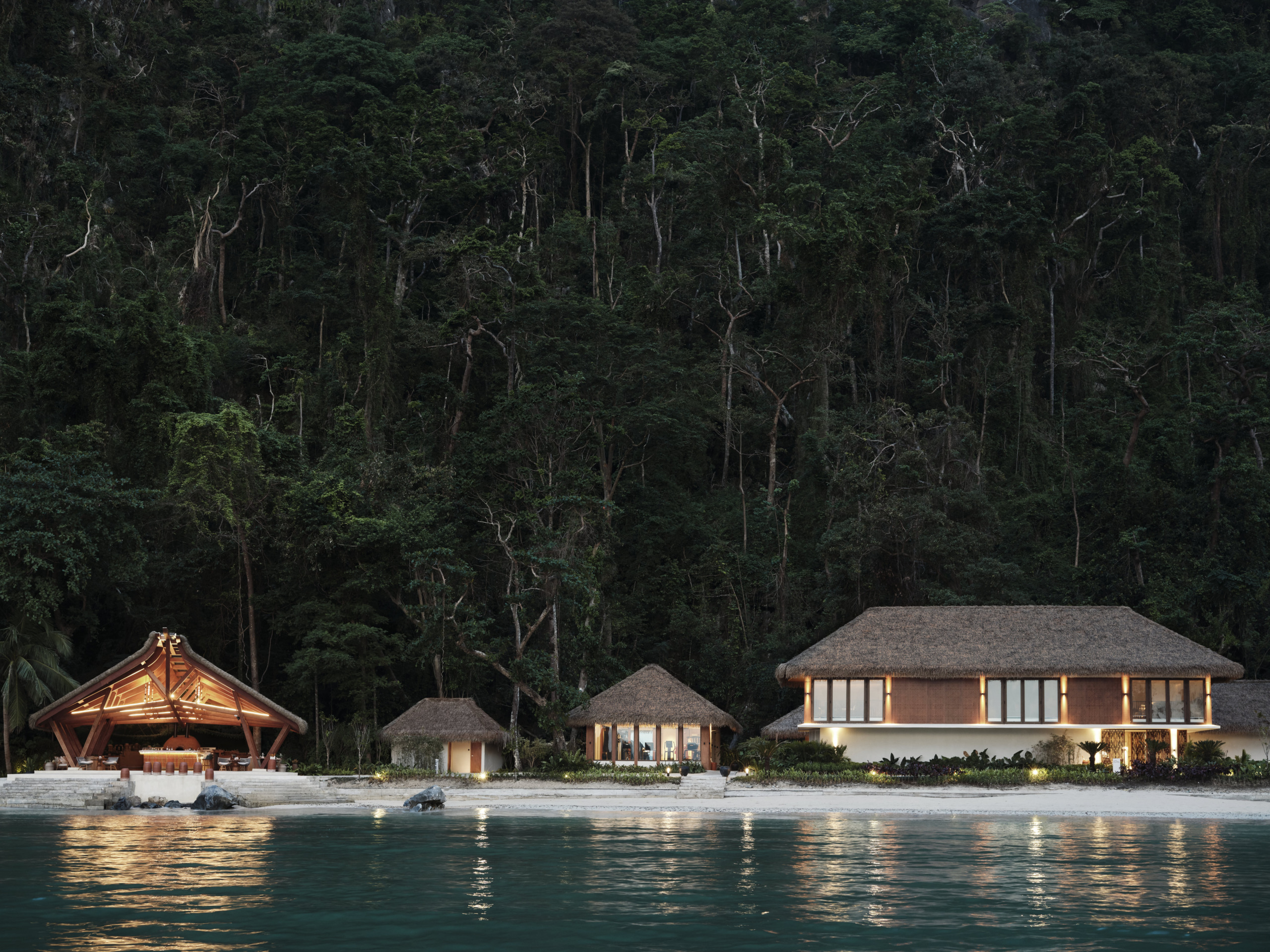
Lagen’s new social contract between humanity and the environment is a commitment to sustainable conservation efforts in the El Nido Managed Resource Protected Area, a nationally protected landscape and seascape in Palawan and a site on the Philippines’ UNESCO World Heritage Tentative List, within the broader Palawan UNESCO Biosphere Reserve.
Founded by marine biologists and conservationists who believed in exploring this biosphere responsibly, the resort’s preservation principles were framed by that ethos. Reuse, renewal, and repositioning signaled restraint, a rare quality in redevelopment, which typically demolishes the past to allow unobstructed growth. Rather than treating the existing resort as disposable, the owner extended its useful life, reduced demand for new raw materials, and minimized intervention in a sensitive island ecosystem, thereby reawakening Lagen’s deep commitment to the environment.
Reducing demand for new raw materials and minimizing intervention on a sensitive island ecosystem to reawaken Lagen’s commitment to the environment.
Paloma Urquijo Zobel de Ayala, Creative Director, Ayala Land Hospitality discusses the sustainable renovation of Lagen El Nido Resort.
Lagen has always been an extremely special property to us. A resort defined by restraint and a deep respect for its natural setting, where nature does most of the talking. Our vision was really never to reinvent it, but to listen carefully to what it already was, and bring it forward with clarity and confidence.
The most important intervention was actually restraint. We focused on upgrading systems, improving durability, and selecting smart, sustainable materials that would age well over time.
Sustainability and conservation are foundational to El Nido Resorts and to Ayala Land. Long before forming part of the Ayala Land Hospitality portfolio, these properties were founded by marine biologists and conservationists (people who believed in exploring this area responsibly), and that ethos continues to guide us. We see ourselves as stewards of this land, protecting it for generations to come.
Eco-luxury here is quiet. It is felt in comfort, in ease, in our people, in our teams, and in the relationship between what we have built and the environment and nature.
We treated preservation as a design strategy, not a limitation. Some of the significant upgrades are actually invisible to guests: major infrastructure and back-of-the-house improvements that reduce strain on the island’s natural resources. We preserved what carried emotional and ecological value, upgraded what improved comfort and safety, and renovated where it really, genuinely enhances the guest experience.
We hope it sets a benchmark for how legacy properties can evolve responsibly, proving that longevity comes from genuine care and thoughtful decision-making.
I think what I love most about the renovation is how it opened up the resort even more. By designing with restraint and only adding what was truly necessary, we strengthened the connection to nature again. You feel more attuned to your surroundings (the light, the sea, the limestone cliffs). That heightened awareness, that sense of being fully present, I think that is truly, deeply restorative, and probably my favorite moment and part of this renovation.
On another final note is really the flourishing of the ecosystem itself. We are so fortunate to be home to the Palawan hornbill, a truly magnificent bird. It has been deeply rewarding to see that even through the renovation and all the works, we are now reporting more sightings than ever. For us, that is one of the clearest indicators that we are doing something right.
restraint and respect
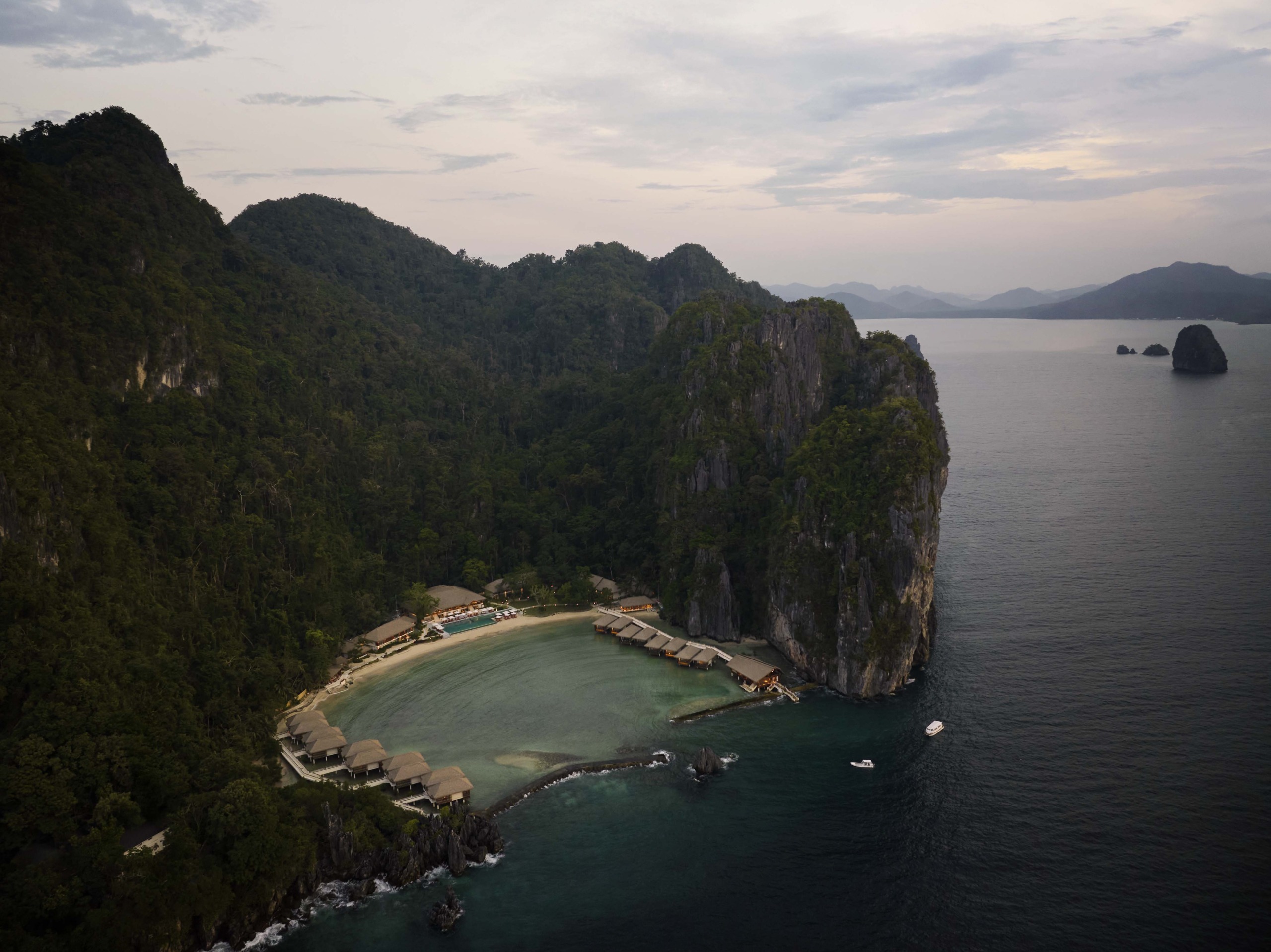
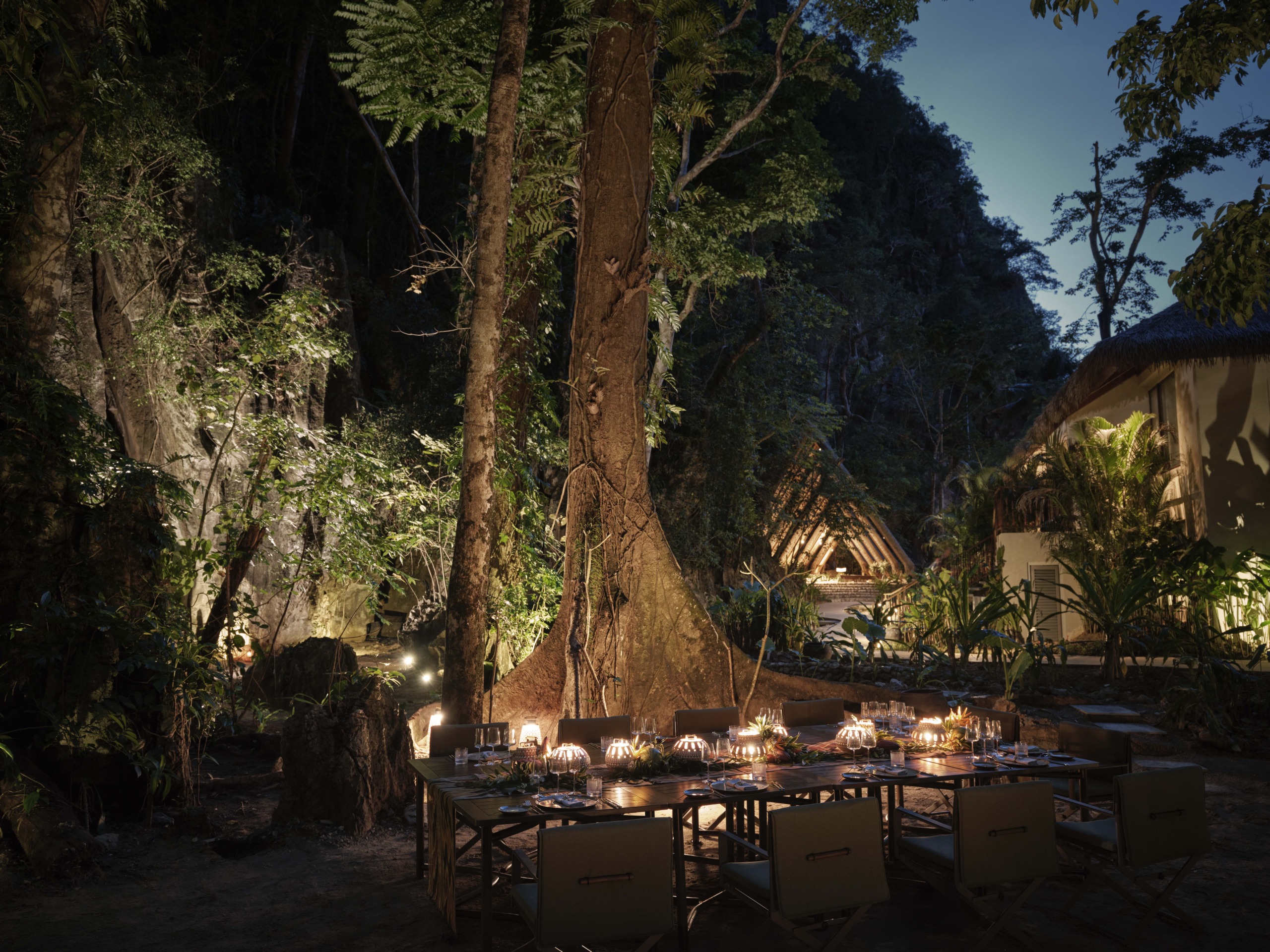
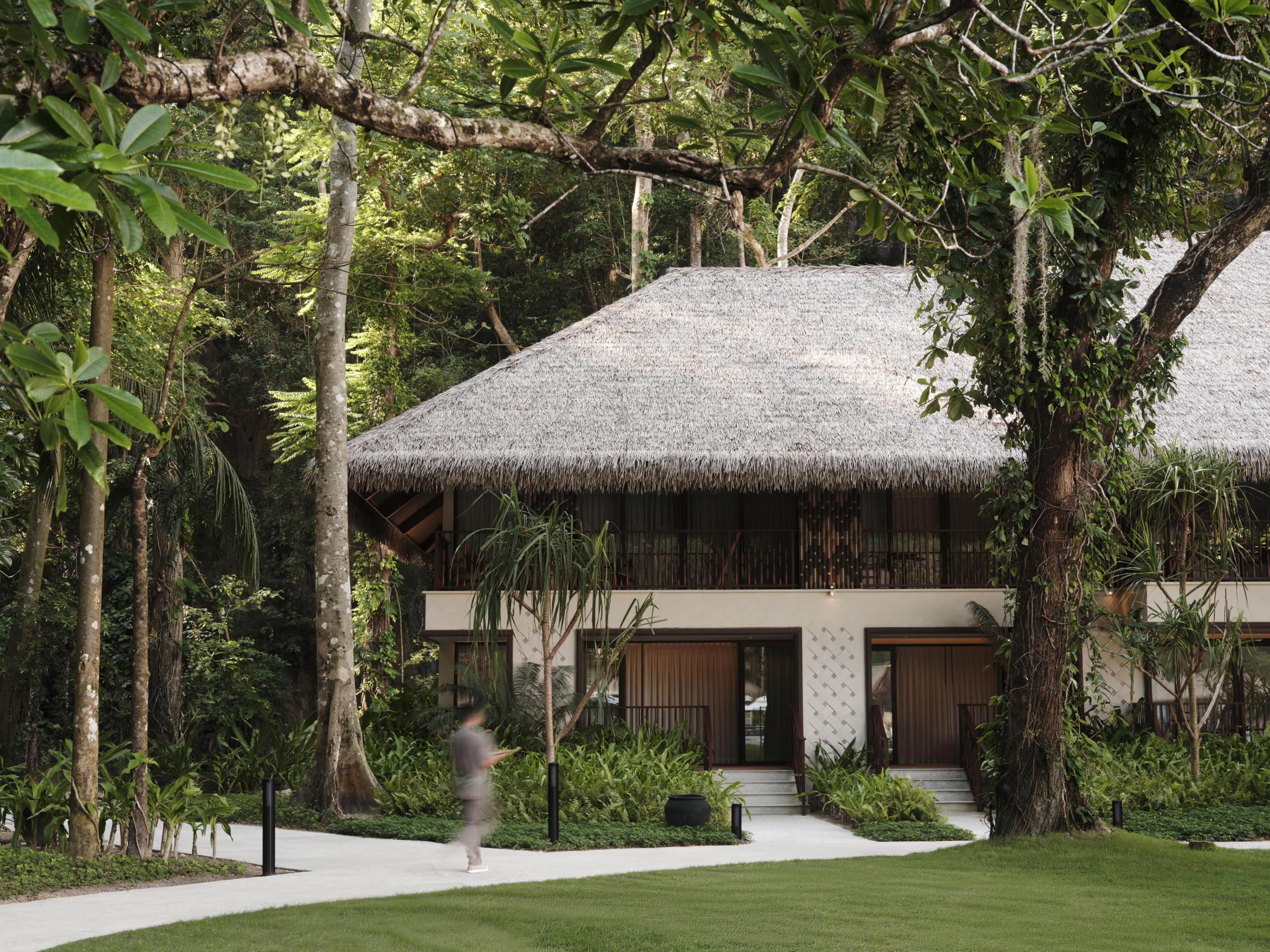
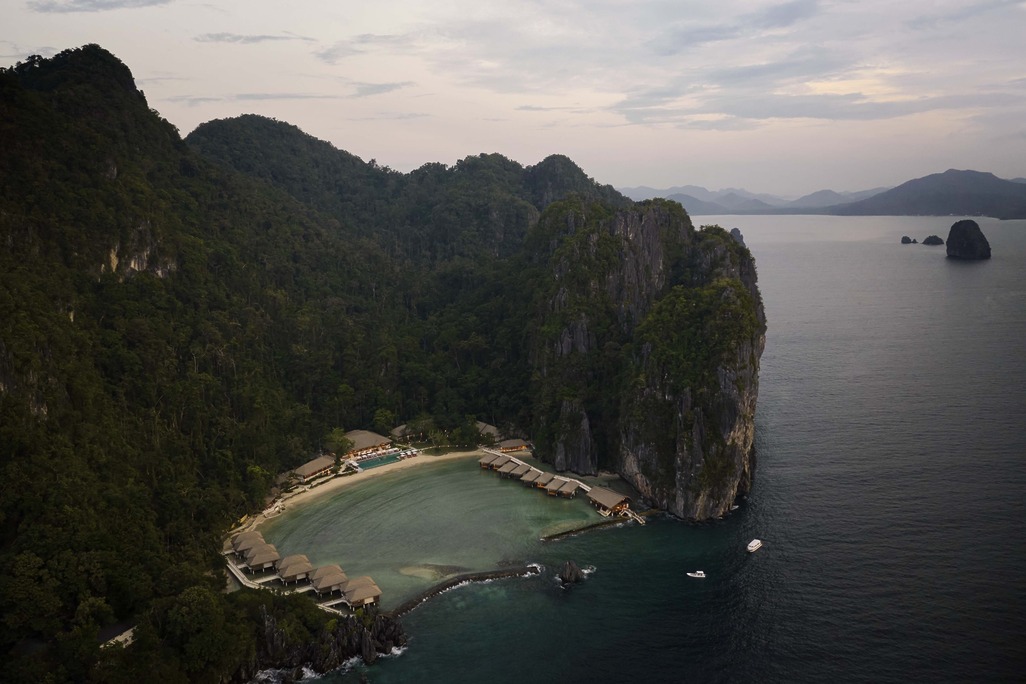
Although the island spans approximately 310 hectares, only five hectares fall within the resort’s tenurial instrument, and just 1.25 hectares were developed. Resort facilities were carefully clustered within a naturally sheltered cove, minimizing land alteration, vegetation clearing, and habitat fragmentation while preserving the majority of the island’s natural forest cover. Structures were designed around existing mature trees wherever possible, allowing native vegetation and the island’s ecological character to remain largely intact. Development activities were also planned to avoid impacts on nearby coral reefs, mangroves, and forest habitats.
This approach to restraint and cultural respect reflects WATG’s broader practice in designing within frameworks of conservation and heritage protection. Across projects from Halong Bay and Cartagena to the Giza Pyramids Tourism Master Plan, our work has championed the principle that the most enduring design protects a place’s meaning, restoring what has been diminished and regenerating the relationship between culture, people, and nature.
“Our role is to listen to the land, its people, the stories held within it. Lagen proves that restraint and ecological integrity are the foundation of luxury.”
Preservation First
With the recent renewal of Lagen, its first renovation since launch, WATG & Wimberly Interiors sought to reawaken Lagen’s cultural, natural, and spiritual connection to the island setting. Preservation was treated as a design strategy, not a limitation.
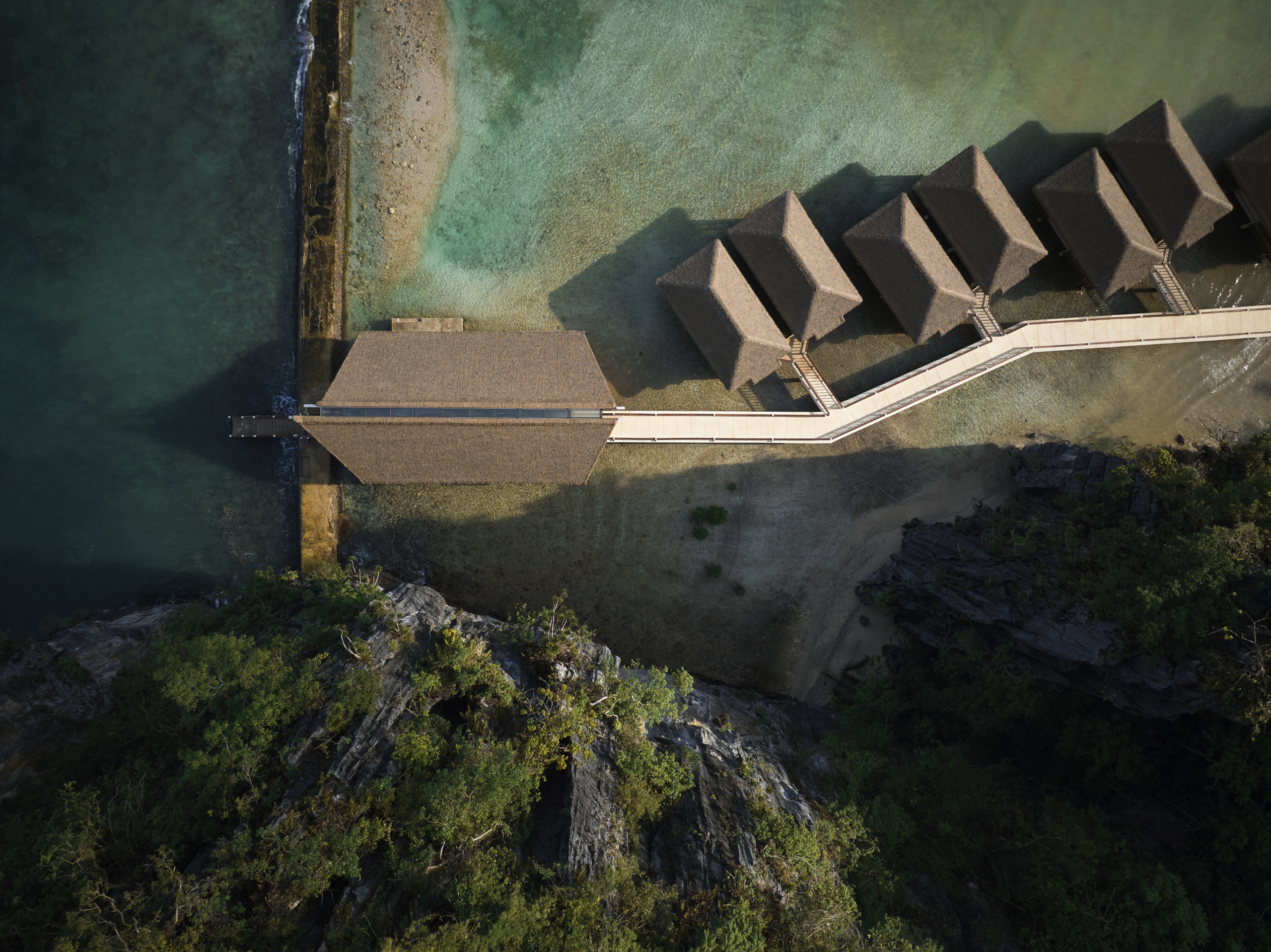
80% of the overall area was retained and adapted, extending the useful life of the embodied carbon in the foundations, framing, and infrastructure for a second generation of use while significantly reducing demand for new raw materials and minimizing intervention within a sensitive island environment. Rather than expanding its footprint unnecessarily, the project focused on improving what was already there, valuing continuity, resourcefulness, and care over replacement. On an island, construction waste and new materials require boats, barges, fuel, staging areas, and repeated deliveries. Preservation principles therefore reduced imported materials, fuel consumption, emissions, costs, and environmental disruption.
Its room reduction from 51 to 42 keys had lightened its lay on the land while enhancing guest experience and connection to nature. New construction did not expand the resort for generic capacity but instead strengthened social, cultural, wellness, and ecological opportunities as experiential anchors. The Wellness Sanctuary supports nature-based wellness and restorative guest experiences; the Ceremonial Hall/Chapel provides a meaningful space for gathering, ceremony, spirituality, and reflection; and the Water Sports Center directly connects guests to Palawan’s marine environment through guided, eco-driven activities. Together, these additions deepen the resort’s relationship with the island while focusing on social and ecological infrastructure rather than conventional expansion.
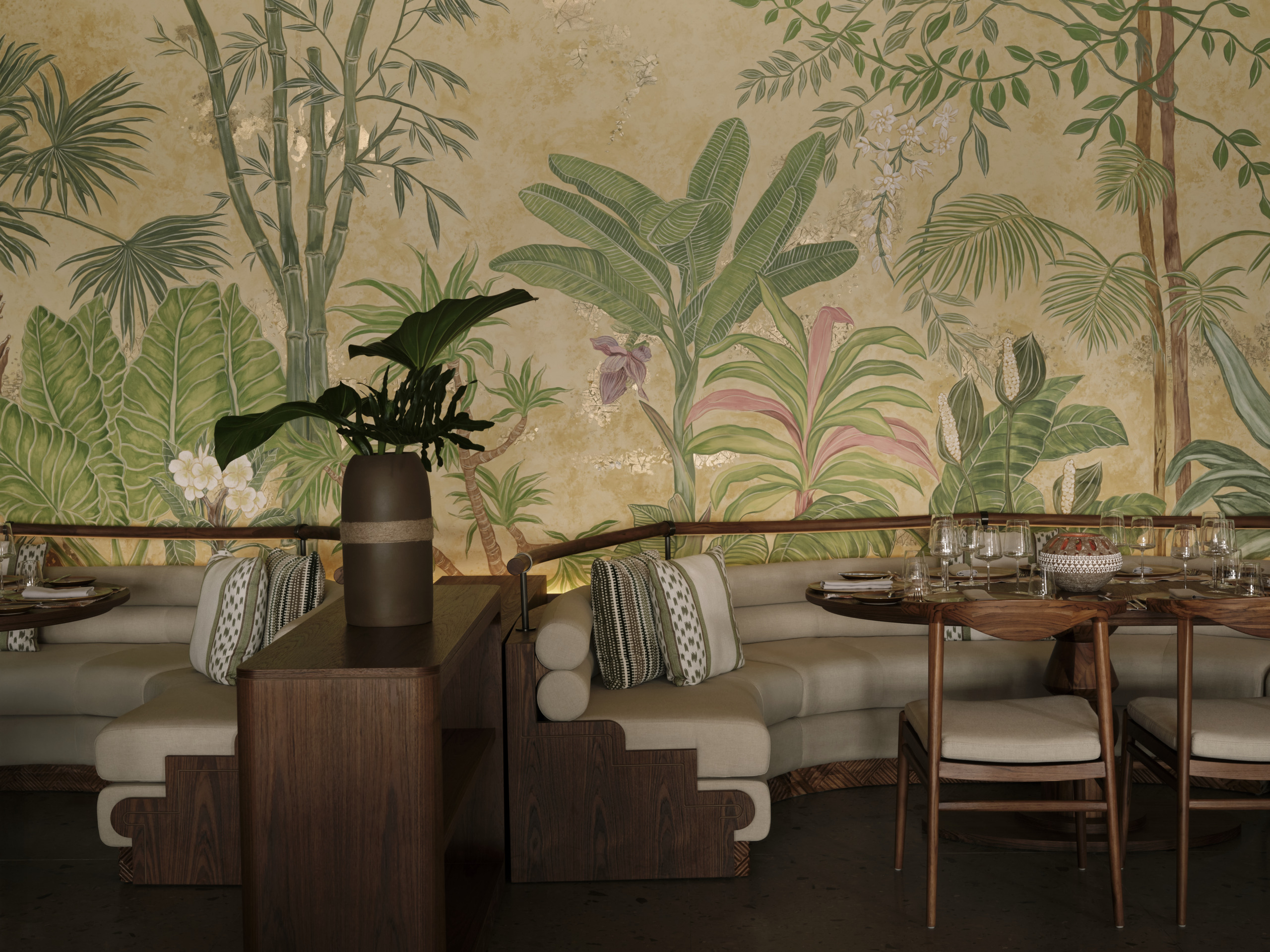
Preservation also extends into the interiors, with material reuse as a key component. Original Narra wood flooring from the now-removed beachfront cottages was carefully salvaged, with close to 100 sqm repurposed into feature screens and decorative wall panels, extending the life of the now-protected hardwood while preserving a tangible connection to the resort’s heritage.
lighter footprints by going local
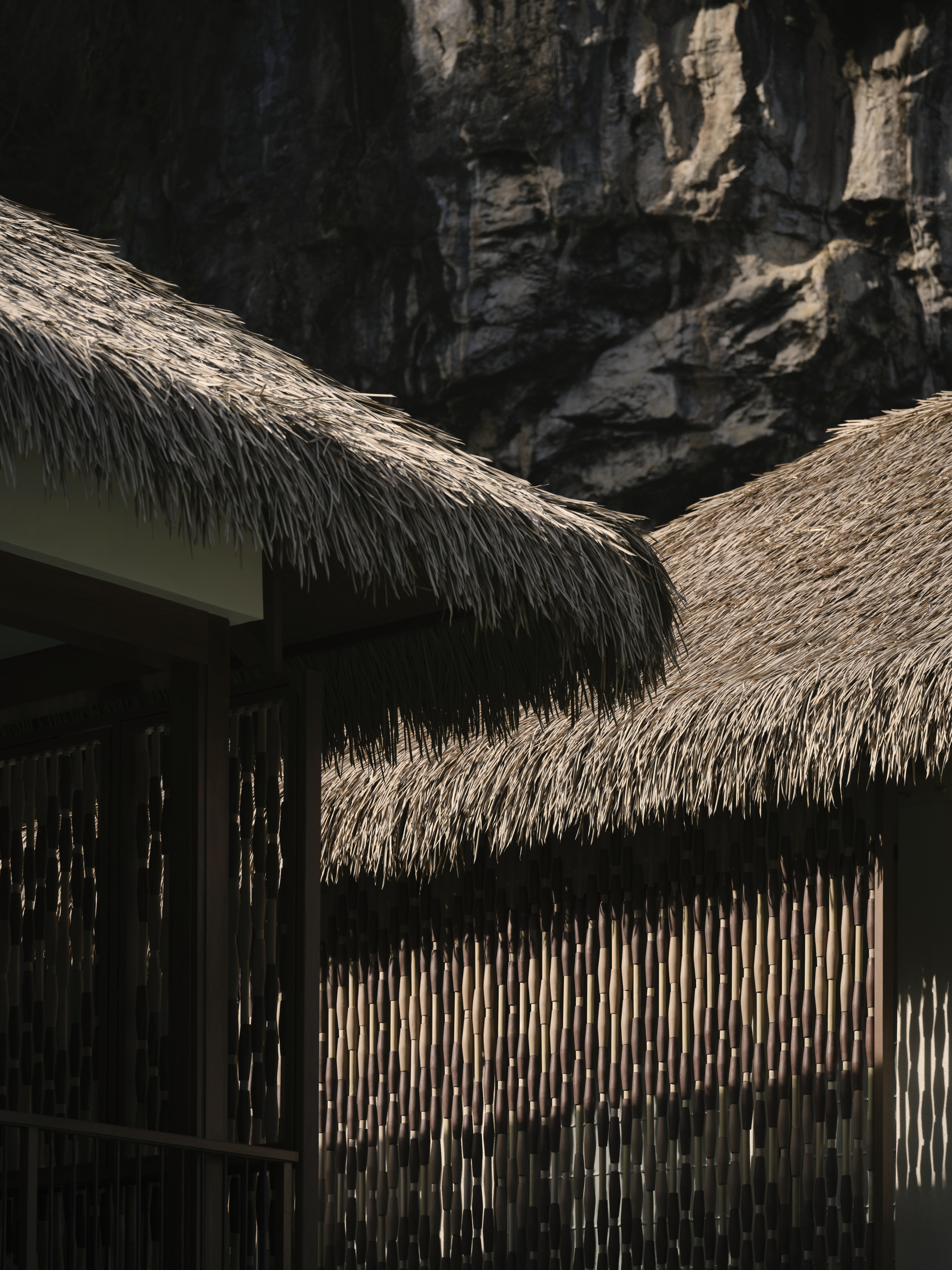
Lagen takes particular pride in collaborating with artisans from across the Philippine archipelago, ensuring that local craftsmanship is celebrated while directly contributing to regional economies. The clay bricks were supplied by Artisano Kabalan of Olongapo, whose work reflects a rich blend of Filipino and indigenous influences. Intricate wood carvings were created by Creaete Industrial Corporation of Cavite, showcasing a fusion of Filipino, Spanish, and indigenous artistic traditions. The resort’s woven artworks and textiles were produced by renowned artisans and weaving communities, including Wilson Limon, Jenny Mann, the T’boli Weavers, Gemma James Medel, and the Marabatuan Indigenous People Weavers Association, curated through designer Niño Franco. By incorporating these locally crafted elements throughout the resort, the project preserves cultural heritage, creates meaningful economic opportunities, and strengthens connections between guests and the Philippines’ diverse traditions.
Responsible Operations
The resort’s supply chain strategy prioritizes responsible sourcing, local procurement, and waste reduction. Whenever feasible, seafood, fruits, vegetables, and other products are sourced from nearby communities, reducing transportation-related emissions while supporting local livelihoods.
Responsible seafood procurement is a key focus. Threatened and environmentally sensitive species, including groupers, have been removed from resort menus, with preference given to legally harvested, sexually mature, and handline-caught fish to support sustainable fisheries and marine conservation.
Lagen’s operations model is one of self-reliance. The resort operates on-island infrastructure that reduces the pressure on imported resources. Its water strategy combines on-site water sources and desalination to meet freshwater needs. Wastewater is treated through a sequencing batch reactor-type sewage treatment facility. The recycled water is used for landscape irrigation, a portion for flushing toilets in the staff house, and for fire protection, rather than being discharged untreated into the sea. Solid waste is managed through strict segregation and a materials recovery facility, where recyclables are stored for collection and organic waste is composted for use in resort gardens and farms. Together, these systems extend the project’s preservation-first approach into daily operations, making Lagen a more resilient island ecosystem.
Conservation in Action
Biodiversity conservation is a core focus. The resort implements a sea turtle conservation program that includes nest monitoring, habitat protection, hatchling management, and guest education, supported by regular biodiversity assessments covering terrestrial and marine species. Conservation efforts also extend to adjacent mangrove forests, limestone forests, coral reefs, and seagrass habitats, helping preserve the ecological integrity of the island and surrounding waters. These ecosystems play an important role, serving as valuable natural carbon sinks while supporting biodiversity and resilience.
The resort also works closely with the Department of Environment and Natural Resources (DENR), the Protected Area Management Office (PAMO), local schools, and community partners to advance conservation, environmental education, and protected area management.
Operationally, the resort monitors electricity, water, fuel, LPG, refrigerants, and waste generation monthly to drive resource efficiency and continuous improvement. Waste segregation, recycling, and reduction initiatives are implemented across all departments and supported by ongoing staff training programs that promote environmental stewardship throughout the organization.
Together, these initiatives demonstrate a holistic sustainability approach that balances responsible tourism, environmental protection, and community engagement while safeguarding the natural assets that make it uniquely Lagen.
Empowering Communities
The resort delivers long-term social value by creating employment opportunities, supporting local livelihoods, and strengthening community partnerships. Approximately 80% of the resort’s workforce is hired from El Nido and nearby communities, with employees benefiting from ongoing training, career development, and sustainability education.
Beyond direct employment, the resort supports local suppliers, fishermen, boat operators, and community enterprises, helping ensure that tourism generates economic benefits throughout the region. The resort also participates in community initiatives such as Brigada Eskwela and environmental awareness programs with local schools and neighboring barangays.
Embedded within the Guest Experience
Wellness experiences are integrated through guided nature walks, birdwatching activities, and marine conservation presentations that showcase the area’s unique biodiversity and ongoing conservation efforts. The project reduced density and fostered a more restorative relationship between guests and the natural environment, signaling a different redevelopment model—one in which value is measured by ecological balance and quality of experience rather than capacity alone. Guests are also encouraged to engage with local communities through village tours, traditional fishing experiences, artisan markets, and cultural activities, fostering meaningful cultural exchange and supporting community-based tourism.
how legacy properties can evolve responsibly
Lagen endeavors to set a benchmark for how legacy properties can evolve responsibly, proving that longevity comes from genuine care and thoughtful decision-making.
By designing with restraint and only adding what was truly necessary, the connection to nature was further strengthened. Guests feel more attuned to their surroundings—the light, the sea, the limestone cliffs. That heightened awareness, that sense of being fully present, creates a hospitality experience that is truly, deeply restorative.
The revitalized resort has successfully preserved a destination that has held a special place in the hearts of Filipino domestic travelers for almost three decades, while laying the foundation for world-class regenerative tourism for generations to come. Perhaps the most telling indicator of success after its relaunch is the increased sighting of the native Palawan hornbill and the Asian small-clawed otter, signaling a flourishing ecosystem shaped by care.
“We are thrilled to have impeccably revitalized the Lagen Island Resort, El Nido, in close partnership with our visionary client, Ayala Land Hospitality. Lagen Island is renowned for some of the most pristine natural environments, setting the stage for world-class regenerative tourism. By delivering site-specific tailored solutions that resonate with our clients’ vision, evolving guests’ expectations, and future aspirations, a new chapter for the resort will now begin to beautifully unfold.” – Chiara Calufetti-Lim, Principal, Architecture
Find out more
- Asia Pacific
Lagen Island Resort, El Nido
- Project Stories |
- Strategy + Research
Lagen Island Resort, El Nido: Insights before Intervention
Latest Insights
Perspectives, trends, news.
- News
Six MICHELIN Keys for Five WATG and Wimberly Interiors Hotels

- Design + Innovation
The Future of Design Education
- Project Stories
Connecting Historic Preservation and Wellness Design
- Strategy + Research