Measuring Carbon in Design: Beyond Energy Toward Whole-Life Impact
With contributions by:
-
Pablo La Roche /
Arcadis & Professor Cal Poly Pomona -
Sophie Pennetier /
Digne/Sci Arc -
Lydia Olivier /
University of California Riverside / Cal Poly Pomona
At a glance
Measuring Carbon in Design: Beyond Energy Toward Whole-Life Impact is based on a presentation by Dr. Eric Carbonnier, Director of Sustainability at WATG, at the Net Zero Conference in Los Angeles, titled “Measuring Carbon in Buildings: Three Perspectives.” The article argues that whole-life carbon analysis, covering both embodied and operational emissions across a building’s lifespan, provides a more complete framework for sustainable design decisions than energy efficiency alone, and applies this approach to hospitality and resort projects including adaptive reuse, reforestation, and native planting strategies.
Measuring Carbon in Design
This article is based on a presentation by Dr. Eric Carbonnier, WATG Director of Sustainability, Pablo La Roche, Arcadis & Professor Cal Poly Pomona, Sophie Pennetier, Digne/Sci Arc, and Lydia Olivier, University of California Riverside / Cal Poly Pomona, at the Net Zero Conference, Los Angeles titled “Measuring Carbon in Buildings: Three Perspectives”.
Carbon has become a design material. Architects and designers are beginning to measure impact in carbon, not only through the energy a building consumes, but through the materials that construct it. True responsibility lies in understanding both operational and embodied emissions and reducing their collective impact.
From Energy to Carbon
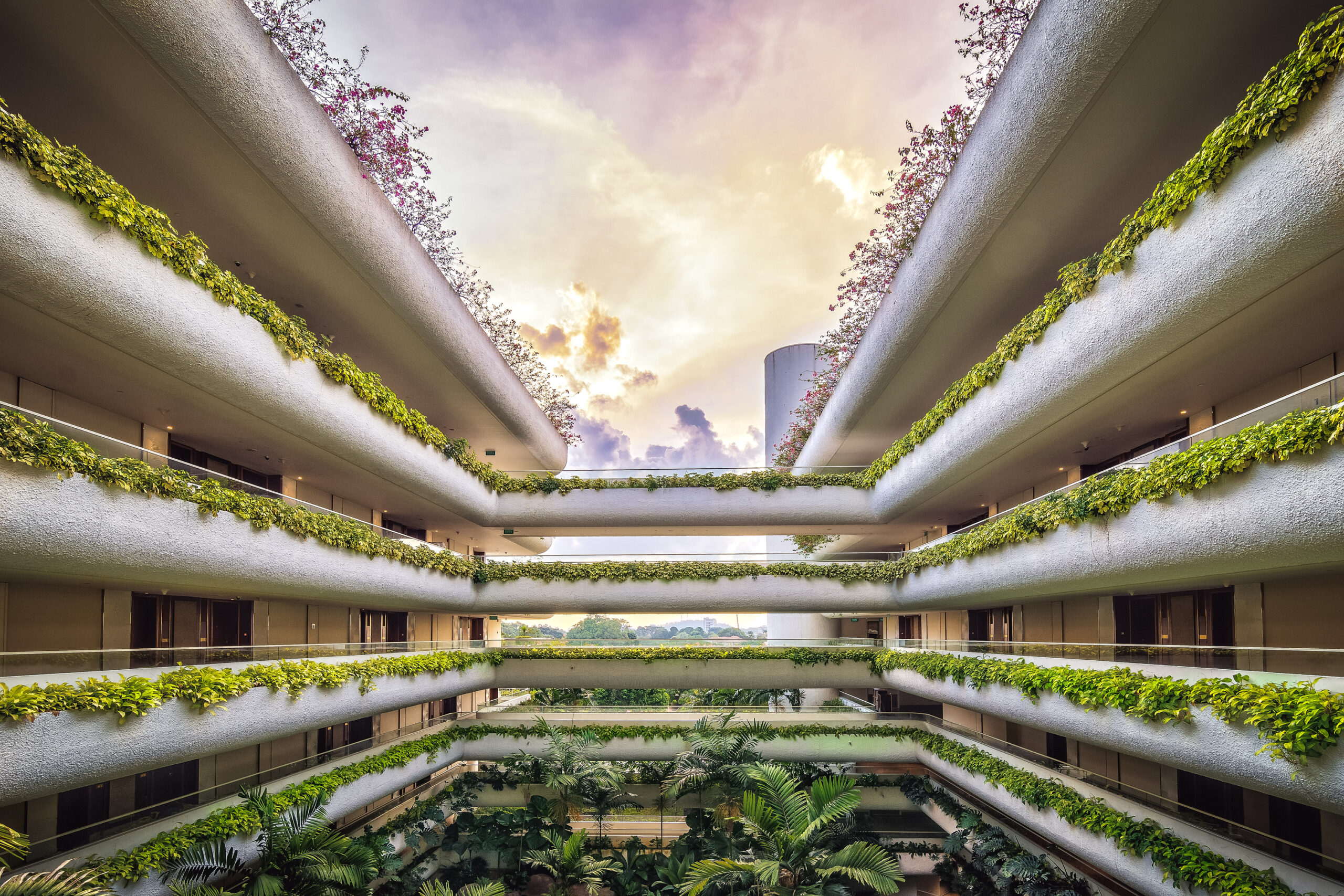
For many years, energy efficiency has defined sustainable architecture. Buildings were designed to use less through better insulation, efficient systems, and renewable energy. But energy efficiency alone does not tell the full story. A high-performing glass façade might reduce heating and cooling needs, yet the carbon released in its manufacture can outweigh those savings.
Whole-life carbon analysis captures both the embodied and operational impact of a building. It helps design teams and clients understand trade-offs clearly and identify where design decisions have the greatest influence. It encourages thinking not just about performance today, but about the total impact over time.
Considering Time
Carbon is also a matter of time. Embodied emissions are released during construction, while operational emissions accumulate over decades. Because they are measured differently, they have often been difficult to compare.
By spreading embodied carbon across a building’s lifespan, it becomes possible to align these values and see the whole picture. This approach allows design teams to model scenarios, test options and plan for the future.

Designing for Climate Positivity
The idea of a climate-positive building, one that sequesters more carbon than it emits, may sound ambitious but it is achievable. Adaptive reuse is one of the most effective ways to reach this goal. Reusing an existing structure can save thousands of tons of embodied carbon, while upgrading systems, introducing renewable energy, and improving building envelopes can dramatically reduce energy use.
This way of working extends beyond conservation. It celebrates what already exists and brings it forward with new relevance. The result is a more intelligent, resource-efficient, and enduring approach to design.
Expanding the Lens
Carbon is not only technical; it is cultural. Every material choice, from glass to timber, carries implications for where it is sourced, who benefits from it and how it affects ecosystems. Understanding these relationships helps designers make decisions that are environmentally and socially aware.
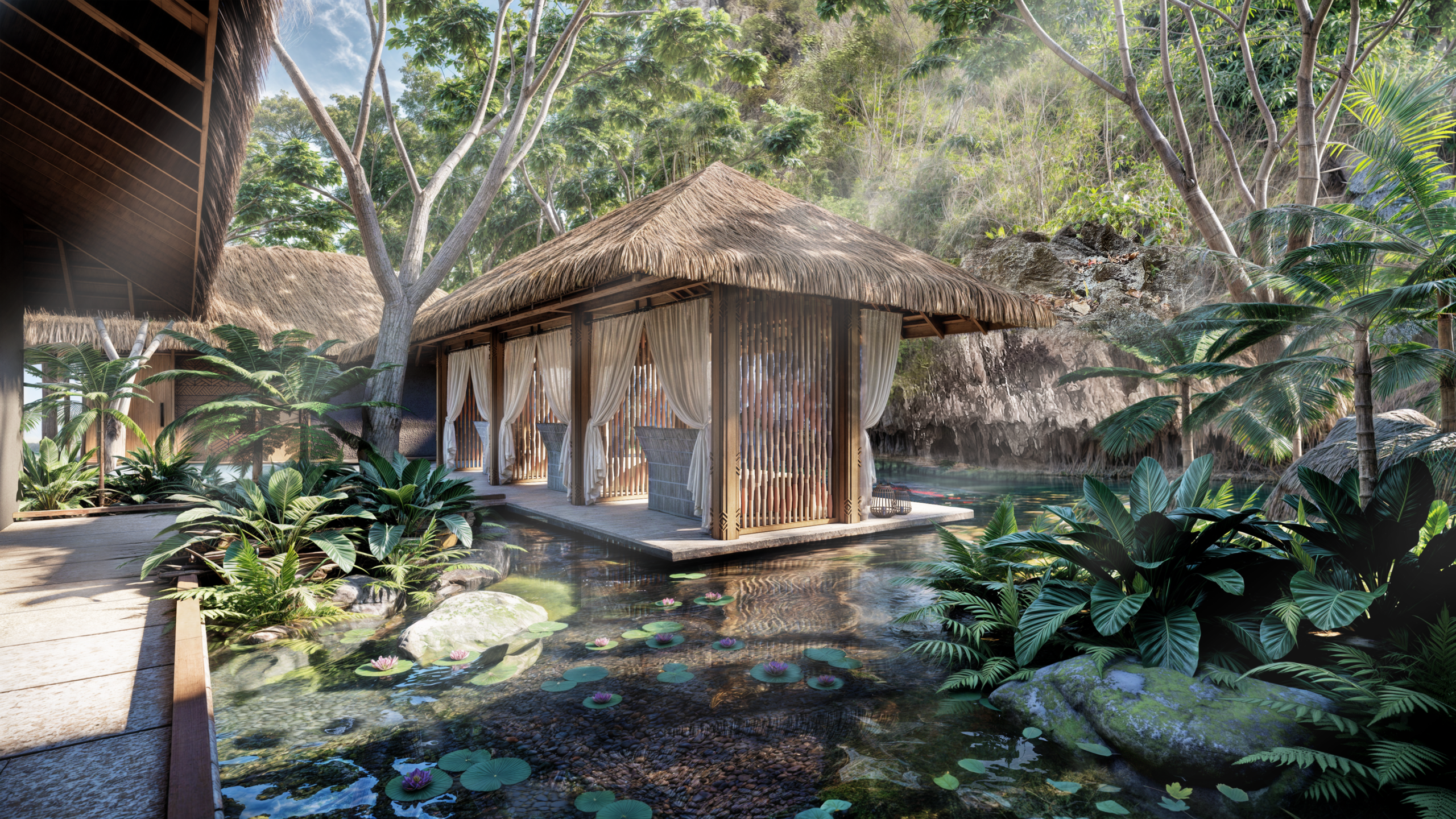
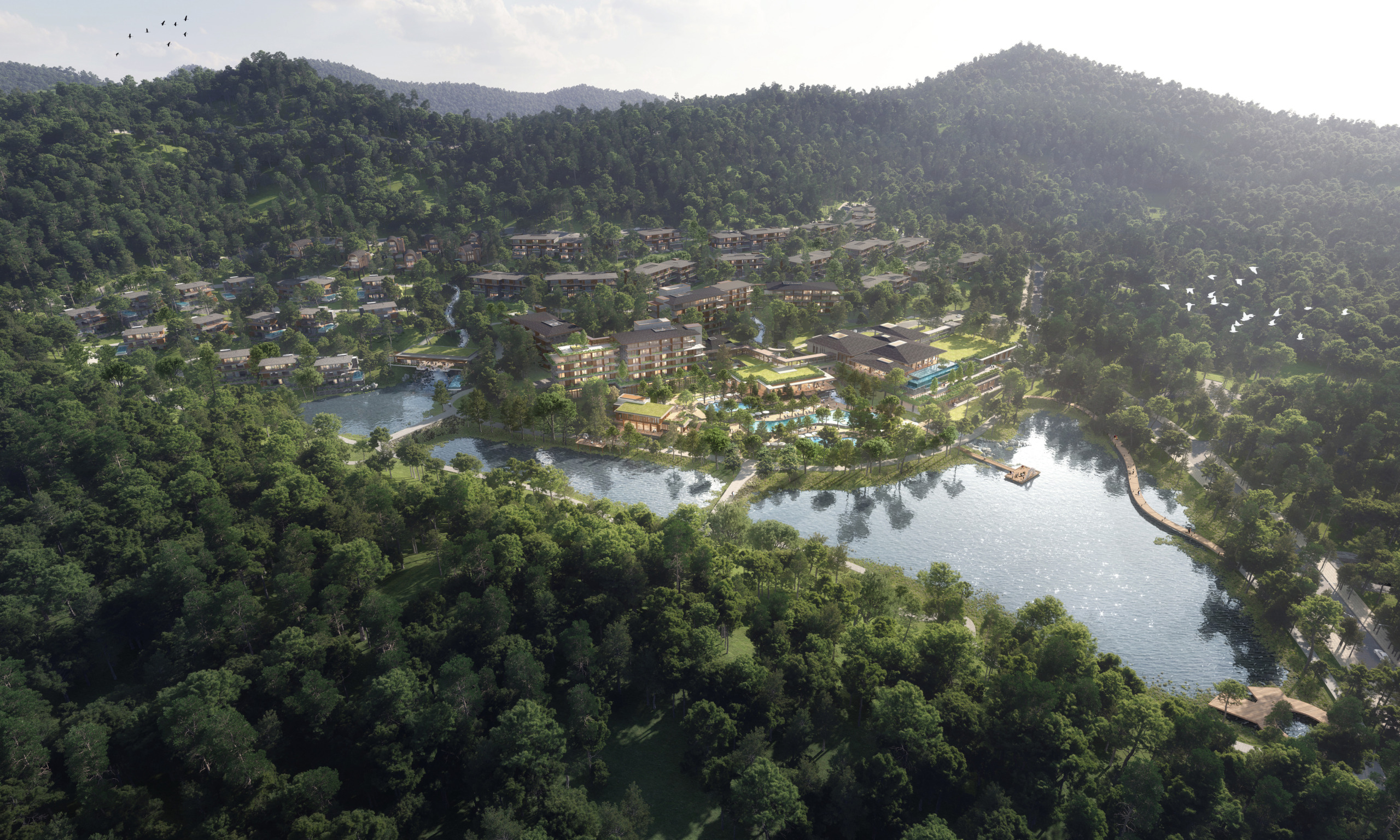
Biogenic carbon, stored in vegetation and soil, adds another dimension. In hospitality and resort design, this principle translates to landscapes that regenerate and protect. Reforestation, restored wetlands, and native planting can function as natural carbon sinks while improving biodiversity and guest experience.
Equity and Storytelling
Climate impact is not experienced equally. Communities already facing economic or social challenges are often the most affected by rising temperatures and environmental degradation. Design plays a direct role in shaping resilience and comfort in these settings.
Data can measure carbon, but stories reveal its consequences. Listening to people and combining their lived experiences with analysis creates a richer and more honest framework for climate action. This balance of evidence and empathy is what drives meaningful progress.
Next Steps for Design
Carbon is not a restriction on creativity; it is an opportunity to work with greater intention. Measuring it carefully helps designers and clients make choices that are both efficient and ethical. It brings purpose to every line drawn and every material specified.
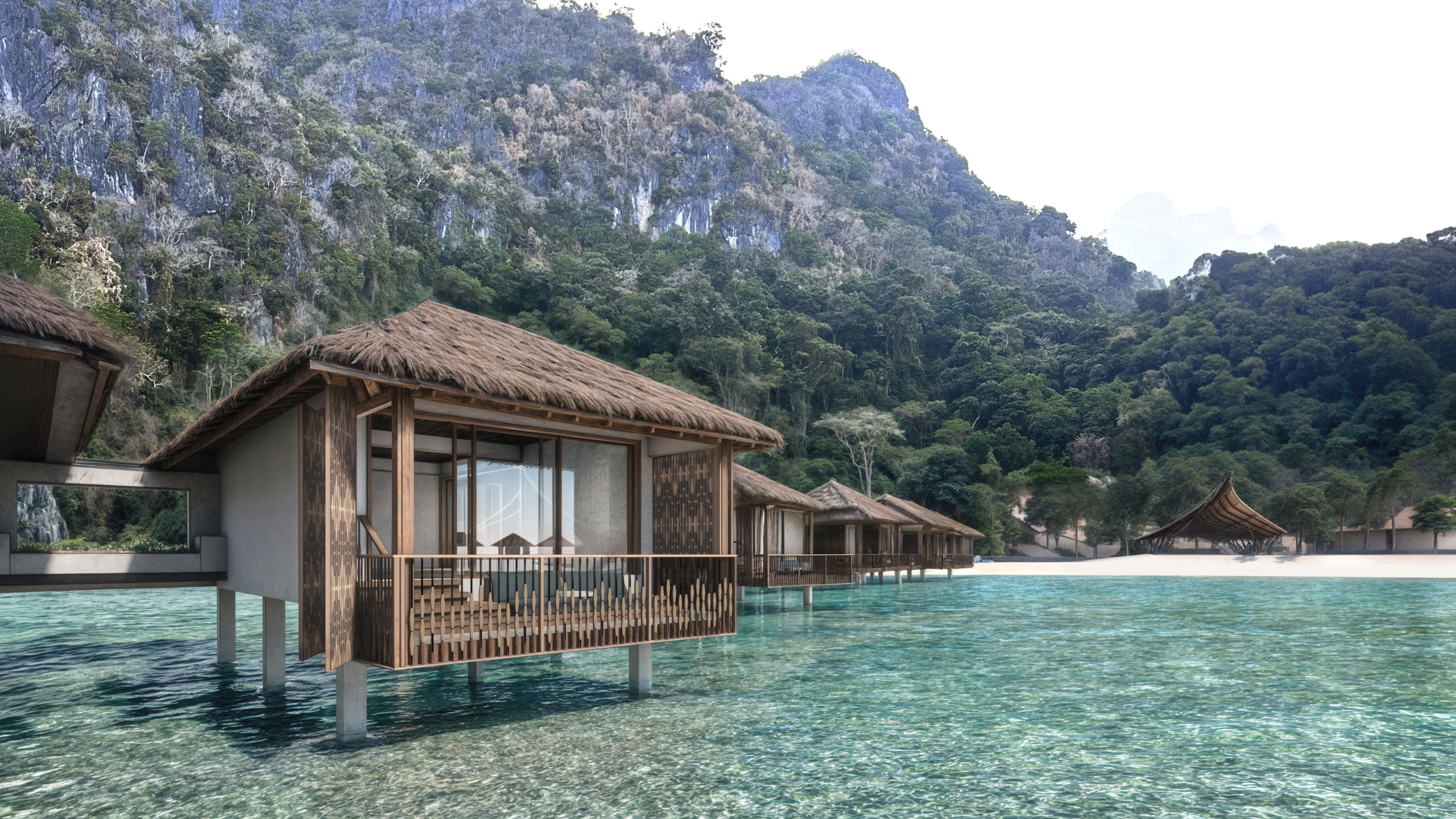
In hospitality design, this means creating destinations that perform efficiently, respect their environment, and give back to the places they inhabit. It means recognising that luxury and responsibility should share the same space.
The built environment contributes nearly 40 percent of global emissions. Each project, regardless of scale, has the potential to make a difference. By bringing carbon awareness into every stage of design, we can create places that restore as much as they inspire.
About The Author

Eric Carbonnier
As Director of Sustainability at WATG and Wimberly Interiors, Eric will advance the WATG’s global strategy of bringing design thinking and delivery in line with environmental, social, and economic goals of designing resilient environments in a rapidly changing world.
Latest Insights
Perspectives, trends, news.
- News
Six MICHELIN Keys for Five WATG and Wimberly Interiors Hotels

- Design + Innovation
The Future of Design Education
- Project Stories
Connecting Historic Preservation and Wellness Design

- Strategy + Research