From Smart Cities to Smarter Places
At a glance
From Smart Cities to Smarter Places is a WATG Insights article examining how intelligent interventions embedded within master plans evolve beyond standalone “smart city” technology. Authored by Bhavya Kukrety, Managing Director of WATG’s Asia Pacific studio, the piece argues that effective master planning prioritizes site context, cultural identity, and guest experience before selecting which digital, operational, or sustainability systems add genuine value. The article demonstrates how this methodology applies across resort clusters, mixed-use destinations, nature-based tourism, and cultural properties.
Why intelligent interventions are redefining experience-led master planning
For years, the term “Smart Cities” dominated planning and built environment conversations. It appeared in almost every pitch, every vision statement and even in every large-scale urban conversation.
It signaled a future of connected efficient and intuitive environments, but over time, it also became overused as a catch-all phrase for technology layered onto projects with limited application in genuinely improving the place.
That is why the term has become limited and, in many cases, less relevant. But the underlying idea has not gone away. In fact, it has become more important.
The real shift is that smart city thinking has evolved. It is most powerful when embedded within a master plan as a set of intelligent interventions that improve how a place performs, how it is experienced, and how it creates value over time.
Intelligent interventions that improve how a place performs, how it is experienced, and how it creates value over time.
The Question That Has Changed
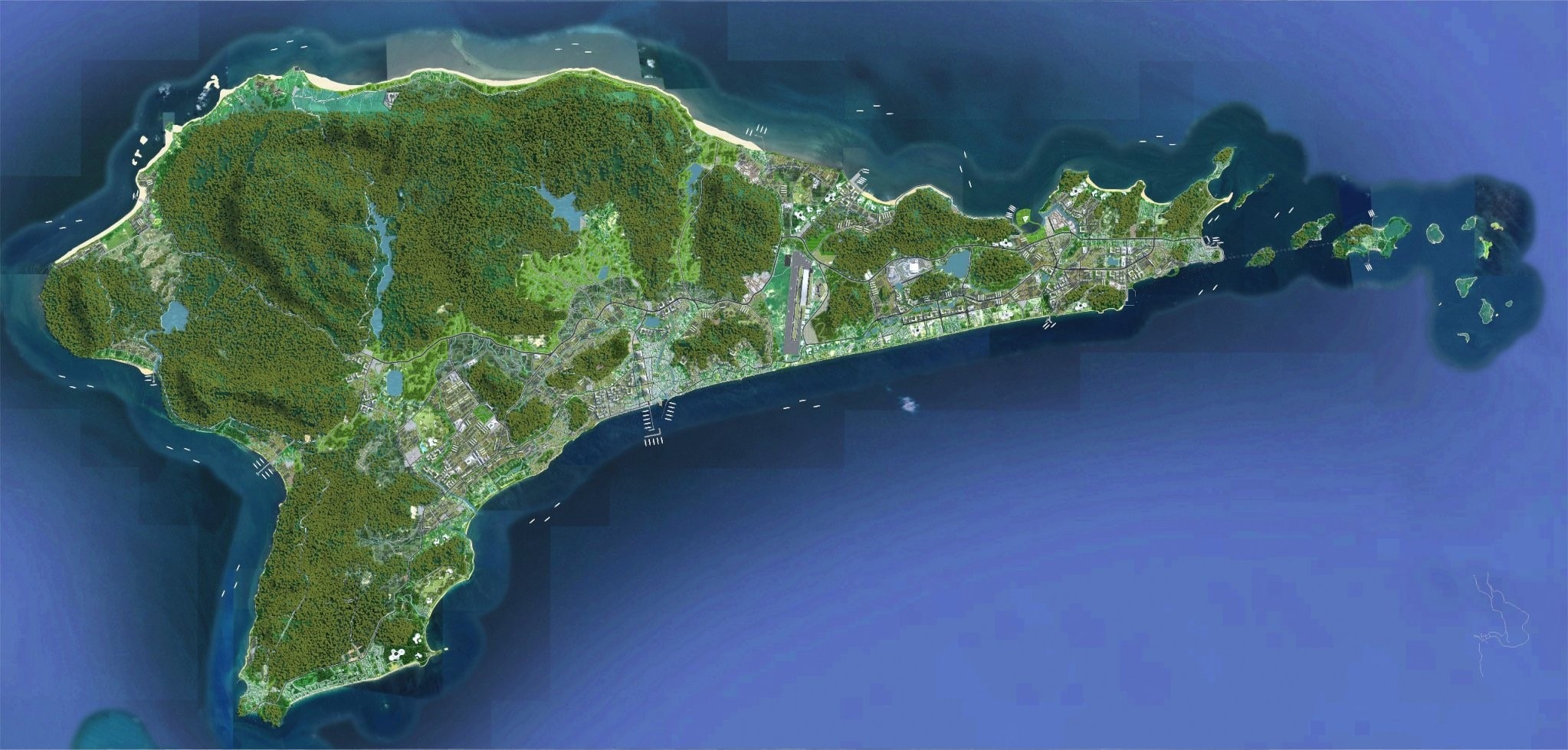
The industry frames ‘smart cities’ as sensors, platforms, controls, systems, sometimes before the fundamentals of place are even resolved. But great destinations begin elsewhere: with context, cultural identity, guest journeys, climate responsiveness.
This is where experience design leads. Understanding the site, movement patterns, environmental pressures, heritage, social fabric, commercial ambition, human intent, creates the foundation. Only then do you ask which digital, operational, or sustainability interventions matter. The phygital experience becomes the constraint that makes smart-city infrastructure useful.
Asking the right questions about what kind of digital, operational or sustainability interventions are actually useful.
When Interventions Become Invisible
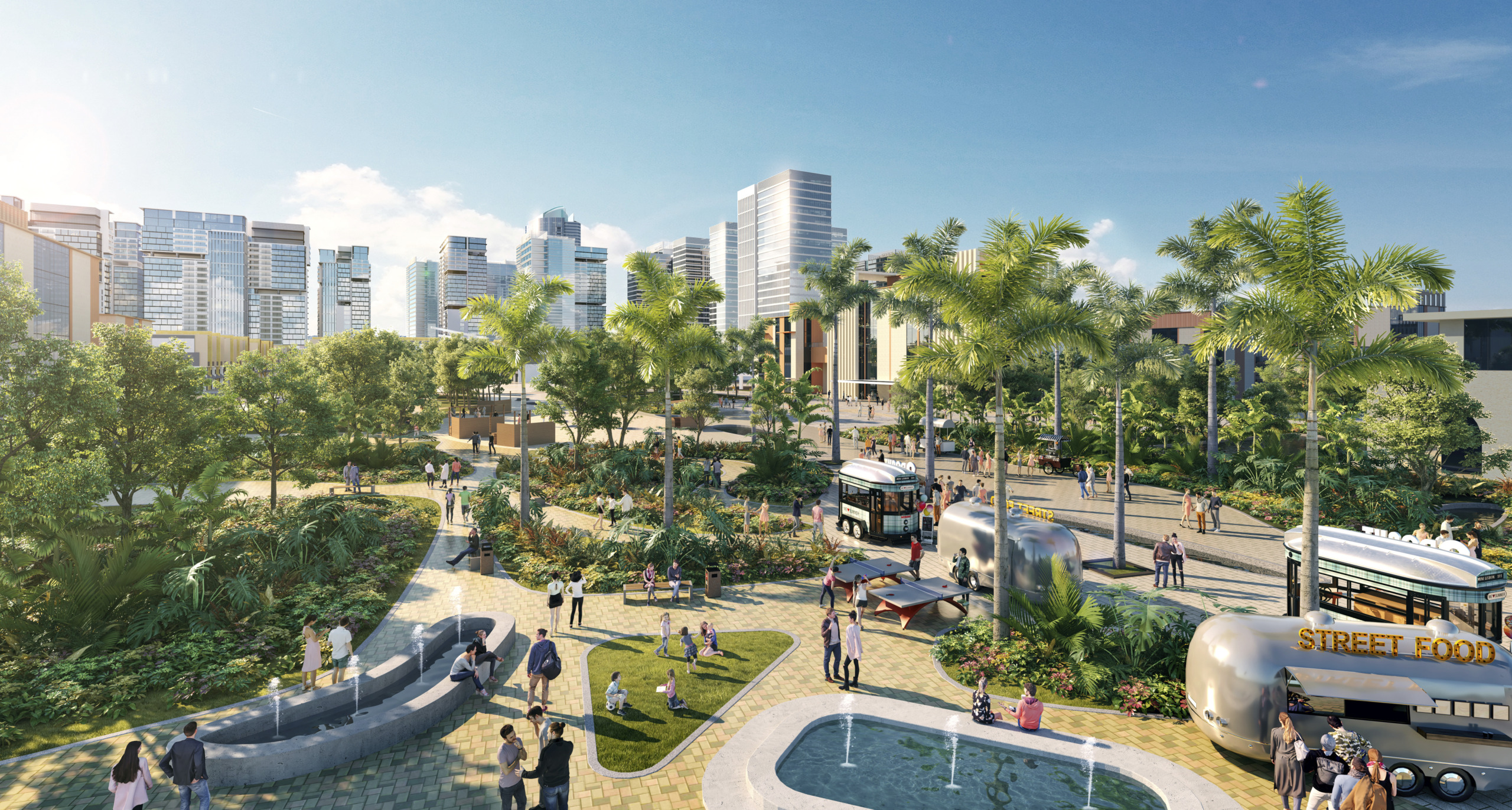
Intelligent interventions are most powerful when they are invisible yet impactful. Smart interventions should support the place, not compete with it. The most effective smart interventions are the ones that strengthen the logic of a place rather than distract from it.
In practical terms, that can mean many things. It can mean shaping a smoother arrival experience, improving orientation and wayfinding where experiences are concentrated, supporting smart mobility around public realms, enabling more efficient energy use to support operations, or creating a more personalized destination that evolves over time. It can mean building in the capacity to measure performance over time, whether that is tied to sustainability, operations, safety or user behaviour.
These interventions are valuable not because they sound advanced, but because they improve the way a place works. Smart systems help make sustainability tangible.
That is why the best examples are often the least visible. When people move through a destination and it feels intuitive, clear, comfortable and well run, the intelligence behind it is doing its job. The success is in the outcome, not the visibility of the system.
When people move through a destination and it feels intuitive, clear, comfortable and well run, the intelligence behind it is doing its job

The Evolution of Smart Thinking by Destination Type
The evolution of “smart” thinking is particularly relevant in tourism and master planning where destinations are increasingly complex ecosystems.
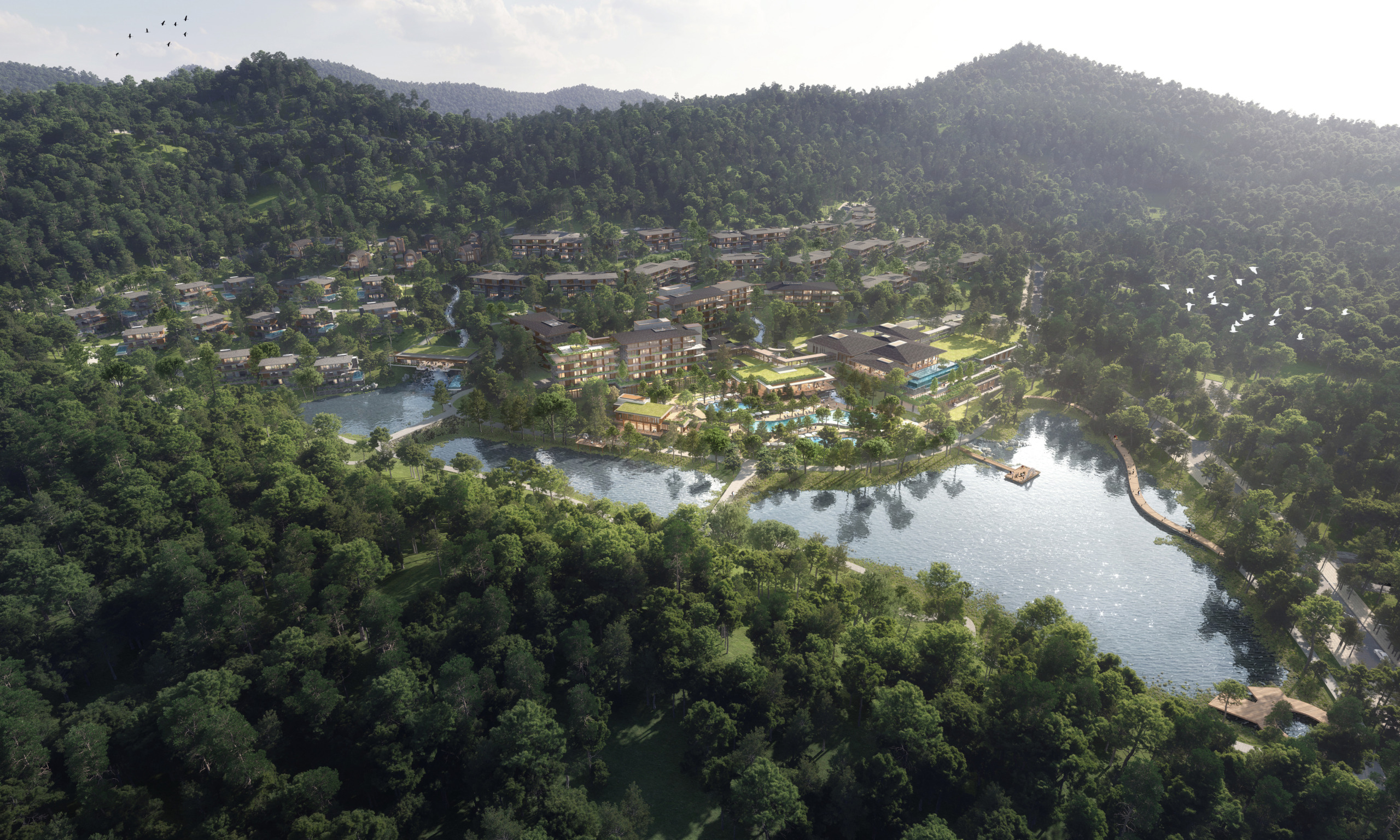
Its delivery varies considerably across different typologies. For resorts and hospitality clusters, the digital layers personalize the guest journey from the point a guest plans the trip to the sensory experience across the corridors to the room, and ending with the personalized ambience and the last meal on the table. For the mixed-use destinations, its hyper personalization for Gen Z, Gen X and babyboomers where integrated systems improve comfort, flow and efficiency. While the nature-based tourism or wellness destinations assure balance and monitoring to support conservation and visitor management. Against these, the cultural destinations call for multilingual digital storytelling to enhance engagement.
Master Planning as the Framework for Long-Term Performance
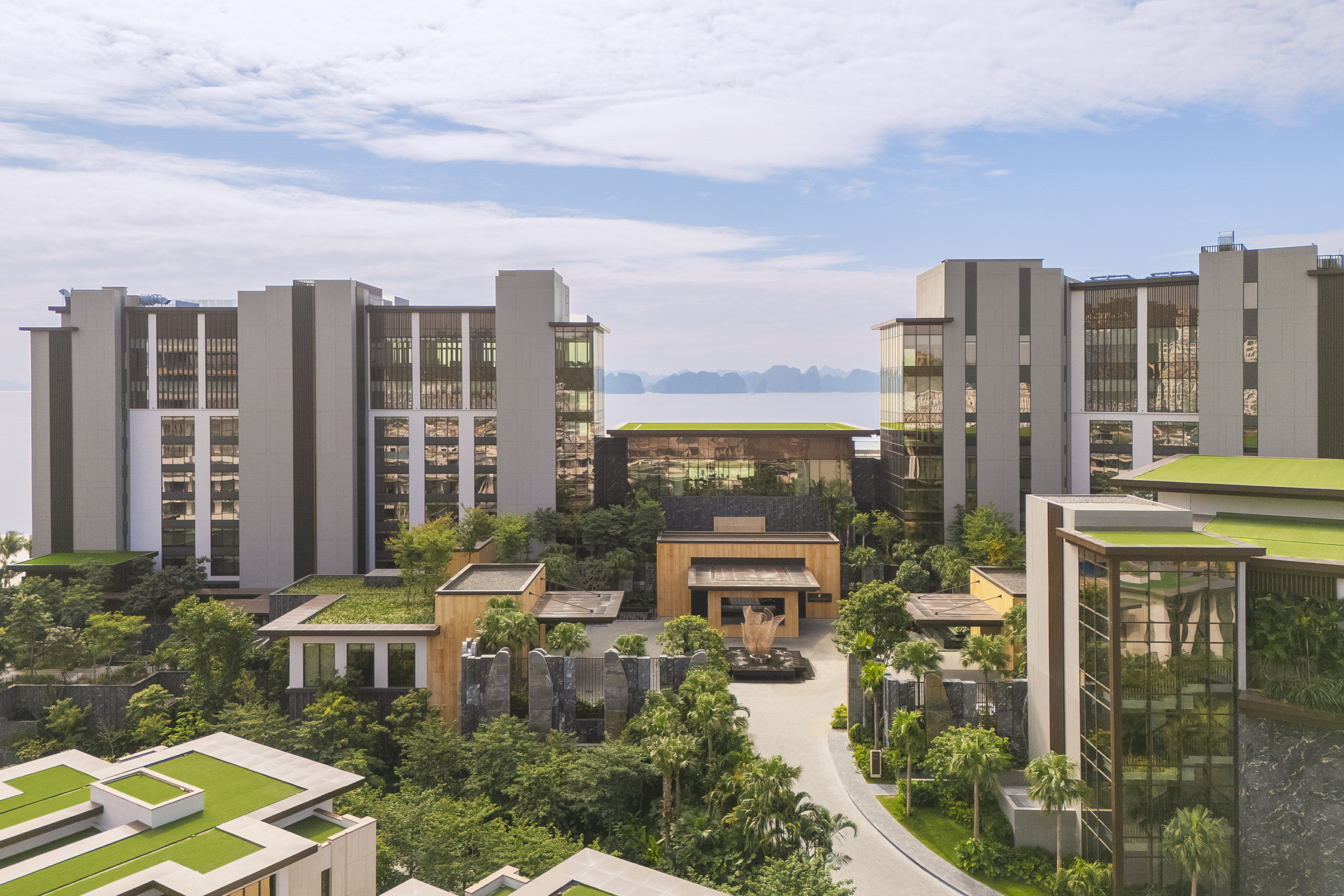
At master plan stage, we are not just drawing land uses or plotting densities, we are setting the long-term framework for performance. We are determining how people arrive, how they circulate, where infrastructure sits, how public space functions, where experiences are concentrated, and how the place will adapt as it matures.
When placemaking, sustainability, digital thinking, and operational performance integrate from the outset, the result transcends the ‘smart city’ label. What emerges is a flexible infrastructure that strengthens the commercial case by translating design intent into measurable operational outcomes.
Hence, a heritage-led destination, an ecological reserve and a mixed-use waterfront should not all receive the same answer. The role of the master planner is to decide where intelligent systems add real value, where they should be light-touch, and where they may not be necessary at all. That requires judgment, not just technical enthusiasm.
The role of the master planner is to decide where intelligent systems add real value, where they should be light-touch, and where they may not be necessary at all.
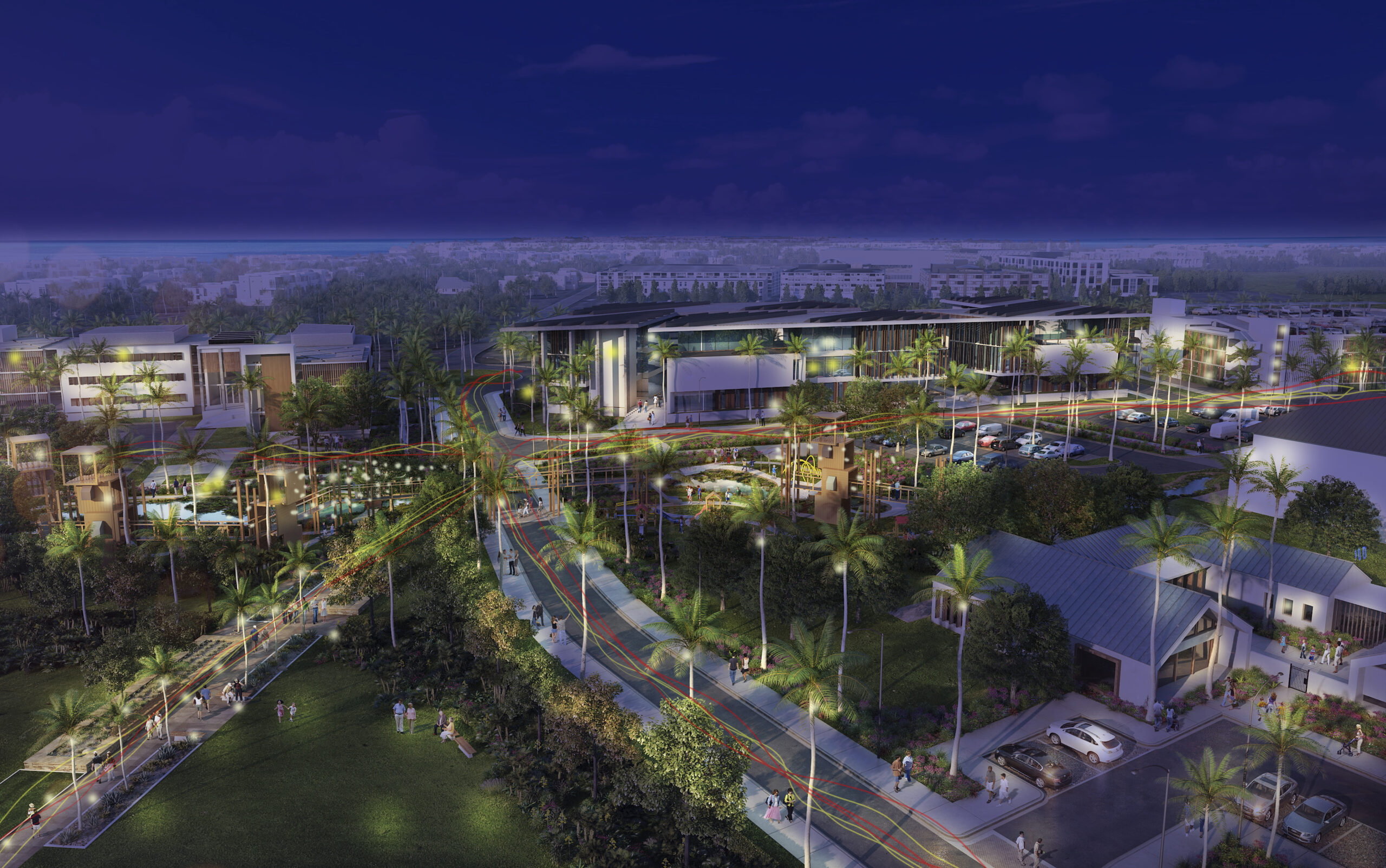
The future of this field will not be defined by who can apply the most technology, but by who can use it with the most precision and relevance.
Smart Cities: Precision Over Technology
At WATG, we believe, the future of this field will not be defined by who can apply the most technology, but by who can use it with the most precision and relevance.
The answer is not more technology for its own sake. It is better planning, supported by intelligent interventions from the start.
To discuss how intelligent interventions can strengthen the performance, sustainability and user experience of your next master plan, contact WATG.
About The Author

Bhavya Kukrety
Bhavya has over 22 years of experience in project management, development planning, and strategic, sustainable large scale urban infrastructure projects, including mixed use districts, digital/smart cities, airports, ports, city and regional developments, high density residential townships, and sustainable, eco friendly urban and tourism developments.
Latest Insights
Perspectives, trends, news.
- News
Six MICHELIN Keys for Five WATG and Wimberly Interiors Hotels

- Design + Innovation
The Future of Design Education
- Project Stories
Connecting Historic Preservation and Wellness Design

- Strategy + Research