Beyond Growth: Designing What’s Next for the Sunbelt
With contributions by:
-
Richard Luis /
Managing Principal, Architecture
At a glance
Beyond Growth: Designing What’s Next for the Sunbelt argues that the region’s next phase of hotel development will be defined by design quality and place-specific differentiation rather than population growth alone. The piece draws on WATG’s Research & Advisory team, citing approximately 1,540 hotel projects and more than 250,000 rooms in the Sunbelt pipeline, led by Florida, Texas, and California. It highlights South Carolina’s 1.14% population growth against a comparatively modest 7,860-room pipeline as evidence that investment has not yet caught up with demand in some markets.
Sunbelt hospitality design
For decades, the Sunbelt has been defined by growth. Population migration, investment, and development have fueled some of the nation’s fastest-growing markets.
In fact, the Southern and Western Sunbelt states together account for 16 of the 20 fastest-growing states over the past 15 years. Growth itself varies, in 2025 South Carolina (1.46%) and North Carolina (1.32%) actually outpaced Texas (1.25%) and Florida (1.47%) according to a 2026 analysis by The Pew Charitable Trusts.
Richard Luis, Managing Principal of Architecture and Office Director of our Dallas studio, comments, “The next chapter of the Sunbelt will be defined by quality and differentiation. In increasingly competitive markets, developers, hotel brands, and investors are focused on creating destinations that deliver meaningful experiences, perform over the long term, and feel authentic to their location.”
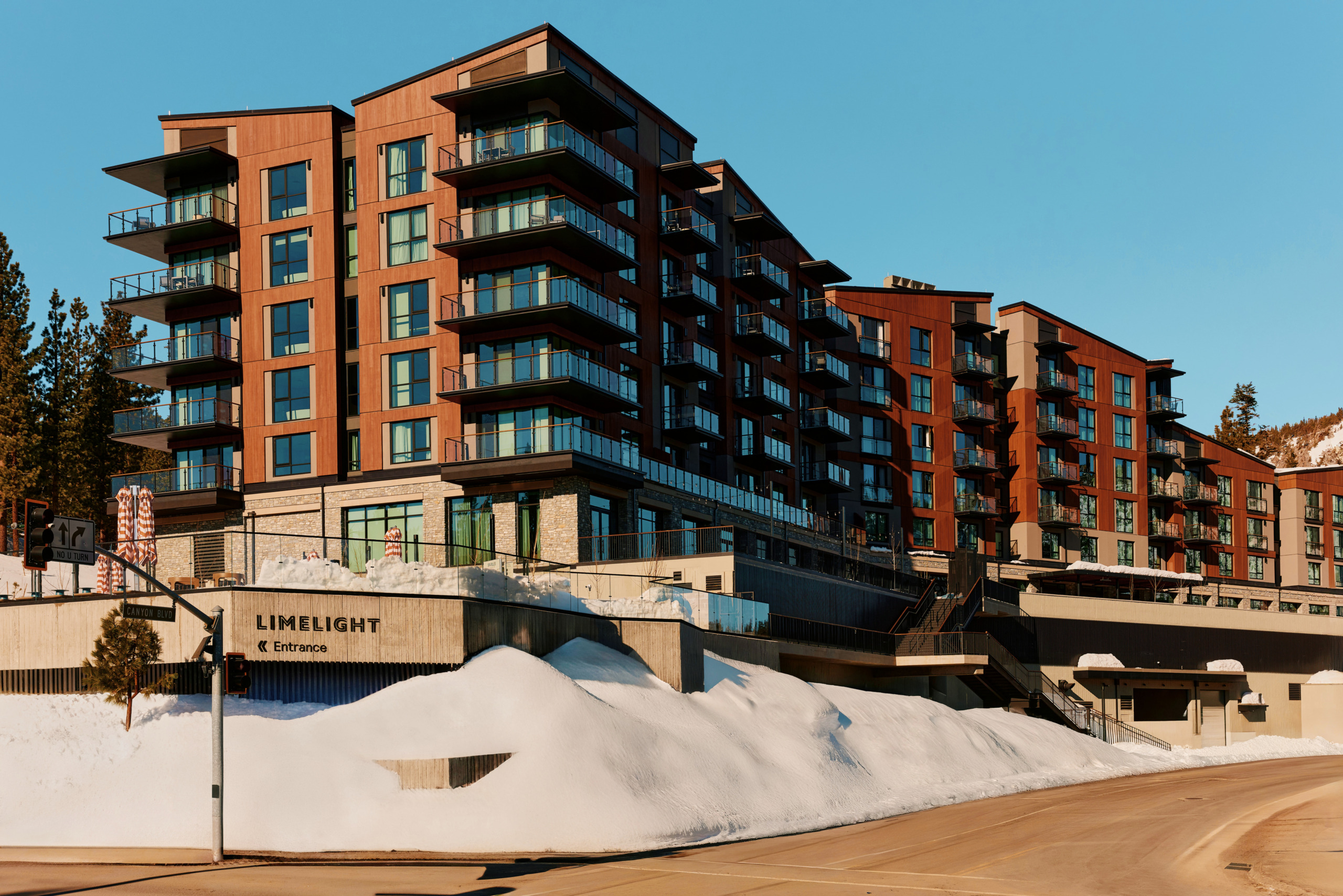
The Diversity of the Sunbelt
People often think of the Sunbelt as a single market defined by warm weather, but its 16 states encompass a remarkably diverse range of climates, from tropical and humid subtropical to Mediterranean, desert, and highland regions.
Designing for the arid Southwest presents different challenges than the humid Gulf Coast or Atlantic Southeast. Each market demands a design response that reflects its environmental conditions, operational priorities, and cultural identity. In Texas, that may mean creating heat- and water-smart environments that support year-round outdoor living. In coastal markets, it means prioritizing resilience, insurability, and long-term operational continuity.
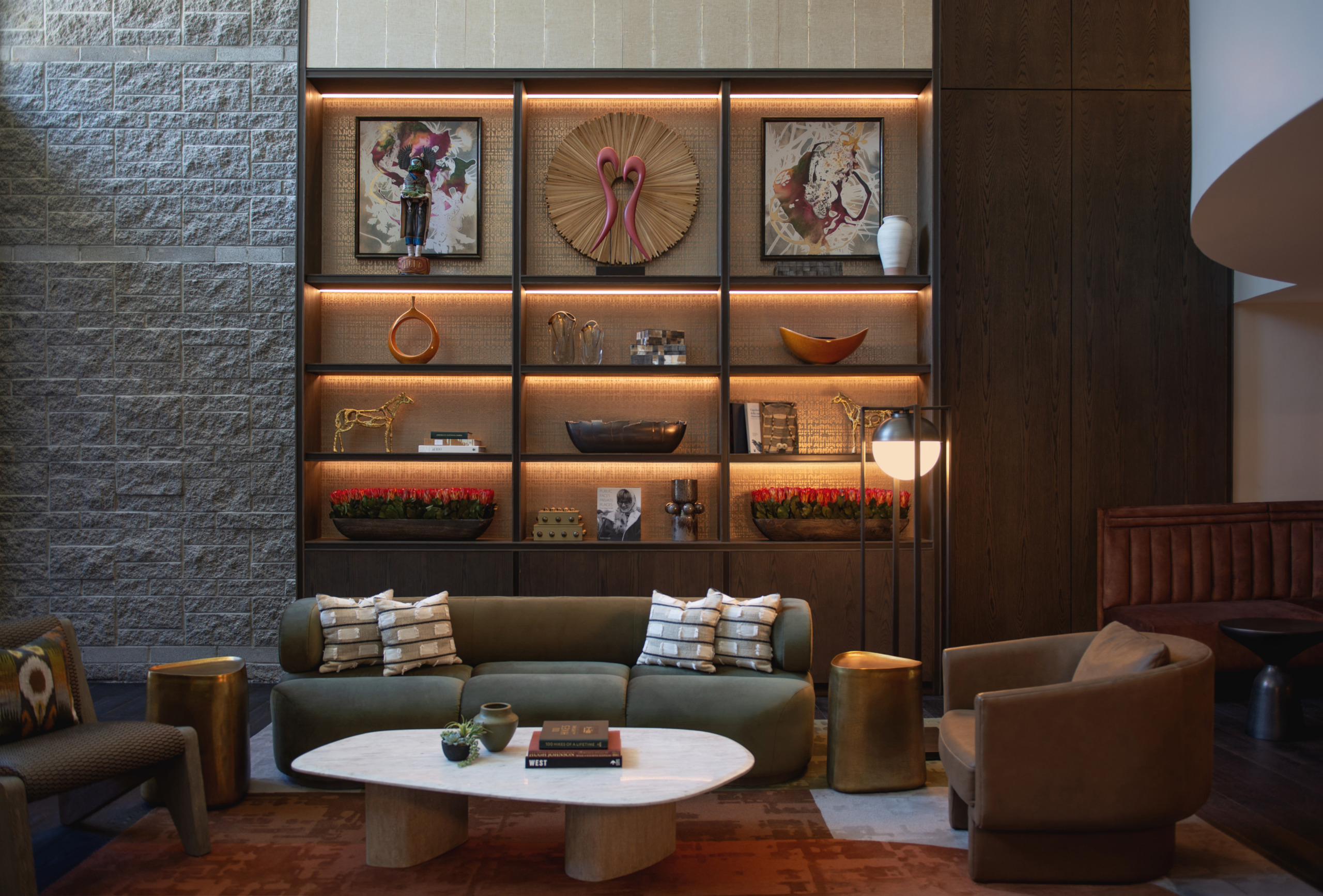
A Hospitality Design Approach for Every Typology
A hospitality design approach is extending beyond hotels into mixed-use, multifamily, senior living, gaming, and workplace environments. Richard notes, “At WATG and Wimberly Interiors, we’re seeing that regardless of project type, people increasingly expect the comfort, flexibility, memorable experiences, and sense of belonging associated with great hospitality.”
Consumers expect more from the places where they work, live, and play. Two-thirds of people worldwide expect these environments to be highly amenitized and tailored to personalized experiences, while 69% say they would pay more for them, according to the 2025 Global Consumer Experience Survey.
Migration into the Sunbelt from cities such as New York, Los Angeles, Chicago, and San Francisco is also raising expectations for design, service, and lifestyle. In response, clients are prioritizing what Richard calls “experience ROI,” creating “environments that drive rate, absorption, loyalty, and repeat visitation through flexible programming, activated spaces, and hospitality-inspired amenities.”
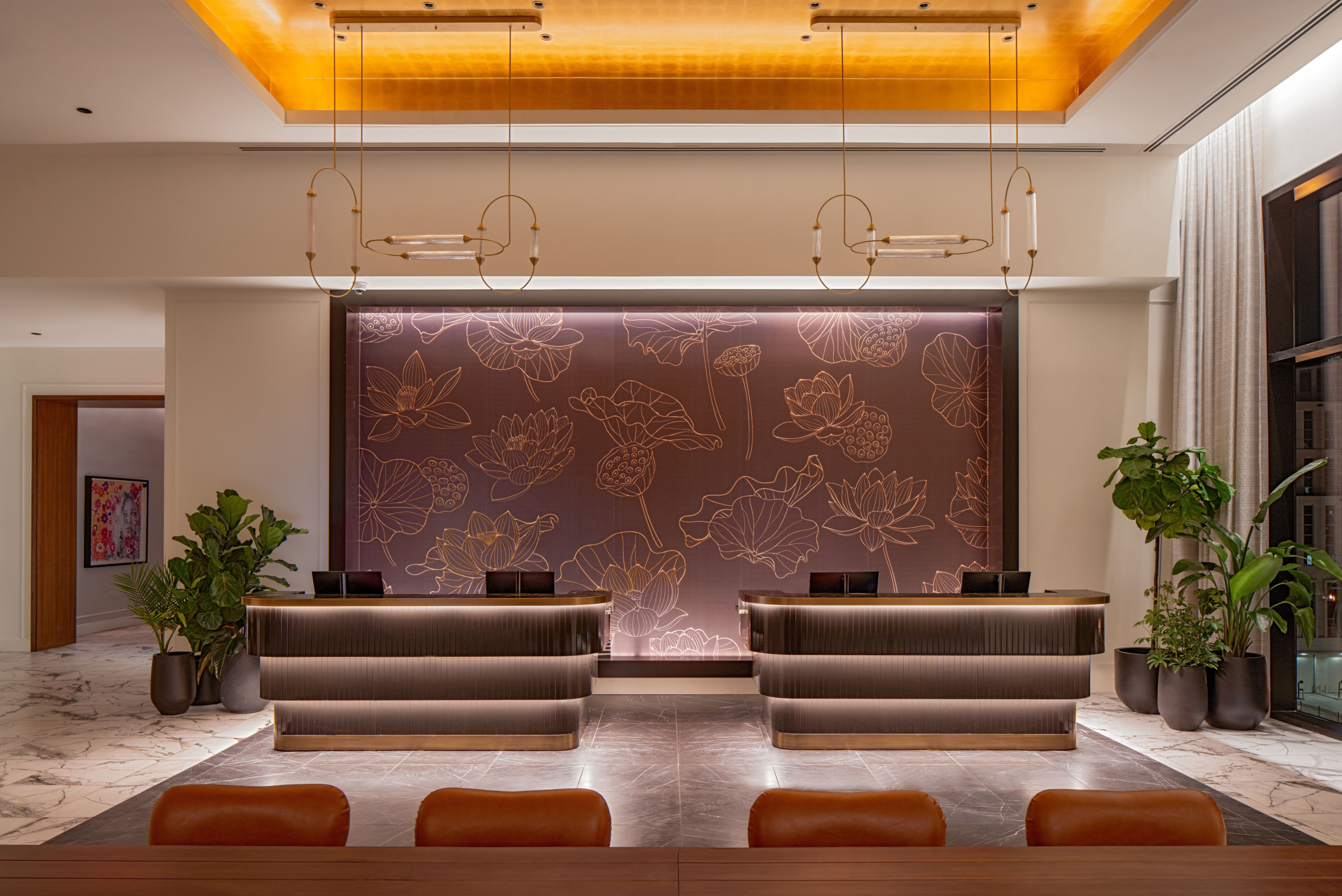
The New Face of Luxury
On the evolution of luxury, Richard explains: “We’re seeing the continued rise of quiet luxury, where refinement is expressed through intentional proportions, craftsmanship, acoustic comfort, material quality, and performance. Authenticity has also become a key differentiator, with guests and residents seeking place-specific identity, local culture, and story, especially in destinations where copy-paste resorts are easy to spot.”
In Sunbelt hospitality design, luxury is increasingly synonymous with outdoor comfort. Shade, breezes, protected courtyards, resilient landscapes, and a strong connection to nature have become some of the region’s most valuable amenities because they make everyday experiences more enjoyable.
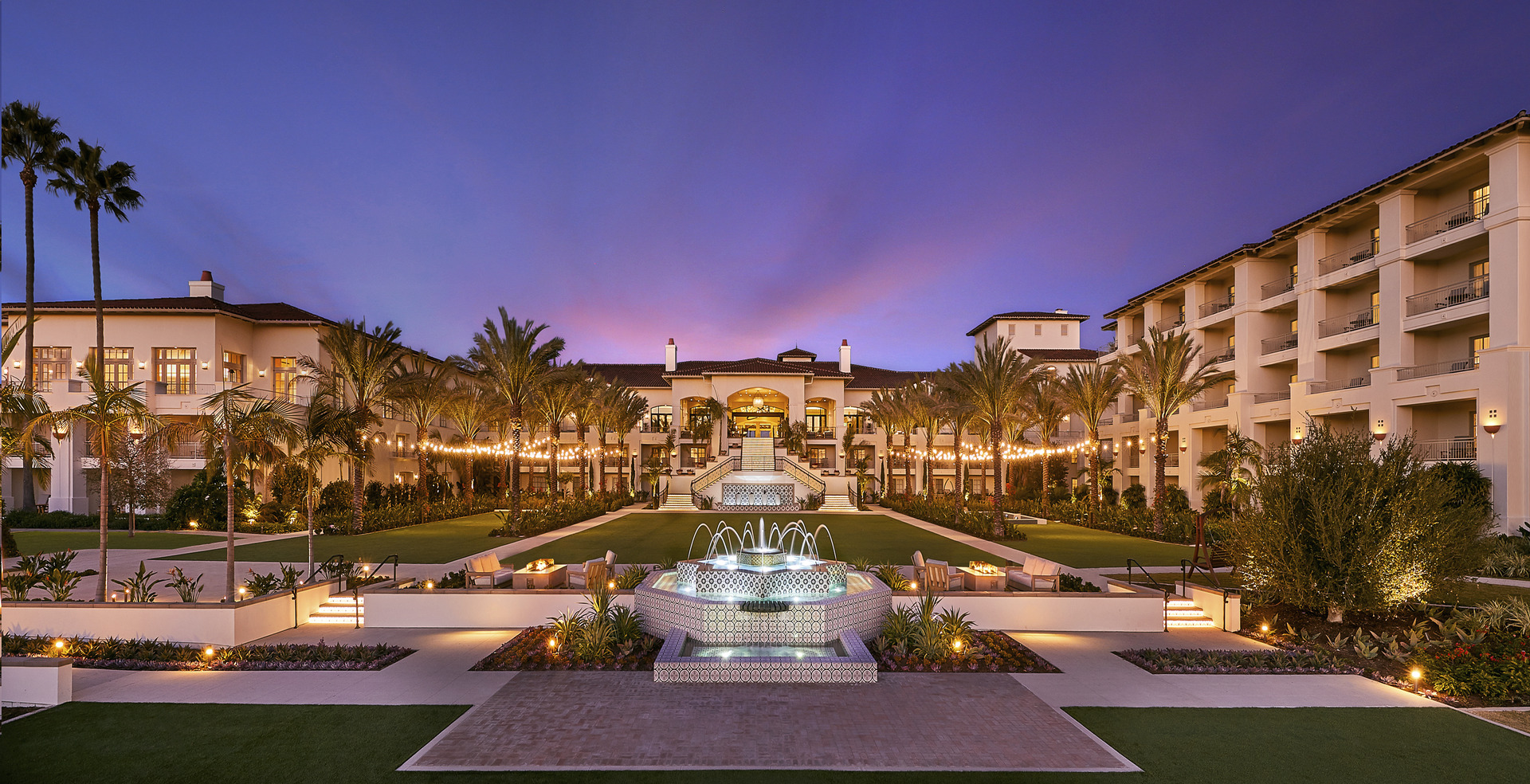
“Authenticity has become a key differentiator… in destinations where copy-paste resorts are easy to spot. ”
What the Data is Saying
Research from WATG’s Research & Advisory team highlights both the scale of the Sunbelt’s growth and the increasing sophistication of its hospitality market.
Approximately 1,540 hotel projects representing more than 250,000 rooms are in the pipeline, with Florida, Texas, and California accounting for the largest share of activity. The pipeline also reflects continued expansion of lifestyle and collection brands, including AC Hotels by Marriott, Tribute Portfolio, Autograph Collection, Curio Collection by Hilton, Kimpton, Tempo by Hilton, and Canopy by Hilton, alongside luxury brands such as Four Seasons, Fairmont, Ritz-Carlton, Auberge Resorts Collection, Rosewood, W Hotels, and JW Marriott.
The relationship between population growth and hotel development also reveals future opportunity. In Florida and Texas, population growth and hotel investment are advancing together. South Carolina, however, has experienced strong 15-year population growth (1.14%) but a comparatively modest pipeline of 7,860 rooms, suggesting investment has yet to catch up with demand.
Elevated construction costs are shifting investment toward renovations, repositioning, conversions, and adaptive reuse. Success depends on a design-sensitive approach that preserves each destination’s distinctive character while creating something new.
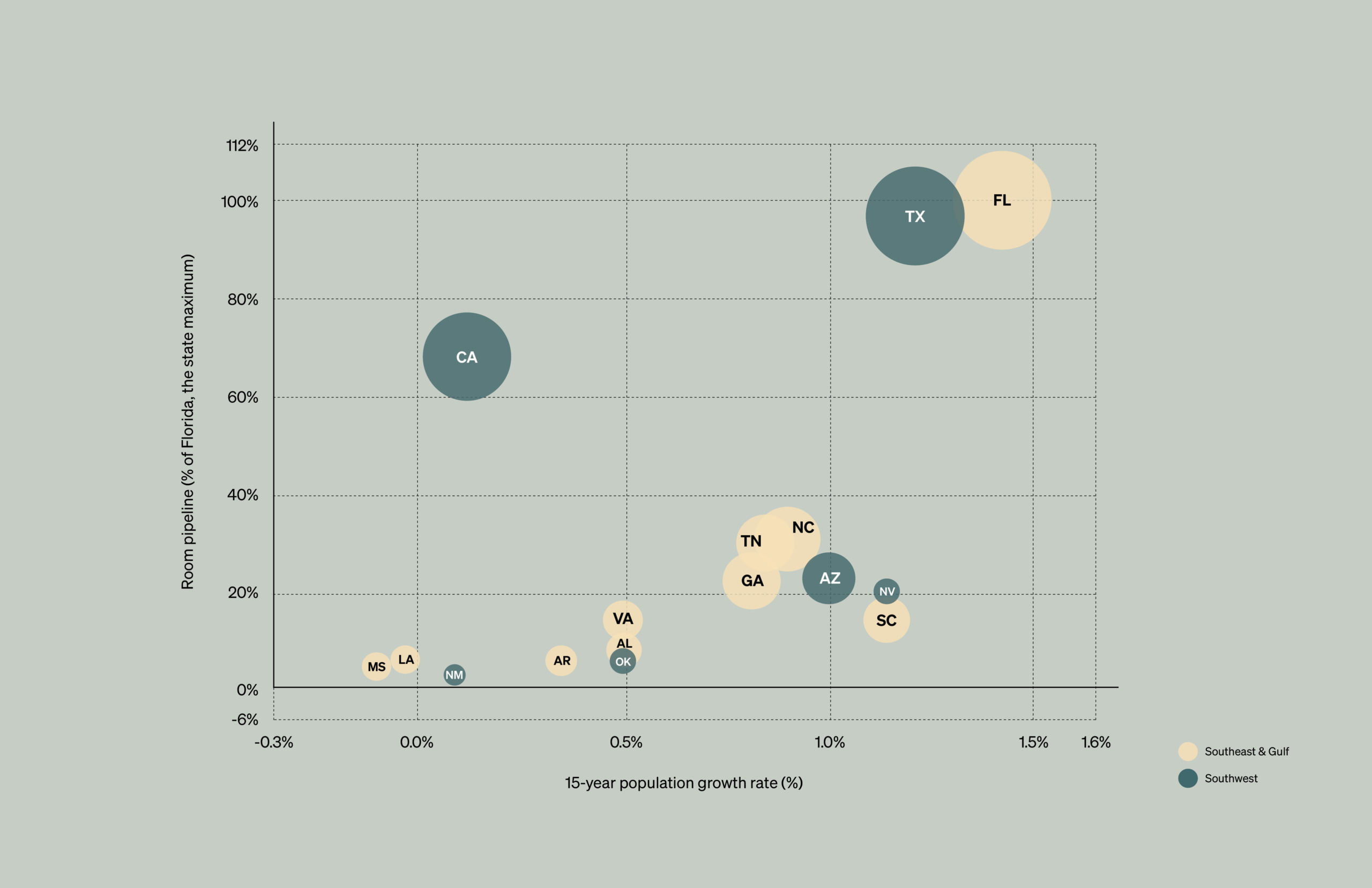
Comparison of hotel room pipeline with 15-year average population growth by state. (Source: STR Global Pipeline Report and CoStar Development Database, 2026).
“…performance has become inseparable from experience… ”
The Power of an Integrated Approach
Richard adds, “At WATG, one of the biggest shifts we’ve seen is that performance has become inseparable from experience. Clients expect sustainability, resilience, wellness, and operational efficiency to be embedded from the outset. As schedules compress and expectations rise, integrating planning, architecture, interiors, and landscape architecture from day one leads to better alignment, faster decisions, and places that are inspiring, resilient, and built to perform over time.”
As the Sunbelt continues to evolve, the projects that stand out will differentiate themselves through authentic experiences, resilient design, and long-term value. WATG’s U.S. studios are well positioned to support this growth, combining regional market knowledge and relationships with global hospitality expertise to create destinations that are authentic to place and built to thrive.
Connect with us to explore how WATG can help your next project inspire, perform, and endure.
Richard Luis
With over two decades of expertise in hospitality, multifamily residential, and commercial design, Richard Luis leads WATG’s Dallas office, bringing insight into how developers can differentiate luxury and lifestyle destinations while driving long-term investment returns.
Latest Insights
Perspectives, trends, news.
- Project Stories
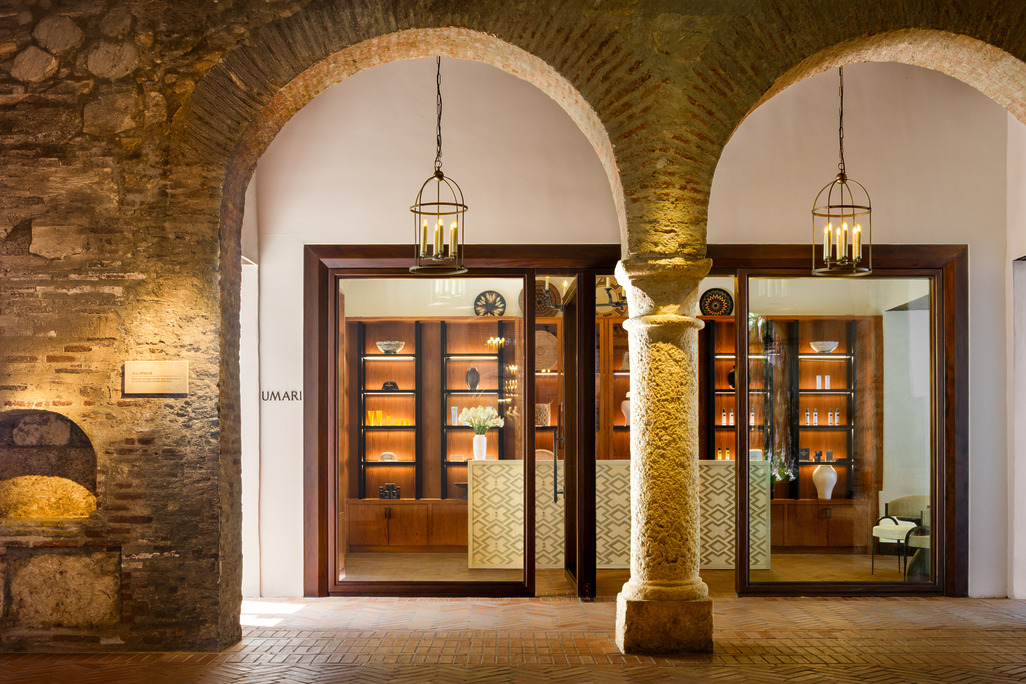
Connecting Historic Preservation and Wellness Design
- Strategy + Research
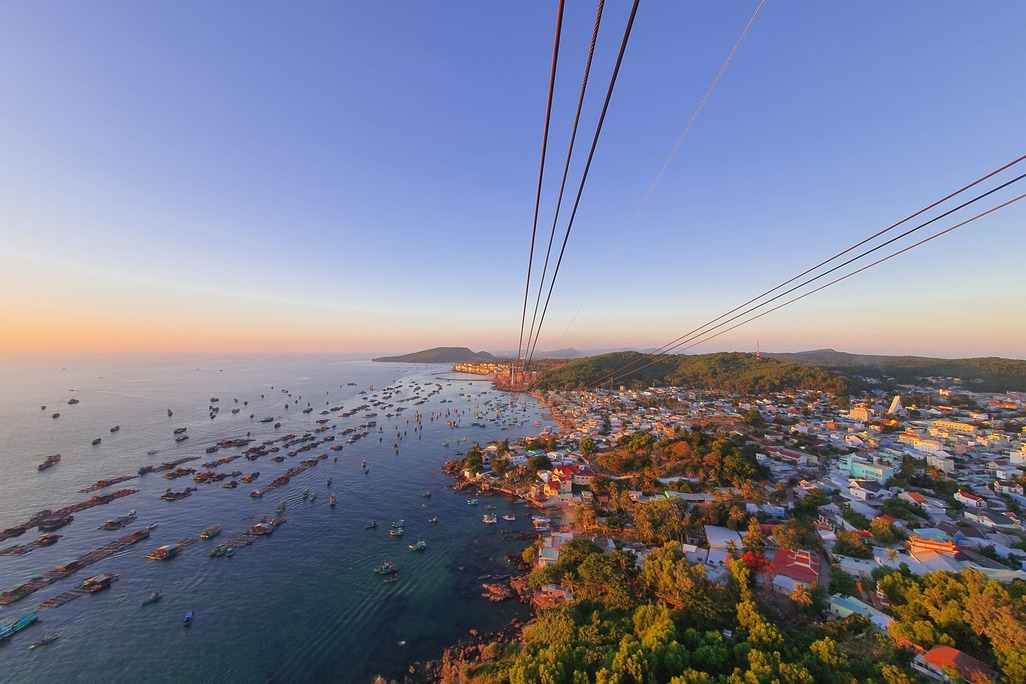
Phu Quoc at a Turning Point: Lessons for Long-Term Island Planning
- Design + Innovation
Lagen Island Resort, El Nido: A Shared Legacy of Responsible Luxury
- News